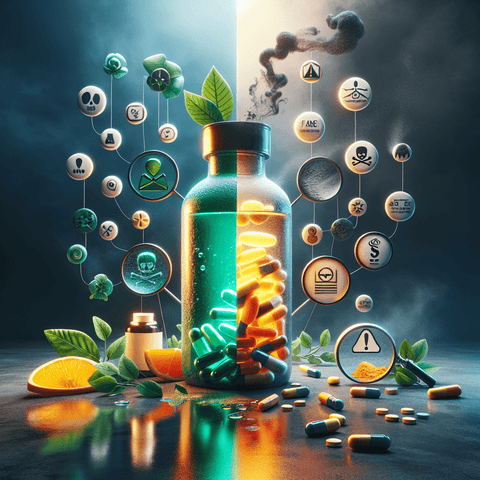
Irreführende Ergänzungs-Labels aufgedeckt: Betrügerische Behauptungen erkennen und Ihre Gesundheit schützen


Irreführende Nahrungsergänzungsmittel-etiketten sind eine häufige Hürde für Käufer, und das Erkennen beginnt damit, zu verstehen, was tatsächlich auf der Flasche steht. Auf den ersten Blick mag ein Produkt legitim erscheinen, aber vage Sprache, fehlende Details oder übertriebene Versprechen können verschleiern, was sich im Inneren befindet. Diese Seite konzentriert sich darauf, diese Probleme zu erkennen und echte Etiketten von irreführenden Nahrungsergänzungsmittel-etiketten zu unterscheiden. Indem Sie lernen, wie Etiketten aufgebaut sind und welche Informationen erforderlich sind, können Sie bei jedem Kauf mit größerer Klarheit und Vertrauen vorgehen. Beginnen Sie mit den Grundlagen des Etiketts: dem Supplement Facts-Panel, der Portionsgröße und der Menge jedes Inhaltsstoffs pro Portion. Vergleichen Sie die gelisteten Inhaltsstoffe mit dem Produktnamen und dem angegebenen Zweck, und übersehen Sie nicht den Abschnitt „Andere Inhaltsstoffe“ für Füllstoffe oder Beschichtungen. Achten Sie auf proprietäre Mischungen und darauf, ob das Etikett die genauen Mengen pro Komponente offenlegt; wenn die Mengen verborgen sind, ist das ein Warnsignal. Überprüfen Sie auf Allergene und Warnhinweise, und seien Sie vorsichtig bei vagen Begriffen wie „natürlich“ oder „Spezialmischung“, die Details verschleiern können. Diese Schritte helfen Ihnen, irreführende Nahrungsergänzungsmittel-etiketten zu erkennen, bevor Sie kaufen. Vermeiden Sie unsichere Inhaltsstoffe und fragwürdige Herkunft, indem Sie auf Transparenz und regulatorische Hinweise achten. Warnzeichen sind fehlende Losnummern oder Haltbarkeitsdaten, keine Kontaktinformationen des Herstellers oder Behauptungen, die nicht überprüfbar sind. Achten Sie auf Zertifizierungen von Dritten oder Testlogos wie USP, NSF oder Informed-Choice, und verstehen Sie, dass diese Logos einen Standard anzeigen, aber keine Garantie für die Eignung für alle darstellen. Seien Sie vorsichtig bei Produkten mit nicht offengelegten Dosierungen, unregulierten Behauptungen oder pauschalen Aussagen zu Ergebnissen, die allesamt Kennzeichen irreführender Nahrungsergänzungsmittel-etiketten sein können. Um Ihre Kaufentscheidungen zu schützen, erstellen Sie eine einfache Routine zur Überprüfung der Etiketten: Überprüfen Sie, ob der Produktname mit den angegebenen Inhaltsstoffen übereinstimmt, bestätigen Sie die Kontaktdaten des Herstellers und notieren Sie Los- sowie Haltbarkeitsdatum. Überprüfen Sie das Produkt mit vertrauenswürdigen Quellen und prüfen Sie, wo möglich, die Herstellungspraktiken des Unternehmens. Wenn etwas am Etikett unvollständig oder inkonsistent erscheint, wählen Sie ein anderes Produkt und fragen Sie bei Bedarf beim Händler oder Hersteller nach. Durch den Aufbau einer konsequenten Gewohnheit, Etiketten zu lesen und irreführende Nahrungsergänzungsmittel-etiketten zu erkennen, können Sie den Markt mit größerem Vertrauen navigieren und das Risiko von Irreführung verringern.


What are the warning signs of a supplement scam you should never ignore - Topvitamine
August 29, 2025
Nahrungsergänzungsmittel-Betrug lässt sich oft an übertriebenen Versprechen, gefälschten Bewertungen, unklaren Etiketten und unseriösen Verkaufsseiten erkennen. Dieser Leitfaden zeigt, wie Sie eine Website prüfen, Händler auf Marktplätzen beurteilen und mögliche Fälschungen sicher melden. Außerdem erfahren Sie, warum schnelle Abnehmversprechen besonders kritisch sind und welche Informationen auf Verpackung und Produktseite vor dem Kauf nicht fehlen sollten.
How to Spot Hidden Sugars and Fillers in Your Supplements - Topvitamine
August 27, 2025
Versteckte Zucker, Zuckeralkohole und Füllstoffe können in Gummies, Pulvern und Kautabletten vorkommen. Dieser Ratgeber zeigt, wie Sie Zutatenlisten und Nährwertangaben von Nahrungsergänzungsmitteln lesen, Werbeaussagen einordnen und künstliche Süßstoffe sachlich bewerten. Sie erfahren außerdem, wann Zusatzstoffe funktionale Aufgaben erfüllen, welche Zutaten empfindliche Personen beachten sollten und wie Sie eine passende, transparente Produktformulierung auswählen.

Why Supplement Label Literacy Matters

Misleading supplement labels are a common challenge for shoppers. With thousands of products on the market, distinguishing between a high-quality supplement and one with exaggerated claims can be difficult. Learning to read a label critically is not just about understanding the ingredients; it's about developing a framework for evaluating any product you encounter.

This guide provides a broad overview of the topic. We'll explain the core components of a supplement label, highlight common red flags that may indicate a product is not what it claims to be, and offer practical steps you can take to become a more confident and informed consumer. It's not about memorizing every rule, but about understanding the general principles that can help you navigate the marketplace.

Understanding the Core Elements of a Supplement Label

Before you can evaluate a product, you need to understand the basic anatomy of a supplement label. Every label should provide certain key pieces of information that allow you to compare products and assess their quality.

The most important elements to understand include:

  • The Supplement Facts panel, which lists the serving size, calories, and amounts of each ingredient.
  • The ingredients list, which shows all components, including active ingredients and excipients.
  • The "Other Ingredients" section, which can include fillers, binders, and natural or artificial flavors.

The Supplement Facts Panel and Serving Size

The Supplement Facts panel provides the nutritional information. Pay close attention to the "Serving Size" and the "Amount Per Serving" for each ingredient. A product may look like good value, but if the serving size is unusually small or large, the cost per effective dose could be higher than you think. Always compare the serving size between similar products to ensure you are making a fair comparison.

The Ingredients List and Proprietary Blends

A complete ingredients list is essential. Some products use "proprietary blends," which allow manufacturers to hide the exact amount of each individual ingredient. They only have to list the total weight of the blend. While this is a legal practice, it can sometimes be a red flag. It can be difficult to determine whether an effective dose of any single ingredient is actually present, making the product harder to evaluate.

Common Red Flags on Supplement Labels

While no single factor guarantees a product is misleading, the presence of several red flags should encourage caution. Being able to identify these warning signs is a key skill in avoiding potentially poor-quality supplements.

  • Vague or overly broad claims, such as "boosts immunity" or "supports overall health," without specific evidence or context.
  • A lack of a clear manufacturer contact address or a customer service line. A reputable company should be easy to reach.
  • Missing batch numbers, lot numbers, or expiration dates, which are standard for quality-controlled products.
  • The use of vague terms like "natural" or "proprietary blend" without further explanation of what they contain.

These characteristics do not automatically mean a product is bad, but they do suggest that a company may not be transparent about its product, making it harder for you to make an informed decision.

The Importance of Third-Party Testing and Verification

Because the supplement industry is large and diverse, the level of quality control can vary from one manufacturer to another. One way to gain more confidence in a product is to look for third-party testing. Independent organizations can verify that a product contains what its label claims, and that it does not contain harmful levels of contaminants.

Seals from organizations like USP, NSF, or Informed-Choice indicate that a product has undergone voluntary testing. It's important to understand that a third-party seal does not confirm that the product will have a specific health effect; rather, it confirms that the product meets certain quality and purity standards. This can add a layer of trust when you are trying to assess products with complex labels.

Building a Habit of Label-Checking

Becoming a more critical consumer is a process. It involves developing a consistent routine of checking labels before you buy. This includes verifying that the product name matches the listed ingredients, confirming the manufacturer's contact details are present, and noting the batch and expiration dates.

If a label feels incomplete or inconsistent, or if you cannot find essential information, it may be worth researching the brand further. It can also be helpful to look for products that are transparent about their practices. Understanding how to read labels is a general skill that applies across all types of supplements, from vitamins and minerals to specialty ingredients. You can explore a range of transparently labeled products in our natural supplements collection.

Exploring the Topic Further

This guide offers a broad overview of how to approach supplement labels. As you become more comfortable with the fundamentals, you may want to explore specific types of products in more depth. For example, understanding the labeling of essential nutrients like vitamins and minerals is a great first step. We have dedicated resources to help you understand the basics of Vitamin D and its sources, as well as general guides on multivitamins and their ingredients.

Remember that the information on this page is for educational purposes. It is not a substitute for professional medical advice. If you have specific health concerns or questions about a particular supplement, consulting a qualified healthcare professional is always the best course of action.