Stimmungsteigernde Vitamine: Die besten Nahrungsergänzungsmittel zur natürlichen Hebung der Stimmung


Exploring mood-boosting vitamins and natural supplements involves understanding the evidence and how to use products safely. This page highlights evidence-based picks, safety tips, and practical guidance to help you navigate daily use with clarity. The term mood-boosting vitamins describes nutrients studied for potential associations with mood-related outcomes, rather than guarantees of any effect. Our goal is to present balanced information you can discuss with a clinician, rather than making prescriptions or promises. Evidence-based picks for mood-boosting vitamins reflect that research yields mixed results. Among the nutrients frequently discussed in this space are vitamin D and certain B vitamins such as B12 und Folsäure. Reviews vary in their conclusions: some studies report associations between nutrient status and mood-related outcomes, while others find no clear effects. Because research designs and populations differ, it’s important to interpret the evidence carefully and avoid drawing broad conclusions from a single study. Safety tips for mood-boosting vitamins emphasize careful selection and risk management. Wählen Sie Produkte von renommierten Marken mit transparenter Kennzeichnung und, wenn möglich, Drittanbieter-Tests. Folgen Sie den Anweisungen auf dem Etikett und vermeiden Sie es, die empfohlenen Mengen zu überschreiten. Seien Sie aufmerksam auf mögliche Wechselwirkungen mit Medikamenten, bestehenden Gesundheitszuständen und besonderen Situationen wie Schwangerschaft oder Stillzeit. Wenn Nebenwirkungen auftreten, stellen Sie die Verwendung ein und konsultieren Sie umgehend einen Gesundheitsfachmann. Praktische Leitfäden für die Anwendung von stimmungsfördernden Vitaminen konzentrieren sich auf Planung und Überwachung. Definieren Sie Ihre Ziele, legen Sie eine angemessene Testphase fest und verfolgen Sie Ihre persönlichen Reaktionen in einer strukturierten Weise. Erwägen Sie, ein Nährstoff nach dem anderen einzuführen, halten Sie eine gleichmäßige Dosierung und Lagerung ein, und wählen Sie Produkte mit klaren Zutatenlisten und Nachweisen für Qualität. Diskutieren Sie Ihren Plan immer mit einem Arzt oder Apotheker, insbesondere wenn Sie andere Medikamente einnehmen oder chronische Gesundheitszustände haben.


What's the best vitamin for depression and anxiety? - Topvitamine
May 15, 2026
Welche Vitamine können bei Depression und Angst unterstützen? Am häufigsten werden B-Vitamine wie B6, B12 und Folsäure, Vitamin D und Magnesium sowie Omega-3-Fettsäuren genannt. Dieser Artikel erklärt, wie diese Nährstoffe mit Serotonin, GABA und dem Nervenstoffwechsel zusammenhängen, welche Lebensmittel gute Quellen sind und worauf Sie bei Nahrungsergänzungsmitteln achten sollten – inklusive Sicherheitshinweisen und wann ärztliche Abklärung wichtig ist.
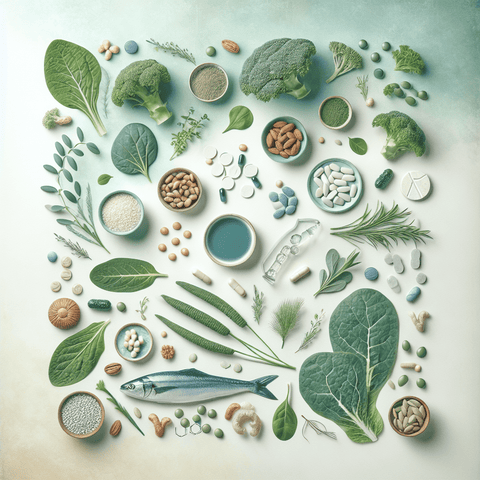
Which vitamin is good for stress? - Topvitamine
October 26, 2025
Vitamine gegen Stress können eine ausgewogene Ernährung sinnvoll ergänzen, vor allem wenn ein nachgewiesener Mangel besteht. Besonders B-Vitamine, Magnesium, Vitamin C und Vitamin D sind an Funktionen des Nervensystems und Energiestoffwechsels beteiligt. Dieser Ratgeber erklärt, was die Nährstoffe leisten können, wann Nahrungsergänzungsmittel infrage kommen, welche Produktmerkmale wichtig sind und wann eine medizinische Abklärung sinnvoll ist.

Mood-boosting vitamins is a broad, informal term that people use when searching for nutrients and supplements that may be connected to mood. It is not a recognised medical category, and no vitamin or supplement can promise a specific emotional effect. Instead, the topic brings together several nutrients that researchers have studied for potential associations with mood-related outcomes. This page serves as a topical hub: it explains the main concepts, introduces the key nutrients, and outlines practical and safety considerations. More specific questions, such as detailed dosage discussions or comparisons between individual forms, are better suited to dedicated articles linked from this tag page.

What the Term Mood-Boosting Vitamins Covers

The phrase mood-boosting vitamins does not refer to a single nutrient or a defined supplement class. It is an umbrella expression that typically includes certain vitamins, minerals, and fatty acids that have been discussed in relation to mood. Common examples include vitamin D, B vitamins such as B12 and folate, magnesium, and omega-3 fatty acids. Some people also include herbal supplements and amino acids in this broader conversation, although the evidence and traditional uses for those categories vary widely.

Because the term is broad, it is important to interpret it carefully. Research on nutrients and mood often yields mixed results. Some studies report associations between nutrient status and mood-related outcomes, while others find no clear effects. Differences in study design, population, dosage, and duration make it difficult to draw broad conclusions. This page therefore presents balanced information that you can discuss with a healthcare professional, rather than making prescriptions or promises.

Key Nutrients Frequently Discussed for Mood Support

Several nutrients appear repeatedly in discussions about mood. The sections below introduce each one at a high level. More detailed articles on individual nutrients are available elsewhere on the site and are linked from this tag page where relevant.

Vitamin D

Vitamin D is a fat-soluble vitamin that plays a role in normal bone health, muscle function, and immune function. Some research has explored whether vitamin D status is associated with mood-related outcomes, but findings are not consistent. Vitamin D can be obtained from sunlight exposure, certain foods, and supplements. If you are considering a vitamin D supplement, it is sensible to discuss appropriate intake with a clinician, especially if you have a health condition or take medication.

B Vitamins Including B12 and Folate

The B vitamins are a group of water-soluble vitamins that support normal energy metabolism and nervous system function. Vitamin B12 and folate are the two most often mentioned in relation to mood. Some studies have looked at whether low levels of these vitamins are associated with mood-related outcomes, but results vary. B vitamins are found in a range of animal and plant foods, and they are also available in supplement form, including in multivitamins.

Magnesium

Magnesium is a mineral involved in many normal bodily functions, including muscle and nerve function. It is sometimes discussed in the context of relaxation and mood, though research on magnesium and mood-related outcomes is mixed. Dietary sources include nuts, seeds, whole grains, and leafy green vegetables. Magnesium supplements come in several forms, and each form may have different absorption characteristics and tolerability.

Omega-3 Fatty Acids (DHA and EPA)

Omega-3 fatty acids, particularly DHA and EPA, are fats found in oily fish and some plant sources. They are important for normal cell function and are sometimes studied in relation to mood. As with other nutrients in this area, evidence is not clear-cut, and individual responses may vary. Omega-3 supplements are available in different forms, and quality can vary between products.

Choosing Supplements: General Considerations

If you are considering supplements, a careful approach can help you make more informed choices. The points below are general considerations, not medical advice.

  • Choose products from reputable brands with transparent labelling.
  • Look for third-party testing where possible to support quality and purity.
  • Follow label directions and avoid exceeding recommended amounts.
  • Be mindful of potential interactions with medications, existing health conditions, and special situations such as pregnancy or breastfeeding.
  • If adverse symptoms occur, discontinue use and consult a healthcare professional promptly.

Practical Guidance for Exploring This Topic

Exploring mood-boosting vitamins and supplements is often a process of learning and observation. A structured approach can help you stay organised and make more informed decisions. Define your goals, set a reasonable trial period, and track personal responses in a structured way. Consider introducing one nutrient at a time rather than changing several products at once. Maintain consistent dosing and storage, and select products with clear ingredient lists and evidence of quality. Always discuss your plan with a clinician or pharmacist, especially if you take other medicines or have chronic health conditions.

If you are looking for related product categories, you can explore vitamin D supplements or B vitamin supplements. You can also browse magnesium supplements for related options.

Exploring Further Within This Topic

This tag page is designed to give you a broad overview. If you want more detail on specific nutrients, the individual articles associated with this tag will provide deeper information. You can also explore related categories such as omega-3 supplements or learn about general multivitamins. As always, use this information as a starting point for conversations with a qualified healthcare professional rather than as a substitute for personalised advice.