Muskelschwäche ist kein eigenständiges Krankheitsbild, sondern ein Symptom mit vielen möglichen Ursachen – von Nährstoffmängeln über Bewegungsmangel bis hin zu Grunderkrankungen. Eine wichtige Unterscheidung vorab: Echte Muskelschwäche bedeutet, dass ein Muskel oder eine Muskelgruppe auch bei maximaler Anstrengung nicht die erwartete Kraft aufbringen kann. Müdigkeit hingegen ist ein subjektives Gefühl der Erschöpfung, das sich in der Regel mit Ruhe bessert. Wer müde ist, kann dennoch über volle körperliche Kraft verfügen. Diese Abgrenzung ist entscheidend, weil sich Ursachen und geeignete Maßnahmen in beiden Fällen unterscheiden.
Was ist Muskelschwäche?
Muskelschwäche beschreibt eine verminderte Kraft, die ein Muskel oder eine Muskelgruppe aufbringen kann. Sie kann vorübergehend oder anhaltend auftreten und unterschiedliche Körperregionen betreffen. Für das Verständnis und die weitere Abklärung sind zwei Unterscheidungen besonders hilfreich: die Abgrenzung zwischen echter Schwäche und Müdigkeit sowie die Frage, ob die Schwäche lokalisiert oder allgemein auftritt.
Echte Muskelschwäche vs. Müdigkeit
Bei echter Muskelschwäche ist der Muskel körperlich nicht in der Lage, die erwartete Kraft zu erzeugen – selbst bei größter Anstrengung. Müdigkeit dagegen ist ein Gefühl der Erschöpfung, das oft mit Ruhe nachlässt. Man kann müde sein und trotzdem volle körperliche Kraft besitzen. Da sich die möglichen Ursachen und die geeigneten Schritte deutlich unterscheiden, lohnt es sich, genau hinzuschauen, welches der beiden Phänomene im Vordergrund steht.
Lokalisierte vs. allgemeine Schwäche
Eine allgemeine Schwäche betrifft den ganzen Körper und wird häufig mit systemischen Faktoren wie Nährstoffmangel, einer veränderten Schilddrüsenfunktion oder chronischer Erschöpfung in Verbindung gebracht. Eine lokalisierte Schwäche, die auf eine Gliedmaße oder eine Körperseite begrenzt ist, kann dagegen ein Hinweis auf ein neurologisches Problem sein und sollte zeitnah ärztlich abgeklärt werden. Das Verteilungsmuster der Symptome liefert daher wichtige Hinweise für die weitere Einschätzung.
- Echte Muskelschwäche vs. Müdigkeit
- Lokalisierte vs. allgemeine Schwäche
Warum Muskelkraft für die Gesundheit wichtig ist
Die Skelettmuskulatur ist weit mehr als ein Bewegungsapparat: Sie wirkt als stoffwechselaktives Organ und spielt eine zentrale Rolle für die Gesundheit des gesamten Körpers. Mehr Muskelmasse ist mit einer besseren Blutzuckerregulation und einem höheren Grundumsatz verbunden. Starke Muskeln stützen zudem die Gelenke, stabilisieren die Haltung und ermöglichen flüssige, sichere Bewegungen.
Wird die Kraft weniger, kann ein Teufelskreis entstehen: Schwäche führt zu verminderter Aktivität, die wiederum weiteren Muskelabbau begünstigt. Der Wiederaufbau von Kraft betrifft deshalb nicht nur Fitness, sondern auch Lebensqualität und Selbstständigkeit im Alltag.
Häufige Ursachen und Einflussfaktoren
Die Ursachen von Muskelschwäche lassen sich grob in drei Gruppen einteilen: Nährstoffmängel, Lebensstilfaktoren und Grunderkrankungen. Nährstoffmängel gehören zu den häufigen und oft behebbaren Auslösern. Bewegungsmangel zählt zu den häufigsten reversiblen Ursachen – nach dem Prinzip „Use it or lose it“. Auch der natürliche Alterungsprozess spielt eine Rolle, da Muskelmasse ab etwa 30 Jahren schrittweise abnimmt und dieser Abbau durch unzureichende Proteinzufuhr und Bewegungsmangel beschleunigt werden kann. Daneben kommen Grunderkrankungen wie Schilddrüsenstörungen, Blutarmut, chronische Entzündungen und neurologische Erkrankungen in Betracht. Schließlich können auch bestimmte Medikamente Muskelschwäche als Nebenwirkung auslösen.
- Nährstoffmängel (Vitamin D, Magnesium, Kalzium, Kalium, B-Vitamine, Protein)
- Lebensstilfaktoren (Bewegungsmangel, Alterungsprozess)
- Grunderkrankungen (Schilddrüse, Blutarmut, neurologische Erkrankungen)
- Medikamente als mögliche Nebenwirkung
Nährstoffmängel, die die Muskelfunktion beeinträchtigen
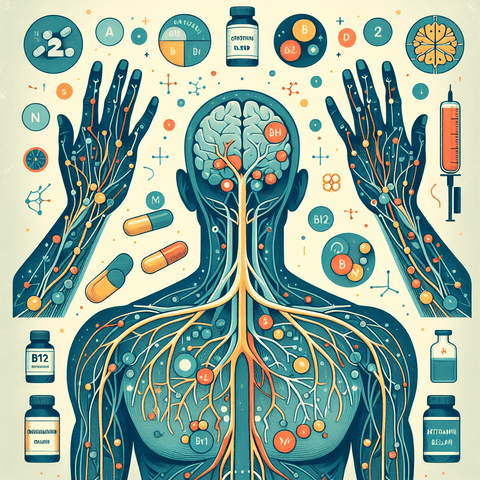
Muskeln benötigen eine stetige Versorgung mit bestimmten Nährstoffen für Kontraktion, Reparatur und Wachstum. Vitamin D ist an der Muskelproteinsynthese und der Muskelzellgesundheit beteiligt; niedrige Werte werden mit Muskelschwäche und einem erhöhten Sturzrisiko bei älteren Menschen in Verbindung gebracht. Magnesium spielt eine Rolle bei Muskelkontraktion und -entspannung, und niedrige Werte werden mit Krämpfen, Zuckungen und allgemeiner Schwäche assoziiert. Kalzium wirkt mit Magnesium und Vitamin D bei der Muskelkontraktion und der Knochengesundheit zusammen. Kalium ist für Nervensignale und Muskelkontraktion wichtig – bereits leichte Mängel können Schwäche und Müdigkeit verursachen. Die B-Vitamine, insbesondere B12 und B6, sind für die Nervengesundheit und die Energieproduktion von Bedeutung. Und nicht zuletzt: Eine unzureichende Proteinzufuhr begrenzt die Bausteine für Muskelerhalt und -reparatur, besonders im Alter.
Lebensstilfaktoren und altersbedingter Verlust
Bewegungsmangel gehört zu den häufigsten reversiblen Ursachen von Muskelschwäche. Hinzu kommt der altersbedingte Muskelabbau, der ab etwa 30 Jahren beginnt und sich ohne ausreichende Proteinzufuhr und regelmäßige Bewegung beschleunigt. Für diesen fortschreitenden Verlust von Muskelmasse und -kraft hat sich der Begriff Sarkopenie etabliert, der vor allem für ältere Menschen von Bedeutung ist.
Grunderkrankungen
Muskelschwäche kann auch Ausdruck einer Grunderkrankung sein. Dazu zählen Schilddrüsenstörungen, Blutarmut, chronische Entzündungserkrankungen sowie neurologische Erkrankungen wie Multiple Sklerose oder periphere Neuropathie. Auch bestimmte Medikamente, darunter Statine und einige Blutdruckmittel, können muskelbezogene Nebenwirkungen verursachen. Bei einem entsprechenden Verdacht ist eine ärztliche Abklärung wichtig, um die Ursache zu klären und die passenden Schritte einzuleiten.
Wichtige Nährstoffe für die Muskelfunktion
Eine ausgewogene Ernährung ist die primäre Nährstoffquelle. Das Verständnis der einzelnen Nährstoffrollen hilft dennoch, informierte Entscheidungen zu treffen – insbesondere dann, wenn über eine Ergänzung nachgedacht wird.
Die Rolle von Magnesium für die Muskelfunktion
Magnesium zählt zu den wichtigsten Mineralien für die Muskelgesundheit. Es trägt zur normalen Muskelkontraktion, zur Nervenübertragung und zur Energieproduktion bei. Niedrige Magnesiumwerte werden mit Muskelkrämpfen, Zuckungen und allgemeiner Müdigkeit in Verbindung gebracht. Verschiedene Formen von Magnesiumpräparaten können die tägliche Zufuhr unterstützen – etwa Magnesiumpräparate, die je nach Bedarf unterschiedliche Darreichungsformen und Verbindungen bieten.
Vitamin D und Muskelkraft
Vitamin D beeinflusst Muskelkraft und -leistung. Ein ausreichender Vitamin-D-Status ist besonders für den Muskelerhalt älterer Menschen von Bedeutung. Zudem trägt Vitamin D zur normalen Knochengesundheit bei, die eng mit der Muskelfunktion zusammenwirkt. Wer sich näher informieren möchte, findet unter Vorteile, Quellen und Sicherheit von Vitamin D weiterführende Hinweise zur Versorgung.
Kalzium und das Nährstoffteam
Kalzium wirkt mit Magnesium und Vitamin D bei der Muskelkontraktion und der Knochendichte zusammen. Diese Nährstoffe funktionieren gewissermaßen als Team, weshalb eine ausgewogene Zufuhr aller Beteiligten in der Regel wirksamer ist, als sich auf einen einzelnen Nährstoff zu konzentrieren. Weiterführende Informationen zur Kalziumversorgung bietet Vorteile von Kalzium für Knochen- und Muskelgesundheit.
Praktische Schritte zum Kraftaufbau
Für die Muskelgesundheit gibt es zwei Grundpfeiler: eine ausreichende Proteinzufuhr und regelmäßiges Krafttraining. Nahrungsprotein liefert die Aminosäuren für die Muskelreparatur, während Krafttraining dem Körper das Signal gibt, Muskelgewebe zu erhalten und aufzubauen. Die Basis bildet eine ausgewogene Ernährung mit vollwertigen Lebensmitteln, die möglichst viele Nährstoffe abdeckt. Ebenso wichtig sind eine ausreichende Flüssigkeitszufuhr und genügend Schlaf, da beide die muskuläre Leistungsfähigkeit beeinflussen. B-Vitamine, insbesondere B6 und B12, tragen zu einem normalen Energiestoffwechsel bei und können helfen, Müdigkeit zu reduzieren.
- Ausgewogene Ernährung mit vollwertigen Lebensmitteln als Nährstoffgrundlage
- Aminosäuren aus Nahrungsprotein als Bausteine für Muskelgewebe
- B-Vitamine (B6 und B12) für den Energiestoffwechsel und gegen Müdigkeit
- Ausreichende Flüssigkeitszufuhr und Schlaf für die muskuläre Leistungsfähigkeit
Wann eine Nahrungsergänzung sinnvoll sein kann
Eine ausgewogene Ernährung bleibt die primäre Nährstoffquelle. In bestimmten Situationen kann eine gezielte Ergänzung jedoch sinnvoll sein. Ältere Menschen haben oft einen höheren Proteinbedarf und eine verminderte Nährstoffaufnahme. Veganer und Vegetarier tragen ein höheres Risiko für einen Vitamin-B12-Mangel. Menschen mit geringer Sonnenexposition können Schwierigkeiten haben, ihren Vitamin-D-Spiegel ganzjährig aufrechtzuerhalten. In solchen Fällen kann eine gezielte Ergänzung helfen, Lücken zu schließen – sie ersetzt jedoch keine ausgewogene Ernährung und keine ärztliche Abklärung.
Auswahl eines hochwertigen Präparats
Bei der Auswahl lohnt es sich, Produkte zu wählen, die die elementare Menge der enthaltenen Nährstoffe klar angeben und auf bioverfügbare Formen setzen – etwa Magnesiumcitrat oder -glycinat und Vitamin D3. Zertifizierungen durch Dritte, beispielsweise von Organisationen wie NSF International oder USP, können zusätzliche Orientierung bieten. Solche Zertifizierungen sollen sicherstellen, dass das Produkt tatsächlich enthält, was es verspricht.
Besondere Personengruppen mit erhöhtem Bedarf
Einige Gruppen sollten besonders auf ihre Muskelgesundheit achten: ältere Menschen, Veganer und Vegetarier sowie Sportler und aktive Menschen. Die Risiken und geeigneten Maßnahmen unterscheiden sich je nach Lebenssituation und sollten entsprechend abgestimmt werden.
Ältere Menschen
Der altersbedingte Muskelabbau, die Sarkopenie, wird durch unzureichende Proteinzufuhr, Vitamin-D-Mangel und Bewegungsmangel beschleunigt. Als evidenzbasierte Strategie zur Erhaltung der Kraft im Alter gilt die Kombination aus Krafttraining, einer erhöhten Proteinzufuhr und einer ausreichenden Vitamin-D-Versorgung.
Veganer und Vegetarier
Bei rein pflanzlicher Ernährung besteht ein höheres Risiko für einen Vitamin-B12-Mangel, der unter anderem zu peripherer Neuropathie und Muskelschwäche führen kann. Eine sublinguale oder methylierte B12-Ergänzung kann eine sinnvolle Ergänzung zur veganen Ernährung sein. Zudem sollten pflanzlich Ernährte auf die Proteinqualität und die Gesamtzufuhr achten.
Sportler und aktive Menschen
Bei intensivem Training kann der Magnesiumbedarf erhöht sein, da Magnesium über den Schweiß verloren geht. Anders als bei den anderen Gruppen geht es hier in der Regel nicht um die Behandlung von Schwäche, sondern um die Optimierung von Leistung und Erholung. Aminosäurepräparate können die Muskelreparatur und das Muskelwachstum unterstützen.
Wann Sie einen Arzt aufsuchen sollten
Bevor in Nahrungsergänzungsmittel investiert wird, sollte geprüft werden, ob die Muskelschwäche auf eine ernstere Grunderkrankung hinweisen könnte. Nahrungsergänzungsmittel ersetzen weder die Diagnose noch die Behandlung einer medizinischen Erkrankung. Bestimmte Warnsignale sollten ärztlich abgeklärt werden:
- Atem-, Schluck- oder Sprechbeschwerden
- Taubheitsgefühl, Kribbeln oder Koordinationsverlust
- Schwäche nach einer Verletzung oder einem Sturz
- Schwäche, die über Wochen oder Monate ohne Erklärung fortschreitet
- Plötzliche, schwere oder einseitige Schwäche
Ob und in welchem Umfang eine Ergänzung sinnvoll ist, hängt von Faktoren wie Ernährung, Alter, Gesundheitszustand, Medikamenteneinnahme, Schwangerschaft oder Stillzeit ab. Was bei einer Person hilfreich ist, muss nicht bei einer anderen wirken. So lässt sich Muskelschwäche Schritt für Schritt verstehen und gezielt angehen.