Die kognitive Fähigkeit lässt sich am zuverlässigsten durch einen gesunden Lebensstil verbessern – ausreichend Schlaf, regelmäßige Bewegung, Stressmanagement und eine nährstoffreiche Ernährung. Nahrungsergänzungsmittel wie B-Vitamine, Omega-3-Fettsäuren, Ginkgo biloba oder Bacopa monnieri können ergänzend wirken, ersetzen aber keinen gesunden Lebensstil, und die wissenschaftliche Evidenz variiert je nach Substanz stark. In diesem Artikel erfahren Sie, welche Optionen es gibt, wie sie untersucht werden und worauf Sie bei der Auswahl achten sollten.
Was sind natürliche kognitive Verstärker?
Natürliche kognitive Verstärker sind nicht-pharmazeutische Ansätze und Verbindungen, die im Zusammenhang mit Gedächtnis, Konzentration, Fokus und Gehirngesundheit untersucht werden. Der Begriff umfasst mehrere Kategorien, von gut untersuchten Nährstoffen bis zu Kräutern, deren Forschung noch vorläufig ist.
- Vitamine und Mineralstoffe (z. B. B-Vitamine, Vitamin D, Magnesium)
- Omega-3-Fettsäuren (EPA und DHA)
- Pflanzenextrakte und Kräuter (z. B. Ginkgo biloba, Bacopa monnieri, Ashwagandha)
- Aminosäuren und weitere Verbindungen (z. B. L-Theanin, Tyrosin, Kreatin)
- Lebensstilfaktoren (Schlaf, Bewegung, Stressmanagement)
Wichtig zur Einordnung: „Natürlich“ bedeutet nicht automatisch sicher oder wirksam. Die Evidenz variiert erheblich je nach Substanz, und kein einzelnes Mittel ersetzt einen gesunden Lebensstil. Diese Seite bietet einen breiten Überblick über das Thema; einzelne Fragestellungen werden in vertiefenden Artikeln behandelt.
Wichtige Nährstoffe für die Gehirnfunktion
Zu den am besten untersuchten Nährstoffen für die Gehirnfunktion zählen die B-Vitamine B6, Folat (B9) und B12. Sie haben eine etablierte Rolle im Energiestoffwechsel der Gehirnzellen und tragen zur normalen psychologischen Funktion bei. Vitamin D wird ebenfalls im Zusammenhang mit kognitiver Gesundheit untersucht, die Forschung ist jedoch noch nicht vollständig geklärt. Magnesium wird mit Nervenfunktion und Stressregulation in Verbindung gebracht.
Grundlage sollte immer eine ausgewogene Ernährung sein – sie ist zuverlässiger als eine isolierte Supplementierung. Eine gezielte Ergänzung einzelner Nährstoffe ist vor allem bei nachgewiesenen Mängeln sinnvoll und sollte unter ärztlicher Anleitung erfolgen. Häufig diskutierte Nährstoffe für die Gehirngesundheit sind daneben Omega-3-Fettsäuren.
Omega-3-Fettsäuren und ihre Rolle für das Gehirn
DHA ist ein wichtiger struktureller Bestandteil der Zellmembranen im Gehirn. EPA und DHA – vor allem aus Fischöl oder Algen – gehören zu den am häufigsten diskutierten Nährstoffen für die Gehirngesundheit. Wer die Aufnahme dieser Fettsäuren ergänzen möchte, findet in der Auswahl an DHA- und EPA-Omega-3-Supplemente einen möglichen Einstiegspunkt.
Pflanzenextrakte und Kräuter für Gedächtnis und Fokus
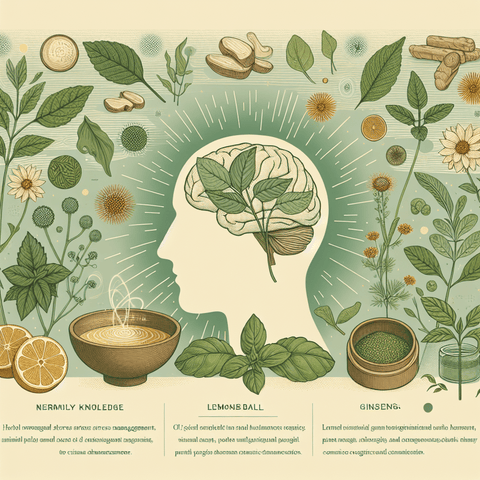
Ginkgo biloba ist das bekannteste Kraut in diesem Bereich und hat eine lange Tradition rund um Gedächtnis und Durchblutung. Bacopa monnieri wurde in klinischen Studien zu Gedächtnis und Aufmerksamkeit untersucht und zählt zu den am häufigsten erforschten Pflanzen für kognitive Funktionen. Ein einziges „bestes“ Kraut gibt es jedoch nicht – die Wirkung variiert von Person zu Person.
Ashwagandha wird als adaptogenes Kraut vor allem zur Stressbewältigung untersucht. Eine bessere Stressregulation kann die kognitive Funktion auch indirekt unterstützen. Wer diesen Ansatz ausprobieren möchte, findet eine Auswahl an Ashwagandha-Supplementen. Der Pilz Löwenmähne (Hericium erinaceus) wird im Zusammenhang mit Nervenwachstumsfaktoren erforscht – die Evidenz befindet sich jedoch noch in einem frühen Stadium.
Ein wichtiger Hinweis zur Sicherheit: Kräuterextrakte können mit verschreibungspflichtigen Medikamenten interagieren. Sprechen Sie vor der Einnahme neuer pflanzlicher Präparate mit Ihrem Arzt oder Apotheker.
Weitere Verbindungen von Interesse
Koffein in Kombination mit L-Theanin aus grünem Tee wird häufig im Zusammenhang mit Aufmerksamkeit und ruhiger Konzentration diskutiert. Kreatin ist vor allem für die körperliche Leistung bekannt, wird aber zunehmend auch für kognitive Aufgaben untersucht – insbesondere bei Personen mit geringer körpereigener Speicherung. Bei Nootropika-Mischungen sollten Sie auf transparente Kennzeichnung und evidenzbasierte Dosierung achten, da manche enthaltenen Verbindungen nur eine begrenzte oder uneinheitliche Forschungslage haben.
Lebensstilfaktoren, die die kognitive Funktion unterstützen
Auf die Frage nach dem wirksamsten kognitiven Verstärker gibt es keine einzelne Antwort – Lebensstilfaktoren haben in der Regel besser dokumentierte Wirkungen als einzelne Nahrungsergänzungsmittel. Die wichtigsten Bausteine im Überblick:
- Ausreichender und erholsamer Schlaf
- Regelmäßige körperliche Aktivität
- Stressmanagement durch Achtsamkeit oder Meditation
- Soziale Interaktion und kontinuierliches Lernen
- Ausgewogene, nährstoffreiche Ernährung
Schlaf ist entscheidend für die Gedächtniskonsolidierung und die tägliche geistige Leistung. Regelmäßige körperliche Aktivität fördert die Durchblutung des Gehirns und unterstützt die Gehirngesundheit. Stressmanagement durch Achtsamkeit oder Meditation kann die negativen Auswirkungen chronischen Stresses auf die Kognition reduzieren. Soziale Interaktion und kontinuierliches Lernen werden mit besseren kognitiven Ergebnissen im späteren Leben in Verbindung gebracht. Eine ausgewogene, nährstoffreiche Ernährung bildet die Grundlage, auf die Nahrungsergänzungsmittel ergänzend wirken können.
Praktische Überlegungen bei der Auswahl von Nahrungsergänzungsmitteln
Wer Nahrungsergänzungsmittel zur Unterstützung der Gehirngesundheit in Betracht zieht, sollte einige praktische Punkte beachten:
- Qualität und Reinheit: Drittanbieter-Tests und Analysezertifikate prüfen
- Dosierung und Form: aktive Inhaltsstoffe und Bioverfügbarkeit verstehen
- Potenzielle Wechselwirkungen: mit Arzt oder Apotheker besprechen
- Immer nur ein Supplement auf einmal einführen
Die Bioverfügbarkeit kann je nach chemischer Form eines Nährstoffs deutlich variieren – ein Beispiel ist Magnesiumglycinat gegenüber Magnesiumoxid. Aminosäuren wie Tyrosin und L-Theanin sind eine weitere Forschungsrichtung für kognitive Unterstützung; wer sich dafür interessiert, findet eine Auswahl an Aminosäuren-Supplementen. Wenn Sie ein neues Präparat einführen, tun Sie dies immer nur einzeln, um Verträglichkeit und Wirkung besser beurteilen zu können. Mögliche Wechselwirkungen mit verschreibungspflichtigen Medikamenten sollten Sie vorab mit Ihrem Arzt oder Apotheker klären.
Die Wissenschaft hinter den Behauptungen verstehen
Beim Thema kognitive Verstärker liegen Marketingversprechen und wissenschaftliche Realität oft weit auseinander. Ein kritischer Blick auf die Studienlage lohnt sich deshalb besonders. Hilfreiche Fragen zur Bewertung einer Studie sind:
- Wurde die Studie am Menschen oder nur an Tieren durchgeführt?
- Wie groß war die Stichprobe und wie lange dauerte die Studie?
- Wurden die Ergebnisse von mehreren unabhängigen Forschungsgruppen repliziert?
- Ist die Forschung in einer seriösen peer-reviewed Zeitschrift veröffentlicht?
- Wer hat die Studie finanziert und gibt es Interessenkonflikte?
Die Veröffentlichung in einer seriösen peer-reviewed Zeitschrift ist ein wichtiger Qualitätsmarker. Beachten Sie auch Interessenkonflikte, insbesondere bei herstellerfinanzierten Studien. Systematische Übersichtsarbeiten geben meist ein verlässlicheres Bild als einzelne Untersuchungen. Und noch einmal: „Natürlich“ ist nicht automatisch sicher oder wirksam – bei Unsicherheit lohnt sich die Rücksprache mit medizinischem Fachpersonal.
Häufige Fragen zu natürlichen kognitiven Verstärkern
Wie kann ich meine kognitive Fähigkeit verbessern? Am zuverlässigsten durch einen gesunden Lebensstil: ausreichend Schlaf, regelmäßige Bewegung, Stressmanagement und eine nährstoffreiche Ernährung. Nahrungsergänzung kann ein ergänzender Baustein sein, aber keine Garantie auf bessere geistige Leistung bieten.
Was ist der wirksamste kognitive Verstärker? Es gibt kein einzelnes Mittel, das als wirksamster Verstärker gelten kann. Am besten belegt ist ein gesunder Lebensstil; bei Supplementen variiert die Evidenz je nach Substanz erheblich.
Was ist das wirksamste Kraut für das Gedächtnis? Ginkgo biloba und Bacopa monnieri haben die meiste Forschung hinter sich. Welches Kraut im Einzelfall passt, variiert jedoch von Person zu Person.
Welches Vitamin kann Gehirnnebel beheben? B-Vitamine und Omega-3-Fettsäuren werden häufig genannt. Gehirnnebel kann jedoch viele mögliche Ursachen haben – andauernde Beschwerden sollten ärztlich abgeklärt werden, bevor einzelne Vitamine gezielt ergänzt werden.
Was verwenden Japaner gegen Gedächtnisverlust? Ginkgo biloba und Bacopa monnieri sind international bekannte Optionen, es gibt jedoch kein spezifisch „japanisches“ Mittel. Bitte beachten Sie, dass diese Antworten allgemeine Informationen bieten und keine individuelle medizinische Beratung ersetzen.
Weitere Ressourcen und nächste Schritte
Spezifische Fragen – etwa der Vergleich zwischen Kräutern für Gedächtnis versus Aufmerksamkeit, optimale Dosierung oder mögliche Wechselwirkungen – werden in eigenen Artikeln vertieft. Für den breiteren Nährstoffkontext lohnt sich ein Blick in die allgemeinen Multivitamin-Leitfäden.
Zusammengefasst: Nahrungsergänzung kann ein möglicher Baustein einer umfassenden Gehirngesundheitsstrategie sein – die Grundlage bleibt aber immer ein gesunder Lebensstil. Verfolgen Sie das Thema mit offener, aber kritischer Haltung und prüfen Sie regelmäßig die neueste wissenschaftliche Literatur.