
Natürliche pflanzliche Omega-3-Lebensmittel bieten einen pflanzlichen Weg, um Ihre Grundnahrungsmittel zu diversifizieren. Hier erkunden wir die besten pflanzlichen Quellen—Leinsamen, Chia, Walnüsse und Algen—and wie man sie in den Alltag integriert. Natürliche pflanzliche Omega-3-Lebensmittel aus Leinsamen und Chia kommen als Samen, während Walnüsse eine snackbare Option bieten, und Algen in verschiedenen Formen auftreten. Jede Quelle bringt ihre eigene Textur und ihren Geschmack mit sich, was es leicht macht, sie in Mahlzeiten oder Snacks zu mischen. Tägliche Ideen: Geben Sie gemahlenes Leinsamen in morgens Haferflocken oder Joghurt; pürieren Sie Chia-Samen in Smoothies oder machen Sie ein Chia-Pudding; garnieren Sie Salate oder Suppen mit gehackten Walnüssen; probieren Sie algenbasierte Toppings, Gewürze oder Snacks für Abwechslung. Egal, ob Sie neu bei natürlichen pflanzlichen Omega-3-Lebensmitteln sind oder Ihren Alltag erweitern möchten, dieser Leitfaden konzentriert sich auf praktische Wege, sie täglich einzubauen und die besten pflanzlichen Quellen für Ihre Mahlzeiten zu entdecken.
Natürliche Omega-3-Pflanzenlebensmittel: Entdecken Sie die besten pflanzlichen Quellen für die Herzgesundheit
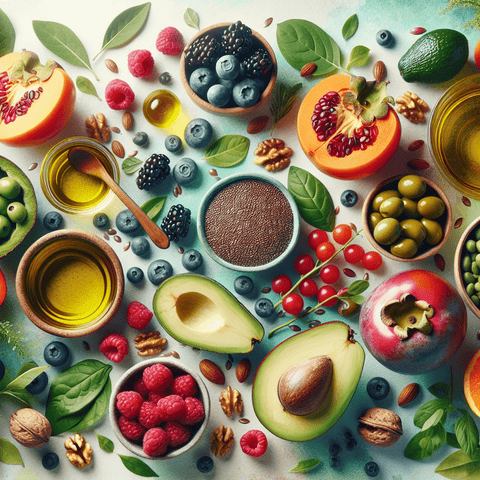
Natural omega-3 plant foods provide a valuable way to include essential fatty acids in your diet, especially for those following a plant-based or vegetarian lifestyle. This page serves as a comprehensive hub for understanding the different types of omega-3s, the best plant-based sources, and practical considerations for making them a regular part of your routine.
What Are Omega-3 Fatty Acids?
Omega-3 fatty acids are a family of polyunsaturated fats that are important for various bodily functions. The three main types are ALA, EPA, and DHA. ALA is primarily found in plant sources like flaxseeds and chia seeds. EPA and DHA, which are often associated with fish and marine oils, play different roles in the body, particularly regarding heart and brain health. While plants can provide ALA, the body's process for converting it into EPA and DHA is limited. This is a key factor when considering how to meet your omega-3 needs through a plant-based diet.
The Three Main Types: ALA, EPA, and DHA
Understanding the differences between these fatty acids is crucial for making informed dietary choices:
- ALA (Alpha-Linolenic Acid): This is the most common omega-3 in the plant world. Rich sources include flaxseeds, chia seeds, and walnuts.
- EPA (Eicosapentaenoic Acid): Found in marine sources and algae. The body can convert some ALA into EPA, though the process is inefficient.
- DHA (Docosahexaenoic Acid): Also found in marine sources and algae. DHA is particularly important for brain function, and similar to EPA, its direct plant sources are limited.
A Look at the Best Plant-Based Sources
Among the many plants that offer omega-3s, a few stand out as the most practical and concentrated sources. These foods can be easily incorporated into various meals and snacks.
Seeds, Nuts, and Beyond
- Flaxseeds: Often consumed ground to improve nutrient absorption, they can be stirred into oats, yogurt, or baked goods.
- Chia Seeds: These seeds easily absorb liquid, making them ideal for puddings, smoothies, or as an egg substitute in recipes.
- Walnuts: A convenient and snackable source, they can be added to salads, or simply eaten by the handful.
- Algae: This is a unique plant source because it can contain EPA and DHA directly. It is often available as oil or in supplement form.
Comparing Omega-3 Content in Plant Foods
To help you diversify your intake, it can be useful to compare the general omega-3 levels found in common plant foods.
- Flaxseeds: A concentrated source of ALA, often highlighted for their versatility in a plant-based diet.
- Chia Seeds: Similar to flaxseeds, they are an excellent source of ALA and offer a unique texture.
- Walnuts: Provide a moderate amount of ALA, making them a practical and tasty option for daily intake.
- Algae: A key non-fish source of pre-formed EPA and DHA, which can be important for those who do not consume marine oils.
Ways to Incorporate Them into Your Diet
Adding natural omega-3 plant foods to your daily meals does not have to be complicated. With a little creativity, you can easily improve your intake.
- Stir ground flaxseeds into your morning oatmeal or yogurt for a simple nutritional boost.
- Blend chia seeds into your favorite smoothie to add thickness and nourishment.
- Top salads, soups, or yogurt with a handful of chopped walnuts for added crunch.
- Explore algae-based toppings, seasonings, or snacks to introduce variety and potentially provide a direct source of EPA and DHA.
Considering Supplements and Further Exploration
While food sources are an excellent foundation, some may consider supplements to help meet their omega-3 needs. It is important to research any supplement and consult a healthcare provider before starting a new regimen. For a deeper look at omega-3 fatty acids, including DHA and EPA, you may find our DHA and EPA omega-3 supplements collection to be a helpful resource.
The world of fatty acids is broad. For a general perspective on fats and other nutrients, exploring our superfoods guide can provide further context on how omega-3s fit into a healthy diet.
Frequently Asked Questions
Here are some common questions that explore the specifics of omega-3s in a plant-based context.
What plant has all four omegas?
It is uncommon for a single plant to contain all four main types of omega fats (ALA, EPA, DHA, and the fourth, LA or linoleic acid which is an omega-6). Flaxseed, chia seeds, and walnuts are rich in ALA, while algae is a key source of EPA and DHA. A combination of these foods is the best way to achieve a broad spectrum of fatty acids.
Are 2 eggs enough omega-3?
Eggs can contribute to your omega-3 intake, especially if they come from hens fed a diet rich in omega-3s. However, they are not a primary plant source, and their amount is relatively small. Two eggs are unlikely to meet your entire daily requirement, and it is better to think of them as one part of a varied diet that includes plant sources like flax or chia.
Which plant is rich in omega-3?
Flaxseeds and chia seeds are among the richest plant-based sources of ALA omega-3. Walnuts are also a very good source. Algae is unique as it provides EPA and DHA, making it a standout option for plant-based omega-3s.
What food is highest in omega-3?
In the plant kingdom, flaxseeds and chia seeds generally have the highest concentration of ALA omega-3 per serving. If we consider all categories, fatty fish like salmon are known to be very high in EPA and DHA. For plant-based options, algae-derived supplements offer a high dose of EPA and DHA.