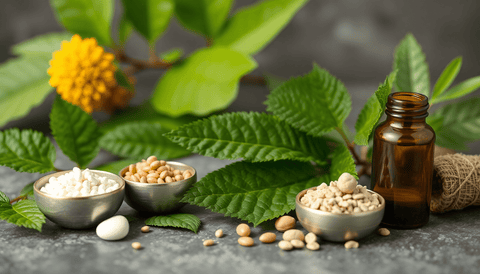
Natürliche Nahrungsergänzungsmittel gegen Müdigkeit: Steigern Sie Ihre Energie und wiederherstellen Sie Ihre Vitalität


Diese Seite behandelt natürliche Nahrungsergänzungsmittel gegen Müdigkeit mit einem neutralen, informationsorientierten Ansatz. Es hebt Inhaltsstoffe hervor, die in diesem Bereich häufig diskutiert werden, beschreibt, wie Dosierungen typischerweise auf Produktetiketten erscheinen, und gibt Sicherheitsüberlegungen, um den Lesern bei der Bewertung von Optionen zu helfen. Ziel ist es, sachliche, nicht werbende Informationen über natürliche Nahrungsergänzungsmittel bei Müdigkeit und worauf beim Recherchieren von Produkten zu achten ist, bereitzustellen. Gängige Inhaltsstoffe: Einige Inhaltsstoffe werden häufig in Diskussionen über natürliche Nahrungsergänzungsmittel gegen Müdigkeit genannt, wie Adaptogene wie Ashwagandha und Rhodiola rosea sowie Panax Ginseng. Weitere häufig in Formulierungen enthaltene Bestandteile sind B-Vitamine, CoQ10 und Aminosäuren wie L-Carnitin. Die Zusammensetzung variiert stark, und die Beweislage für jeden Inhaltsstoff ist unterschiedlich. Mögliche Wechselwirkungen mit Medikamenten, anderen Nahrungsergänzungsmitteln oder zugrunde liegenden Gesundheitszuständen können auftreten. Daher sollten Sie bei Bedenken einen Arzt konsultieren. Praktische Dosierungen: Bei Verbraucherprodukten werden Dosierungsbereiche oft auf dem Etikett angegeben. Zum Beispiel erscheint Ashwagandha häufig in Tagesdosen von etwa 300–600 mg, Rhodiola rosea 200–400 mg, und Panax Ginseng 200–400 mg, wobei die Formulierungen variieren können. CoQ10 wird häufig mit etwa 100–300 mg pro Tag aufgeführt, und L-Carnitin in einigen Mischungen kann zwischen 500–2000 mg täglich liegen. Die Menge an B-Vitaminen variiert je nach Typ; z.B. können B12-Ergänzungen etwa 500–1000 mcg pro Tag liefern. Folgen Sie stets dem Etikett des Produkts und beginnen Sie mit einer niedrigeren Dosis, um die Verträglichkeit zu prüfen, besonders wenn Sie andere Medikamente einnehmen oder gesundheitliche Probleme haben. Dosisanpassungen sollten durch einen Arzt erfolgen. Sicherheitstipps: Bei der Betrachtung natürlicher Nahrungsergänzungsmittel gegen Müdigkeit sollten Sicherheitsaspekte wie mögliche Wechselwirkungen mit verschreibungspflichtigen Medikamenten, aktuelle Gesundheitszustände und etwaige unerwünschte Reaktionen berücksichtigt werden. Überprüfen Sie Qualitätsmerkmale wie Unabhängige Tests und konforme Herstellungsverfahren. Achten Sie auf Angaben zu Allergenen und Füllstoffen. Vermeiden Sie die Einnahme während Schwangerschaft oder Stillzeit, es sei denn, ein Arzt hat dies empfohlen. Bewahren Sie Produkte an einem kühlen, trockenen Ort auf und überprüfen Sie das Haltbarkeitsdatum. Wenn Sie nach der Einnahme eines Supplements ungewöhnliche Symptome bemerken, stellen Sie die Nutzung ein und suchen Sie medizinischen Rat.


What Are Adaptogen Supplements? Top Natural Energy Boosters for Fatigue and Burnout - Topvitamine
August 16, 2025
Adaptogen-Präparate enthalten pflanzliche oder pilzbasierte Inhaltsstoffe, die traditionell zur Unterstützung der Stressanpassung verwendet werden. Dieser Ratgeber erklärt, was Adaptogene leisten können, warum kein Präparat für alle Menschen am wirksamsten ist und welche Unterschiede zwischen Ashwagandha und Rhodiola rosea bestehen. Außerdem erfahren Sie, worauf Sie bei der Produktauswahl achten sollten und wann vor der Einnahme ärztlicher Rat sinnvoll ist.

Many people experience fatigue that affects their daily energy and quality of life. When diet and lifestyle adjustments aren't enough, natural supplements for fatigue are often considered as a supportive measure. This guide provides a broad overview of the most commonly discussed ingredients, how they are used, and important factors to consider when evaluating them. It is intended as a starting point for understanding the topic and is not a substitute for professional medical advice.

What to Know About Natural Supplements for Fatigue

Natural supplements for fatigue aim to address underlying nutritional or physiological factors that can influence energy levels. They are not intended to be a replacement for sleep, a healthy diet, or medical treatment. Instead, they may help fill specific nutritional gaps or support the body's stress-response systems. The most effective approach is usually a combination of a balanced diet, regular physical activity, adequate sleep, and, if appropriate, targeted supplementation.

Common Nutrients for Energy Support

Several vitamins and minerals are central to the body's energy production pathways. A deficiency in any of these could potentially contribute to fatigue. Understanding their roles helps clarify why they are common ingredients in supplements for this purpose.

Here are some key nutrients to be aware of:

  • B vitamins: This group, especially B12, is essential for converting food into cellular energy. They are often included in energy-focused formulations.
  • Vitamin D: Often called the sunshine vitamin, it plays a role in muscle function and immune health. Low levels are common and have been associated with fatigue.
  • Iron: Iron is a critical component of hemoglobin, which carries oxygen in the blood. Iron deficiency is a well-known cause of tiredness and low energy.
  • Magnesium: This mineral is involved in hundreds of biochemical reactions, including those related to muscle and nerve function and energy production. For more information, you can explore our guide on magnesium and its benefits
  • CoQ10: Coenzyme Q10 is an antioxidant that plays a key role in producing energy within the mitochondria of cells.

These nutrients are often found in different types of natural supplements, including multivitamins and individual products.

Herbal Adaptogens and Other Botanicals

Herbal supplements offer a different approach. Adaptogens are a class of herbs believed to help the body resist and adapt to stress. Since mental and physical stress can deplete energy, these herbs are sometimes used to support stamina and resilience. This is in contrast to vitamins and minerals, which have more direct roles in metabolism.

Common botanicals discussed for this purpose include:

  • Ashwagandha: A popular adaptogenic herb that is traditionally used to help the body manage stress. It is widely available, and you can view ashwagandha supplements for different product options.
  • Rhodiola Rosea: Another adaptogen studied for its potential to help with stress-induced fatigue.
  • Panax Ginseng: A traditional herb often used to support general vitality and mental performance. Understanding the differences between adaptogens and other herbs is a key part of exploring herbal supplements safely.

These herbal options represent a more traditional path to energy support compared to essential nutrients.

Practical Dosages and How to Read Labels

There is no one-size-fits-all dosage for natural supplements. The recommended amount varies significantly between ingredients. It is always essential to read the supplement facts panel and follow the manufacturer's instructions.

On consumer products, dosage ranges are often described on the label. For example, ashwagandha commonly appears in daily total doses around 300–600 mg, rhodiola rosea 200–400 mg, and Panax ginseng 200–400 mg, though product formulations vary. CoQ10 is frequently listed around 100–300 mg per day, and L-carnitine in some blends may range from 500–2000 mg daily. B vitamin amounts differ by type; for example, B12 supplements may provide around 500–1000 mcg per day. Always follow the product’s label and consider starting with the lower end to gauge tolerance, especially if you are taking other medications or have health conditions. Dose adjustments should be guided by a healthcare professional.

Forms of Supplements

Supplements for fatigue come in various forms. Choosing the right one often comes down to personal preference, convenience, and how well the body absorbs a specific form.

  • Capsules and tablets: The most common and convenient form, offering precise dosages.
  • Powders: Often used for ingredients like magnesium or amino acids, which can be mixed into drinks.
  • Liquids or tinctures: Common for some herbal extracts and can be absorbed quickly.
  • Gummies: A popular option for vitamins like B12 and D, offering a more palatable way to take supplements.

Supplement Safety and Quality Considerations

Safety is a primary concern when considering any dietary supplement. Even natural products can have side effects or interact with medications. A cautious, informed approach helps minimize risks.

When considering natural supplements for fatigue, review safety factors such as potential interactions with prescription medications, current health conditions, and any history of adverse reactions. Check for quality indicators like third-party testing and compliant manufacturing practices. Pay attention to allergen information and fillers.

Avoid use during pregnancy or breastfeeding unless advised by a clinician. Store products in a cool, dry place and monitor expiration dates. If you experience unusual symptoms after starting a supplement, discontinue use and seek medical advice.

When to See a Doctor

Persistent or severe fatigue can be a symptom of an underlying medical condition, such as anemia, thyroid problems, or other health issues. Supplements for fatigue should not be used as a self-treatment for an undiagnosed condition. If your fatigue is chronic, unexpected, or interfering with your daily life, it is important to discuss your symptoms with a healthcare professional. They can perform tests to identify any deficiencies and recommend the most appropriate course of action.

Exploring the Topic Further

This guide covers the broad landscape of natural supplements for fatigue. Individual ingredients and specific health concerns have their own detailed considerations. To build a more complete picture, you may wish to explore more focused articles on specific nutrients like iron, vitamin B12, or herbal adaptogens. Each has a unique function and a different evidence base.

You can also browse our vitamin B collection or our vitamin D collection to find related products and additional information.

The information provided here is for educational purposes and is not intended as medical advice.