
Entdecken Sie eine natürliche Vitamin-D-Erhöhung durch sieben einfache Ansätze, die sich auf Sonne, Ernährung und Lebensgewohnheiten konzentrieren. Diese Seite lädt Sie ein, Ideen zu erkunden, die an der Schnittstelle von Saison, Tageslicht, täglichen Gewohnheiten und persönlichem Komfort liegen. Im Fokus steht eine natürliche Vitamin-D-Erhöhung, und die folgenden Hinweise sind so gestaltet, dass sie an verschiedene Routinen und Umgebungen angepasst werden können. Sonnenbasierte Ideen bilden das Fundament dieses Leitfadens: Suchen Sie nach Gelegenheiten für outdoor Aktivitäten, die den Hautkomfort respektieren, das direkte Sonnenlicht mit Schatten ausbalancieren und Kleidung sowie Zeitpunkt so wählen, dass sie zu Ihrem Tagesablauf passen. Diese sonnenzentrierten Schritte tragen zu einem umfassenderen Verständnis bei, wie eine natürliche Vitamin-D-Erhöhung in unterschiedliche Tageslichtmuster integriert werden kann. Ernährungsbezogene Überlegungen werden im Rahmen der natürlichen Vitamin-D-Erhöhung berücksichtigt, ohne konkrete Lebensmittel oder Behauptungen zu betonen. Der Fokus liegt auf einer neutralen, anpassungsfähigen Herangehensweise an Mahlzeiten und Kontexte, die oft im Zusammenhang mit Vitamin D diskutiert werden, ohne sich auf bestimmte Empfehlungen festzulegen. Lebensstil und Umwelt spielen eine zentrale Rolle: Richten Sie Rhythmen ein, die mit natürlichem Licht und täglicher Bewegung im Einklang stehen, entwickeln Sie Gewohnheiten, die zu Ihrer Umgebung passen, und gestalten Sie Routinen, die Konsistenz fördern. Beginnen Sie noch heute und erforschen Sie diese sieben Wege in Ihrem eigenen Tempo als Weg zu einer natürlichen Vitamin-D-Erhöhung.
Natürliches Vitamin-D-Plus: 7 einfache Wege, den Vitamin-D-Spiegel zu erhöhen
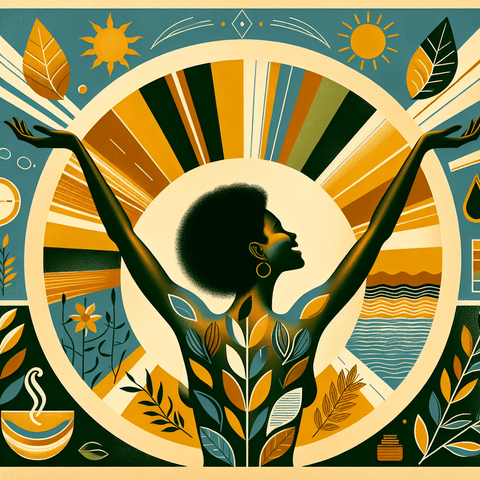
Vitamin D is a fat-soluble nutrient that supports the normal function of the immune system and contributes to the maintenance of normal bones and teeth. Unlike many other vitamins, the body can produce vitamin D itself when the skin is exposed to sunlight. This is why the idea of a natural vitamin D boost often centres on sunlight, food and everyday lifestyle habits rather than supplements alone.
This page is a topical hub for natural vitamin D boost themes. It provides a broad overview of how sunlight, diet, lifestyle and supplements relate to vitamin D, and it introduces the main questions and considerations people commonly explore. More specific topics are covered in the individual articles linked further down the page.
What Is Vitamin D and Why Does It Matter?
Vitamin D is a nutrient that behaves in some ways like a hormone. It is involved in the normal absorption and use of calcium and phosphorus, which are important for bone health. It also contributes to normal muscle function and the normal functioning of the immune system. Because of these roles, maintaining adequate vitamin D status is generally considered important for overall wellbeing.
The body can obtain vitamin D from three broad sources: synthesis in the skin from sunlight, dietary intake from certain foods, and supplements. A natural vitamin D boost typically refers to the first two routes. However, the amount produced in the skin varies considerably depending on factors such as season, latitude, time of day, skin tone, age and clothing.
Sunlight as a Natural Route to Vitamin D
Exposure to ultraviolet B (UVB) rays from the sun triggers vitamin D synthesis in the skin. This process is often described as the most natural way to support vitamin D levels. However, several factors influence how much vitamin D the skin can produce:
- Season and latitude — in many regions, UVB levels are lower during autumn and winter.
- Time of day — UVB is typically strongest around midday.
- Skin tone — darker skin contains more melanin, which reduces vitamin D synthesis.
- Age — older skin may produce vitamin D less efficiently.
- Clothing and sunscreen — these can reduce or block UVB exposure.
- Environment — cloud cover, shade and air pollution can also affect UVB levels.
Because these factors vary from person to person and season to season, there is no single recommendation for how much sun exposure is enough. A balanced approach that respects skin comfort and avoids burning is generally sensible.
Dietary Sources of Vitamin D
Food is another natural route to vitamin D, although relatively few foods contain it in significant amounts. The main dietary sources include:
- Oily fish such as salmon, mackerel, sardines and tuna.
- Egg yolks.
- Fortified foods, including certain dairy products, plant-based drinks and breakfast cereals.
- Some mushrooms exposed to UV light.
For people who follow vegetarian or vegan diets, fortified foods and supplements may be particularly relevant. Dietary intake alone can be challenging to rely on for optimal vitamin D status, which is one reason why sun exposure and supplements are also commonly discussed.
Lifestyle Habits That Support Vitamin D Naturally
Beyond sun and food, everyday habits can influence how easily you support your vitamin D levels. Spending time outdoors, particularly during daylight hours, is a simple starting point. Movement and outdoor activity can also contribute to overall wellbeing and may indirectly support a routine that includes sun exposure.
Other lifestyle factors that may be relevant include:
- Regular outdoor breaks during the day, especially in warmer months.
- Choosing to spend time in natural light where possible.
- Planning meals that include vitamin D-rich or fortified foods.
- Being mindful of seasonal changes and adjusting habits accordingly.
When Natural Approaches May Not Be Enough
For some people, natural approaches such as sun exposure and diet may not be sufficient to maintain vitamin D levels, particularly during winter months, for those with limited sun exposure, or for individuals with specific dietary patterns. In these cases, vitamin D supplements are widely available and may be discussed as an option.
Vitamin D supplements come in different forms, such as drops, capsules and tablets, and often in varying dosages. If you are considering a supplement, it is sensible to review the label, consider your personal circumstances and, where appropriate, seek guidance from a qualified healthcare professional. This is especially important if you take medications or have underlying health conditions.
You can explore our vitamin D benefits, sources and safety category for a range of vitamin D products and related information.
Important Considerations and Common Questions
Vitamin D is a topic surrounded by many questions. Some of the most common include how to raise vitamin D naturally, whether certain drinks are high in vitamin D, and whether vitamin D interacts with medications. These questions are best answered with reference to individual circumstances, and more specific guidance can be found in dedicated articles.
For example, the question of how to raise vitamin D naturally is broadly covered by the sections above, but individual needs vary. The question of whether a particular drink is high in vitamin D depends on whether it is fortified. The question of interactions with medications such as diltiazem is a specialist topic that should be discussed with a healthcare professional. This tag page provides context, while individual blog articles offer deeper dives.
If you are exploring vitamin D alongside other nutrients, you may also be interested in our calcium benefits for bone and muscle health category, as calcium and vitamin D are often discussed together in relation to bone health.
Exploring the Topic Further
This tag page is designed as a starting point for understanding natural vitamin D boost themes. Below, you will find a selection of articles that explore specific questions in more detail, such as dietary sources, lifestyle approaches, supplement considerations and interactions. Together, these resources form a broader picture of how vitamin D can be approached naturally and safely.
For those interested in general nutritional support, you can also browse our multivitamins guide covering ingredients, usage and safety category.