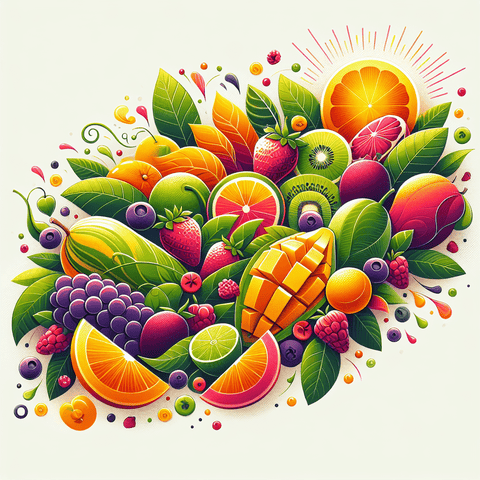
Zu den nährstoffreichsten Früchten zählen Beeren, Kiwi, Zitrusfrüchte, Papaya und Guave. Sie liefern im Verhältnis zu ihrem Kaloriengehalt besonders viele Vitamine, Mineralstoffe, Ballaststoffe und sekundäre Pflanzenstoffe. Nährstoffdichte beschreibt genau dieses Verhältnis von Nährstoffen zu Kalorien. Ganze Früchte sind dabei die beste Wahl – sie enthalten Ballaststoffe, die die Zuckeraufnahme verlangsamen und sättigen, während Saft und verarbeitete Snacks diese Vorteile oft verlieren. Die folgenden Abschnitte erklären, was eine Frucht nährstoffreich macht, welche Nährstoffe und Antioxidantien enthalten sind, welche Obstgruppen sich besonders auszeichnen und wie sich mehr Obst unkompliziert in den Alltag integrieren lässt.
Was macht eine Frucht nährstoffreich?
Nährstoffreiche Früchte liefern Vitamine, Mineralstoffe, Ballaststoffe und sekundäre Pflanzenstoffe in hoher Konzentration, ohne übermäßig viele Kalorien oder zugesetzten Zucker mitzubringen. Beeren, Kiwi, Zitrusfrüchte, Papaya und Guave gelten dabei als besonders nährstoffdicht. Entscheidend ist das Verhältnis: Wie viele wertvolle Nährstoffe stecken in einer Portion – und wie viele Kalorien bringt sie mit?
- Nährstoffdichte: Menge an Nährstoffen pro Kalorie
- Beispiele für hohe Nährstoffdichte: Beeren, Kiwi, Zitrusfrüchte, Papaya, Guave
- Vorteile ganzer Früchte gegenüber Saft und verarbeiteten Snacks
Nährstoffdichte verstehen
Die Nährstoffdichte beschreibt das Verhältnis von Nährstoffen zu Kalorien. Früchte wie Beeren, Kiwi, Zitrusfrüchte, Papaya und Guave werden besonders hoch eingestuft, weil sie pro Kalorie viel liefern. Zu den wichtigsten Nährstoffen dieser Früchte gehören Vitamin C, Kalium, Folsäure und antioxidative Polyphenole.
Warum ganze Früchte Saft und verarbeiteten Snacks überlegen sind
Ganze Früchte enthalten intakte Ballaststoffe, die die Zuckeraufnahme verlangsamen, sättigen und nützliche Darmbakterien ernähren. Fruchtsaft verliert dagegen auch ohne zugesetzten Zucker den Großteil seiner Ballaststoffe und kann zu schnelleren Blutzuckerspitzen führen. Verarbeitete Obstsnacks enthalten oft zugesetzte Süßungsmittel, Konservierungsstoffe und wenig echten Fruchtanteil.
Wichtige Nährstoffe und Antioxidantien in Früchten
Früchte sind eine der reichsten natürlichen Quellen für Antioxidantien und sekundäre Pflanzenstoffe. Diese Verbindungen können freie Radikale neutralisieren und oxidativen Stress reduzieren. Zu den wichtigsten Nährstoffen zählen Vitamin C, Carotinoide, Kalium, Folsäure und Ballaststoffe – jede Obstsorte bringt ein etwas anderes Profil mit.
- Vitamin C: Zitrusfrüchte, Kiwi, Erdbeeren, Guave – unterstützt Immunfunktion und Kollagensynthese
- Carotinoide: Mango, Papaya, Aprikosen – Vorstufen von Vitamin A für Sehkraft und Hautgesundheit
- Kalium: Bananen, Orangen, Cantaloupe – wichtig für Blutdruck und Muskelfunktion
- Folsäure: Zitrusfrüchte, Avocado – wichtig für Zellteilung und Bildung roter Blutkörperchen
- Ballaststoffe: Äpfel, Birnen, Beeren – unterstützen Verdauung und Darmgesundheit
Flavonoide, Polyphenole und Anthocyane
Beeren, Trauben, Äpfel und Zitrusfrüchte sind reich an Flavonoiden und Polyphenolen. Diese Verbindungen werden mit Herz-Kreislauf-Unterstützung, kognitiver Funktion und reduzierten Entzündungsmarkern in Verbindung gebracht. Anthocyane, die Blaubeeren und Brombeeren ihre tiefe Farbe verleihen, gehören zu den besonders starken Antioxidantien. Die Kombination dieser Stoffe in ganzen Früchten lässt sich mit isolierten Nahrungsergänzungsmitteln kaum nachbilden.
Die nährstoffreichsten Früchte im Überblick
Eine Gruppierung nach Nährstoffprofilen hilft, eine vielfältige Auswahl zu treffen und ein breites Spektrum an Vitaminen, Mineralstoffen und sekundären Pflanzenstoffen aufzunehmen. Alle Früchte bieten Nährwert – bestimmte Sorten zeichnen sich jedoch durch eine außergewöhnliche Nährstoffdichte aus.
- Beeren: Blaubeeren, Himbeeren, Erdbeeren, Brombeeren – reich an Anthocyanen, Ellagsäure und Vitamin C
- Zitrusfrüchte: Orangen, Grapefruit, Mandarinen, Zitronen – Vitamin C und Flavonoide
- Tropische Früchte: Mango, Papaya, Guave, Kiwi – Carotinoide, Vitamin C und Verdauungsenzyme
- Rote Früchte: Granatäpfel, rote Trauben, Kirschen, Wassermelone – Anthocyane und Nitrate
- Steinobst und Äpfel: Pfirsiche, Pflaumen, Aprikosen, Äpfel, Birnen – Ballaststoffe und Polyphenole
Beeren: Antioxidantien-Kraftpakete
Blaubeeren, Himbeeren, Erdbeeren und Brombeeren gehören zu den antioxidantienreichsten Lebensmitteln und liefern Anthocyane, Ellagsäure und Vitamin C. Beeren sind relativ zuckerarm und eignen sich für die meisten Ernährungsweisen. Ein regelmäßiger Verzehr wird mit verbesserter kognitiver Funktion, Herz-Kreislauf-Gesundheit und reduzierten oxidativen Stressmarkern in Verbindung gebracht.
Zitrusfrüchte: Vitamin-C- und Flavonoidquellen
Orangen, Grapefruit, Mandarinen und Zitronen liefern viel Vitamin C sowie Hesperidin und andere Flavonoide. Ganze Zitrusfrüchte bieten – im Gegensatz zu synthetischen Vitamin-C-Präparaten – Ballaststoffe, Kalium und Folsäure in einem natürlich ausgewogenen Paket. Das Vitamin C in Zitrusfrüchten unterstützt die Immunfunktion, die Kollagenproduktion und die Eisenaufnahme aus pflanzlichen Lebensmitteln.
Tropische Früchte: Carotinoide und Verdauungsenzyme
Mango, Papaya und Guave sind reich an Beta-Carotin, Vitamin C und Lycopin. Kiwi bietet eine außergewöhnliche Vitamin-C-Dichte sowie Actinidin, ein Enzym, das die Proteinverdauung unterstützen kann. Bananen liefern Kalium und resistente Stärke, besonders wenn sie leicht unreif sind.
Rote Früchte: Herz-Kreislauf- und Erholungsunterstützung
Granatäpfel, rote Trauben, Kirschen und Wassermelone enthalten Anthocyane und Nitrate, die einen gesunden Blutdruck und die sportliche Erholung unterstützen können. Wassermelone liefert L-Citrullin, das die Stickstoffmonoxid-Produktion und Durchblutung unterstützen kann. Kirschen wurden auf ihre Fähigkeit untersucht, trainingsbedingten Muskelkater zu reduzieren, und ihr natürlicher Melatoningehalt könnte die Schlafqualität unterstützen.
Steinobst und Äpfel: Ballaststoffreiche Optionen
Pfirsiche, Pflaumen, Aprikosen und Kirschen liefern Beta-Carotin, Vitamin C und Polyphenole. Äpfel und Birnen sind ausgezeichnete Quellen für Pektin, einen löslichen Ballaststoff, der Darmgesundheit und Cholesterinmanagement unterstützt. Diese Früchte sind vielseitig, gut transportierbar und ganzjährig verfügbar – ideale praktische Grundnahrungsmittel.
Gesundheitliche Vorteile einer obstreichen Ernährung
Eine obstreiche Ernährung wird mit besseren Gesundheitsergebnissen in mehreren Körpersystemen in Verbindung gebracht, wobei Ballaststoffe, Vitamine, Mineralstoffe und sekundäre Pflanzenstoffe zusammenwirken.
- Herz-Kreislauf- und Stoffwechselgesundheit: Kalium, lösliche Ballaststoffe, verbesserte Insulinsensitivität
- Darmgesundheit und Mikrobiom: Präbiotische Ballaststoffe und Polyphenole
- Immunfunktion und Zellschutz: Vitamin C, Vitamin E, Zink, Selen und Antioxidantien
Herz-Kreislauf- und Stoffwechselgesundheit
Das Kalium in Früchten hilft, Natrium auszugleichen und einen gesunden Blutdruck zu unterstützen. Lösliche Ballaststoffe können Cholesterin im Verdauungstrakt binden und gesunde Lipidprofile unterstützen. Beeren und Zitrusfrüchte werden mit verbesserter Insulinsensitivität und besserem Gewichtsmanagement in Verbindung gebracht; Beobachtungsstudien assoziieren eine höhere Obstzufuhr mit einem reduzierten Risiko für Herz-Kreislauf-Erkrankungen.
Darmgesundheit und das Mikrobiom
Fruchtballaststoffe und Polyphenole dienen als Präbiotika – sie sind Nahrung für nützliche Darmbakterien. Eine vielfältige Darmflora wird zunehmend mit verbesserter Verdauung, Immunregulation und sogar Stimmung assoziiert. Äpfel (reich an Pektin), Bananen (mit resistenter Stärke, wenn leicht unreif) und Beeren (voll mit Polyphenolen) unterstützen ein gesundes Darmmilieu besonders.
Immunfunktion und Zellschutz
Vitamin C, Vitamin E, Zink und Selen spielen unterstützende Rollen bei der Immunzellfunktion. Das antioxidative Netzwerk aus Polyphenolen hilft, freie Radikale zu neutralisieren, die Immunzellen schädigen und die Zellalterung beschleunigen können. Obst kann die Immunität nicht über Nacht steigern, schafft aber ein günstiges inneres Umfeld für Immunresilienz.
Praktische Überlegungen bei der Obstauswahl
Viele Menschen erreichen die empfohlene Obstzufuhr nicht. Wer Barrieren wie Kosten, Verfügbarkeit, Bequemlichkeit oder Verdauungsempfindlichkeiten kennt, kann nachhaltige Strategien entwickeln.
- Kosten und Verfügbarkeit: Tiefkühlobst, Konserven in Wasser oder natürlichem Saft, saisonale regionale Produkte
- Bequemlichkeit und Lagerung: sichtbare Obstschale, vorbereitete Beerenportionen, länger haltbare Sorten
- Verdauungsempfindlichkeiten: FODMAP-reiche Früchte wie Steinobst, Äpfel und Wassermelone; niedrig-FODMAP-Optionen wie Bananen, Blaubeeren, Erdbeeren und Kiwi
Kosten, Verfügbarkeit und Saison
Frisches Obst kann teuer sein, besonders außerhalb der Saison oder in Gebieten mit begrenztem Lebensmittelzugang. Tiefkühlobst ist eine kostengünstige, nährstofflich vergleichbare Alternative, da es typischerweise auf dem Höhepunkt der Reife geerntet und schockgefroren wird. In Wasser oder natürlichem Saft eingelegte Konserven bieten ebenfalls erschwingliche Optionen, und saisonale lokale Produkte können Kosten senken und die Frische verbessern.
Bequemlichkeit und Lagerung
Hektische Zeitpläne und kurze Haltbarkeit können den Obstkonsum behindern. Einfache Lösungen: eine sichtbare Obstschale in der Küche, vorgewaschene und portionierte Beeren sowie länger haltbare Sorten wie Äpfel und Zitrusfrüchte. Tiefkühlobst hält für Smoothies und Kochen jederzeit eine nährstoffreiche Option bereit.
Verdauungsempfindlichkeiten und FODMAPs
Manche Menschen verspüren nach bestimmten Früchten Blähungen oder Beschwerden. Ursache können fermentierbare Oligosaccharide, Disaccharide, Monosaccharide und Polyole (FODMAPs) sein. Steinobst, Äpfel und Wassermelone enthalten höhere Mengen dieser fermentierbaren Zucker. Menschen mit Reizdarmsyndrom vertragen niedrig-FODMAP-Früchte wie Bananen, Blaubeeren, Erdbeeren und Kiwi möglicherweise besser, ohne Obst vollständig zu eliminieren.
Nahrungsergänzungsmittel und Nährstofflücken
Für die meisten gesunden Erwachsenen liefern ganze Früchte bei regelmäßigem Verzehr ausreichend Mikronährstoffe. Bestimmte Situationen können jedoch eine gezielte Ergänzung rechtfertigen – etwa bei älteren Erwachsenen mit reduziertem Appetit, eingeschränkten Ernährungsweisen, Malabsorptionszuständen oder einer unzureichenden Obst- und Gemüsezufuhr.
- Wann Ergänzungen sinnvoll sein können: ältere Erwachsene mit reduziertem Appetit, eingeschränkte Ernährungsweisen, Malabsorptionszustände, unzureichende Obst- und Gemüsezufuhr
- Arten fruchtbasierter Präparate: Vollwertpulver, isolierte Verbindungen wie Vitamin C, Quercetin, Resveratrol
- Sicherheitsaspekte: ärztliche Konsultation, Wechselwirkungen, unabhängige Tests, transparente Kennzeichnung
Arten fruchtbasierter Nahrungsergänzungsmittel
Fruchtbasierte Präparate reichen von Vollwertpulvern (dehydrierten Fruchtkonzentraten) bis zu isolierten Verbindungen wie Vitamin C, Quercetin oder Resveratrol. Vollwertpräparate erhalten mehr von der natürlichen Fruchtmatrix, einschließlich Ballaststoffkomponenten und sekundärer Pflanzenstoffe. Isolierte Verbindungen werden oft in höheren Dosen für gezielte Wirkungen eingesetzt. Keiner der beiden Ansätze ersetzt eine gesunde Ernährung.
Vitamin C zählt zu den gut erforschten Optionen für Immun- und Antioxidantienunterstützung; entsprechende Vitamin-C-Präparate sind in verschiedenen Formen erhältlich. Breitere Antioxidantien-Präparate können als Ergänzung zu einer obstreichen Ernährung dienen.
Sicherheits- und Qualitätsaspekte
Vor der Einnahme konzentrierter Präparate sollte – besonders bei chronischen Erkrankungen oder Medikamenteneinnahme – ein Arzt konsultiert werden. Grapefruit beeinträchtigt Leberenzyme, die viele verschreibungspflichtige Medikamente verstoffwechseln, und hohe Dosen bestimmter konzentrierter Extrakte können den Blutzucker beeinflussen oder mit Antikoagulanzien interagieren. Empfehlenswert sind Präparate, die unabhängig getestet, transparent gekennzeichnet und frei von übermäßigem zugesetztem Zucker sind. Nahrungsergänzungsmittel sind Ergänzungen und kein Ersatz für eine vielfältige Vollwert-Ernährung.
Praktische Tipps zur Steigerung der Obstzufuhr
Mehr Obst in den Alltag zu integrieren, erfordert keine komplizierte Zubereitung. Kleine, konsequente Veränderungen können die Nährstoffzufuhr im Laufe der Zeit deutlich verbessern.
- Beeren oder Bananenscheiben zu Haferbrei, Joghurt oder Müsli hinzufügen
- Eine sichtbare Obstschale auf der Arbeitsfläche bereithalten
- Obst mit Protein oder gesundem Fett kombinieren – Apfel mit Mandelbutter, Beeren mit griechischem Joghurt
- Obst als Dessertersatz wählen, wenn Zuckergelüste auftreten
- Gehacktes Obst zu Salaten, Salsas und Getreideschalen hinzufügen
Einfache Umstellungen und tägliche Gewohnheiten
Beeren oder Bananenscheiben zum Haferbrei, Joghurt oder Müsli geben, eine sichtbare Obstschale bereithalten, Obst mit Protein oder gesundem Fett kombinieren, Obst als Dessertersatz wählen und gehacktes Obst zu Salaten, Salsas und Getreideschalen hinzufügen – das sind einfache Gewohnheiten, die sich leicht in den Alltag einfügen lassen.
Portionen und glykämische Last verstehen
Die meisten Ernährungsrichtlinien empfehlen mindestens zwei Portionen Obst täglich. Eine Portion entspricht etwa einem mittelgroßen Obststück, einer Tasse Beeren oder gehacktem Obst oder einem kleinen Glas 100 % Saft – wobei ganze Früchte vorzuziehen sind. Ganze Früchte haben nicht die gleichen Stoffwechselrisiken wie zugesetzter Zucker, da ihre Ballaststoffe und ihr Wassergehalt die Verdauung verlangsamen. Trockenfrüchte und sehr süße tropische Früchte wie Mango und Litschi haben höhere Zuckerkonzentrationen pro Portion und lassen sich mit Protein oder Fett kombinieren, um die Glukosereaktion zu moderieren.
Frisch, tiefgekühlt oder in Dosen: Kluge Entscheidungen
Tiefkühlfrüchte werden typischerweise auf dem Höhepunkt der Reife geerntet und schockgefroren, wodurch ihr Nährwert erhalten bleibt; in einigen Fällen enthalten tiefgekühlte Beeren mehr Vitamin C als frische Beeren, die tagelang gelagert wurden. Konserven können hilfreich sein, doch sollten Optionen in Wasser oder Fruchtsaft statt in schwerem Sirup gewählt werden. Trockenfrüchte sind nährstoffdicht, aber auch kaloriendicht, sodass moderate Portionen entscheidend sind. Eine Kombination aus frischen, tiefgekühlten und richtig ausgewählten Konserven gewährleistet ganzjährige Vielfalt und Erschwinglichkeit.
Ein nachhaltiges obstreiches Ernährungsmuster aufbauen
Ein nachhaltiger Ansatz zur Obstzufuhr betont Vielfalt an Farben und Jahreszeiten. Verschiedene Pigmente repräsentieren unterschiedliche Familien sekundärer Pflanzenstoffe. Saisonales Essen kann Frische und besseren Geschmack bieten, während moderne Transportwege ganzjährigen Zugang zu vielen Früchten ermöglichen. Das Ziel ist keine Perfektion, sondern ganze Früchte konsequent als regelmäßigen Bestandteil von Mahlzeiten und Snacks zu wählen.
- Rote Früchte: Lycopin
- Orange Früchte: Beta-Carotin
- Lila Früchte: Anthocyane
- Grüne Früchte: Chlorophyll und Vitamin K
Vollwertkost und Nahrungsergänzung im Gleichgewicht
Ganze Früchte bleiben der Goldstandard für die Nährstoffversorgung, da ihre komplexe Synergie aus Ballaststoffen, Vitaminen, Mineralstoffen und sekundären Pflanzenstoffen nicht vollständig durch Präparate nachgeahmt werden kann. Für Menschen mit spezifischen Nährstofflücken oder erhöhtem Bedarf können gezielte Präparate praktische Unterstützung bieten – sie sollten jedoch immer als Ergänzung und nicht als Ersatz für eine vielfältige Vollwert-Ernährung betrachtet werden. Gut konzipierte natürliche Nahrungsergänzungsmittel von Topvitamine können eine obstreiche Ernährung sinnvoll ergänzen.
Anzeichen, dass deine Ernährung mehr fruchtbasierte Nährstoffe benötigt
Eine niedrige Obstzufuhr verursacht nicht immer sofortige Symptome, kann aber im Laufe der Zeit zu suboptimaler Gesundheit beitragen. Mögliche Anzeichen sind Müdigkeit, schlechte Erholung nach dem Training, Verdauungsunregelmäßigkeiten und häufige leichte Erkrankungen. Diese Symptome haben viele mögliche Ursachen – einschließlich Schlafmangel, Stress oder Grunderkrankungen. Die Überprüfung des gesamten Ernährungsmusters und die Konsultation eines Arztes sind der produktivste Ansatz. Bei Verdacht auf einen echten Mikronährstoffmangel können Bluttests objektive Daten liefern, besonders für Eisen, Vitamin D und B-Vitamine; ein Arzt sollte bei der Interpretation helfen.