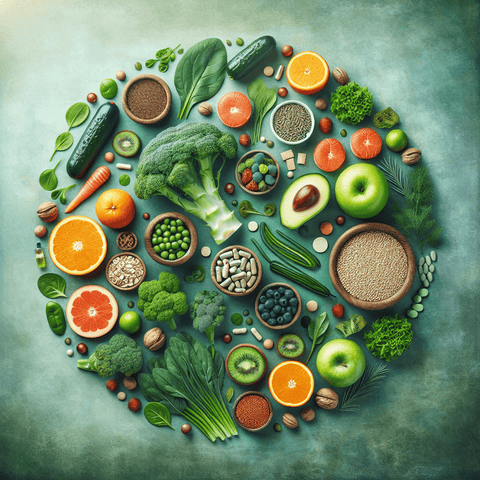
Ein gesunder Snack ist vor allem nährstoffdicht: Er liefert viele wertvolle Nährstoffe pro Kalorie und kombiniert Eiweiß, gesunde Fette und Ballaststoffe. Den einen „gesündesten“ Snack gibt es jedoch nicht – die passende Wahl hängt von individuellem Bedarf, Tagesablauf und der restlichen Ernährung ab.
Was macht einen Snack wirklich gesund?
Ob ein Snack gesund ist, entscheidet sich nicht allein an den Kalorien, sondern an der Nährstoffdichte. Sie beschreibt, wie viele wertvolle Nährstoffe – Vitamine, Mineralstoffe, Ballaststoffe, Eiweiß und gesunde Fette – im Verhältnis zu den Kalorien enthalten sind. Ein Snack mit hoher Nährstoffdichte sättigt länger und versorgt den Körper mit mehr, als ein kalorienreiches, aber nährstoffarmes Produkt es kann.
Gute Snacks bauen auf vier Bausteinen auf:
- Eiweiß: unterstützt den Muskelerhalt und fördert das Sättigungsgefühl
- Gesunde Fette: aus Nüssen, Samen und Avocado, verlangsamen die Verdauung
- Ballaststoffe: aus Obst, Gemüse und Vollkorn, fördern die Darmgesundheit
- Mikronährstoffe: Vitamine und Mineralstoffe für vielfältige Körperfunktionen
Jeder Baustein erfüllt eine eigene Aufgabe. Eiweiß trägt zum Erhalt der Muskulatur bei und hält länger satt. Gesunde Fette verlangsamen die Verdauung und sorgen für einen gleichmäßigeren Energieverlauf. Ballaststoffe unterstützen die Darmgesundheit und können dazu beitragen, den Blutzucker zu stabilisieren. Mikronährstoffe wie Vitamin A, C, D und E, B-Vitamine, Magnesium und Zink sind an zahlreichen Körperfunktionen beteiligt.
Stark verarbeitete Produkte mit viel Zucker, Salz und raffiniertem Mehl sind dagegen ungünstig: Sie liefern schnell verfügbare Energie, aber nur wenige Nährstoffe – und lassen den Hunger oft rasch wieder zurückkehren.
Warum kluges Snacken für das Wohlbefinden wichtig ist
Kluges Snacken ist mehr als reine Hungerbekämpfung. Es kann als Strategie für stabile Energie, bessere Konzentration und eine ausgewogene Appetitkontrolle dienen. Kombinieren Snacks Eiweiß, Fett und Ballaststoffe, wird Zucker langsamer ins Blut aufgenommen – das kann die typischen Energieabstürze nach stark verarbeiteten Kohlenhydraten abmildern. Zu lange Essenspausen führen dagegen oft zu stärkerem Hunger und erschweren die Portionskontrolle bei der nächsten Hauptmahlzeit.
Stabile Energie und Konzentration fördern
Die Kombination aus Eiweiß, Fett und Ballaststoffen macht den Energieverlauf gleichmäßiger und kann mentale Klarheit sowie anhaltende Konzentration unterstützen. Auch B-Vitamine und Magnesium sind an der Umwandlung von Nahrung in Energie beteiligt – sie tragen zum normalen Energiestoffwechsel bei.
Übermäßiges Essen bei Hauptmahlzeiten vermeiden
Wer zu lange nichts isst, isst bei der nächsten Hauptmahlzeit häufig schneller und mehr. Ein bewusster Snack überbrückt diese Lücke und hilft dabei, besser auf die körpereigenen Sättigungssignale zu hören.
Wichtige Nährstoffe für deine Snacks
Nährstoffdichte Snacks sind besonders wertvoll, wenn sie verschiedene Nährstoffe miteinander verbinden. Zu den wichtigsten gehören Ballaststoffe, Eiweiß, Omega-3-Fettsäuren, Vitamine, Mineralstoffe und Antioxidantien.
- Ballaststoffe: unterstützen die Darmgesundheit und die Sättigung
- Eiweiß: wichtig für den Muskelerhalt und das Sättigungsgefühl
- Omega-3-Fettsäuren: aus Walnüssen, Chiasamen und Leinsamen
- Vitamine und Mineralstoffe: etwa Vitamin C, Vitamin E und Magnesium
- Antioxidantien: können Zellen vor oxidativem Stress schützen
Viele Nährstoffe lassen sich konkreten Lebensmitteln zuordnen: Vitamin C steckt in Beeren, Vitamin E in Nüssen, Magnesium in Samen. Omega-3-Fettsäuren aus Walnüssen, Chiasamen und Leinsamen sind ein wertvoller Bestandteil kluger Snack-Kombinationen. Antioxidantien wiederum können dazu beitragen, Zellen vor oxidativem Stress zu schützen.
Bessere Snacks bauen: Praktische Strategien
Gesundes Snacken gelingt im Alltag leichter, wenn es bewusst geplant wird. Wer verschiedene Lebensmittelgruppen kombiniert, verbessert die Sättigung. Ebenso wichtig ist die Vorbereitung: Gemüse waschen und schneiden, Nüsse portionieren, Eier vorkochen. Und schließlich hilft achtsames Essen – langsames Kauen und weniger Ablenkung – dabei, Sättigungssignale besser wahrzunehmen.
Kluge Kombinationen für langes Sättigungsgefühl
Kohlenhydrate in Kombination mit Eiweiß oder gesunden Fetten verlangsamen die Verdauung und können das Sättigungsgefühl verlängern. Bewährte Beispiele sind Apfelschnitze mit Mandelmus oder Gemüsesticks mit Hummus.
Die Bedeutung der Batch-Vorbereitung
Eine wöchentliche Vorbereitung erleichtert gesundes Snacken erheblich. Vorbereitete Snacks machen die gesunde Wahl zur bequemsten Option – und genau das entscheidet oft, ob man im Alltag wirklich zu Obst, Gemüse und Nüssen greift.
Achtsames Essen praktizieren
Langsames Essen, gründliches Kauen und das Vermeiden von Ablenkungen können die Wahrnehmung der Sättigungssignale verbessern. So lässt sich rechtzeitig erkennen, wann genug gegessen wurde.
Snack-Ideen für jeden Anlass
Es gibt nicht den einen „gesündesten“ Snack. Die passende Wahl hängt vom individuellen Bedarf, dem Tagesablauf und der restlichen Ernährung ab. Eine Auswahl nährstoffdichter Optionen:
- Griechischer Joghurt mit Beeren
- Apfelschnitze mit Mandelmus
- Hummus mit Gemüsesticks
- Geröstete Kichererbsen
- Eine kleine Handvoll Nüsse und Samen
Snack-Ideen lassen sich gut nach Anlass ordnen: süß, herzhaft, gesund für unterwegs und für die Party. Für die Portionskontrolle hilft es, Snacks vorab zu portionieren; bei verpackten Snackriegeln lohnt sich ein Blick auf die Zutatenliste. Snacks mit Eiweiß, Ballaststoffen und gesunden Fetten können zudem dazu beitragen, Heißhunger auf Süßes zu reduzieren.
Süße Snack-Ideen
Süße, aber nährstoffdichte Snack-Ideen wie Griechischer Joghurt mit Beeren oder Apfelschnitze mit Mandelmus vereinen Eiweiß, Ballaststoffe und gesunde Fette in einer Kombination, die länger satt hält.
Herzhafte Snack-Ideen
Herzhafte Optionen wie Hummus mit Gemüsesticks oder geröstete Kichererbsen sättigen gut und sind zugleich nährstoffdicht – eine praktische Alternative zu salzigen Knabbereien.
Gesunde Snacks für unterwegs und die Party
Für unterwegs eignen sich vor allem portionierte Nüsse und Samen, die sich gut transportieren lassen. Für die Party lassen sich gesunde Snack-Ideen vorbereiten, die ansprechend aussehen und trotzdem nährstoffreich sind – etwa Gemüsesticks mit Dip, geröstete Kichererbsen oder kleine Joghurt-Becher mit Beeren. Eine allgemeine Frage in der Schwangerschaft lässt sich nur pauschal beantworten; Schwangere sollten bei Unsicherheiten professionellen Rat einholen.
Wann können Nahrungsergänzungsmittel relevant sein?
Eine ausgewogene Ernährung bildet die Grundlage für eine gute Nährstoffversorgung. Nahrungsergänzungsmittel können in bestimmten Situationen unterstützend wirken, ersetzen aber niemals eine ausgewogene Ernährung und sollten nicht zur Behandlung oder Vorbeugung von Krankheiten eingesetzt werden.
- Restriktive Ernährungsweisen wie vegane oder sehr kalorienarme Kost
- Höheres Alter mit möglicherweise erhöhtem Bedarf an Vitamin D und Kalzium
- Intensives Training mit erhöhtem Bedarf an Eiweiß und Elektrolyten
- Erkrankungen, die die Nährstoffaufnahme beeinflussen können
Situationen mit erhöhtem Nährstoffbedarf
Der Nährstoffbedarf kann je nach Alter, Lebensstil und Gesundheitszustand variieren. Die genannten Gruppen können einen erhöhten Bedarf haben – die individuellen Unterschiede sind jedoch groß, und eine pauschale Empfehlung ist nicht möglich.
Qualität und Auswahl von Nahrungsergänzungsmitteln
Bei der Auswahl hochwertiger Produkte lohnt sich ein Blick auf Drittanbieter-Tests, transparente Mengenangaben und die Nährstoffform. Die Form kann die Verträglichkeit beeinflussen – Magnesiumglycinat gilt beispielsweise oft als magenfreundlicher als Magnesiumoxid. Für Mineralstoffe wie Magnesium und Zink bietet der Ratgeber zu Mineralstoff-Präparaten eine vertiefende Orientierung.
Wichtige Überlegungen bei der Auswahl von Nahrungsergänzungsmitteln
Die Auswahl eines Ergänzungsmittels sollte ein bewusster Prozess sein, der mit der Bewertung der eigenen Ernährungsbasis beginnt. Sinnvoll ist es, die eigene Ernährung einige Tage zu protokollieren und mögliche Lücken zu identifizieren. Beim Etikettenlesen sind Portionsgröße, Menge der Wirkstoffe, Format und mögliche Allergene entscheidend.
Die eigene Ernährungsbasis bewerten
Ein Ernährungstagebuch über einige Tage kann helfen, mögliche Lücken zu erkennen. Viele davon – etwa bei Ballaststoffen oder Eiweiß – lassen sich über Lebensmittel schließen. Vollwertige Lebensmittel sollten immer der erste Schritt sein.
Etiketten lesen und Nährstoffformen verstehen
Beim Etikettenlesen sind Portionsgröße und die Menge der enthaltenen Wirkstoffe entscheidend. Vorsicht ist bei proprietären Mischungen angebracht, die ihre Mengen nicht offenlegen. Auch das Format – etwa Kapsel, Tablette, Pulver oder Liquid – sowie mögliche Allergene sollten berücksichtigt werden.
Sicherheit und professionelle Beratung
Nahrungsergänzungsmittel können mit Medikamenten wechselwirken. Schwangere, Stillende und Menschen mit chronischen Erkrankungen sollten vor der Einnahme professionellen Rat einholen. Bei anhaltenden oder besorgniserregenden Symptomen sind medizinische Beratung und gegebenenfalls eine Blutuntersuchung sinnvoller als Selbstdiagnose.
Häufige Fragen zu gesunden Snacks
Welcher Snack ist der gesündeste? Einen einzelnen „gesündesten“ Snack gibt es nicht – die passende Wahl hängt von individuellem Bedarf, Tagesablauf und der restlichen Ernährung ab. In der Regel kombinieren die gesündesten Snacks Eiweiß, Ballaststoffe und gesunde Fette.
Was gehört alles zu Snacks? Das Spektrum reicht von süßen über herzhafte bis zu gesunden Optionen für unterwegs und die Party. Snacks mit Eiweiß, Ballaststoffen und gesunden Fetten können dazu beitragen, Heißhunger auf Süßes zu reduzieren. Nahrungsergänzungsmittel ersetzen dabei keine vollwertigen Lebensmittel.