
Hier liegt der Fokus auf den Ernährungquellen für Omega-3-Mangel, mit einem klaren Blick auf Optionen, die Sie in Betracht ziehen können. Die Liste umfasst Lachs, Sardinen, Leinsamen, Chia, Walnüsse und Algen, die in einem praktischen, alltäglichen Kontext präsentiert werden. Das Ziel ist es, zugängliche Optionen zu identifizieren und zu zeigen, wie sie in eine regelmäßige Routine integriert werden können, ohne den Inhalt in Gesundheitsbehauptungen oder Empfehlungen zu verwandeln. Praktische Tipps, die Sie noch heute umsetzen können, beginnen mit einfacher Planung. Erstellen Sie eine kurze, flexible Einkaufsliste, die ein oder zwei Optionen aus der Liste sowie eine Mischung verschiedener Formen (frisch, in Dosen, getrocknet oder pulverisiert) für unterschiedliche Gelegenheiten enthält. Halten Sie vielseitige Grundnahrungsmittel bereit, und überlegen Sie, wie Sie zwischen den Komponenten rotieren können, um Abwechslung zu gewährleisten. Lagerungs- und Zubereitungsideen – wie das Aufbewahren von Samen an einem kühlen, trockenen Ort oder das Bereitstellen von bereits portionsierten Zutaten für eine schnelle Zubereitung – können Ihnen helfen, diese Omega-3-Quellen leichter in Ihren Alltag zu integrieren. Möglichkeiten, diese Quellen in tägliche Mahlzeiten und Snacks einzubauen, sind flexibel und einfach. Zum Beispiel könnten Sie eine Portion Lachs oder Sardinen zu Ihren Mahlzeiten hinzufügen, Leinsamen oder Chia in Backwaren oder Getränke streuen oder Walnüsse als Topping oder Knusperbeigabe verwenden. Algenbasierte Produkte können als Ergänzung zu Saucen oder anderen Würzmitteln erkundet werden. Der Schwerpunkt liegt auf praktischer Umsetzung und Vielfalt, sodass Sie mehrere Wege haben, die aufgelisteten Ernährungquellen einzubauen. Diese Seite konzentriert sich auf Ernährungquellen für Omega-3-Mangel und praktische Tipps, die Sie noch heute umsetzen können. Wenn Sie spezielle Ernährungsbedürfnisse, Vorlieben oder Einschränkungen haben, sollten Sie einen Fachmann für eine persönliche Beratung konsultieren.
Omega-3-Mangel: Top-Lebensmittelquellen zur Steigerung Ihrer Werte
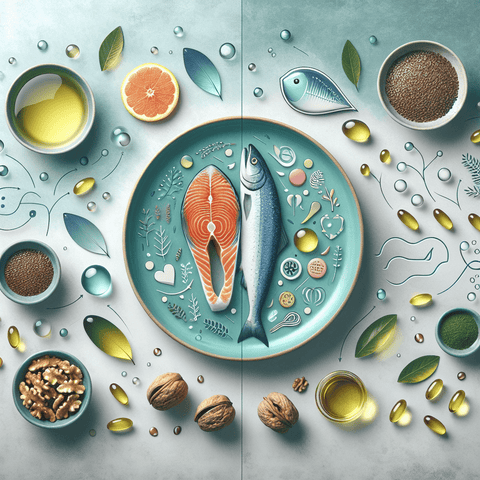
Omega-3 fatty acids are essential nutrients that play a key role in maintaining overall health. This guide provides a broad overview of omega-3 deficiency and the dietary sources that can help address it. You will find information on the different types of omega-3, the best foods to consider, and practical tips for incorporating them into your daily routine. This page is designed to be a starting point for understanding the topic and exploring the various subtopics related to omega-3 nutrition.
What Is Omega-3 Deficiency?
Omega-3 deficiency occurs when your body does not get enough of these essential fatty acids from your diet. Since the body cannot produce omega-3 on its own, it relies entirely on external sources. A deficiency can develop over time if your regular eating habits lack foods rich in omega-3s. While this page focuses on dietary sources, it is useful to understand that omega-3s are not a single compound but a family of fats, each with its own role and food sources.
The three main types of omega-3 are ALA (alpha-linolenic acid), EPA (eicosapentaenoic acid), and DHA (docosahexaenoic acid). ALA is primarily found in plant sources, while EPA and DHA are predominantly found in marine sources like fish and algae. The body can convert some ALA into EPA and DHA, but this process is not very efficient. This is why it is often recommended to include a variety of sources in your diet to cover all types of omega-3.
Top Dietary Sources of Omega-3
There is a wide range of foods that can help you meet your omega-3 needs. These sources can be broadly divided into two categories: marine sources, which provide EPA and DHA directly, and plant sources, which provide ALA. Choosing a mix of both can help ensure you get a good balance of these important nutrients.
Marine Sources (EPA & DHA)
Fatty fish are among the most concentrated and well-known sources of omega-3. They provide the long-chain forms, EPA and DHA, which are readily used by the body. Including a portion of these fish in your weekly meals can significantly contribute to your omega-3 intake.
- Salmon: A versatile fish that can be baked, grilled, or added to salads and pasta dishes.
- Sardines: Small, nutrient-dense fish that are often available canned, making them a convenient pantry staple.
- Mackerel: A rich, flavorful fish that is another excellent source of EPA and DHA.
- Anchovies: Often used in sauces and dressings, these small fish provide a concentrated source of omega-3.
Plant Sources (ALA)
For those who prefer plant-based options or want to diversify their intake, several seeds and nuts are rich in ALA. While the conversion to EPA and DHA is limited, these foods still contribute valuable omega-3s and offer additional nutritional benefits like fiber and antioxidants.
- Flaxseeds: Available as whole seeds, ground meal, or oil, and can be easily added to smoothies, oatmeal, or baked goods.
- Chia Seeds: These absorb liquid and form a gel, making them great for puddings, jams, or as an egg substitute in baking.
- Walnuts: A convenient snack that can also be chopped and used as a topping for salads, yogurt, or cereals.
- Hemp Seeds: These have a mild, nutty flavor and can be sprinkled over almost any dish for a nutritional boost.
Algae-Based Sources
Algae is a unique source because it provides DHA directly, making it an important option for vegetarians and vegans. Algae-based oils and supplements are available and can be used as a direct alternative to fish oil. Some algae products are also sold as food ingredients, such as algae oil for cooking or as an addition to sauces and dressings.
Practical Tips for Increasing Omega-3 Intake
Incorporating more omega-3 into your diet does not require a complete overhaul of your eating habits. Simple planning and a few practical strategies can make it easier to consistently include these beneficial foods. The goal is to find options that fit your lifestyle and preferences.
- Build a flexible shopping list: Include a mix of fresh, canned, dried, and powdered forms to suit different occasions and meal types.
- Keep versatile staples on hand: Items like canned sardines, ground flaxseed, and walnuts can be stored easily and used in a variety of ways.
- Rotate your sources: Alternating between fish, seeds, and nuts can keep your meals varied and help you cover different types of omega-3.
- Store seeds properly: Keep seeds in a cool, dry place, or refrigerate them to maintain freshness and prevent them from going rancid.
Ways to Incorporate Omega-3 Foods into Meals
Adding omega-3 sources to your daily meals can be simple and flexible. The key is to find easy ways to include them without complicating your cooking routine. Here are some straightforward ideas for incorporating these foods into your day.
- Add a portion of salmon or sardines to your lunches or dinners a couple of times per week.
- Sprinkle ground flaxseed or chia seeds into smoothies, yogurt, oatmeal, or baked goods like muffins and pancakes.
- Use chopped walnuts as a topping for salads, roasted vegetables, or as a crunchy addition to desserts.
- Explore algae-based products as an addition to sauces, dressings, or smoothies for a plant-based DHA boost.
Understanding Omega-3 Supplements
While food sources are the preferred way to obtain nutrients, supplements can be a practical option for some people. Omega-3 supplements are typically derived from fish oil, krill oil, or algae. They can be a convenient way to ensure a consistent intake, especially for those who do not regularly consume fish or plant sources. For more detailed information on this topic, you can explore our collection of DHA & EPA omega-3 supplements.
When considering a supplement, it is important to look at the type and amount of omega-3 provided. The label will indicate the amounts of EPA and DHA per serving. As with any supplement, it is advisable to discuss your individual needs with a healthcare professional, especially if you have underlying health conditions or are taking medication.
Important Considerations and General Guidance
This page provides general educational information about omega-3 deficiency and dietary sources. It is not intended as personalized medical advice. If you have specific dietary needs, restrictions, or health concerns, it is always best to consult a qualified professional for guidance tailored to your situation. They can help you determine the most appropriate approach for your individual health goals.
For a broader understanding of how different nutrients work together, you may also find our guides on natural supplements and superfoods helpful for placing omega-3 within the context of a balanced diet.