
{"": ""}
Omega-3-Mangel: Die Gesundheitsrisiken, die Sie nicht ignorieren können

October 21, 2025
Ein Omega-3-Mangel lässt sich nicht zuverlässig an einzelnen Beschwerden erkennen, denn trockene Haut, Müdigkeit oder Konzentrationsprobleme können viele Ursachen haben. Dieser Beitrag erklärt die möglichen Anzeichen, den Unterschied zwischen ALA, EPA und DHA sowie sinnvolle Quellen aus Lebensmitteln und Nahrungsergänzungsmitteln. Außerdem erfahren Sie, wann eine ärztliche Abklärung sinnvoll ist und was bei Rheuma, Neurodermitis, Schwangerschaft oder Medikamenteneinnahme zu beachten ist.
October 16, 2025
Ein Omega-3-Mangel kann Gewichtszunahme nicht eindeutig verursachen. Niedrige Zufuhr und Übergewicht treten jedoch teilweise gemeinsam auf, während Omega-3-Fettsäuren an normalen Zell-, Gehirn- und Herzfunktionen beteiligt sind. Dieser Beitrag erklärt mögliche Zusammenhänge, typische unspezifische Anzeichen, geeignete Lebensmittel sowie Unterschiede zwischen Fischöl, Algenöl und pflanzlichen ALA-Quellen. Außerdem erfahren Sie, wann eine Supplementierung sinnvoll sein kann und worauf Sie bei Dosierung und Sicherheit achten sollten.
{"content":"
Omega-3-Fettsäuren sind essenzielle Fette, die Ihr Körper nicht in nennenswerten Mengen selbst herstellen kann – eine ausreichende Zufuhr über die Ernährung ist daher für die langfristige Gesundheit unverzichtbar. Während ein echter klinischer Omega-3-Mangel selten ist, ist ein niedriger Omega-3-Status weit verbreitet, insbesondere bei Ernährungsweisen, die stark von verarbeiteten Lebensmitteln geprägt sind und wenig fetten Fisch enthalten. Dieser Artikel erklärt die Gesundheitsrisiken eines Omega-3-Mangels, die Anzeichen, die auf eine unzureichende Zufuhr hindeuten können, die häufigsten Ursachen sowie praktische Schritte – von Ernährungsumstellungen bis zur informierten Supplementierung –, die helfen können, ein gesünderes Gleichgewicht wiederherzustellen.
\n\n
Was ist ein Omega-3-Mangel und warum ist er wichtig?
\n\n
Ein Omega-3-Mangel bezeichnet eine unzureichende Zufuhr oder einen niedrigen Körperbestand der langkettigen Omega-3-Fettsäuren EPA (Eicosapentaensäure) und DHA (Docosahexaensäure). Da diese Fette strukturelle Bestandteile der Zellmembranen und Vorläufer von Signalmolekülen sind, können unzureichende Werte im Laufe der Zeit unbemerkt mehrere Körpersysteme beeinflussen. Anders als bei einem akuten Vitaminmangel mit klaren Symptomen entwickelt sich ein niedriger Omega-3-Status meist schleichend und bleibt oft unbemerkt – deshalb beschreiben Forscher ihn als weitgehend „stilles“ ernährungsbezogenes Problem mit bedeutenden langfristigen Auswirkungen auf Herz, Gehirn und Augen.
\n\n
Wie Omega-3-Fettsäuren im Körper wirken
\n\n
Omega-3-Fettsäuren sind mehrfach ungesättigte Fettsäuren, die in Zellmembranen im gesamten Körper eingebaut werden. Sie beeinflussen die Membranfluidität, dienen als Vorläufer von Signalmolekülen wie Eicosanoiden und Resolvinen, die entzündliche Reaktionen mitregulieren, und spielen eine strukturelle Rolle in fettreichen Geweben wie Gehirn und Netzhaut. Da die Fähigkeit des Körpers, pflanzliche Omega-3-Fettsäuren in ihre aktiven Langkettenformen umzuwandeln, begrenzt ist, bestimmt die Nahrungszufuhr von EPA und DHA weitgehend den Omega-3-Status.
\n\n
Der Unterschied zwischen EPA, DHA und ALA
\n\n
In der menschlichen Ernährung gibt es drei Haupt-Omega-3-Fettsäuren. ALA (Alpha-Linolensäure) kommt in pflanzlichen Lebensmitteln wie Leinsaat, Chia und Walnüssen vor und gilt als essenziell, weil der Körper sie nicht selbst bilden kann. Die Umwandlung von ALA in EPA ist jedoch ineffizient – oft auf nur wenige Prozent geschätzt –, und die Umwandlung in DHA ist noch geringer. EPA ist vor allem an der Regulation entzündlicher und kardiovaskulärer Prozesse beteiligt, während DHA ein wesentlicher struktureller Bestandteil von Gehirn, Netzhaut und Spermien ist. Dieser Umwandlungsengpass erklärt, warum ALA allein den Bedarf des Körpers an diesen langkettigen Fettsäuren möglicherweise nicht vollständig deckt.
\n\n
Warum DHA für Gehirn und Augen so wichtig ist
\n\n
DHA macht einen erheblichen Anteil der Fettsäuren in der grauen Substanz des Gehirns und den Photorezeptorzellen der Netzhaut aus. Während Schwangerschaft und früher Kindheit unterstützt DHA die rasche Gehirn- und Sehentwicklung – deshalb wird die mütterliche Zufuhr in diesen Lebensphasen besonders betont. Im Erwachsenenalter bleibt DHA wichtig für die Membranfunktion in Nerven- und Sehgeweben, und die Forschung untersucht weiterhin seine Rolle beim Erhalt kognitiver und visueller Leistungsfähigkeit im Alter.
\n\n
Anzeichen und Symptome, die auf niedrige Omega-3-Werte hinweisen können
\n\n
Kein einzelnes Symptom bestätigt einen niedrigen Omega-3-Status, und viele der folgenden Anzeichen überschneiden sich mit anderen Erkrankungen oder Lebensstilfaktoren. Dennoch wurden folgende Muster mit einer unzureichenden Omega-3-Zufuhr in Verbindung gebracht:
\n\n
- Trockene, raue oder schuppige Haut und mattes Haar
- Anhaltende geistige Erschöpfung, Konzentrationsprobleme oder gedrückte Stimmung
- Gelenksteifheit oder allgemeines Unbehagen
- Häufig trockene Augen
\n\n
Nur ein Bluttest, etwa die Messung des Omega-3-Index (der EPA- und DHA-Gehalt der Membranen der roten Blutkörperchen), kann objektive Informationen über Ihren Omega-3-Status liefern. Symptome allein sollten niemals als Diagnose dienen.
\n\n
Veränderungen an Haut und Haar
\n\n
Da EPA und DHA helfen, die Lipidbarriere der Haut zu erhalten und die Feuchtigkeitsbindung zu unterstützen, wurden niedrige Werte mit Trockenheit, Rauheit und erhöhter Empfindlichkeit in Verbindung gebracht. Diese Veränderungen sind subtil und haben viele mögliche Ursachen – darunter Wetter, Flüssigkeitszufuhr und Pflegegewohnheiten –, daher sollten sie als mögliche Hinweise und nicht als eindeutige Beweise betrachtet werden.
\n\n
Stimmung, Kognition und mentale Erschöpfung
\n\n
Beobachtungsstudien haben eine niedrigere Omega-3-Zufuhr mit Stimmungsschwankungen und Konzentrationsproblemen in Verbindung gebracht, und DHA ist in Hirngewebe, das an der Neurotransmitterfunktion beteiligt ist, stark konzentriert. Die Evidenz für eine Omega-3-Supplementierung bei klinischer Depression ist gemischt, daher sollten diese Ergebnisse als Assoziationen und nicht als Beleg für Ursache und Wirkung interpretiert werden. Anhaltend gedrückte Stimmung oder kognitive Beschwerden erfordern stets eine professionelle Abklärung.
\n\n
Gelenkbeschwerden und Steifheit
\n\n
Aus EPA gebildete Signalmoleküle helfen, entzündliche Prozesse abklingen zu lassen, und einige Untersuchungen deuten darauf hin, dass Menschen mit niedriger Omega-3-Zufuhr möglicherweise häufiger Gelenksteifheit oder Beschwerden erleben. Eine Omega-3-Supplementierung wurde bei entzündlichen Gelenkerkrankungen untersucht und zeigte teilweise moderate Vorteile, ersetzt jedoch keine ärztliche Beurteilung und Behandlung von Gelenksymptomen.
\n\n
Gesundheitsrisiken eines langfristigen Omega-3-Mangels
\n\n
Die stärksten Bedenken hinsichtlich eines langfristig niedrigen Omega-3-Status stammen aus großen Beobachtungsstudien und klinischen Untersuchungen zu kardiovaskulären, neurologischen und entzündlichen Endpunkten. Die folgenden Zusammenhänge werden durch unterschiedlich starke Evidenz gestützt, und keiner davon sollte so verstanden werden, als würden Omega-3-Fettsäuren allein Krankheiten vorbeugen.
\n\n
Kardiovaskuläre Risikofaktoren
\n\n
Eine höhere Omega-3-Zufuhr wurde mit günstigeren Blutrtriglyceridwerten in Verbindung gebracht, und die Europäische Behörde für Lebensmittelsicherheit (EFSA) hat die Aussage zugelassen, dass EPA und DHA bei einer Zufuhr von 250 mg pro Tag zur normalen Herzfunktion beitragen. Große Endpunktstudien zur Fischölsupplementierung lieferten gemischte Ergebnisse, wobei die Vorteile bei Menschen mit erhöhten Triglyceriden am deutlichsten erschienen. Ein ausreichender Omega-3-Status sollte als ein Baustein eines insgesamt herzgesunden Lebensstils betrachtet werden – nicht als eigenständiger Schutz.
\n\n
Kognitiver Abbau und neurologische Gesundheit
\n\n
Da DHA ein struktureller Gehirnfettbestandteil ist, haben Forscher untersucht, ob ein niedriger Omega-3-Status mit einem schnelleren altersbedingten kognitiven Abbau verbunden ist. Beobachtungsstudien deuten auf einen Zusammenhang zwischen höherem Fischkonsum und besseren kognitiven Ergebnissen bei älteren Menschen hin, doch Interventionsstudien mit Omega-3-Präparaten fielen uneinheitlich aus. Eine ausreichende Zufuhr über die gesamte Lebensspanne kann zu normaler Struktur und Funktion des Gehirns beitragen, auch wenn dies nicht als nachgewiesene Demenzprävention gilt.
\n\n
Entzündliche Erkrankungen und Immunfunktion
\n\n
Omega-3-Fettsäuren führen zur Bildung spezialisierter pro-resolving Mediatoren – Moleküle, die aktiv dazu beitragen, entzündliche Reaktionen abzubauen. Eine dauerhaft niedrige Zufuhr kann daher das Gleichgewicht des Körpers in Richtung eines stärker entzündungsfördernden Zustands verschieben. In der Forschung wurde dies mit Erkrankungen vom metabolischen Syndrom bis hin zu entzündlichen Darmerkrankungen in Verbindung gebracht, wobei Supplementierungsstudien in diesen Bereichen gemischte Ergebnisse zeigen und Omega-3-Fettsäuren keine Behandlung dieser Erkrankungen sind.
\n\n
Sehkraft und Augengesundheit
\n\n
DHA ist die dominierende Fettsäure in der Netzhaut, und ausreichende Werte unterstützen die normale Sehfunktion. Eine niedrige Omega-3-Zufuhr wurde in einigen Studien auch mit Symptomen des trockenen Auges in Verbindung gebracht, und der Omega-3-Gehalt der Muttermilch unterstützt die visuelle Entwicklung des Säuglings. Die Evidenz für die Behandlung etablierter Augenerkrankungen mit Omega-3-Präparaten bleibt begrenzt.
\n\n
Was verursacht niedrige Omega-3-Werte?
\n\n
Ernährungsweisen mit wenig fettem Fisch
\n\n
Die Hauptursache für einen niedrigen Omega-3-Status ist einfach: wenig oder kein Verzehr von fettem Fisch. Fetter Fisch wie Lachs, Makrele, Sardinen, Hering und Sardellen sind die konzentriertesten Quellen für fertig gebildetes EPA und DHA. Bevölkerungsgruppen, deren Ernährung hauptsächlich auf magerem Fisch, Fleisch und verarbeiteten Lebensmitteln basiert, haben tendenziell deutlich niedrigere Omega-3-Indizes als Bevölkerungen mit hohem Fischkonsum.
\n\n
Das Omega-6-zu-Omega-3-Verhältnis in modernen Ernährungsweisen
\n\n
Moderne westliche Ernährungsweisen sind typischerweise reich an Omega-6-Fettsäuren aus Pflanzenölen und verarbeiteten Lebensmitteln, während sie vergleichsweise wenig Omega-3 enthalten. Omega-6- und Omega-3-Fettsäuren konkurrieren um dieselben Umwandlungsenzyme, sodass eine stark Omega-6-dominierte Ernährung die ohnehin ineffiziente Umwandlung von ALA in EPA und DHA weiter einschränken kann. Während das ideale Verhältnis umstritten ist, lautet die praktische Schlussfolgerung: Das gesamte Ernährungsmuster ist wichtiger als jeder einzelne Nährstoff.
\n\n
Alter, Aufnahme und Verdauungsbeschwerden
\n\n
Die Fettaufnahme hängt von einer normalen Verdauungsfunktion ab. Erkrankungen, die Darm, Bauchspeicheldrüse, Leber oder Gallenproduktion betreffen – darunter Zöliakie, Morbus Crohn und Pankreasinsuffizienz –, können die Aufnahme aller Nahrungsfette, einschließlich Omega-3-Fettsäuren, beeinträchtigen. Ältere Menschen nehmen Fette möglicherweise ebenfalls weniger effizient auf und essen insgesamt oft weniger Fisch.
\n\n
Lebensstilfaktoren und Medikamenteneinnahme
\n\n
Sehr fettarme Ernährungsweisen, strenge Abnehmprogramme und bestimmte fettblockende Medikamente können die Omega-3-Aufnahme reduzieren. Chronischer Alkoholkonsum kann den Fettstoffwechsel beeinträchtigen. Auch genetische Variationen spielen eine Rolle: Unterschiede in den Fettsäure-Desaturasen (FADS) beeinflussen, wie effizient Einzelpersonen ALA in längerkettige Formen umwandeln – das hilft zu erklären, warum der Omega-3-Status selbst bei ähnlicher Ernährung erheblich variiert.
\n\n
Haben Sie ein höheres Mangelrisiko?
\n\n
Vegetarier und Veganer
\n\n
Menschen, die auf Fisch verzichten, sind vollständig auf ALA aus pflanzlichen Lebensmitteln angewiesen, und die begrenzte Umwandlungsrate bedeutet, dass ihre EPA- und DHA-Werte tendenziell niedriger sind als bei Fischessern. Algenöl – ein aus Mikroalgen gewonnenes Supplement – liefert fertig gebildetes DHA (und oft auch EPA) und ist die direkteste pflanzliche Alternative.
\n\n
Schwangere und stillende Frauen
\n\n
Der DHA-Bedarf steigt während Schwangerschaft und Stillzeit, um die Gehirnentwicklung des Fötus und Säuglings zu unterstützen. Frauen, die in diesen Phasen wenig Fisch essen, können eine zu geringe Zufuhr erreichen, und viele Ernährungsleitlinien für die Schwangerschaft betonen eine ausreichende DHA-Zufuhr. Supplementierungsentscheidungen in der Schwangerschaft sollten immer mit einem Arzt oder einer Ärztin bzw. einer medizinischen Fachkraft besprochen werden.
\n\n
Ältere Menschen
\n\n
Altersbedingte Veränderungen von Appetit, Verdauung und Lebensmittelauswahl können die Omega-3-Zufuhr reduzieren, während die Forschung untersucht, ob der Erhalt des Omega-3-Status ein gesundes Altern von Gehirn und Herz-Kreislauf-System unterstützt. Ältere Menschen nehmen auch häufiger Medikamente ein, die mit Omega-3-Präparaten interagieren können.
\n\n
Menschen mit Malabsorptionsstörungen
\n\n
Menschen mit Zöliakie, entzündlichen Darmerkrankungen, Kurzdarmsyndrom oder veränderter Physiologie nach bariatrischer Operation nehmen Fette – einschließlich Omega-3-Fettsäuren – möglicherweise weniger effizient auf. In diesen Fällen ist eine professionelle Ernährungseinschätzung besonders wertvoll, und eine Supplementierung kann medizinische Begleitung erfordern.
\n\n
Wie Sie Ihre Omega-3-Zufuhr zunächst über die Ernährung erhöhen
\n\n
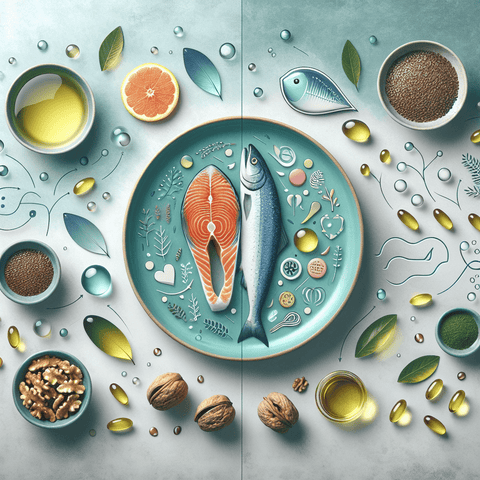
Die besten Lebensmittelquellen für EPA und DHA
\n\n
- Lachs, Makrele, Sardinen, Hering und Sardellen
- Frischer Thunfisch (in Maßen, wegen Quecksilbergehalt)
- Austern und Miesmuscheln
- Fischrogen
\n\n
Fetter Fisch sticht hervor, weil er fertig gebildetes EPA und DHA liefert, ohne auf Umwandlungsprozesse angewiesen zu sein. Die Wahl nachhaltig beschaffter, quecksilberärmerer Arten wie Sardinen und Lachs macht regelmäßigen Verzehr einfacher und sicherer.
\n\n
Pflanzliche ALA-Quellen und Grenzen der Umwandlung
\n\n
Leinsaat, Chiasamen, Hanfsamen, Walnüsse und Rapsöl sind reich an ALA und wertvolle Bestandteile jeder Ernährung. Da jedoch nur ein kleiner Anteil von ALA in EPA – und noch weniger in DHA – umgewandelt wird, können pflanzliche Quellen allein möglicherweise nicht denselben Omega-3-Status aufrechterhalten wie der Fischverzehr. Vegetarier und Veganer, die direkt EPA und DHA aufnehmen möchten, benötigen in der Regel Algenöl.
\n\n
Wie viele Portionen fetten Fisches braucht man wirklich?
\n\n
Viele Gesundheitsbehörden empfehlen ein bis zwei Portionen fetten Fisches pro Woche, was grob mit der EFSA-zugelassenen Aussage übereinstimmt, dass 250 mg EPA und DHA täglich zur normalen Herz- und Gehirnfunktion beitragen. Eine einzelne Portion Lachs oder Sardinen kann deutlich mehr als 1.000 mg kombiniertes EPA und DHA liefern, sodass ein bis zwei wöchentliche Portionen für die meisten Menschen im Allgemeinen ausreichend sind. Regelmäßigkeit ist wichtiger als gelegentliche große Mengen.
\n\n
Wann sich eine Omega-3-Supplementierung lohnen kann
\n\n
Die Lücke schließen, wenn die Nahrungszufuhr unzureichend ist
\n\n
Eine Supplementierung ist eine vernünftige Überlegung, wenn Sie selten fetten Fisch essen, sich vegan ernähren, schwanger sind oder stillen (mit medizinischer Begleitung) oder eine Erkrankung haben, die die Fettaufnahme beeinträchtigt. Sie ist ein Mittel, um eine ernährungsbedingte Lücke zu schließen – kein Ersatz für eine insgesamt gesunde Ernährung. Omega-3-Präparate gibt es in vielen Formen, und die Unterschiede zu kennen hilft bei der richtigen Wahl.
\n\n
Evidenz für Fischöl- und Algenöl-Präparate
\n\n
Fischöl ist die am besten untersuchte Omega-3-Präparatform, mit der stärksten Evidenz für seine triglyceridsenkende Wirkung bei höheren Dosen. Algenöl liefert eine vergleichbare DHA-Quelle und erhöht den DHA-Blutspiegel wirksam, was es für pflanzliche Ernährungsweisen besonders geeignet macht. Die Evidenz für Vorteile bei der allgemeinen Bevölkerung ohne Mangel ist begrenzter und teilweise widersprüchlich – das sollte man beim Abwägen von Kosten und Erwartungen bedenken.
\n\n
Nährstoffunterstützung von medizinischer Behandlung unterscheiden
\n\n
Rezeptfreie Omega-3-Präparate unterstützen den Nährstoffstatus; sie sind keine Medikamente. Rezeptpflichtige Omega-3-Produkte existieren für spezifische medizinische Zwecke und unterscheiden sich erheblich von frei verkäuflichen Präparaten in Dosis und Regulierung. Wenn Sie erhöhte Triglyceride, eine Herz-Kreislauf-Erkrankung oder eine andere diagnostizierte Erkrankung haben, besprechen Sie Behandlungsoptionen mit einer medizinischen Fachkraft, statt sich selbst mit Präparaten zu behandeln.
\n\n
Wie Sie ein Omega-3-Präparat auswählen
\n\n
Fischöl vs. Krillöl vs. Algenöl
\n\n
- Fischöl: Die häufigste und kostengünstigste Form, in einer breiten Palette von EPA-/DHA-Konzentrationen erhältlich.
- Krillöl: Enthält an Phospholipide gebundene Omega-3-Fettsäuren und von Natur aus Astaxanthin; liefert typischerweise weniger EPA/DHA pro Kapsel bei höheren Kosten.
- Algenöl: Eine vegane Quelle für fertig gebildetes DHA (und manchmal EPA), gewonnen aus Mikroalgen.
\n\n
EPA- und DHA-Gehalt pro Portion verstehen
\n\n
Die wichtigste Zahl auf einem Omega-3-Präparat ist der kombinierte EPA- und DHA-Gehalt pro Portion – nicht die Gesamtmenge an Fischöl. Eine Kapsel mit „1.000 mg Fischöl“ kann nur 300 mg EPA und DHA enthalten – oder deutlich weniger. Vergleichen Sie Präparate anhand des tatsächlich gelieferten EPA/DHA und stimmen Sie dies auf Ihre ernährungsbedingte Lücke ab.
\n\n
Triglycerid- vs. Ethylester-Form und Aufnahme
\n\n
Omega-3-Konzentrate gibt es in Triglycerid-, Ethylester- und re-esterifizierter Triglycerid-Form. Untersuchungen deuten darauf hin, dass Omega-3 in Triglycerid-Form möglicherweise etwas besser aufgenommen wird als Ethylester, insbesondere bei Einnahme ohne Essen – der Unterschied verringert sich jedoch bei Einnahme mit einer fetthaltigen Mahlzeit. Praktische Konsequenz: Nehmen Sie Ihr Präparat unabhängig von der Form zu einer Mahlzeit mit Fett ein.
\n\n
Worauf Sie bei Reinheit und externer Prüfung achten sollten
\n\n
Hochwertiges Fischöl sollte auf Oxidation (Verderb), Schwermetalle und Schadstoffe wie Dioxine und PCBs geprüft sein. Achten Sie auf Produkte mit externer Zertifizierung oder Chargenprüfung, minimalen unnötigen Zusatzstoffen und klaren Angaben zur Herkunft. Lagern Sie Öle kühl und lichtgeschützt und kühlen Sie geöffnete flüssige Produkte.
\n\n
Das Etikett eines Omega-3-Präparats richtig lesen
\n\n
Gesamtfett vs. Omega-3 vs. EPA/DHA auf dem Etikett
\n\n
Etiketten heben oft das Gesamtöl-Gewicht hervor, was irreführend sein kann. Prüfen Sie die Nährwertangaben auf die spezifischen EPA- und DHA-Mengen. Ein Produkt mit der Angabe „Fischöl 1.200 mg“ und „EPA 180 mg, DHA 120 mg“ liefert weit weniger aktives Omega-3 als ein Konzentrat mit gleichem Öl-Gewicht, aber „EPA 400 mg, DHA 300 mg“.
\n\n
Portionsgröße und Anzahl der Kapseln
\n\n
Manche konzentrierte Produkte liefern eine relevante EPA-/DHA-Menge in einer Kapsel, während Standard-Fischöle drei oder mehr erfordern können. Berücksichtigen Sie dies bei Kosten und alltagstauglicher Einnahme – wenn Sie nicht bereit sind, täglich vier Kapseln einzunehmen, hilft Ihnen ein niedriger dosiertes Produkt nicht weiter.
\n\n
Zusatzstoffe, Allergene und Ernährungseignung
\n\n
Prüfen Sie auf Allergenhinweise für Fisch oder Schalentiere, Gelatinekapseln (nicht vegetarisch), Vitamin-A- oder -D-Zusätze (relevant, wenn Sie auch ein Vitamin-D-Präparat einnehmen) sowie auf Aromen oder Antioxidantien wie Vitamin E, die zur Frischhaltung dienen. Veganer sollten sowohl das Kapselmaterial als auch die Ölquelle prüfen.
\n\n
Sicherheit, Nebenwirkungen und Wechselwirkungen
\n\n
Obergrenzen und blutverdünnende Effekte
\n\n
Die EFSA betrachtet eine Supplementierung von bis zu etwa 5 g EPA und DHA kombiniert pro Tag für Erwachsene als sicher. Bei höheren Dosen können Omega-3-Fettsäuren eine milde blutverdünnende Wirkung haben. Zu den häufigen Nebenwirken von Fischöl gehören fischige Aufstoßgeruch, Verdauungsbeschwerden und weiche Stühle – oft vermindert, wenn das Präparat zu den Mahlzeiten eingenommen wird oder magensaftresistent bzw. in Triglycerid-Form vorliegt.
\n\n
Wer vorher eine medizinische Fachkraft konsultieren sollte
\n\n
Sprechen Sie vor einer Supplementierung mit einer medizinischen Fachkraft, wenn Sie blutverdünnende oder thrombozytenhemmende Medikamente einnehmen, eine Blutungsneigung haben, eine Operation geplant ist, Sie schwanger sind oder stillen oder eine Lebererkrankung haben. Eine hochdosierte Omega-3-Supplementierung sollte in diesen Situationen niemals leichtfertig erfolgen.
\n\n
Eine informierte Entscheidung über Omega-3-Fettsäuren treffen
\n\n
Wann Ernährung und Lebensstil ausreichend sind
\n\n
Wenn Sie Fisch mögen und ein bis zwei Portionen fetten Fisches pro Woche essen können, reichen Ernährungsumstellungen allein oft aus, um einen gesunden Omega-3-Status aufrechtzuerhalten. Die Verbesserung Ihres gesamten Ernährungsmusters – mehr vollwertige Lebensmittel, mehr Omega-3-reiche Pflanzen, weniger stark verarbeitete Lebensmittel – unterstützt nicht nur den Omega-3-Status, sondern gleichzeitig viele andere Gesundheitsaspekte. Die Reduzierung von übermäßigem oxidativem Stress durch eine Ernährung reich an buntem Gemüse, Obst und hochwertigen Fetten ergänzt diese Bemühungen.
\n\n
Wichtige Faktoren vor dem Kauf eines Präparats
\n\n
- Ihre tatsächliche ernährungsbedingte Lücke: Wie oft essen Sie wirklich fetten Fisch?
- EPA- und DHA-Gehalt pro Portion, nicht das Gesamtöl-Gewicht
- Form (Fisch, Krill, Algen) und chemische Struktur (Triglycerid vs. Ethylester)
- Externe Prüfung und Frische-Garantien
- Medikamente, Gesundheitszustände oder Lebensphasen, die zunächst eine professionelle Einschätzung erfordern
\n\n
Ein ausgewogener Ansatz zählt für die gesamte Supplementroutine – Omega-3-Fettsäuren wirken neben Nährstoffen wie Magnesium und Vitamin D als Teil einer insgesamt ausreichenden Nährstoffversorgung, nicht als isolierte Lösungen.
\n\n
Fazit: Einem Omega-3-Mangel beginnt mit Bewusstsein zu begegnen
\n\n
Die Gesundheitsrisiken eines Omega-3-Mangels entwickeln sich langsam und unbemerkt, doch das zugrunde liegende Problem lässt sich gut beheben. Für die meisten Menschen reicht der regelmäßige Verzehr von fettem Fisch und ein ausgewogenes Ernährungsmuster aus, um einen gesunden Omega-3-Status zu erhalten. Wer selten Fisch isst, sich pflanzlich ernährt oder einen erhöhten Bedarf bzw. Aufnahmeprobleme hat, kann mit einem sorgfältig ausgewählten, qualitätsgeprüften Präparat die Lücke sinnvoll schließen. Das Bewusstsein für die eigene Ernährung, den Lebensstil und die Risikofaktoren – nicht die Symptome allein – sollte die Entscheidung leiten, und eine professionelle Einschätzung oder ein Bluttest kann Klarheit schaffen, wenn die Antwort nicht eindeutig ist.
\n\n
Häufig gestellte Fragen
\n\n
Was sind die ersten Anzeichen eines Omega-3-Mangels?
\n
Häufig berichtete Anzeichen sind trockene oder raue Haut, mattes Haar, geistige Erschöpfung, Gelenksteifheit und trockene Augen. Diese sind unspezifisch und überschneiden sich mit vielen anderen Ursachen – sie legen daher eher nahe, die eigene Ernährung zu prüfen, als einen Mangel zu bestätigen.
\n\n
Wie wird der Omega-3-Status tatsächlich gemessen?
\n
Der Omega-3-Index, der den EPA- und DHA-Gehalt in den Membranen der roten Blutkörperchen misst, ist die am häufigsten verwendete Messgröße. Er spiegelt die langfristige Zufuhr besser wider als eine einzelne Plasma-Messung.
\n\n
Wie viel EPA und DHA brauche ich pro Tag?
\n
Die EFSA erkennt 250 mg kombiniertes EPA und DHA täglich als Beitrag zur normalen Herz- und Gehirnfunktion bei Erwachsenen an. Der Bedarf kann während Schwangerschaft und Stillzeit, insbesondere für DHA, höher sein und sollte mit einer medizinischen Fachkraft besprochen werden.
\n\n
Komme ich ohne Fischverzehr an genug Omega-3?
\n
Pflanzliche Lebensmittel liefern ALA, aber die Umwandlung in EPA und besonders in DHA ist ineffizient. Veganer, die direkt EPA und DHA aufnehmen möchten, wählen in der Regel Algenöl-Präparate als praktischste Option.
\n\n
Was ist besser: Fischöl oder Krillöl?
\n
Fischöl liefert in der Regel mehr EPA und DHA pro Kosteneinheit, während die Phospholipid-Form von Krillöl die Aufnahme unterstützen kann und Astaxanthin enthält. Keines ist universell besser; vergleichen Sie das tatsächliche EPA/DHA pro Portion und Ihr Budget.
\n\n
Sollte ich Omega-3 zum Essen einnehmen?
\n
Ja. Die Einnahme von Omega-3 zu einer Mahlzeit mit Fett verbessert die Aufnahme und verringert Verdauungsnebenwirkungen wie fischigen Nachgeschmack.
\n\n
Kann man zu viel Omega-3 aufnehmen?
\n
Die EFSA betrachtet bis zu etwa 5 g kombiniertes EPA und DHA täglich als sicher für Erwachsene. Höhere Dosen können das Blutungsrisiko erhöhen und Verdauungsbeschwerden verursachen und sollten nur unter professioneller Aufsicht angewendet werden.
\n\n
Interagieren Omega-3-Fettsäuren mit Medikamenten?
\n
Hochdosierte Omega-3-Fettsäuren können die Wirkung blutverdünnender Medikamente wie Warfarin oder ASS verstärken. Wenn Sie Antikoagulanzien einnehmen oder eine Operation geplant ist, konsultieren Sie zuerst Ihre medizinische Fachkraft.
\n\n
Sind Omega-3-Präparate bei Depression oder Angstzuständen hilfreich?
\n
Die Forschungslage ist gemischt. Einige Studien zeigen moderate Effekte, insbesondere bei EPA-dominanten Formulierungen, aber Präparate sind keine Behandlung von Stimmungsstörungen. Jeder mit anhaltend gedrückter Stimmung sollte professionelle Hilfe in Anspruch nehmen.
\n\n
Wie lange dauert es, bis Omega-3-Werte steigen?
\n
Die Blutwerte von EPA können innerhalb von Tagen bis Wochen ansteigen, während die Einlagerung von DHA in die Zellmembranen länger dauert – in der Regel ein bis drei Monate konstanter Zufuhr, bis sie sich stabilisiert.
\n\n
Ist Algenöl genauso wirksam wie Fischöl?
\n
Studien zeigen, dass Algenöl den DHA-Blutspiegel ähnlich wirksam erhöht wie Fischöl, was es zu einer effektiven Option für Vegetarier und Veganer macht. Der EPA-Gehalt variiert je nach Produkt – prüfen Sie die Etiketten sorgfältig.
\n\n
Brauchen Kinder Omega-3-Präparate?
\n
Kinder können ihren Bedarf über die Ernährung decken, einschließlich fettem Fisch und ALA-reichen pflanzlichen Lebensmitteln. Eine Supplementierung sollte nur in Absprache mit einem Kinderarzt oder einer qualifizierten Fachkraft erfolgen, da die Dosierung nach Alter und Körpergewicht variiert.
\n\n
Verwandte Suchbegriffe
\n
- Gesundheitsrisiken eines Omega-3-Mangels
- Anzeichen eines Omega-3-Mangels
- Vorteile von EPA und DHA
- Omega-3-Index-Test
- Fischöl vs. Krillöl
- Algenöl veganes Omega-3
- ALA-zu-DHA-Umwandlung
- Omega-3 und Herzgesundheit
- Omega-3 für die Gehirnfunktion
- DHA in der Schwangerschaft
- Omega-3-Quellen aus fettem Fisch
- Triglycerid-Form Fischöl
- Wie viel Omega-3 pro Tag
- Omega-3-Präparat-Dosierung
- Omega-6-zu-Omega-3-Verhältnis
"}