
{"" : ""}
Omega-3-Fettsäuren: Entfesseln Sie Herz-, Gehirn- und Gesundheitsvorteile
October 29, 2025
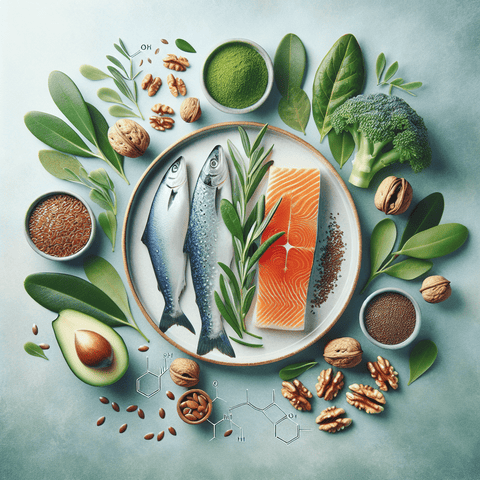
Omega-3-reiche Lebensmittel liefern entweder ALA oder die langkettigen Fettsäuren EPA und DHA. Besonders fetter Fisch wie Lachs, Sardinen, Hering und Makrele enthält viel EPA und DHA. Leinsamen, Chiasamen und Walnüsse liefern vor allem ALA. Dieser Ratgeber erklärt außerdem, ob zwei Eier ausreichen, welche pflanzlichen Alternativen es gibt und worauf Sie bei Omega-3-Präparaten achten sollten.

August 25, 2025
Omega-3-Präparate liefern vor allem EPA und DHA, während ALA hauptsächlich aus pflanzlichen Lebensmitteln stammt. Diese Fettsäuren sind an normalen Zellfunktionen beteiligt und können eine ausgewogene Ernährung ergänzen. Der Beitrag erklärt mögliche Vorteile für Herz, Gehirn, Gelenke, Augen und Haut, zeigt Auswahlkriterien für Fischöl- oder Algenölprodukte und beantwortet, was über Gehirngesundheit und sogenannte Gehirnpräparate tatsächlich bekannt ist.

August 24, 2025
Cholesterin senken mit Nahrungsergänzungsmitteln kann in bestimmten Fällen unterstützend möglich sein, ersetzt aber weder eine herzbewusste Ernährung noch ärztlich verordnete Medikamente. Pflanzensterole können das LDL-Cholesterin beeinflussen, während Omega-3 vor allem bei erhöhten Triglyceriden relevant ist. Vitamin D und Magnesium sind keine zuverlässig belegten Cholesterinsenker. Dieser Leitfaden erklärt außerdem Cholesterinwerte, realistische Zeiträume, Auswahlkriterien und wichtige Sicherheitsaspekte.

July 05, 2025
Minami DHA EPA kombiniert die Omega-3-Fettsäuren EPA und DHA. Dieser Ratgeber erklärt, welche Aufgaben beide Fettsäuren im Körper haben, worauf Sie bei Konzentration, Qualität und Einnahme achten können und wann Lebensmittel eine gute Alternative sind. Außerdem geht es um Omega-3 in der Schwangerschaft sowie die häufigen Fragen, ob Omega-3 bei Migräne oder Diabetes helfen kann.

July 04, 2025
Omega-3-Fischöl liefert die langkettigen Fettsäuren EPA und DHA, die an wichtigen Körperfunktionen beteiligt sind. Dieser Ratgeber erklärt die besten Quellen aus Lebensmitteln, den Unterschied zwischen Fischöl und Algenöl sowie praktische Kriterien für die Produktauswahl. Außerdem erfahren Sie, was bei Dosierung, Schwangerschaft, Medikamenten und möglichen Mangelzeichen zu beachten ist, ohne Nahrungsergänzungsmittel als Ersatz für eine ausgewogene Ernährung oder medizinische Behandlung zu betrachten.
{"content":"
Omega-3-Fettsäuren sind essenzielle Fette, die wichtige Funktionen für Herz, Gehirn, Sehvermögen und Immunsystem übernehmen – dennoch nehmen viele Menschen weit weniger zu sich als empfohlen. Dieser Leitfaden erklärt, was Omega-3-Fettsäuren sind, wie sie im Körper wirken, was die aktuelle Forschung über ihren Nutzen sagt, welche Lebensmittel sie liefern, wie viel Sie täglich benötigen könnten und wann und wie ein Omega-3-Präparat sinnvoll sein kann. Ob Sie regelmäßig Fisch essen oder sich pflanzlich ernähren – hier finden Sie praktische, evidenzbasierte Informationen, mit denen Sie Ihre eigene Zufuhr einschätzen und eine fundierte Entscheidung treffen können.
\n\n
Was sind Omega-3-Fettsäuren? Definition, Typen und Wirkungsweise
\n\n
Omega-3-Fettsäuren sind eine Familie mehrfach ungesättigter Fette mit einer bestimmten chemischen Struktur, bei der die erste Doppelbindung drei Kohlenstoffatome vom Molekülende entfernt liegt. Diese Struktur macht sie zu flexiblen, biologisch aktiven Molekülen, die in Zellmembranen im gesamten Körper eingebaut werden und als Vorstufen für Signalstoffe dienen, die Entzündungen, Blutgerinnung und Gefäßtonus regulieren.
\n\n
EPA, DHA und ALA: Die drei wichtigsten Omega-3-Typen
\n\n
Die drei ernährungsphysiologisch bedeutendsten Omega-3-Fettsäuren sind EPA (Eicosapentaensäure), DHA (Docosahexaensäure) und ALA (Alpha-Linolensäure). EPA wird am stärksten mit Herz-Kreislauf- und Entzündungsprozessen in Verbindung gebracht, während DHA ein wesentlicher Strukturbestandteil von Gehirn und Netzhaut ist. ALA ist die pflanzliche Vorstufe, die in Leinsamen, Chiasamen und Walnüssen vorkommt. Der Körper kann ALA in EPA und DHA umwandeln, doch diese Umwandlung ist ineffizient und von Mensch zu Mensch sehr unterschiedlich – deshalb gelten vorgebildetes EPA und DHA aus Fisch, Meeresfrüchten oder Algen als die zuverlässigsten Quellen.
\n\n
Warum der Körper Omega-3-Fettsäuren nicht selbst herstellen kann
\n\n
Menschen fehlen die Enzyme, um Doppelbindungen an der Omega-3-Position von Fettsäuren einzufügen, weshalb diese Fette über die Nahrung aufgenommen werden müssen. Deshalb werden Omega-3-Fettsäuren als essenzielle Fettsäuren eingestuft. Ohne ausreichende Zufuhr kann der Körper weder eine optimale Membranzusammensetzung aufrechterhalten noch die von Omega-3 abgeleiteten Signalstoffe bilden, auf die er angewiesen ist – eine konsequente Zufuhr über die Zeit ist daher ein wichtiger ernährungsphysiologischer Aspekt.
\n\n
Omega-3 vs. Omega-6: Warum das Verhältnis wichtig ist
\n\n
Omega-6-Fettsäuren sind ebenfalls essenziell, doch moderne westliche Ernährungsweisen enthalten meist weit mehr Omega-6 als Omega-3 – oft in Verhältnissen von 15:1 oder höher, verglichen mit geschätzten ursprünglichen Verhältnissen näher an 4:1 oder niedriger. Beide Familien konkurrieren um dieselben Umwandlungsenzyme. Ein niedrigeres Verhältnis, erreicht durch höhere Omega-3-Zufuhr bei gleichzeitiger Mäßigung bei raffinierten Saatölen und verarbeiteten Lebensmitteln, gilt als günstiger für das Entzündungsgleichgewicht des Körpers, wobei die Forschung zum idealen Verhältnis noch andauert.
\n\n
Vorteile von Omega-3-Fettsäuren: Was die Wissenschaft sagt
\n\n
Omega-3 und Herzgesundheit: Blutfette, Blutdruck und Herz-Kreislauf-Funktion
\n\n
Dies ist der am umfassendsten untersuchte Bereich. EPA und DHA können erhöhte Triglyceridwerte senken, den Blutdruck möglicherweise moderat unterstützen und zu einem normalen Herzrhythmus sowie einer gesunden Gefäßfunktion beitragen. Große Beobachtungsstudien bringen regelmäßigen Fischkonsum konsistent mit besseren kardiovaskulären Ergebnissen in Verbindung, während die Ergebnisse von Präparatestudien gemischter ausfallen – was wahrscheinlich Unterschiede bei Dosis, Formulierung, Ausgangszufuhr und Studienpopulationen widerspiegelt. Insgesamt stützen die Belege Omega-3-Fettsäuren als Nährstoff, der zur Herz-Kreislauf-Gesundheit beitragen kann, insbesondere bei Menschen mit geringer Ausgangszufuhr.
\n\n
Omega-3 und Gehirngesundheit: Kognitive Funktion in verschiedenen Lebensphasen
\n\n
DHA ist im Gehirn konzentriert, wo es die Membranfluidität und Zellkommunikation unterstützt. Eine ausreichende DHA-Zufuhr ist in der Schwangerschaft und im frühen Säuglingsalter wichtig für die normale Entwicklung von Gehirn und Augen – eine Aussage mit starker regulatorischer Anerkennung. Bei Erwachsenen deutet die Forschung darauf hin, dass ein höherer Omega-3-Status mit einer besseren Erhaltung der kognitiven Funktion im Alter verbunden ist, wobei die Belege dafür, dass Präparate das Gedächtnis verbessern oder kognitiven Abbau bei gesunden Menschen verhindern, weniger konsistent sind. Neuere Forschung untersucht außerdem Zusammenhänge zwischen Omega-3-Status und Stimmung, doch dies bleibt ein Bereich aktiver Untersuchungen.
\n\n
Omega-3 und Entzündung: Die Rolle der Eicosanoide
\n\n
EPA und DHA dienen als Vorstufen für Eicosanoide und spezialisierte pro-resolving Mediatoren – Signalstoffe, die Entzündungsreaktionen regulieren und auflösen helfen. Indem sie Arachidonsäure aus Omega-6 in Zellmembranen teilweise verdrängen, können Omega-3-Fettsäuren das Gleichgewicht in Richtung eines weniger entzündlichen Profils verschieben. Dieser Mechanismus liegt vielen beobachteten Gesundheitszusammenhängen zugrunde, sollte jedoch nicht mit der Wirkung entzündungshemmender Medikamente verwechselt werden.
\n\n
Omega-3 für Augengesundheit, Gelenkkomfort und Haut
\n\n
DHA ist ein Strukturbestandteil der Netzhaut, und eine ausreichende Zufuhr unterstützt normales Sehen. Omega-3-Fettsäuren können helfen, Symptome trockener Augen zu lindern, und einige Untersuchungen deuten darauf hin, dass sie zum Gelenkkomfort beitragen können, insbesondere bei Menschen mit entzündlichen Gelenkerkrankungen – die Belege hierzu sind vielversprechend, aber nicht eindeutig. Omega-3-Fettsäuren unterstützen außerdem die Lipidbarriere der Haut und können zur Feuchtigkeitserhaltung beitragen, wobei sich topische und diätetische Effekte unterscheiden und die Forschung vorläufig ist.
\n\n
Anzeichen für eine möglicherweise zu niedrige Omega-3-Zufuhr
\n\n
Häufige Zusammenhänge mit niedrigem Omega-3-Status
\n\n
Eine niedrige Omega-3-Zufuhr wurde mit trockener, rauer Haut, brüchigem Haar und Nägeln, Gelenksteifigkeit, Müdigkeit, Konzentrationsschwierigkeiten und einer erhöhten Anfälligkeit für alltägliche Trockenheit und Reizung der Augen in Verbindung gebracht. Diese Anzeichen sind subtil und unspezifisch, und viele Menschen mit niedrigem Omega-3-Status bemerken überhaupt nichts.
\n\n
Warum Symptome allein keinen Mangel bestätigen können
\n\n
Es gibt keine zuverlässige symptombasierte Diagnose eines niedrigen Omega-3-Status. Jedes oben genannte Anzeichen überschneidet sich mit zahlreichen anderen Ursachen, darunter Dehydration, Schlafqualität, Stress und andere Nährstoffdefizite. Symptome können eine Frage aufwerfen, die es wert ist, untersucht zu werden, aber sie können eine Omega-3-Unterversorgung nicht allein bestätigen.
\n\n
Wie der Omega-3-Status getestet wird: Der Omega-3-Index und Bluttests
\n\n
Das am besten validierte Maß ist der Omega-3-Index – der prozentuale Anteil von EPA und DHA in den Membranen der roten Blutkörperchen. Werte von 8 % oder höher gelten allgemein als wünschenswert, während ein großer Teil der westlichen Bevölkerung unter 5 % liegt. Tests können für Menschen nützlich sein, die objektives Feedback wünschen, insbesondere vor und nach einer Änderung ihrer Zufuhr, sind aber nicht für jeden routinemäßig erforderlich.
\n\n
Ursachen und Risikofaktoren für eine niedrige Omega-3-Zufuhr
\n\n
Ernährungsweisen mit wenig fettem Fisch und Meeresfrüchten
\n\n
Die häufigste Ursache ist einfach der geringe oder fehlende Verzehr von fettem Fisch. Lachs, Makrele, Sardinen, Hering und Sardellen sind die reichsten EPA- und DHA-Quellen, und Bevölkerungsgruppen, die ein- bis zweimal pro Woche Fisch essen, haben typischerweise einen höheren Omega-3-Status als diejenigen, die ihn selten essen.
\n\n
Lebensstilfaktoren, die den Omega-3-Stoffwechsel beeinflussen
\n\n
Ein hoher Verzehr von omega-6-reichen Ölen, Rauchen, Alkoholkonsum und chronischer Stress können alle beeinflussen, wie der Körper Omega-3-Fettsäuren nutzt und speichert. Ernährungsweisen mit vielen verarbeiteten Lebensmitteln sind tendenziell gleichzeitig arm an Omega-3 und reich an konkurrierenden Fetten, was den Effekt verstärkt.
\n\n
Alter, Absorption und Umwandlungseffizienz von ALA
\n\n
Die Umwandlung von pflanzlichem ALA in EPA und DHA wird bei vielen Menschen auf nur 5–10 % für EPA und unter 5 % für DHA geschätzt und kann mit dem Alter weiter abnehmen. Auch die Verdauungseffizienz und Fettabsorption verändern sich im Laufe des Lebens, was beeinflussen kann, wie viel Omega-3 der Körper tatsächlich aus der Nahrung aufnimmt.
\n\n
Medikamente und Erkrankungen, die den Omega-3-Status beeinflussen können
\n\n
Erkrankungen, die die Fettabsorption beeinträchtigen – wie chronisch entzündliche Darmerkrankungen, Zöliakie oder Pankreaserkrankungen – können die Omega-3-Aufnahme verringern. Auch einige Medikamente, die den Lipidstoffwechsel beeinflussen, können die Omega-3-Spiegel beeinflussen. Wer eine chronische Erkrankung managt, sollte seinen Nährstoffstatus mit einem Arzt besprechen, statt selbst einzuschätzen.
\n\n
Warum der Omega-3-Bedarf von Mensch zu Mensch unterschiedlich ist
\n\n
Ernährungsform: Mischköstler, Vegetarier und Veganer
\n\n
Menschen, die regelmäßig fetten Fisch essen, können ihren EPA- und DHA-Bedarf in der Regel allein über die Nahrung decken. Vegetarier und Veganer sind auf die ALA-Umwandlung angewiesen, die – wie erwähnt – ineffizient ist, was die direkte Aufnahme von EPA und DHA aus Algen für diese Gruppe zu einem relevanten Aspekt macht.
\n\n
Genetik, Geschlecht und die Umwandlung von ALA in EPA und DHA
\n\n
Varianten in Genen wie FADS1 und FADS2, die für Desaturase-Enzyme kodieren, beeinflussen maßgeblich, wie effizient eine Person ALA umwandelt. Frauen im gebärfähigen Alter wandeln ALA tendenziell etwas effizienter um, wahrscheinlich im Zusammenhang mit der Fortpflanzungsphysiologie, während dieser Vorteil im späteren Leben abnimmt.
\n\n
Lebensphasen: Schwangerschaft, Säuglingsalter, höheres Alter
\n\n
Schwangerschaft und Stillzeit erhöhen den DHA-Bedarf, da Fötus und Säugling auf die Versorgung der Mutter für die Gehirn- und Augenentwicklung angewiesen sind. Bei älteren Erwachsenen nehmen Umwandlungseffizienz, Appetit und Fischkonsum oft gleichzeitig ab, während die Erhaltung des Omega-3-Status für gesundes Altern relevant wird.
\n\n
Omega-3-Lebensmittelquellen: So holen Sie mehr aus Ihrer Ernährung heraus
\n\n
Fetter Fisch und Meeresfrüchte: Die reichsten EPA- und DHA-Quellen
\n\n
Lachs, Makrele, Sardinen, Hering, Sardellen und Forelle liefern die höchsten Mengen an vorgebildetem EPA und DHA. Eine typische Portion von 100–150 g fettem Fisch kann 1–2 g kombiniertes EPA und DHA liefern. Die Wahl kleinerer, quecksilberarmer Arten wie Sardinen und Sardellen ist eine praktische Strategie für den häufigen Verzehr.
\n\n
Pflanzliche Omega-3-Quellen: Leinsamen, Chia, Walnüsse und Algen
\n\n
Leinsamen, Chiasamen, Hanfsamen und Walnüsse sind hervorragende ALA-Quellen, und ihr regelmäßiger Verzehr unterstützt die gesamte Omega-3-Zufuhr. Algen und Algenöl sind unter den pflanzlichen Quellen einzigartig, da sie vorgebildetes EPA und DHA liefern, was sie zur wichtigsten direkten Option für Menschen macht, die auf Fisch verzichten.
\n\n
Angereicherte Lebensmittel und alltägliche Ernährungsstrategien
\n\n
Einige Eier, Milchprodukte, Joghurts und Brotaufstriche sind mit DHA angereichert, und obwohl die Mengen pro Portion meist bescheiden sind, können sie über eine Woche hinweg einen sinnvollen Beitrag leisten. Praktische Gewohnheiten – gemahlener Leinsamen zum Frühstück, Walnüsse als Snack und zweimal pro Woche fetter Fisch – decken für Mischköstler die meisten Ernährungsbedürfnisse ab. Für einen breiteren Kontext zu nährstoffreicher Ernährung lesen Sie unseren Leitfaden zu Superfoods und zugelassenen Nährstoffaussagen.
\n\n
Wie viel Omega-3 benötigen Sie pro Tag?
\n\n
Empfohlene Zufuhr und Richtlinien von Gesundheitsorganisationen
\n\n
Die meisten Gesundheitsbehörden empfehlen eine tägliche ALA-Zufuhr von etwa 1,1 g für erwachsene Frauen und 1,6 g für erwachsene Männer und raten Erwachsenen, mindestens ein- bis zweimal pro Woche fettigen Fisch zu verzehren. Für EPA und DHA speziell liegt die übliche Empfehlung bei etwa 250–500 mg pro Tag für allgemein gesunde Erwachsene. Schwangeren und stillenden Frauen wird häufig geraten, mindestens 200 mg DHA täglich zusätzlich aufzunehmen.
\n\n
Typische Zufuhr über die Ernährung vs. optimale Bereiche
\n\n
In vielen westlichen Ländern liegt die durchschnittliche EPA- und DHA-Zufuhr deutlich unter 250 mg pro Tag, und die durchschnittlichen Omega-3-Index-Werte sind entsprechend niedrig. Höhere Zufuhren – bis zu etwa 1 g/Tag kombiniertes EPA und DHA aus Nahrung und Präparaten zusammen – werden in Forschungsstudien häufig verwendet, aber mehr ist nicht automatisch besser, und Dosen über 3 g/Tag sollten nur unter ärztlicher Aufsicht verwendet werden.
\n\n
Wenn die Ernährung nicht ausreicht: Wann eine Omega-3-Ergänzung in Betracht gezogen werden kann
\n\n
Situationen, in denen die Zufuhr zu kurz kommen kann
\n\n
Eine Ergänzung kann in Betracht gezogen werden, wenn Sie selten fettigen Fisch essen, sich vegan oder vegetarisch ernähren, schwanger sind oder stillen, einen erhöhten Bedarf aufgrund des Alters haben oder eine Erkrankung haben, die die Fettabsorption beeinträchtigt. In diesen Situationen kann ein Produkt auf Algen- oder Fischölbasis helfen, die Lücke zwischen tatsächlicher und empfohlener Zufuhr zu schließen. Leser, die sich für Optionen interessieren, können unsere DHA- und EPA-Omega-3-Präparate durchsuchen.
\n\n
Nährstoffunterstützung vs. Behandlung: Den Unterschied kennen
\n\n
Omega-3-Präparate sind Nahrungsergänzungsmittel, die eine ausreichende Zufuhr unterstützen sollen – sie sind keine Arzneimittel und können keine Krankheiten behandeln, heilen oder verhindern. Wenn Sie erhöhte Triglyceridwerte, Herz-Kreislauf-Erkrankungen oder eine andere diagnostizierte Erkrankung haben, ist der Omega-3-Status ein Gesprächsthema für Ihren Arzt, der gegebenenfalls verschreibungspflichtige Produkte empfehlen kann.
\n\n
Omega-3-Präparate: Formen, Typen und ihre Unterschiede
\n\n
Fischöl, Krillöl, Algenöl und Lebertran im Vergleich
\n\n
Fischöl ist die häufigste und typischerweise die konzentrierteste EPA-/DHA-Quelle pro Kapsel. Krillöl enthält Omega-3-Fettsäuren an Phospholipide gebunden, was laut einiger Forschung die Absorption unterstützen kann, wobei die Dosen pro Portion meist niedriger sind. Algenöl ist die pflanzliche EPA-/DHA-Option und die einzige geeignete direkte Quelle für Veganer. Lebertran liefert außerdem die Vitamine A und D, was wichtig ist, wenn Sie bereits ein Vitamin-D-Präparat einnehmen, da die kumulative Aufnahme dieser fettlöslichen Vitamine überwacht werden sollte.
\n\n
Triglycerid- vs. Ethylester-Form: Was wird besser absorbiert?
\n\n
Omega-3-Konzentrate gibt es als natürliche Triglyceride, re-veresterte Triglyceride oder Ethylester. Triglyceridformen werden im Allgemeinen etwas besser absorbiert, besonders wenn sie zu einer Mahlzeit mit Fett eingenommen werden, während Ethylester konzentrierter sind und in hochdosierten Produkten üblich sind. Die Einnahme von Ethylestern zu einer fetthaltigen Mahlzeit verringert diesen Unterschied erheblich. Keine einzelne Form ist universell überlegen; Konzentration, Verträglichkeit und Kosten spielen alle eine Rolle.
\n\n
Kapseln, Flüssigkeiten und Gummis: Praktische Vor- und Nachteile
\n\n
Softgel-Kapseln sind praktisch, stabil und maskieren den Geschmack, erfordern aber mehrere Kapseln, um höhere Dosen zu erreichen. Flüssigkeiten bieten Flexibilität und eignen sich für Menschen, die keine Kapseln schlucken möchten, erfordern jedoch Kühlung und sorgfältige Lagerung. Gummis enthalten typischerweise wenig EPA oder DHA und oft zugesetzten Zucker, was sie für Omega-3-Dosierungsziele wenig geeignet macht.
\n\n
Wie Sie ein hochwertiges Omega-3-Präparat auswählen
\n\n
EPA- und DHA-Konzentration: Die Zahl lesen, auf die es ankommt
\n\n
Die entscheidende Zahl ist nicht das gesamte Fischöl, sondern das kombinierte EPA und DHA pro Portion. Eine Kapsel mit „1000 mg Fischöl“ kann nur 300 mg EPA und DHA enthalten. Konzentrierte Produkte liefern mehr aktives Omega-3 pro Kapsel, was bedeutet, dass weniger Kapseln für dieselbe Zufuhr benötigt werden.
\n\n
Reinheit, Oxidation und unabhängige Tests (IFOS, USP und mehr)
\n\n
Fischöle können oxidieren, und die Frische ist sowohl für die Wirksamkeit als auch für die Verträglichkeit wichtig. Seriöse Hersteller testen auf Oxidationswerte, Schwermetalle, Dioxine und PCBs. Unabhängige Zertifizierungen wie IFOS, USP oder ähnliche Qualitätssiegel bieten eine unabhängige Überprüfung – achten Sie auf der Verpackung oder der Website der Marke darauf.
\n\n
Allergene, Zusatzstoffe und Eignung für vegane oder koschere Ernährung
\n\n
Fisch- und Krillöle sind für Menschen mit Fisch- oder Schalentierallergien und für Veganer ungeeignet; Algenöl erfüllt diesen Bedarf. Prüfen Sie Allergenhinweise, zugesetzte Aromen und ob das Produkt als vegan, koscher oder halal zertifiziert ist, falls dies für Sie wichtig ist.
\n\n
Dosierung wählen und Omega-3 mit anderen Nährstoffen kombinieren
\n\n
Passen Sie die Dosis an Ihr Ziel und Ihre Ernährung an: etwa 250–500 mg EPA+DHA täglich zur allgemeinen Unterstützung, mit höheren Zufuhren unter professioneller Anleitung. Omega-3-Fettsäuren ergänzen sich natürlich mit anderen Nährstoffen – zum Beispiel deckt ein hochwertiges Multivitamin den breiten Mikronährstoffbedarf, während Omega-3-Fettsäuren essenzielle Fette liefern. Nehmen Sie Omega-3-Fettsäuren zu einer fetthaltigen Mahlzeit ein, um die Absorption zu unterstützen.
\n\n
Wie Sie das Etikett eines Omega-3-Präparats lesen
\n\n
Gesamtöl vs. EPA+DHA: Die Zahlen, die zählen
\n\n
Prüfen Sie die Nährwertangaben auf die expliziten EPA- und DHA-Mengen pro Portion, nicht nur auf das Gesamtöl. Einige Etiketten führen „andere Omega-3-Fettsäuren“ auf, die weniger gut untersucht sind. Vergleichen Sie Produkte nach EPA+DHA pro Portion und pro Einheitskosten des Wirkstoffs.
\n\n
Portionsgröße, Haltbarkeit und Lagerungshinweise
\n\n
Beachten Sie, wie viele Kapseln eine Portion ausmachen und welche Dosis diese tatsächlich liefert. Prüfen Sie das Haltbarkeitsdatum und alle Lagerungshinweise – oxidiertes Öl riecht ranzig, und fischige Aufstöße oder unangenehm riechende Kapseln sind Anzeichen dafür, dass das Produkt möglicherweise verdorben ist. Das Kühlen geöffneter Flüssigkeiten und der häufigere Kauf kleinerer Flaschen helfen, die Frische zu erhalten.
\n\n
Zertifizierungen und Qualitätssiegel, auf die Sie achten sollten
\n\n
Nützliche Siegel sind unabhängige Testsiegel, Nachhaltigkeitszertifizierungen (wie Friend of the Sea oder MSC) und Reinheitsnachweise. Diese zeigen, dass der Hersteller das Produkt einer unabhängigen Prüfung unterzogen hat, was mehr zählt als Marketingaussagen.
\n\n
Wer am meisten von einem Omega-3-Präparat profitieren kann
\n\n
Menschen, die selten Fisch essen oder sich pflanzlich ernähren
\n\n
Wenn fetter Fisch weniger als ein- oder zweimal pro Woche – oder nie – auf Ihrem Speiseplan steht, ist ein Omega-3-Präparat ein unkomplizierter Weg, eine konsequente EPA- und DHA-Zufuhr zu unterstützen. Dies ist besonders relevant für Veganer, für die Algen-DHA und -EPA die einzige direkte Nahrungsoption sind.
\n\n
Schwangere und stillende Frauen: DHA-Aspekte
\n\n
Der DHA-Bedarf steigt während der Schwangerschaft und Stillzeit, um das sich entwickelnde Gehirn und die Augen des Babys zu unterstützen. Viele Ernährungsrichtlinien für die Schwangerschaft empfehlen mindestens 200 mg DHA täglich, und schwangeren Frauen wird zudem geraten, quecksilberreichen Fisch zu begrenzen – was ein gereinigtes Algen- oder kontaminationsarmes Fischöl nach Rücksprache mit Hebamme oder Arzt zu einer praktischen Option macht.
\n\n
Ältere Erwachsene und Menschen mit erhöhtem Bedarf
\n\n
Reduzierter Appetit, geringerer Fischkonsum und nachlassende Umwandlungseffizienz können den Omega-3-Status mit dem Alter senken. Da DHA für die Erhaltung der kognitiven und visuellen Funktion im Rahmen des normalen Alterns relevant ist, kann eine Ergänzung für ältere Erwachsene, die wenig Fisch essen, eine sinnvolle Ernährungsstrategie sein.
\n\n
Omega-3: Sicherheit, Nebenwirkungen und Wechselwirkungen
\n\n
Häufige Nebenwirkungen und wie man sie minimiert
\n\n
Omega-3-Präparate sind im Allgemeinen gut verträglich. Die häufigsten Nebenwirkungen sind leichte Verdauungsbeschwerden – fischiger Nachgeschmack, Aufstoßen, Übelkeit oder weicher Stuhl. Die Einnahme zu Mahlzeiten, das Einfrieren der Kapseln oder die Wahl magensaftresistenter oder triglyceridbasierter Produkte reduziert diese Effekte oft.
\n\n
Omega-3 und Blutverdünner: Wechselwirkungen, die Sie mit Ihrem Arzt besprechen sollten
\n\n
In hohen Dosen können Omega-3-Fettsäuren eine leichte blutverdünnende Wirkung haben. Wer Antikoagulanzien oder Thrombozytenaggregationshemmer (wie Warfarin oder täglich Aspirin) einnimmt oder eine Operation geplant hat, sollte die Omega-3-Einnahme vorher mit seinem Arzt besprechen. Moderate Dosen aus Nahrung und Standardpräparaten sind für gesunde Menschen im Allgemeinen unbedenklich.
\n\n
Höchstzufuhrmengen und sichere Anwendung in der Schwangerschaft
\n\n
Europäische und US-amerikanische Behörden betrachten Zufuhren bis etwa 3 g/Tag kombiniertes EPA und DHA für Erwachsene allgemein als sicher, wobei nicht mehr als 2 g/Tag aus Präparaten stammen sollten. Wählen Sie in der Schwangerschaft gereinigte, kontaminationsarme Produkte und vermeiden Sie hohe Mengen Lebertran aufgrund seines Vitamin-A-Gehalts, sofern nicht von einem Fachmann anders empfohlen.
\n\n
Wann Sie mit einem Arzt sprechen sollten
\n\n
Suchen Sie professionellen Rat, wenn Sie blutverdünnende Medikamente einnehmen, eine Blutgerinnungsstörung, Leber- oder Nierenerkrankung haben, eine Herz-Kreislauf-Erkrankung managen oder Dosen über den üblichen Präparatebereichen einnehmen möchten. Ein Arzt kann auch beurteilen, ob Tests oder ein verschreibungspflichtiges Produkt geeigneter sind.
\n\n
Omega-3 aus Nahrung oder Präparaten: Wie Sie entscheiden, was für Sie richtig ist
\n\n
Eine einfache Checkliste zur Einschätzung Ihrer Zufuhr
\n\n
- Essen Sie mindestens ein- bis zweimal pro Woche fettigen Fisch?
- Wenn Sie wenig Fisch essen, verzehren Sie regelmäßig ALA-Quellen wie Leinsamen, Chia oder Walnüsse?
- Sind Sie schwanger, stillen Sie, sind Sie älter oder ernähren Sie sich vegan – Situationen, in denen Bedarf oder Zufuhrlücken häufiger sind?
- Nehmen Sie Medikamente ein oder haben Sie eine Erkrankung, die die Fettabsorption oder Blutgerinnung beeinflusst?
\n\n
Wenn Sie die Fischfrage mit Ja und die besonderen Situationen mit Nein beantworten, sind Nahrungsquellen wahrscheinlich ausreichend. Wenn nicht, kann eine Ergänzung Ihre Zufuhr sinnvoll unterstützen.
\n\n
Wichtige Fragen, die Sie vor der Produktwahl stellen sollten
\n\n
- Wie viel EPA und DHA – nicht Gesamtöl – liefert eine Portion?
- Welche Form passt zu mir: Fischöl, Krillöl oder Algenöl?
- Ist das Produkt unabhängig auf Reinheit und Oxidation getestet?
- Passt es zu eventuellen Ernährungseinschränkungen (vegan, koscher, allergenarm)?
- Ist die Dosis für meine Situation angemessen, und habe ich gegebenenfalls mit einem Fachmann gesprochen?
\n\n
Wichtige Erkenntnisse
\n\n
- Omega-3-Fettsäuren – EPA, DHA und ALA – sind essenzielle Fette, die der Körper nicht selbst herstellen kann und über die Nahrung aufnehmen muss.
- Fetter Fisch ist die reichste Quelle für vorgebildetes EPA und DHA; Leinsamen, Chia und Walnüsse liefern ALA, das ineffizient umgewandelt wird.
- Forschung bringt eine ausreichende Omega-3-Zufuhr mit Herz-, Gehirn-, Augen- und Gelenkgesundheit in Verbindung, wobei die Belege für Präparate je nach Population und Dosis variieren.
- Viele westliche Ernährungsweisen liefern deutlich weniger als die allgemein empfohlenen 250–500 mg EPA und DHA pro Tag.
- Veganer, schwangere Frauen, ältere Erwachsene und Menschen, die selten Fisch essen, sind die Gruppen, bei denen eine Unterversorgung am wahrscheinlichsten ist.
- Der Omega-3-Index-Bluttest kann den Status objektiv messen, wenn Raten aufgrund von Symptomen nicht ausreicht.
- Vergleichen Sie bei der Auswahl eines Präparats den EPA+DHA-Gehalt pro Portion, die chemische Form, die Frische und unabhängige Tests.
- Hohe Dosen können mit blutverdünnenden Medikamenten wechselwirken; konsultieren Sie einen Arzt, bevor Sie Standardzufuhren überschreiten.
\n\n
Häufig gestellte Fragen
\n\n
Ist es besser, Omega-3 über Fisch oder Präparate aufzunehmen?
\n\n
Vollwertiger fetter Fisch liefert EPA und DHA zusammen mit Protein, Vitamin D, Selen und Jod, was ihn bei regelmäßigem Verzehr zur bevorzugten Quelle macht. Präparate sind eine vernünftige und wirksame Alternative, wenn der Fischkonsum gering, unpraktisch oder durch schwangerschaftsbedingte Quecksilberbedenken eingeschränkt ist.
\n\n
Kann man zu viel Fischöl einnehmen?
\n\n
Ja. Zufuhren über etwa 3 g/Tag kombiniertes EPA und DHA können das Blutungsrisiko erhöhen und Verdauungsnebenwirkungen verursachen. Die Einhaltung üblicher Präparatedosen von 1–2 g/Tag gilt für die meisten gesunden Erwachsenen als sicher.
\n\n
Brauchen Vegetarier ein Omega-3-Präparat auf Algenbasis?
\n\n
Nicht zwingend, aber es ist die zuverlässigste Option. Vegetarier und Veganer können ihren ALA-Bedarf über Pflanzen decken, doch vorgebildetes EPA und DHA stammt in ihrem Fall fast ausschließlich aus Algenöl, da die Umwandlung aus ALA ineffizient ist und von Mensch zu Mensch variiert.
\n\n
Wie lange dauert es, bis Wirkungen bemerkbar sind?
\n\n
Die Blutspiegel von EPA und DHA steigen innerhalb von Tagen bis Wochen konsequenter Zufuhr, und der Omega-3-Index spiegelt Veränderungen typischerweise über etwa drei Monate wider. Wahrnehmbare Effekte, etwa Veränderungen bei Hauttrockenheit oder Gelenkkomfort, können länger dauern und variieren erheblich zwischen Personen.
\n\n
Was sind die Anzeichen eines niedrigen Omega-3-Spiegels?
\n\n
Häufig damit verbundene Anzeichen sind trockene oder raue Haut, brüchige Nägel, trockene Augen, Gelenksteifigkeit und Konzentrationsschwierigkeiten. Diese sind jedoch unspezifisch, und nur ein Bluttest kann den tatsächlichen Omega-3-Status bestätigen.
\n\n
Welche Lebensmittel enthalten am meisten Omega-3?
\n\n
Lachs, Makrele, Sardinen, Hering und Sardellen führen bei EPA und DHA. Leinsamen, Chiasamen, Hanfsamen und Walnüsse sind die besten ALA-Quellen, und Algenöl liefert pflanzliches vorgebildetes EPA und DHA.
\n\n
Wie viel Omega-3 sollte ich täglich einnehmen?
\n\n
Für allgemein gesunde Erwachsene sind 250–500 mg kombiniertes EPA und DHA pro Tag ein häufig genanntes Ziel, zusammen mit etwa 1,1–1,6 g ALA. Schwangeren wird oft geraten, etwa 200 mg DHA zusätzlich aufzunehmen. Höhere Dosen sollten mit einem Arzt besprochen werden.
\n\n
Wann ist der beste Zeitpunkt für die Einnahme von Omega-3-Präparaten?
\n\n
Zu einer Mahlzeit, die Fett enthält – typischerweise Frühstück oder Abendessen –, um die Absorption zu maximieren und den fischigen Nachgeschmack zu reduzieren. Die Beständigkeit ist wichtiger als die konkrete Tageszeit.
\n\n
Wechselwirken Omega-3-Fettsäuren mit Medikamenten?
\n\n
Hochdosierte Omega-3-Fettsäuren können eine leichte blutverdünnende Wirkung haben und mit Antikoagulanzien und Thrombozytenaggregationshemmern wechselwirken. Wenn Sie diese Medikamente einnehmen oder eine Operation bevorsteht, konsultieren Sie vor der Ergänzung Ihren Arzt.
\n\n
Welche Form von Omega-3 wird am besten absorbiert?
\n\n
Triglyceridformen werden im Allgemeinen etwas besser absorbiert als Ethylester, doch der Unterschied verschwindet weitgehend, wenn Ethylester zu einer fetthaltigen Mahlzeit eingenommen werden. Konzentration, Frische und Dosis pro Portion sind oft praktischere Überlegungen.
\n\n
Können Omega-3-Fettsäuren bei trockenen Augen helfen?
\n\n
Forschung deutet darauf hin, dass eine Omega-3-Ergänzung bei manchen Menschen Symptome trockener Augen lindern kann, wahrscheinlich über entzündungshemmende und lipidunterstützende Mechanismen, wobei die Ergebnisse gemischt sind und die Effekte individuell variieren.
\n\n
Ist Fischöl dasselbe wie Lebertran?
\n\n
Nein. Fischöl wird aus Fischfleisch gewonnen und liefert EPA und DHA, während Lebertran aus der Leber stammt und zusätzlich bedeutende Mengen an Vitamin A und Vitamin D enthält. Wenn Sie Lebertran einnehmen, berücksichtigen Sie diese fettlöslichen Vitamine, um eine übermäßige Aufnahme zu vermeiden.
\n\n
Fazit: Eine fundierte Entscheidung über Omega-3-Fettsäuren treffen
\n\n
Omega-3-Fettsäuren sind tatsächlich essenziell, und die meisten Gesundheitsempfehlungen laufen auf ein einfaches Prinzip hinaus: essen Sie regelmäßig fettigen Fisch, nehmen Sie täglich pflanzliche ALA-Quellen zu sich und sorgen Sie für eine zuverlässige Quelle vorgebildeten EPA und DHA, wenn Fisch nicht zu Ihrer Routine gehört. Ihr optimaler Ansatz hängt von Ihrer Ernährung, Lebensphase, Gesundheitssituation und persönlichen Vorlieben ab – es gibt keine Einheitsdosis. Wenn Ihre Ernährung bereits ein- bis zweimal pro Woche fetten Fisch enthält, kann die Nahrung ausreichen. Wenn nicht, oder wenn Sie schwanger, vegan oder älter sind, ist ein gut ausgewähltes, unabhängig getestetes Präparat mit 250–500 mg EPA und DHA täglich ein sinnvoller Weg, eine konsequente Zufuhr zu unterstützen. Und im Zweifel – insbesondere wenn Sie Medikamente einnehmen oder eine Erkrankung managen – ist ein Gespräch mit einem Arzt der zuverlässigste nächste Schritt.
\n\n
Verwandte Suchbegriffe
\n\n
- Omega-3-Fettsäuren
- EPA- und DHA-Vorteile
- Omega-3-Lebensmittel
- Fischöl-Präparate
- Algenöl Omega-3 vegan
- Anzeichen eines Omega-3-Mangels
- Omega-3-Index-Test
- wie viel Omega-3 pro Tag
- Omega-3-zu-Omega-6-Verhältnis
- bestes Omega-3-Präparat
- DHA Schwangerschaft Gehirnentwicklung
- Omega-3 Nebenwirkungen und Wechselwirkungen
- pflanzliche Omega-3-Quellen
- Omega-3-Absorption Triglycerid vs. Ethylester
"}