
Entdecken Sie, wie Omega-3-Fettsäuren aufgenommen werden. Das Verständnis der Nährstoffaufnahme von Omega-3s ist ein Fenster dazu, wie diese Fettsäuren vom Darm in den Kreislauf gelangen. Diese Seite konzentriert sich auf die Wege, die EPA und DHA folgen, und hebt hervor, wie die Absorptionsmechanismen des Körpers bestimmen, was für den Transport im gesamten Körper verfügbar wird. Im Dünndarm werden Fette durch Gallensäuren emulgiert und durch pankreatische Enzyme in Fettsäuren und Monoglyceride aufgespalten. Diese Verdauungsprodukte bilden dann mit Gallensäurekomponenten gemischte Mizellen, die Omega-3-Fettsäuren zu Enterozyten (den Zellen, die die Darmwand auskleiden) transportieren. Innerhalb der Enterozyten werden Omega-3-Fettsäuren wieder in Triglyzeride umesterifiziert und in Lipoproteinpartikeln namens Chylomikronen verpackt, die zunächst in das lymphatische System und später in den Blutkreislauf gelangen. Dieser Ablauf – Emulgation, Mizellbildung, Zellaufnahme, Neuassemblierung und Lipoproteintransport – bildet den Kernprozess der Nährstoffaufnahme von Omega-3. Zwei gängige Formen von Omega-3 beeinflussen die Absorptionsdynamik: Triglyzerid-Form und Ethylester-Form. Die Effizienz der Aufnahme hängt davon ab, wie diese Formen hydrolysiert und wieder zusammengesetzt werden, sowie vom Vorhandensein von Fett in der Nahrung, das die Emulgation und Mizellbildung unterstützt. Die Enterozyten verpacken die aufgenommenen Fettsäuren dann wieder in Triglyzeride und integrieren sie in Lipoproteine für den Transport, wobei Unterschiede in den Formen die Zeitpunkt und das Ausmaß der Aufnahme beeinflussen. Praktische Aspekte, die die Nährstoffaufnahme von Omega-3 betreffen, beinhalten die Sicherstellung eines fettreichen Zusammenhangs während der Aufnahme zur Unterstützung der Emulgation und Mizellbildung, die Beachtung der chemischen Form der verwendeten Omega-3s sowie die gleichmäßige Einnahme über einen längeren Zeitraum, um die Verfügbarkeit aufrechtzuerhalten. Individuelle Unterschiede in der Verdauung und Darmfunktion können ebenfalls die Absorption beeinflussen, daher ist zu beachten, dass die Ergebnisse variieren können. Wenn Sie Bedingungen haben, die die Fettaufnahme oder die Verdauungsfunktion beeinträchtigen, konsultieren Sie einen qualifizierten Fachmann für maßgeschneiderte Beratung.
Wie Omega-3-Fettsäuren aufgenommen werden: Maximieren Sie Ihre Nährstoffaufnahme heute
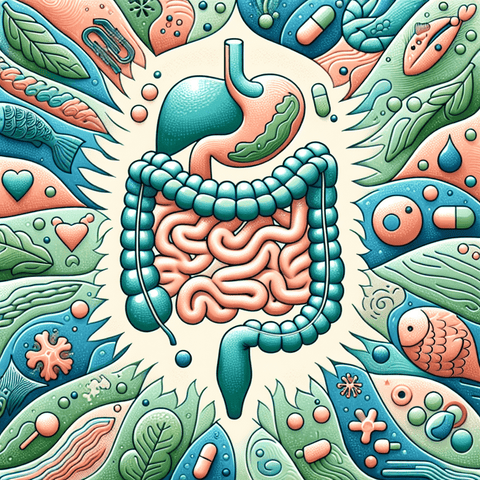
Omega-3 fatty acids, particularly EPA and DHA, are essential nutrients that the body cannot produce efficiently on its own. Understanding how these fatty acids are absorbed is key to understanding how they become available for use throughout the body. This tag page provides a broad overview of the topic, covering the digestion and absorption process, factors that can influence bioavailability, and the practical considerations that are often discussed in relation to omega-3 nutrient absorption.
What Omega-3 Nutrient Absorption Means
Omega-3 nutrient absorption refers to the series of biological steps that allow EPA and DHA to move from the digestive tract into the bloodstream and, from there, to tissues throughout the body. Because omega-3s are fats, their absorption follows the general pathways used for dietary fat digestion, but with specific details that are relevant to how efficiently different sources and forms are taken up.
The process begins in the stomach and small intestine, where fats are prepared for absorption. It continues through the intestinal wall and into the lymphatic system before reaching general circulation. Each step offers opportunities for variation, which is why absorption efficiency is not identical for everyone or for every omega-3 product.
The Digestion and Absorption Process
The absorption of omega-3s involves several coordinated steps. These steps are often described in the context of general fat digestion, and they help explain why factors such as bile production, pancreatic function, and the presence of other fats can matter.
Emulsification and Enzyme Breakdown
In the small intestine, bile salts emulsify fats, breaking large fat droplets into smaller ones. This increases the surface area available for pancreatic enzymes, such as lipases, to act. These enzymes break down triglycerides into free fatty acids and monoglycerides, including the omega-3 fatty acids EPA and DHA.
Micelle Formation and Uptake by Enterocytes
The products of fat digestion, including omega-3 fatty acids, combine with bile components to form mixed micelles. These micelles transport the fatty acids to the surface of enterocytes, the cells that line the intestinal wall. Once at the enterocyte membrane, the fatty acids are taken up into the cell.
Reassembly and Transport
Inside enterocytes, omega-3 fatty acids are re-esterified into triglycerides and packaged into lipoprotein particles called chylomicrons. These chylomicrons are released into the lymphatic system and eventually enter the bloodstream, delivering fatty acids to tissues. This sequence—emulsification, micelle formation, cellular uptake, reassembly, and lipoprotein transport—forms the core flow of omega-3 absorption.
Factors That May Affect Omega-3 Bioavailability
Bioavailability refers to the proportion of a nutrient that is absorbed and becomes available for use. For omega-3s, several broad factors are commonly discussed in relation to absorption efficiency.
- Chemical form: Omega-3s are often found in triglyceride or ethyl ester form. The form can influence how the fatty acids are hydrolyzed and reassembled during digestion.
- Presence of dietary fat: Consuming omega-3s with a fat-containing meal may support emulsification and micelle formation, which are necessary for absorption.
- Food matrix: Omega-3s from different sources, such as fish, flaxseed, or algal oil, may be absorbed at different rates depending on the overall composition of the food.
- Digestive health: Conditions that affect fat digestion or bile production may influence absorption efficiency.
- Individual variability: Age, genetics, and overall health status can contribute to differences in absorption between individuals.
Gut Microbiota and Omega-3 Metabolism
The gut microbiota is an area of ongoing research in relation to omega-3 metabolism. Some studies suggest that gut bacteria may influence how omega-3s are processed, but the exact mechanisms and clinical implications are still being explored. This topic is often discussed as part of the broader conversation about gut health and nutrient absorption.
Comparing Absorption from Different Sources
Omega-3s can be obtained from various dietary and supplemental sources, each with its own characteristics. Fish and fish oil are common sources of EPA and DHA. Flaxseed and other plant sources provide ALA, which the body must convert to EPA and DHA, a process that is generally considered inefficient. Algal oil is a direct source of DHA and sometimes EPA, suitable for those following vegetarian or vegan diets.
Absorption from these sources can vary based on the form of the omega-3s and the presence of other fats in the meal. For example, the triglyceride form found in fish oil may be absorbed differently than the ethyl ester form used in some supplements. At a broad level, the key point is that source and form are among the factors that can influence bioavailability.
Practical Considerations for Supporting Absorption
For those interested in omega-3 nutrient absorption, several general considerations are often mentioned. These are not medical recommendations, but rather points that may be relevant when thinking about how to support uptake.
- Take omega-3s with a meal that contains some fat to support emulsification and micelle formation.
- Consider the chemical form of the omega-3 supplement and how it may influence absorption.
- Maintain consistent intake over time to support ongoing availability of EPA and DHA.
- Be aware that individual differences in digestion and gut function can affect absorption.
If you have a condition that affects fat absorption or digestive function, or if you are considering omega-3 supplements for a specific health goal, it is advisable to consult a qualified healthcare professional for personalized guidance.
Exploring Omega-3 Supplements and Related Topics
This tag page is part of a broader collection of articles on omega-3s and nutrient absorption. For those interested in supplement options, our DHA and EPA omega-3 supplements category provides an overview of available products. You can also explore our phospholipid supplements for related nutrient forms. Additionally, our probiotics and prebiotics supplements category may be of interest to those exploring gut health topics.
Common Questions About Omega-3 Absorption
Several questions often arise in relation to omega-3 absorption. While this tag page provides a broad overview, more specific questions may be addressed in individual blog articles associated with this tag.
- Why is fish oil sometimes discussed differently now than in the past?
- Does omega-3 play a role in gut lining health?
- What factors can deplete omega-3 fatty acids in the body?
- Which foods contain the highest amounts of omega-3 fatty acids?
These topics are mentioned here to provide context. For more detailed answers, readers may wish to explore the individual articles linked to this tag.