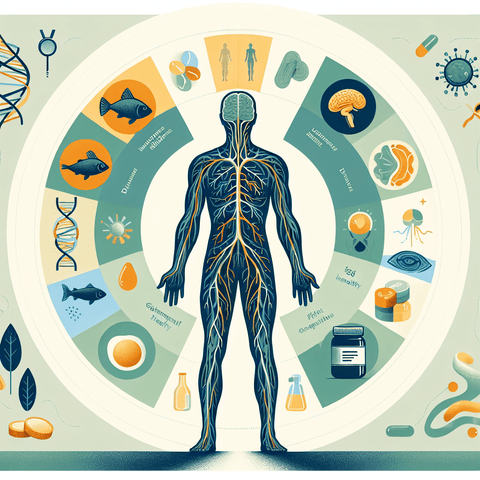
Pernicious anemia is a condition in which the body cannot absorb enough vitamin B12, most often because the immune system damages the stomach cells that produce intrinsic factor — the protein needed to take up B12 from food. When vitamin B12 runs low, red blood cell production and nerve function can both be affected, which is why a clear understanding of the condition is worthwhile. This page provides a broad overview of pernicious anemia: what it is, its most common signs and symptoms, what causes it, how it is diagnosed, how treatment works, and what the long-term outlook looks like. More specific questions are explored in the related articles collected under this tag.
What Is Pernicious Anemia?
Pernicious anemia is a form of megaloblastic anemia, meaning the bone marrow produces red blood cells that are unusually large and structurally immature. It develops when the stomach produces too little — or none — of a protein called intrinsic factor, which the small intestine needs to absorb vitamin B12. Without intrinsic factor, dietary B12 passes through the digestive tract largely unabsorbed and the body's stores slowly decline. Because the body draws on those stores gradually, symptoms may take months or years to become noticeable.
Vitamin B12 plays a central role in producing healthy red blood cells, supporting normal DNA formation, and maintaining the nervous system. When levels fall too low, blood cell production and nerve function can both be affected. Pernicious anemia is one of the best-known causes of vitamin B12 deficiency that stems from malabsorption rather than a lack of B12 in the diet.
How Pernicious Anemia Differs from Other Types of Anemia
Anemia is an umbrella term for a shortage of healthy red blood cells or hemoglobin, and the causes vary widely. Iron-deficiency anemia, one of the most common types, results from too little iron, whereas pernicious anemia results from a shortage of vitamin B12 caused by an absorption problem. That distinction matters, because the two conditions call for different approaches to care — one more reason professional testing should come before any supplementation decisions.
Common Signs and Symptoms of Pernicious Anemia
Symptoms of pernicious anemia tend to appear gradually, and they can be easy to dismiss at first. The signs most often reported include:
- Persistent fatigue that can become extreme
- General weakness
- Shortness of breath, especially during physical activity
- Pale or slightly yellowish skin
- Dizziness or lightheadedness
- Numbness or tingling in the hands and feet
- Brain fog, including difficulty concentrating or thinking clearly
Neurological changes such as numbness, tingling, and difficulty concentrating deserve particular attention, because they suggest that low vitamin B12 may be affecting the nervous system. Since these symptoms overlap with many other conditions, they cannot confirm pernicious anemia on their own. Anyone experiencing persistent fatigue, unexplained neurological sensations, or several of the signs listed above should consult a healthcare professional for appropriate testing.
What Causes Pernicious Anemia?
In most cases, pernicious anemia is an autoimmune condition. Specialized cells in the stomach lining, called parietal cells, normally produce intrinsic factor; in autoimmune gastritis, the immune system attacks these cells or the intrinsic factor they produce. When intrinsic factor is lacking, vitamin B12 from food can no longer be absorbed properly, and deficiency develops over time — even when dietary intake seems adequate.
Autoimmune gastritis is not the only route to intrinsic factor deficiency. Other contributing factors can include surgical procedures that remove or bypass part of the stomach, conditions or treatments that damage the stomach lining, and disorders affecting the small intestine. Pernicious anemia also tends to occur alongside other autoimmune disorders, and it is generally considered a chronic condition rather than a short-term one.
How Pernicious Anemia Is Diagnosed
Because pernicious anemia shares symptoms with many other conditions, diagnosis depends on medical history, physical examination, and blood tests interpreted together. A clinician will look for a pattern consistent with macrocytic anemia — red blood cells that are larger than normal — alongside markers of vitamin B12 status. Tests commonly used include:
- A complete blood count (CBC) to identify macrocytic (megaloblastic) anemia patterns
- Serum vitamin B12 measurement
- Methylmalonic acid (MMA) and homocysteine tests, which can rise when B12 levels are low
- Intrinsic factor antibody testing, which helps support an autoimmune diagnosis
- Additional assessments where needed, including markers of nerve involvement and related metabolic indicators
No single test is definitive in isolation, and results are always interpreted in context. Diagnosis should be made by a healthcare professional, since both symptoms and laboratory patterns can have alternative explanations that call for different care.
Treatment and Ongoing Management
The goal of treatment is to restore the body's vitamin B12 levels and then maintain them, since the underlying absorption problem is usually lifelong. Treatment needs vary from person to person, so plans are individualized and coordinated by healthcare professionals, with regular follow-up to track symptoms and blood values.
Common medical approaches include:
- Vitamin B12 injections, typically used first to replenish the body's stores
- High-dose oral or sublingual vitamin B12 supplementation, which may be an option for some people depending on the cause and severity of the deficiency
- Ongoing maintenance therapy and periodic blood monitoring to confirm that B12 levels, red blood cells, and symptoms remain stable over time
Supplementation is central to life with pernicious anemia, and the form of vitamin B12 matters when reviewing options. Methylcobalamin and cyanocobalamin are the two most common forms of B12 used in supplements; neither form is inherently superior, and the most suitable choice depends on personal circumstances and clinical guidance. If you are comparing products, our vitamin B supplement collection brings together vitamin B12 and other B vitamins in a range of forms. Any treatment doses — as distinct from general nutritional use — should always be determined by your healthcare provider.
Diet and Vitamin B12 Food Sources
Because the core problem in pernicious anemia is absorption rather than intake, dietary changes alone cannot correct the condition. Nevertheless, knowing where vitamin B12 comes from is useful for maintaining overall nutritional status, and it matters for people at risk of ordinary dietary B12 deficiency. Foods that naturally contain vitamin B12 are almost exclusively animal-derived:
- Meat and poultry
- Fish and shellfish
- Eggs
- Milk, cheese, and other dairy products
- Fortified foods, such as plant-based milks, breakfast cereals, and fortified nutritional yeast
People following vegan or vegetarian diets, as well as anyone with reduced B12 absorption, may need to pay particular attention to their intake and should discuss suitable options — including fortified foods and supplements — with a healthcare professional. Fortified foods and supplements can contribute to overall vitamin B12 intake, but they do not replace medically supervised treatment for pernicious anemia.
Living with Pernicious Anemia: Prognosis and Daily Life
One of the most common questions about pernicious anemia concerns the long-term outlook. For most people who receive a timely diagnosis and consistent, medically supervised treatment, the outlook is positive: vitamin B12 therapy is aimed at correcting the deficiency and supporting recovery, and regular monitoring helps keep the condition under control. Because the absorption problem itself is usually lifelong, maintenance therapy and periodic blood tests are typically part of ongoing care.
Daily habits play a supporting role. Many people ask whether alcohol is compatible with pernicious anemia; there is no single answer that applies to everyone, but alcohol can affect nutrient absorption and overall blood health, so intake is commonly discussed as part of managing any B12-related condition. The most reliable guidance comes from your own healthcare provider, who can weigh your overall health, current B12 status, and treatment plan.
Beyond that, general wellbeing measures — a balanced diet, attention to energy levels, and staying alert to any return of symptoms — help round out day-to-day management under professional supervision.
Frequently Asked Questions
Can you live a long life with pernicious anemia?
For most people who receive a timely diagnosis and consistent, medically supervised treatment, pernicious anemia can be managed effectively over the long term. The essential point is continuity: because the underlying absorption problem does not resolve on its own, treatment is typically maintained for life, with regular monitoring to keep B12 levels and blood values in a healthy range.
How do you fix pernicious anemia?
Pernicious anemia cannot be corrected through diet alone, because the body cannot absorb vitamin B12 properly without intrinsic factor. Treatment focuses on restoring B12 levels — usually with injections or, in some cases, high-dose oral or sublingual supplementation prescribed by a clinician — followed by long-term maintenance and periodic blood tests. Any treatment decisions should be made together with a healthcare professional.
What are the signs of pernicious anaemia?
The most common signs are persistent fatigue, weakness, shortness of breath during activity, pale or yellowish-tinged skin, and dizziness. As deficiency progresses, numbness or tingling in the hands and feet and brain fog can also appear. Because these symptoms develop gradually and overlap with other conditions, blood testing is the only reliable way to confirm the cause.
Can I drink alcohol with pernicious anemia?
Alcohol is not automatically off-limits for everyone with pernicious anemia, but it can affect nutrient absorption and blood health in general, so intake is worth discussing with your doctor. Individual circumstances vary — particularly while B12 levels are still being stabilized — so it is best to follow the guidance of the clinician managing your treatment.
Exploring Pernicious Anemia Further
The articles collected under this tag explore individual aspects of pernicious anemia in greater depth — from vitamin B12 deficiency and its neurological effects to testing, supplementation choices, and related nutrient topics. Browse the related articles below to continue learning. As a final note, the information on this page is general education rather than personalized medical advice, and a healthcare professional should always be your first point of contact for diagnosis and treatment.