Pflanzenbasierte Omega-3: Einfache, nachhaltige Quellen zur Steigerung Ihrer Gesundheit


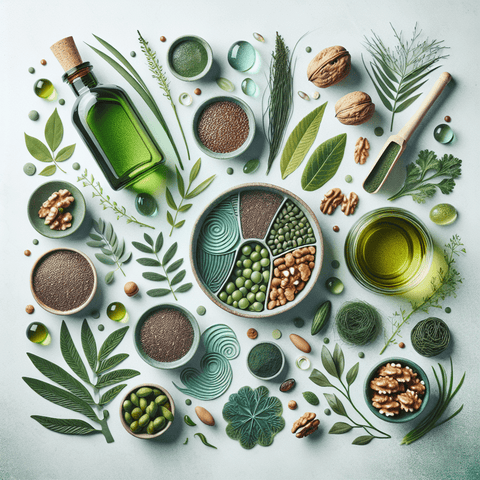
Entdecke einfache, nachhaltige pflanzliche Omega-3-Quellen mit praktischen Tipps, einfachen Rezepten und Top-Auswahl wie Leinsamen, Chiasamen und Algen. Diese Seite fokussiert sich auf pflanzliches Omega-3 und hebt zugängliche Wege hervor, diese Zutaten in den Alltag zu integrieren. Du findest Ideen für Vorratsartikel, schnelle Ergänzungen und vielseitige Optionen, die verschiedenen Geschmäckern und Kochstilen entsprechen. Der Schwerpunkt liegt auf praktischem Gebrauch und zugänglichen Wahlmöglichkeiten für einen pflanzenbasierten Lebensstil. Pflanzliches Omega-3 stammt aus mehreren Quellen. Leinsamen und Chiasamen sind bekannt für ihren ALA-Gehalt, während Algen DHA- und EPA-Formen liefern. Die Optionen unterscheiden sich im Geschmack, in der Textur und in ihrer Integration in Rezepte, sodass das Mischen von Quellen die Menüs abwechslungsreich und interessant hält. Tipps zur Einbindung von pflanzlichem Omega-3: Mahle Leinsamen kurz vor der Verwendung für die beste Textur, weiche Chiasamen ein, um Gele zu erstellen, und lagere Samen an einem kühlen, dunklen Ort. Verwende Leinsamenmehl in Backwaren oder Smoothies, streue Chia auf Joghurt oder Müsli und ziehe Algenöl oder -ergänzungen in Betracht, um die Vielfalt zu erhöhen. Beginne mit kleinen Mengen und passe sie allmählich an den Geschmack und die Textur an. Einfache Rezepte zum Ausprobieren: ein Chia-Pudding mit pflanzlicher Milch und Toppings, ein Leinsamen-Crackermix, der mit Kräutern gebacken wird, und ein schnelles Algenöl-Vinaigrette für Salate. Ein Smoothie mit Spinat, Banane und einem Teelöffel gemahlenem Leinsamen ist eine weitere einfache Option. Diese Ideen zeigen die Vielseitigkeit pflanzlicher Omega-3-Quellen, ohne dass spezielle Zutaten notwendig sind.


Which oil is the healthiest omega-3? - Topvitamine
January 07, 2026
Das beste Omega-3-Öl hängt von Ihren Zielen und Ihrer Ernährungsweise ab. Fischöl liefert EPA und DHA, Algenöl ist eine vegane Quelle für vorgeformtes DHA und teilweise EPA, während Leinöl vor allem ALA enthält. Dieser Vergleich erklärt die Unterschiede, wichtige Qualitätsmerkmale und mögliche Vorsichtsmaßnahmen – einschließlich der Fragen zu Neurodermitis, Verstopfung und Vorhofflimmern.
Where is a lot of omega 3 found? - Topvitamine
December 02, 2025
Omega-3-Quellen finden sich vor allem in fettem Fisch wie Lachs, Hering, Makrele und Sardinen. Leinsamen, Chiasamen, Walnüsse und bestimmte Öle liefern die pflanzliche Omega-3-Fettsäure ALA. Wer kein Fisch isst, kann Algenöl als Quelle für DHA und je nach Produkt auch EPA nutzen. Dieser Überblick erklärt außerdem die drei Omega-3-Fettsäuren, den Unterschied zwischen Lebensmitteln und Supplementen sowie wichtige Sicherheitshinweise.
Which omega 3 is the best? - Topvitamine
November 03, 2025
Welches Omega-3 das beste ist, hängt von Ihren Zielen, der Quelle und dem Gehalt an EPA und DHA ab. Dieser Ratgeber erklärt die Unterschiede zwischen Fischöl, Algenöl und pflanzlichem ALA, zeigt wichtige Kriterien für die Produktauswahl und beantwortet häufige Fragen zu Neurodermitis, Rheuma, Verstopfung und Vorhofflimmern. Außerdem erfahren Sie, wann ärztlicher Rat vor der Einnahme sinnvoll ist.
Is avocado rich in omega 3? - Topvitamine
October 31, 2025
Avocados enthalten zwar etwas pflanzliches Omega-3 in Form von ALA, gehören aber nicht zu den besonders reichhaltigen Omega-3-Quellen. Ihr wichtigster ernährungsphysiologischer Beitrag sind einfach ungesättigte Fette, Ballaststoffe, Kalium und verschiedene Vitamine. Dieser Artikel erklärt den Unterschied zwischen ALA, EPA und DHA, vergleicht Avocado mit Leinsamen und Chiasamen und beantwortet, ob eine Avocado pro Tag sinnvoll sein kann.
Which plant-based foods are highest in omega-3? - Topvitamine
October 29, 2025
Pflanzliche Omega-3-Lebensmittel liefern vor allem Alpha-Linolensäure (ALA). Besonders reichhaltig sind Leinsamen, Chiasamen, Walnüsse und Hanfsamen. Da der Körper ALA nur begrenzt in EPA und DHA umwandelt, kann für Menschen ohne Fischkonsum auch Algenöl interessant sein. Dieser Ratgeber erklärt die Unterschiede, zeigt praktische Verwendungsmöglichkeiten und gibt Hinweise zur Auswahl veganer Omega-3-Ergänzungen.
What is the best omega-3 on the market? - Topvitamine
October 21, 2025
Das beste Omega-3-Präparat hängt nicht allein von der Marke ab, sondern von EPA- und DHA-Menge, Quelle, Frische, geprüfter Qualität und persönlicher Ernährungsweise. Dieser Ratgeber vergleicht Fischöl, Algenöl und weitere Formen, erklärt natürliche DHA- und EPA-Quellen und beantwortet wichtige Fragen zu Dosierung, möglichen Mangelzeichen und Sicherheit. So können Sie Omega-3-Produkte sachlich und passend zu Ihren Bedürfnissen auswählen.

Plant-based omega-3 is a topic that covers more than just a single food or supplement. It includes a family of fatty acids, several different plant sources, and a range of ways to include them in a modern diet. This guide provides a high-level overview of the subject, helping you understand the main concepts, sources, and practical considerations.

Understanding Plant-Based Omega-3

Omega-3 fatty acids are a family of polyunsaturated fats that are part of the normal human diet. The three main types are ALA, DHA, and EPA. The crucial difference from a dietary perspective is the source. While DHA and EPA are commonly associated with marine sources like fish, they originate from algae. ALA is predominantly found in plant seeds and oils.

Plant-based omega-3s are therefore those derived from botanical sources. This includes seeds like flax, chia, and hemp, as well as oils from these seeds. A significant development is the availability of algae-based oils, which can provide a direct source of DHA and EPA without marine ingredients, fitting comfortably within a plant-based lifestyle.

Understanding these basic distinctions is the first step in navigating the many options available and choosing the approach that best fits your dietary needs and preferences.

Key Plant-Based Sources of Omega-3

There are several primary plant sources for omega-3, each with its own nutritional profile and culinary characteristics.

The most common sources are seeds, which are known for their ALA content:

  • Flaxseeds and flaxseed oil: These are one of the richest plant sources of ALA. Flaxseeds can be ground for better nutrient absorption and used in baking or smoothies.
  • Chia seeds: Also a great source of ALA, chia seeds have the unique ability to form a gel when soaked, making them useful for puddings and as a textural addition to various recipes.
  • Hemp seeds: These provide a smaller amount of ALA but also contain other beneficial nutrients, making them a simple add-in for salads or oatmeal.

Beyond seeds, the most direct plant-based source of DHA and EPA is microalgae. Algae oil supplements and culinary oils are increasingly common, offering a way to get these specific forms without fish or krill.

If you are considering a supplement, exploring a dedicated selection of DHA and EPA supplements can help you understand the options available, including those derived from algae.

How to Add Plant-Based Omega-3 to Your Diet

Incorporating these sources is generally straightforward, as they are versatile ingredients. Here are some practical tips for everyday use.

Simple Ways to Use Seeds

Seeds are the most accessible starting point. To get the most from flaxseeds, grinding them just before use is often recommended, as this makes the nutrients more accessible. You can add ground flax to smoothies, oatmeal, or use it as an egg substitute in baking.

Chia seeds, when soaked in liquid, create a gel-like texture. This property is perfect for making puddings or for adding thickness and body to sauces and jams. Sprinkling chia or hemp seeds over yogurt, cereal, or salads is another effortless way to boost your intake.

Cooking with Oils

Flaxseed and algae oils are options to consider when thinking about adding plant-based omega-3 through cooking. A quick algae-oil vinaigrette for salads is a simple example. Over time, you can start with small quantities to find what works best for your taste and texture preferences.

Storing these oils correctly is important. Keeping them in a cool, dark place helps preserve their quality over time, much like other delicate oils.

Recipe Ideas to Get Started

Starting with simple recipes can help you get comfortable with these ingredients. Some easy ideas include a chia pudding made with plant-based milk, a batch of flaxseed crackers baked with herbs, or a smoothie that combines spinach, banana, and a teaspoon of ground flax. These ideas demonstrate the flexibility of plant-based omega-3 sources without requiring specialized equipment or hard-to-find items.

General Considerations for Supplements

For some, getting omega-3 from food alone might be challenging, as ALA conversion to DHA and EPA in the body is not always efficient. This is why algae-based supplements are popular; they provide pre-formed DHA and EPA.

As with any supplement, it is important to approach them as a complement to a balanced diet, not a replacement for it. There is no one-size-fits-all approach, and individual needs can vary. If you are considering a supplement, it is a good practice to review the product information carefully and consider seeking guidance from a qualified healthcare professional.

For a broader look at nutritional supplements, you can explore the Topvitamine natural supplements collection

Exploring the Topic Further

This guide covers the foundational information about plant-based omega-3. There are many more specific aspects to explore, from the differences between ALA, DHA, and EPA, to the best ways to pair these foods with other nutrients.

Deep dives into specific questions, such as the taste profile of algae oil, comparison between different seed types, or advanced culinary techniques, are best addressed in dedicated resources that can provide the necessary focused attention. In the meantime, the key takeaway is that plant-based omega-3s are a diverse and accessible topic, and starting with the basics is the best way to move forward.