
Pflanzenbasierte Probiotika sind ein Begriff, der verwendet wird, um mikrobielle Gemeinschaften zu beschreiben, die mit pflanzenbasierten Substraten und Fermentationskontexten verbunden sind. Diese Seite konzentriert sich auf die Idee, pflanzenbasierte Probiotika als eine Möglichkeit zu verstehen, wie bestimmte Mikroorganismen innerhalb pflanzenorientierter Rahmenbedingungen existieren können. Der Schwerpunkt liegt auf Klarheit darüber, was das Konzept umfasst und wie es in ein breiteres Interesse an pflanzenbasierter Ernährung und Lebensstiloptionen passt. Im Bereich der pflanzenbasierten Probiotika hebt die Diskussion häufig Fermentationsprozesse und Pflanzenmatrizen als Räume hervor, in denen mikrobielle Lebensformen vorhanden sein oder kultiviert werden können. Die Diskussion bleibt neutral in Bezug auf Ergebnisse und betont das Verständnis dafür, wie solche Probiotika in pflanzenbasierte Kontexte eingebunden sind, anstatt Bewertungen über gesundheitliche Wirkungen abzugeben. Das Ziel ist es, einen durchdachten Blick auf die Ursprünge und Verhaltensweisen dieser Mikroorganismen in pflanzenbasierten Umgebungen zu bieten. Einfache Schritte, um pflanzenbasierte Probiotika zu erkunden, umfassen das Erlernen wichtiger Begriffe, das Überprüfen von Materialien, die lebende oder aktive Kulturen in pflanzenorientierten Kontexten beschreiben, und das Nachdenken darüber, wie verschiedene pflanzenbasierte Zubereitungsmethoden mit dem Konzept zusammenhängen. Man kann eine einfache Routine für Beobachtungen etablieren, eine neutrale Aufzeichnung von Erkenntnissen und Fragen führen und bei spezifischen Überlegungen Rat bei einem Fachmann suchen. Der Fokus liegt auf zugänglichem Lernen und sorgfältiger Reflexion, statt auf Erfolgsgarantien. Indem man die Aufmerksamkeit auf pflanzenbasierte Probiotika richtet, lädt man zu einem neugierigen, informierten Umgang mit der Schnittstelle zwischen pflanzenorientierten Optionen und Fermentation ein. Diese Seite fordert dazu auf, den Begriff „pflanzenbasierte Probiotika“ zu erkunden, Perspektiven zu vergleichen und ein klareres Bild davon zu entwickeln, was dieses Gebiet umfasst – stets unter Berücksichtigung persönlicher Bedürfnisse und Fragen.
Pflanzenbasierte Probiotika: Steigern Sie Ihre Darmgesundheit auf natürliche Weise
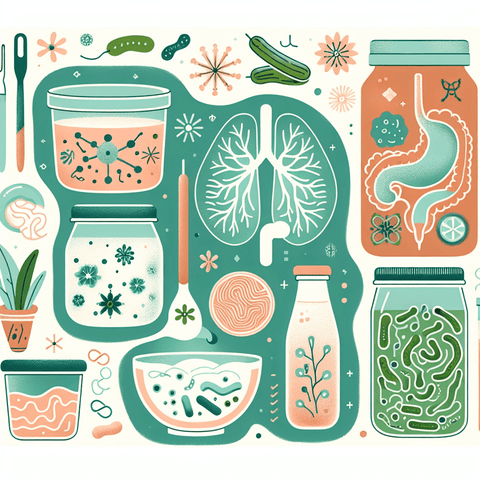
Plant-based probiotics bring together two ideas many readers are curious about: live microbial cultures and a plant-forward way of eating. Instead of dairy-based staples such as yogurt or kefir, plant-based probiotics are typically found in fermented plant foods and in vegan-friendly supplements. This tag page offers a broad overview of the topic — what the term means, where these cultures come from, how probiotics relate to prebiotic fibre, and what to keep in mind when choosing products.
The articles gathered under this tag explore specific questions in more depth, from individual foods to digestive topics. This page provides the map of the subject: the core concepts, the main sources, and the practical considerations that apply to most people. It is general information rather than personalised medical advice.
What Are Plant-Based Probiotics?
The term probiotic is generally used to describe live microorganisms — certain bacteria and yeasts — consumed through foods or supplements. Plant-based probiotics are not a separate scientific category; the phrase is a practical way of referring to probiotic cultures that come from plant-derived sources or that suit plant-based diets.
In practice, the term covers two overlapping areas: fermented plant foods that may contain live cultures, and probiotic supplements formulated without dairy or other animal-derived ingredients. Both appeal to people following vegan or vegetarian diets, people with dairy sensitivities, and anyone who simply prefers plant-forward options.
How Plant-Based Differs From Dairy-Based Sources
Traditional probiotic foods such as yogurt, kefir and some cheeses use milk as their fermentation base. Plant-based versions replace that base with vegetables, legumes, grains, tea or nuts — and the microbes involved can differ as well. Cabbage, for example, ferments with lactic acid bacteria naturally present on its leaves, tempeh relies on a specific mould starter, and kombucha depends on a community of bacteria and yeast. Because ingredients and processes vary, the cultures in plant-based foods are often diverse rather than standardised.
Common Sources of Plant-Based Probiotics
Fermented plant foods are the most familiar starting point. Depending on the preparation, they may contain live microorganisms — although heating, pasteurising or long storage can reduce or remove live cultures, so labels and storage guidance are worth checking. Common examples include:
- Sauerkraut and other brine-fermented vegetables, particularly raw, unpasteurised versions sold in the refrigerated section
- Kimchi, a Korean fermented vegetable dish — check the label if you avoid animal products, as some versions contain seafood
- Miso, a Japanese paste made from fermented soybeans or other legumes and grains
- Tempeh, a firm Indonesian cake made from fermented soybeans
- Kombucha, a fizzy fermented tea drink
- Plant-based yogurts and kefirs made from soy, oat, coconut or nuts and labelled with live and active cultures
Plant-Based Probiotic Supplements
Supplements offer a more standardised option. Vegan probiotic capsules and powders typically list specific bacterial strains and amounts, and are formulated without dairy or other animal-derived ingredients. As with foods, quality, storage and labelling vary between products, so reading the label — including strain names, storage instructions and ingredients — is a sensible habit. If you would like to see the types of formulations available, you can browse our probiotics and prebiotics supplements collection.
Probiotics, Prebiotics and Plant-Based Diets
Plant-based eating connects naturally to the broader probiotic conversation, because plant foods are the main dietary source of prebiotic fibres — fibres that microorganisms in the gut can ferment. The two concepts are related but distinct: probiotics refer to the microorganisms themselves, while prebiotics refer to the substances they can use. Legumes, whole grains, vegetables, fruit, nuts and seeds supply these fibres, and many fermented plant foods also contain fibre from their base ingredients.
This is one reason discussions about plant-based probiotics so often extend to overall diet quality and variety. If you are broadening a plant-forward pantry, our superfoods guide offers a structured look at popular nutrient-dense plant foods and how they are commonly used.
Practical Considerations and General Safety
A few general points apply to most plant-based probiotic foods and supplements:
- Check labels for terms such as live, active or fermented cultures, and note whether a product has been pasteurised, since heat treatment can remove live cultures
- Store products as directed — many live-culture foods and supplements need refrigeration
- Introduce fermented foods gradually if you are new to them, as larger portions can take some getting used to
- With supplements, look at clearly listed strain names and amounts rather than marketing claims alone
Individual responses to probiotic foods and supplements vary, and research in this field continues to develop. General information like this page cannot account for your personal situation. If you have a diagnosed health condition, a weakened immune system, or you take prescription medication, speak with a doctor or other qualified professional before adding probiotic products to your routine. This is especially relevant for anyone on immunosuppressive therapy, where professional guidance matters most.
Common Questions About Plant-Based Probiotics
Below are concise answers to some of the questions people most often ask about this topic. The individual articles under this tag explore them in more depth.
What Is the Best Natural Probiotic to Take?
There is no single best option for everyone. Different foods and supplements contain different strains, and what suits one person may not suit another. A practical approach is to build variety — for example, rotating fermented plant foods such as sauerkraut, kimchi, miso and kombucha — and, if you consider a supplement, choosing one with clearly listed strains. Your diet, preferences and any personal health considerations should guide the choice, ideally with professional input where relevant.
Are Plant-Based Probiotics Relevant for Constipation or Acid Reflux?
Digestive comfort is one of the most common reasons people explore probiotics. Research on probiotics and specific complaints such as constipation or acid reflux (GERD) is ongoing, and findings vary depending on the strains studied and the individual concerned. Probiotic foods and supplements are not a replacement for medical care, so persistent symptoms deserve a conversation with a healthcare professional. Dedicated articles under this tag look at these questions in more detail.
Can Probiotics Be Combined With Prescription Medication?
Because probiotics contain live microorganisms, combining them with prescription medicines — particularly immunosuppressive therapies — is a question for a doctor or pharmacist rather than a general page like this one. If you take any medication, ask your prescribing professional before starting a probiotic, and never adjust your treatment on your own.
Exploring Plant-Based Probiotics Further
This page is designed as a starting point rather than an endpoint. The articles collected under this tag go deeper into specific foods, supplement types, digestive questions and lifestyle contexts. Begin with the section that matches your current question, then follow the topics that interest you most. However you approach plant-based probiotics, a curious, well-informed mindset — supported by professional guidance where your personal situation calls for it — is the most dependable way forward.