Pflanzenbasierte Vitamine: Steigern Sie Energie, Immunität und Wohlbefinden auf natürliche Weise


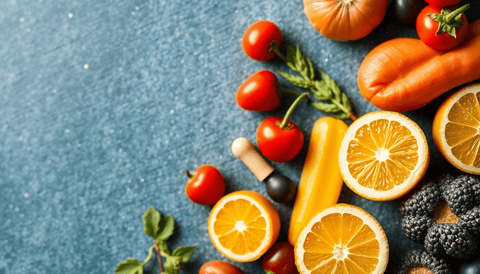
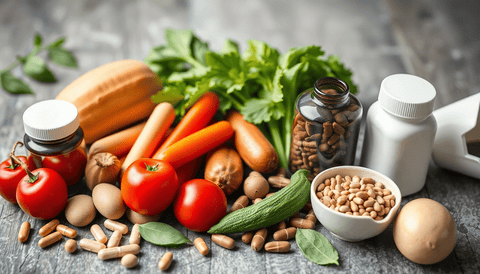
Pflanzenbasierte Vitamine stehen an der Schnittstelle von Ernährungsplanung und einem pflanzenorientierten Lebensstil. Diese Seite konzentriert sich darauf, was pflanzenbasierte Vitamine sind, wo sie herkommen und wie sie in tägliche Entscheidungen passen. Hier finden Sie praktische Tipps, einen Blick auf gängige Lebensmittelquellen und Ratschläge zur klugen Auswahl von Ergänzungsmitteln – alles mit Fokus auf pflanzenbasierte Vitamine. Praktische Tipps umfassen den Aufbau von Vielfalt über verschiedene Pflanzenarten, um die Vitaminaufnahme zu ergänzen, das Lesen von Etiketten auf angereicherten Produkten sowie das einfache Festhalten dessen, was Sie konsumieren. Erwägen Sie, verschiedene pflanzenbasierte Lebensmittel zu kombinieren, um den Bereich der Vitamine, denen Sie im Laufe eines Tages oder einer Woche begegnen, zu erweitern. Wenn Sie spezielle Ernährungsbedürfnisse oder gesundheitliche Überlegungen haben, kann eine Beratung durch einen Arzt oder eine registrierte Ernährungsfachkraft helfen, einen Plan zu erstellen, der Ihren Zielen entspricht. Die wichtigsten Lebensmittelquellen für pflanzenbasierte Vitamine reichen über ein breites Spektrum. Blattgrün und Kreuzblütler enthalten Folat und Vitamin K, während helle Zitrusfrüchte und Paprika mit Vitamin C verbunden sind. Gelbe und orangefarbene Gemüse liefern Vorstufen für Vitamin A, und Hülsenfrüchte, Vollkornprodukte sowie angereicherte Cerealien können B-Vitamine beitragen. Nüsse, Samen und einige angereicherte pflanzliche Milchprodukte oder Cerealien ergänzen Vitamin E und andere Nährstoffe. Diese Vielfalt zeigt, wie pflanzenbasierte Vitamine in verschiedenen Küchenklassikern vorkommen können, ohne sich auf eine einzige Quelle zu konzentrieren. Intelligente Ergänzungsmittel-Auswahl betont Praktikabilität und Qualität. Bei der Auswahl von Supplements mit pflanzenbasiertem oder veganem Label sollten Sie auf klare Zutatenlisten, renommierte Zertifizierungen und unabhängige Prüfungen achten. Überprüfen Sie Zertifizierungen, die die Vegan-Tauglichkeit bestätigen, und seien Sie vorsichtig bei unnötigen Füllstoffen oder Zusatzstoffen. Wenn Sie Medikamente nehmen oder gesundheitliche Bedenken haben, sprechen Sie mit einem Arzt oder einer medizinischen Fachkraft über Ihre Supplement-Entscheidungen, um sicherzustellen, dass diese zu Ihrem Gesamtkonzept passen.


How to get multivitamins naturally? - Topvitamine
May 20, 2026
Entdecken Sie einfache und wirkungsvolle Möglichkeiten, Ihre Vitaminaufnahme auf natürliche Weise durch köstliche Lebensmittel und Lifestyle-Tipps zu steigern. Lernen Sie heute, wie Sie Ihre essenziellen Nährstoffe ohne Supplemente erhalten!
Plant-Based vs Synthetic Vitamins: What's the Difference? | Topvitamine - Topvitamine
September 13, 2025
Natürliche Nahrungsergänzungsmittel können aus Lebensmitteln, Pflanzen oder isolierten Nährstoffen stammen. Dieser Ratgeber erklärt, worin sich pflanzliche Vitamine und synthetische Vitamine unterscheiden, warum die Herkunft allein keine Aussage über Qualität oder Sicherheit erlaubt und welche Kriterien beim Kauf zählen. Außerdem erfahren Sie, wie Sie natürliche Supplemente sinnvoll beurteilen und wann eine ärztliche oder pharmazeutische Beratung wichtig ist.
Top 5 Vegan Supplements That Actually Work and Taste Great | Topvitamine - Topvitamine
July 22, 2025
Vegane Nahrungsergänzungsmittel können helfen, bestimmte Nährstoffe einer pflanzlichen Ernährung gezielt abzudecken. Dieser Ratgeber vergleicht Vitamin B12, Omega-3 aus Algenöl, Vitamin D3, Eisen und Probiotika. Sie erfahren, welche Funktionen diese Nährstoffe haben, worauf Sie bei Zutaten, Formen, Mengenangaben und Qualität achten sollten und wann eine fachliche Beratung sinnvoll ist.
Best Vegan Multivitamins for 2025 | Topvitamine - Topvitamine
July 06, 2025
Ein veganes Multivitamin kann helfen, die Auswahl pflanzlicher Nahrungsergänzungsmittel übersichtlich zu gestalten. Besonders wichtig sind je nach Ernährung und individuellem Bedarf Vitamin B12, Vitamin D, Jod, Eisen, Calcium, Zink und Omega-3-Fettsäuren. Dieser Ratgeber erklärt, worauf Sie bei Zusammensetzung, Dosierung, Zertifizierungen und Verträglichkeit achten sollten und warum ein Multivitamin nicht automatisch jede gezielte Ergänzung ersetzt.

Plant-based vitamins are a key consideration for anyone following a vegetarian, vegan, or flexitarian diet. They can also appeal to those simply looking to incorporate more plant-derived nutrients into their daily routine. This guide explains what plant-based vitamins are, how they differ from other supplements, and why they matter for everyday wellness. We’ll also explore common food sources, practical tips for building a balanced intake, and what to look for when choosing a supplement.

What Are Plant-Based Vitamins?

A plant-based vitamin is a supplement whose nutrients are derived from plant sources rather than animal-derived ingredients. This can include vitamins extracted from fruits, vegetables, herbs, and other botanicals. It is important to note that not all vitamins are naturally found in plants; for example, vitamin D3 is often derived from lanolin (sheep’s wool) or fish oil, though vegan versions from lichen are available.

Choosing plant-based vitamins is often about aligning supplement choices with a broader dietary ethos. For vegans and vegetarians, it helps ensure that their supplements fit within their lifestyle without compromising their values. It also reflects a preference for whole-food-derived nutrients, which some people find appealing, though it’s worth noting that ‘plant-based’ doesn’t automatically mean ‘better’—the quality and completeness of the formulation matter most.

Why Focus on Plant-Based Vitamins?

For many, the primary motivation is ethical consistency—ensuring all dietary components align with a plant-forward lifestyle. Others may be drawn to the potential for better absorption or tolerability, though individual responses vary. It’s also a matter of transparency:plant-based products often emphasize clean labels and simpler ingredient lists, which can be appealing in a crowded supplement market.

This page doesn’t aim to rank plant-based vitamins above other options. Instead, it provides a framework for understanding what they are, who they might suit, and how to approach them thoughtfully—whether through food choices or supplements.

Top Plant-Based Food Sources of Vitamins

One of the simplest ways to increase your intake of plant-based vitamins is through food. Here are some broad categories to keep in mind:

  • Leafy greens & cruciferous vegetables:These are often associated with folate, vitamin K, and various antioxidants.
  • Citrus fruits & peppers:Known for vitamin C, which supports immune function and skin health.
  • Yellow & orange vegetables:Carrots, sweet potatoes,and squash provide beta-carotene, a precursor to vitamin A.
  • Legumes, whole grains, & fortified cereals:These can be significant contributors of B vitamins, especially folate and B12 when fortified.
  • Nuts, seeds, & fortified plant milks:Often sources of vitamin E and other essential nutrients.

Building meals around these categories can help you cover a wide spectrum of vitamins naturally. Variety is key—no single plant food provides every vitamin, so a broad mix over the course of a week is more effective than relying on a few favorites.

How to Choose a Plant-Based Vitamin Supplement

When diet alone isn’t enough—or when you want extra assurance—a supplement can be a useful addition. But not all plant-based vitamins are created equal. Here’s a practical checklist for evaluating your options:

  • Check for third-party testing:Independent labs can verify purity, potency, and label accuracy.
  • Look for certifications:Vegan or vegetarian certifications help confirm the absence of animal-derived ingredients.
  • Read the ingredient list:Shorter lists with recognizable ingredients often indicate fewer unnecessary fillers or additives.
  • Consider the source of each nutrient:Some vitamins, like D3or B12, may have plant-derived versions;check the label or company website for details.

A quality plant-based multivitamin can offer a convenient baseline. For more targeted support, you might explore individual nutrients or specific supplement categories. You can also explore our multivitamins guide to better understand how complete formulas are structured.

Practical Tips for a Plant-Forward Vitamin Strategy

Building a successful approach to plant-based vitamins doesn’t require perfection. Instead, focus on consistency and variety:

  • Rotate your food choices:Different colors and types of produce bring different vitamins to your table.
  • Read labels on fortified products:Plant milks, yogurts,and cereals may have added vitamins;know what you’re getting.
  • Keep a simple record:Noting what you eat can help you spot gaps in your vitamin intake over a week or two.
  • Pair foods thoughtfully:Vitamin C can help with iron absorption from plant sources, so combining beans with bell peppers is a classic example.

For broader mineral support, you might also review your intake of key minerals like magnesium or calcium, which work alongside vitamins in many bodily processes. Our magnesium supplement guide offers a deeper dive if that’s a gap you’ve noticed.

Important Considerations and Safety

While plant-based vitamins can be a valuable part of your routine, they are not a substitute for a varied diet. Supplements are intended to fill gaps, not replace whole foods. Also, ‘natural’ or ‘plant-based’ does not guarantee safety or effectiveness—dosage, potency,and quality vary widely between products.

If you take medications or have underlying health conditions, it’s always wise to discuss supplement choices with a healthcare professional or registered dietitian. They can help you assess whether a particular vitamin or dosage is appropriate for your individual needs, and avoid potential interactions.

Exploring Your Plant-Based Vitamin Options

The world of plant-based vitamins is broad, spanning everything from single-nutrient supplements to comprehensive blends. Understanding your own dietary patterns, lifestyle, and health goals is the first step toward choosing what works best for you. Whether you prefer getting your vitamins from food, supplements, or a combination, a thoughtful approach will serve you better than a random one.

If you’re just starting out, our superfoods guide can help you identify nutrient-dense plant foods to prioritize in your daily meals.

Ultimately, plant-based vitamins are one tool in a larger wellness toolkit. By staying informed and choosing products mindfully, you can support your nutritional goals in a way that feels aligned with your values and your health.