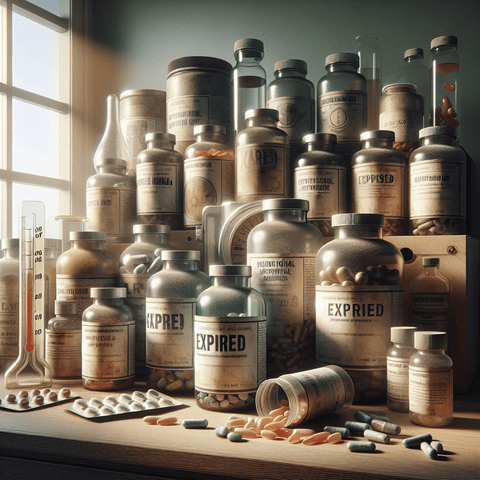
Wirkung alter Nahrungsergänzungsmittel: Sind klassische Formeln noch wirksam?


Wirkstärke alterer Ergänzungsmittel ist ein Thema, das eine sorgfältige, wissenschaftlich fokussierte Diskussion einlädt. Wenn wir klassische Formeln betrachten, lautet die zentrale Frage, was „Wirkstärke“ in diesem Kontext bedeutet: die Konzentration wichtiger Bestandteile, die Stabilität dieser Bestandteile im Laufe der Zeit und wie konsistent diese Mengen in verschiedenen Chargen reproduzierbar sind. Indem wir die Diskussion auf analytische Definitionen statt auf wahrgenommene Wirkungen ausrichten, können wir untersuchen, wie altbewährte Produkte formuliert wurden, wie Lagerungs- und Herstellungspraktiken ihre Zusammensetzung beeinflussen und wie sich das im Vergleich zu modernen Mischungen verhält. Historisch variierte die Wirksamkeit alter Supplemente stark, was auf Unterschiede bei Herkunft und Verarbeitung zurückzuführen ist. Rohstoffe unterschieden sich hinsichtlich Herkunft, Erntezeitpunkt und Qualität, während Extraktionsmethoden und Trocknungsprozesse weniger standardisiert waren. Verpackungs- und Lagerungsbedingungen konnten den Abbau beschleunigen oder Veränderungen im Konstituentenprofil verursachen. Ohne strenge Standardisierung war die Chargenvariabilität häufig, sodass die gemessene Wirksamkeit eher eine Reflexion der Lieferkette und Handhabung war als einer festen Formel. Dies unterstreicht die Bedeutung der analytischen Charakterisierung bei der Diskussion über Wirksamkeit, da Testergebnisse helfen, die tatsächliche Zusammensetzung eines Produkts jenseits der auf dem Label angegebenen Information zu offenbaren. Moderne Mischungen profitieren von Fortschritten in der Formulationswissenschaft und Qualitätskontrolle. Die Standardisierung von Extrakten, klar definierte Markerstoffe und engere Lieferketten ermöglichen es aktuellen Produkten, eine konsistentere Wirksamkeit über Chargen hinweg zu erzielen. Analytische Techniken wie Hochleistungsflüssigkeitschromatographie, Gaschromatographie-Massenspektrometrie und andere spektroskopische Methoden erlauben eine detaillierte Profilierung der Gehalte an Konstituenten und deren Stabilität. Darüber hinaus fördern Verbesserungen bei Verpackung, Haltbarkeitstests und regulatorischen Rahmenbedingungen eine zuverlässigere Wirksamkeit im Verlauf der Zeit. Während dies moderne Mischungen reproduzierbarer macht, bleibt der Schwerpunkt auf objektiven Messungen statt auf anecdotalen Eindrücken der Wirksamkeit. Bei der Bewertung der Wirksamkeit alter Supplemente im Vergleich zu modernen Mischungen ist es hilfreich, sich auf Kennzahlen wie Markerstoffkonzentration, Chargenreproduzierbarkeit und Stabilität unter üblichen Lagerbedingungen zu einigen. Unabhängige Tests und Zertifizierungen durch Dritte können Transparenz bezüglich der tatsächlichen Zusammensetzung und Stabilität eines Produkts bieten. Durch den Fokus auf die Wissenschaft der Wirksamkeit—wie Bestandteile gemessen, kontrolliert und erhalten werden—können wir alte Klassiker mit zeitgenössischen Mischungen auf eine rigorose und claims-freie Weise vergleichen.


Do Expired Supplements Still Work or Are They Harmful? - Topvitamine
August 30, 2025
Abgelaufene Nahrungsergänzungsmittel sind nicht automatisch gefährlich, aber nach dem Mindesthaltbarkeitsdatum sind Wirksamkeit, Qualität und Sicherheit nicht mehr in gleicher Weise gewährleistet. Entscheidend sind Produktart, Lagerung, Verpackung und sichtbare oder geruchliche Veränderungen. Dieser Ratgeber erklärt, wann besondere Vorsicht gilt, warum Omega-3 und Probiotika empfindlich sind und weshalb abgelaufene Produkte bei Schwangerschaft, Erkrankungen oder Medikamenteneinnahme besser ersetzt werden sollten.

The topic of supplement potency, particularly when it comes to older products, often raises questions about efficacy, quality, and what we can truly expect from a bottle that has been on the shelf for years. This page serves as a comprehensive guide to understanding the science behind supplement potency, exploring how analytical definitions, historical manufacturing practices, and modern quality control shape the composition of both classic and contemporary formulas.

Rather than relying on anecdotal impressions, we will compare aging staples with modern blends by examining objective metrics like marker compound concentration, batch-to-batch reproducibility, and stability under common storage conditions. This scientific perspective allows for a rigorous evaluation of what potency means and how it is measured, providing a foundation for making informed decisions about any supplement, new or old.

What Does Potency of Old Supplements Really Mean?

At its core, “potency” is an analytical measure, not a subjective feeling. It refers to the specific concentration of key active constituents in a product, the chemical stability of those constituents, and the consistency of that concentration from one batch to another. When we ask if an old supplement is potent, we are really asking about these three measurable factors: What is in the pill? How has that chemical composition changed over time? And does the label accurately reflect what is in the container?

Understanding this definition is the first step in evaluating any supplement, regardless of its age. It shifts the focus from vague claims of “effectiveness” to concrete, testable properties that form the foundation of quality and reliability.

Key Scientific Concepts in Assessing Potency

To properly evaluate the potency of any supplement, especially an older one, it helps to be familiar with a few core concepts that scientists and manufacturers use to ensure quality. These principles provide a common language for discussing the subject with precision.

  • Marker Compound Concentration: This is the measured level of a specific, known chemical in the product that serves as an indicator of its quality or activity. It is a tangible, quantifiable metric.
  • Batch-to-Batch Reproducibility: This refers to the ability of a manufacturer to produce consistent products, so that every bottle from every production run contains the same concentration of active ingredients as the last.
  • Stability Over Time: This is a measure of how well a product’s chemical composition holds up under various environmental conditions like temperature, humidity, and light exposure, and over a given shelf life.

Historical Challenges Affecting Classic Formulas

The potency of older supplements was not always a given, primarily due to the manufacturing and sourcing environment of the time. A classic formula’s composition was often a reflection of variables that had little to do with the intended recipe, making batch-to-batch variability a common issue.

  • Sourcing and Raw Materials: The origin of the raw materials, the time of harvest, and the overall quality could vary greatly, leading to products that differed in their natural constituent profile.
  • Processing Methods: Extraction and drying techniques were often less standardized, which could affect the final concentration and stability of the ingredients.
  • Packaging and Storage: Less advanced packaging materials and a lack of controlled storage conditions could accelerate the degradation of sensitive constituents, altering the final product that reached the consumer.

Because of these factors, the critical takeaway is that the potency of an old supplement is more a historical record of its supply chain and handling than a fixed attribute of the formula itself. This is why analytical testing is so crucial in understanding what a product truly contains.

How Modern Advances Improve Potency and Consistency

Modern supplements have a distinct advantage over their historical counterparts, thanks to significant progress in formulation science and quality control. These developments allow contemporary products to achieve a level of consistency and predictability that was difficult to attain previously.

  • Standardized Extracts: By using extracts standardized to contain a specific level of a marker compound, manufacturers can ensure that the active ingredients are present in the intended amount.
  • Advanced Analytical Testing: Techniques like high-performance liquid chromatography (HPLC) and gas chromatography-mass spectrometry (GC-MS) allow for detailed, precise profiling of a product's constituents and their stability over time.
  • Improved Packaging and Quality Control: Better packaging materials, more rigorous shelf-life testing, and tighter regulatory frameworks all contribute to a more predictable potency over the product's lifecycle.

While these advances make modern blends more reproducible and reliable, the focus remains on objective measurements, not subjective impressions of effectiveness. The value of any supplement, modern or classic, is determined by its verified composition.

The Role of Independent Testing and Certification

When considering any supplement, third-party testing and certifications provide a critical layer of transparency and trust. These independent evaluations can offer objective insights into a product's actual composition and stability, which is particularly useful when assessing the value of an older formula or the claims of a new one.

By focusing on the science of potency—how constituents are measured, controlled, and preserved—we can make more informed comparisons among products. This approach is rigorous and helps avoid unsubstantiated claims, whether they are about a “classic” formula or a cutting-edge blend. When exploring supplements, it's beneficial to look for those that provide this level of analysis and quality assurance, such as the range of natural supplements focused on quality.

General Considerations for Supplement Storage and Use

While the science of formulation is key, the way a supplement is stored after it reaches your home also plays a role in maintaining its potency. Proper storage can help slow the natural degradation of ingredients, ensuring that the product you are using is as close to its original composition as possible.

  • Protect from Heat and Light: Store supplements in a cool, dry place away from direct sunlight, as heat and UV rays can break down certain vitamins and other compounds.
  • Avoid Moisture: Keep bottles tightly sealed and avoid storing them in humid environments like bathrooms, as moisture can degrade ingredients and encourage microbial growth.
  • Respect Expiration Dates: While a product might not become dangerous immediately after its expiration date, its potency is no longer guaranteed. For best value, it is wise to adhere to the manufacturer's advised dates.

Understanding these factors can help you get the most from your supplements. If you are exploring specific nutrients or blends, you might find related resources on multivitamin ingredients and usage or other herbal supplement guides to be helpful.

Exploring the Topic Further

This guide has provided a high-level overview of the key scientific concepts behind supplement potency. To delve deeper into specific questions, such as the effectiveness of a product past its expiration date or the stability of particular nutrients, the blog articles linked on this page will offer more detailed analysis. These resources can provide insights into the nuances of how different factors affect the composition and quality of supplements.

Ultimately, becoming a more informed consumer involves understanding the science that lies behind the label. By asking the right questions about measurement, standardization, and testing, you can evaluate any supplement with greater confidence and make choices that align with your health and wellness goals.