
Probiotische Quellen sind Lebensmittel, die lebende Mikroorganismen enthalten und als Teil von Mahlzeiten oder Snacks konsumiert werden können. Diese Seite konzentriert sich darauf, was als probiotische Quellen gilt, wie man sie beim Einkauf erkennt und praktische, wissenschaftlich fundierte Tipps, um diese Optionen in die Ernährung einzubauen—ohne bestimmte Gesundheitsergebnisse zu versprechen. Probiotische Quellen lassen sich in große Kategorien einteilen, wie fermentierte Lebensmittel, Milchprodukte, pflanzenbasierte Alternativen, Getränke und angereicherte Produkte. Durch das Verständnis dieser Gruppen kannst du eine Vielzahl von Auswahlmöglichkeiten erkunden, die zu deinen Routinen und Vorlieben passen, wobei du Labels wie „live Kulturen“ oder „probiotisch“ im Auge behältst, um relevante Quellen zu erkennen. Praktische Ideen, um probiotische Quellen in den Alltag zu integrieren, umfassen das Hinzufügen einer täglichen Portion zum Frühstück, das Einmixen in Smoothies, die Verwendung als Topping oder Mischzutat sowie den Austausch eines Bestandteils in einem gewöhnlichen Rezept durch eine probiotische Variante. Beim Einkaufen solltest du nach Verpackungen Ausschau halten, die lebende Kulturen angeben, und die Lagerungsanforderungen beachten, um die Qualität der probiotischen Quellen zu erhalten. Um organisiert zu bleiben, plane einen einfachen einwöchigen Ablauf: Wähle einige probiotische Quellen für die Woche aus, erstelle einen flexiblen Essensplan und notiere kurz, was du zubereitet hast und wie du es gelagert hast. Erstelle eine einfache Einkaufsliste, bereite die Mahlzeiten größtenteils im Batch vor und passe alles an deine Routinen und Geschmacksvorlieben an. So kannst du probiotische Quellen erkunden, ohne dass es zu kompliziert wird.
Beste probiotische Quellen: Top-Lebensmittel zur Steigerung Ihrer Darmgesundheit heute
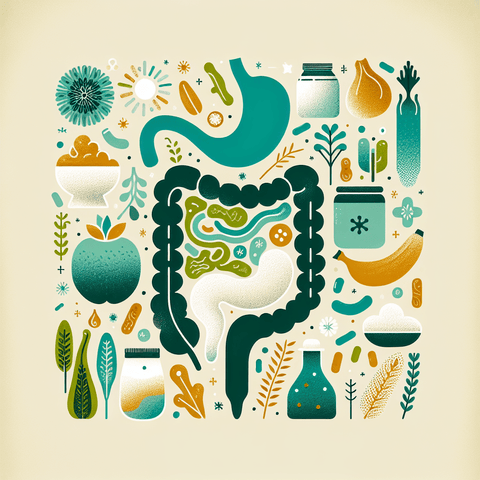
Probiotic sources are foods, drinks and supplements that may contain live microorganisms, often described on labels as live cultures. They include well-known fermented foods such as yogurt and kefir, plant-based options like sauerkraut and kimchi, and beverages such as kombucha. This page offers a broad overview of the topic, helping you understand the different categories, common strains and practical points to consider. It is intended as a starting point for exploring probiotic sources, with more detailed articles available on specific questions and use cases.
What Are Probiotic Sources?
The term probiotic sources refers to products that may carry live microorganisms and are consumed as part of meals, snacks or supplements. Not all fermented foods contain live cultures at the time of eating, because some are pasteurised or heat-treated after fermentation. When shopping, terms such as live cultures, active cultures or probiotic can help identify products that may still contain viable microorganisms. Storage conditions, such as refrigeration, can also affect whether live cultures remain present.
Probiotic sources are often grouped into broad categories: fermented dairy, plant-based ferments, beverages, fortified products and dietary supplements. Each category has its own typical microorganisms, flavours and practical considerations. Recognising these groups can make it easier to explore options that fit your routine and dietary preferences, including vegan, vegetarian or lactose-free choices.
Main Types of Probiotic Foods and Beverages
Fermented foods and drinks are among the most familiar probiotic sources. They can be divided into several practical groups, each with different characteristics and ways of using them.
- Fermented dairy: yogurt and kefir are common examples. They often contain live cultures and are widely available in many varieties.
- Plant-based ferments: sauerkraut, kimchi, miso and tempeh are examples of fermented plant foods. Some are traditionally made with salt brines, while others use specific starter cultures.
- Fermented beverages: kombucha and certain fermented dairy drinks may contain live cultures. Their flavour and sweetness can vary widely between brands.
- Fortified products: some foods and drinks have live cultures added during manufacturing. These may include certain snack bars, drinks or other items.
For those following a vegan or lactose-free diet, plant-based ferments and beverages are often the most suitable options. It is worth checking labels to confirm whether a product contains live cultures and whether it needs refrigeration. You can also explore our probiotics and prebiotics supplements category for related products.
Understanding Different Strains and Food Sources
Many probiotic sources contain a variety of microorganisms. Two frequently mentioned groups are Lactobacillus and Bifidobacterium. Different foods and supplements may include different strains within these groups, and the specific strains can vary between products. Some fermented foods, such as yogurt, may list the strains on the label, while others may not specify them in detail.
The strains present can influence the characteristics of a product, but it is important not to assume specific health effects. If you are interested in a particular strain, you may find more detailed information in dedicated articles or by consulting a healthcare professional. For general nutritional support, you can also browse our natural supplements collection.
Probiotic Supplements vs Food Sources
Probiotic supplements are another way to include live microorganisms in your routine. They often provide a concentrated and standardised amount of specific strains, which may be useful for some people. However, they are not necessarily a replacement for fermented foods, which also provide other nutrients and culinary variety. Some people prefer food sources for their taste and versatility, while others may choose supplements for convenience or specific strain content.
When comparing options, consider factors such as dietary preferences, storage requirements and label information. If you take prescription medications or have specific health concerns, it is advisable to speak with a healthcare professional before adding new supplements or fermented foods to your routine.
Practical Tips for Including Probiotic Sources
Incorporating probiotic sources into daily meals can be simple. Here are some general ideas:
- Add a serving of yogurt or kefir to breakfast, or blend it into a smoothie.
- Use sauerkraut or kimchi as a topping for salads, bowls or sandwiches.
- Try miso soup or tempeh in stir-fries and other dishes.
- Enjoy kombucha as a beverage option, checking labels for live cultures.
When shopping, look for phrases such as live cultures or active cultures on the packaging. Note whether the product requires refrigeration, as this can help maintain the integrity of the cultures. If you are new to fermented foods, start with small amounts and adjust based on your preferences and comfort.
Important Considerations and Interactions
Some people may wonder about interactions between probiotics and medications. For example, questions about combining probiotics with certain antibiotics or other prescription drugs are common. These topics are best discussed with a healthcare professional, as individual circumstances can vary. This page does not provide medical advice, and it is important not to change any medication routine without professional guidance.
If you have a weakened immune system or specific health conditions, seek advice before using probiotic supplements or making significant dietary changes. For general wellness support, you may also explore our superfoods guide collection.
Exploring Probiotic Sources Further
This tag page provides a broad overview of probiotic sources, including fermented foods, beverages, supplements and important considerations. For more specific topics, such as detailed comparisons of individual foods, strain-specific information or practical answers to common questions, you can explore the related articles listed on this page. Always consult a healthcare professional for personalised advice.