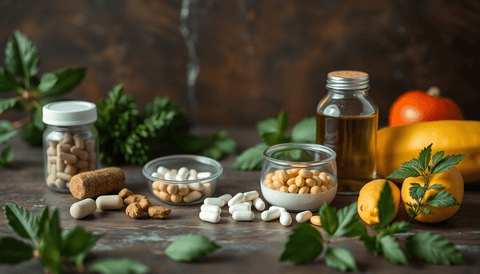
Probiotika beim Fasten: Vorteile steigern, ohne das Fasten zu unterbrechen


Dieser Seite erläutert die Idee von Probiotika beim Fasten und bietet eine neutrale Übersicht darüber, was dieser Begriff im Kontext einer Fastenroutine bedeuten kann. Es wird beschrieben, wie Probiotika-Formate und die Timing-Überlegungen in verschiedene Fastenansätze passen können, wobei praktischer, nicht vorschreibender Rat im Vordergrund steht. Das Ziel ist, den Lesern zu helfen, das Thema zu verstehen und informierte Entscheidungen zu treffen, ohne bestimmte Ergebnisse zu behaupten. Bei der Betrachtung von Probiotika während des Fastens können praktische Schritte helfen, den Prozess mit Klarheit anzugehen. Beginnen Sie damit, Ihr Fastenfenster zu klären und zu entscheiden, ob Sie die Einnahme von Probiotika in dieses Fenster integrieren möchten. Wählen Sie Formate aus, die mit den Fastenregeln vereinbar sind, wie Kapseln oder Pulver mit minimalen Kalorien, und lesen Sie die Produktetiketten sorgfältig. Wenn Ihr Protokoll es erlaubt, kann die Einnahme von Probiotika mit Wasser oder während einer kalorienfreien Phase dazu beitragen, Ihre Routine beizubehalten, während Sie konsequent Ihren gewählten Zeitplan einhalten. Das Führen eines einfachen Tagebuchs über den Zeitpunkt, die Produktdetails und Beobachtungen kann Ihre Erforschung im Laufe der Zeit unterstützen. Die Produktauswahl und -bewertung sind wichtige Aspekte bei der Einnahme von Probiotika während des Fastens. Achten Sie auf klare Kennzeichnung der probiotischen Stämme, Lagerungsanforderungen und auf ein Verfallsdatum. Berücksichtigen Sie Tests oder Zertifizierungen von Drittanbietern als Teil Ihrer Überprüfung und seien Sie aufmerksam bei zusätzlichen Inhaltsstoffen, die auf dem Etikett aufgeführt sein könnten. Das Verständnis des Formats, der Potenzindikatoren und der Lagerung des Produkts kann Ihnen helfen, Optionen zu vergleichen und die langfristige Nutzung im Rahmen Ihres Fastenplans zu planen. Wenn Sie die Einnahme von Probiotika während des Fastens in Betracht ziehen, gehen Sie es mit Neugier und Geduld an. Dieser Inhalt soll informieren, anstatt vorzuschreiben, und sollte eine persönliche Beratung durch einen Gesundheitsfachmann nicht ersetzen. Beginnen Sie vorsichtig und maßvoll und passen Sie Ihren Plan basierend auf Ihren eigenen Beobachtungen und professionellem Rat an.


Best Supplements for Intermittent Fasting | Topvitamine - Topvitamine
September 04, 2025
Nahrungsergänzungsmittel beim intermittierenden Fasten sind nicht grundsätzlich erforderlich. Wasser und eine ausgewogene Ernährung bilden die Basis. Zuckerfreie Elektrolyte können je nach Fastendauer, Schweißverlust und Ernährung zur Flüssigkeitsversorgung beitragen. Vitamine und Probiotika werden häufig besser im Essensfenster vertragen und sollten nur gezielt ausgewählt werden. Der Artikel erklärt außerdem, was Dirty Fasting bedeutet, ob 16 Stunden wirklich besonders sind und worauf Sie bei Produkten achten sollten.

Probiotics and fasting are two wellness strategies that often prompt questions when combined. A central one is whether taking a probiotic supplement breaks a fast. Generally, a pure probiotic capsule with no added sugars or calories is unlikely to break a fast, but the answer depends on the specific product. This guide provides a broad overview of the topic, covering the essentials of both practices, the different forms of probiotics, and key considerations for making an informed choice.

What Are Probiotics and Why Are They Popular?

Probiotics are live beneficial bacteria and yeasts naturally present in the digestive system. Often called "good" or "friendly" bacteria, they help maintain a healthy balance in the gut microbiome. Many people consume them through supplements or fermented foods to support digestive health, immune function, and overall well-being. The gut microbiome is a complex community of trillions of microorganisms that plays a role in digestion and nutrient absorption.

Research on the specific effects of probiotics is ongoing, but they are widely used as a general health supplement. When choosing one, it's important to look for products clearly labeled with specific strains, their potency (colony-forming units or CFUs), and storage instructions. If you're looking for a starting point, you can explore a range of probiotic and prebiotic supplements to see what's available.

Understanding Fasting and Its Common Goals

Fasting is the voluntary practice of abstaining from food for a specific period. There are several approaches, including time-restricted eating (like the 16:8 method), alternate-day fasting, and longer multi-day fasts. People choose to fast for various reasons, including weight management, metabolic health, mental clarity, or giving the digestive system a rest.

The core principle of most fasting protocols is the restriction of caloric intake. This means that any food or drink containing calories can technically break a fast. However, the practical impact of a small number of calories depends on the individual's fasting goals and the strictness of their protocol. For those practicing fasting for gut health, the question of whether to consume probiotics during the fasting window is a common one.

Will Probiotics Break a Fast?

Whether a probiotic breaks a fast depends on the specific product. Pure probiotic capsules containing only bacteria and a capsule shell typically contain a negligible number of calories and are unlikely to meaningfully disrupt a fast. However, some probiotics contain added sugars, flavorings, or prebiotic fibers which provide calories and could trigger a metabolic response. For those following strict fasting protocols, choosing a minimal-ingredient supplement is often the best course of action.

Probiotic Formats and Their Compatibility with Fasting

Probiotics come in several forms, and each has different considerations when it comes to fasting:

  • Capsules are the most common supplement format and are generally easy to take with water, making them a simple choice during a fast.
  • Powders can be mixed into water or another non-caloric beverage, offering flexibility in how they are consumed.
  • Fermented foods like yogurt, kefir, or sauerkraut contain probiotics but will break a fast because they provide calories and nutrients.

When evaluating a probiotic supplement for use with fasting, it is also important to examine the ingredient list. Some products contain prebiotic fibers, sugars, or other additives that may affect the caloric content or the fasting state. A supplement free from unnecessary fillers and added sweeteners is often a more suitable choice for strict fasting protocols.

The concept of "spore-forming" probiotics is another area of interest. These are specific strains that can survive harsh conditions, such as the acidic environment of the stomach, and are sometimes marketed as being suitable for taking on an empty stomach. As always, understanding the specific characteristics of the probiotic strain is key to determining how it might fit into your routine.

Key Considerations for Supplement Selection

Selecting a probiotic supplement involves more than just choosing a brand. To make an informed decision, consider the following factors:

  • Strain specificity: Different strains of bacteria (e.g., Lactobacillus, Bifidobacterium) may have different effects on the body. Research which strains are relevant to your interests.
  • CFU (Colony-Forming Units): This number indicates the amount of live bacteria per dose. The appropriate amount can vary depending on the product and its intended use.
  • Potency and expiration: Probiotics are living organisms, and their viability decreases over time. Always check the expiration date and choose products with guaranteed potency up to that date.
  • Storage requirements: Some probiotics are shelf-stable, while others need refrigeration to maintain their potency. Consider your lifestyle and how the product will be stored.
  • Additional ingredients: Be aware of any fillers, binders, prebiotics, or sweeteners included in the formulation, as these can affect your fast.

Practical Questions About Probiotics and Fasting

Should You Take Probiotics on an Empty Stomach?

Taking probiotics on an empty stomach, which may occur during a fasting window, is a common approach. The theory is that the bacteria face less competition from food and a less acidic environment, which may help more of them survive the journey to the intestines. However, this is not a strict rule, and some evidence suggests that taking probiotics with food can be just as effective for certain strains. The key is consistency; taking your probiotic at the same time each day, whether with or without food, is often more important than the exact timing relative to meals.

What Supplements Should Be Avoided While Fasting?

While probiotics in a pure form are generally acceptable, other supplements may be more likely to break a fast. Supplements containing calories, such as those with added sugars, or those in the form of gummies, syrups, or protein powders, can disrupt the fasting state. Fat-soluble vitamins (A, D, E, K) are often recommended to be taken with a meal containing fat for optimal absorption, which would mean taking them during your eating window. It's always best to check the ingredient list and consider the specific goals of your fast.

Should You Take Probiotics During a Longer Fast?

While taking a probiotic during a longer fast is generally considered acceptable, there is limited research on the specific interactions. Some individuals find that taking probiotics on a completely empty stomach for several days is well-tolerated, while others may prefer to wait until they are eating again. If you are planning an extended fast, it is wise to consult with a healthcare provider to ensure that adding any supplement is appropriate for your situation.

The Relationship Between Fasting and Gut Health

The relationship between fasting and the gut microbiome is a growing area of scientific interest. Fasting gives the digestive system a rest, which may influence the environment in which gut bacteria thrive. Some research suggests that fasting may affect the diversity and composition of the microbiome, though the long-term implications are still being studied. Longer fasts, such as a 3-day fast, can significantly change the gut environment, but research on a complete "reset" is not yet conclusive. This is why consistent habits, such as a balanced diet and regular probiotic use, may be more impactful than a single extended fast.

For those interested in broader wellness, exploring other categories can be useful. You might consider a variety of natural supplements that complement a balanced approach to health. Additionally, our herbal supplements collection is a great place to start if you are interested in plant-based wellness products.

Final Considerations for Your Routine

Ultimately, the decision to take probiotics while fasting should be based on your personal health goals, the type of fast you are practicing, and the specific characteristics of the supplement you choose. Paying attention to your body's signals is crucial. What works for one person may not work for another. Consulting with a healthcare professional can help you make the best decision for your individual needs, especially if you have underlying health conditions or are planning an extended fast.