Lesetabelle: So lesen Sie Etiketten wie ein Profi


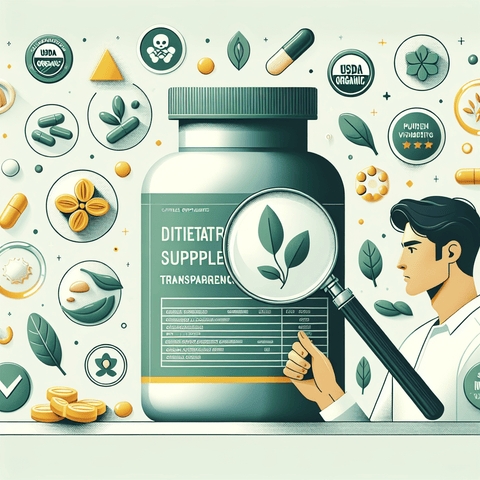
Das Beherrschen des Lesens von Nahrungsergänzungsmittel-Infos ist eine praktische Fähigkeit, um sich im Meer der Vitamine und Mineralstoffe zurechtzufinden. Indem man sich auf das Etikett konzentriert, lernt man, Inhaltsstoffe, Dosierungen und Tageswerte zu entschlüsseln, um klüger einzukaufen, sicher zu bleiben und Marken selbstbewusst zu vergleichen. Dieser Leitfaden hebt die wichtigsten Elemente des Nährstoffangabenfeldes hervor und zeigt, wie man dieses Wissen bei jedem Kauf anwendet. Das Ziel ist es, das Lesen von Nährwertangaben zu einer schnellen, routinemäßigen Handlung zu machen — ohne Rätselraten. Die meisten Nährwertangabenlisten enthalten Portionsgröße, Portionen pro Behälter und die Zutatenliste mit Mengenangaben pro Portion. Die Mengen werden in Einheiten wie mg, µg oder IE angezeigt, daher hilft es, diese Einheiten zu übersetzen, um die Potenz verschiedener Produkte zu vergleichen. Der %Tageswert zeigt, wie viel von einer Referenzmenge pro Portion im Vergleich zu einem Standardtag erreicht wird, wenn dieser Wert vorhanden ist. Beachte, dass einige Nährstoffe keinen %Tageswert haben; in solchen Fällen kannst du trotzdem die Rohmenge pro Portion vergleichen. Der Zutatenabschnitt beinhaltet die tatsächlichen Inhaltsstoffe des Supplements sowie eventuelle Füllstoffe oder Bindemittel. Es ist hilfreich, „inaktive“ Zutaten von den Hauptbestandteilen zu trennen, um zu sehen, was außer dem aktiven Inhaltsstoff enthalten ist. Um Marken effektiv zu vergleichen, konzentriere dich auf den Inhalt pro Portion, nicht nur auf Flaschengröße oder Preis. Berechne die Kosten pro Portion und vergleiche die angegebenen Mengen wichtiger Nährstoffe oder Verbindungen; achte auf Produkte, die über- oder unterdurchschnittlich sind. Überprüfe auch Warnhinweise für Allergene oder mögliche Empfindlichkeiten im Abschnitt „Sonstige Inhaltsstoffe“. Einige Etiketten können Zertifizierungen oder Drittanbieter-Siegel enthalten; behandele diese als optionale Hinweise, nicht als Garantien, und prüfe bei Bedarf die Angaben auf der Webseite des Herausgebers. Auf diese Weise zu lesen, hilft dir, einen «Äpfel mit Äpfel»-Vergleich zwischen Marken zu erstellen. Praktische Tipps, um diese Fähigkeit anzuwenden, umfassen das Beiseitelegen einer kurzen Checkliste: Portionsgröße, Portionen pro Behälter, Mengen pro Portion, %Tageswert und alle Inhaltsstoffe. Beim Online-Einkauf nutze das Etikett des Produkts oder die Webseite des Herstellers, um die neuesten Werte zu bestätigen, da sich Formulierungen ändern können. Wenn du unsicher bist, wie du einen Wert interpretieren sollst (zum Beispiel, wenn ein Nährstoff keinen %Tageswert hat), notiere die tatsächliche Menge pro Portion und vergleiche sie mit anderen Produkten. Mit regelmäßigem Üben wird das Lesen von Nährwertangaben zu einem festen, routinemäßigen Bestandteil bei der Produktbewertung.


What to Look for in a Supplement Label to Avoid Hidden Ingredients and Fillers - Topvitamine
August 26, 2025
Wer ein Nahrungsergänzungsmittel auswählt, sollte nicht nur auf Werbeaussagen achten, sondern das Etikett systematisch prüfen. Dieser Ratgeber erklärt, wie Sie Portionsgröße, Nährstoffformen, Zusatzstoffe, Allergene und Mischungen beurteilen, versteckte Inhaltsstoffe erkennen und die Bedeutung von Qualitäts- und Prüfsiegeln einordnen. Außerdem erfahren Sie, warum es keine allgemein „sauberste“ Marke gibt und wann ärztlicher oder pharmazeutischer Rat sinnvoll ist.
How to Read a Supplement Label: A Complete Guide for Topvitamine Buyers - Topvitamine
July 06, 2025
Wer ein Nahrungsergänzungsmittel-Etikett lesen kann, vergleicht Produkte sicherer und vermeidet Missverständnisse bei Mengenangaben. Dieser Leitfaden erklärt Portionsgröße, Nährstoffmengen, Referenzwerte und Zutatenlisten. Außerdem erfahren Sie, was 10 % oder 2 % Tageswert bedeuten, warum die US-5/20-Regel in der EU nur eingeschränkt passt und worauf Sie bei Qualität, Warnhinweisen und der Auswahl eines Supplements achten sollten.

Reading supplement facts labels is a fundamental skill for anyone interested in taking vitamins, minerals, or other dietary supplements. The label contains important details about what a product contains, how much of each ingredient is present, and how those amounts relate to recommended daily intakes. This guide explains the main parts of a Supplement Facts panel and provides practical strategies for comparing products and making confident choices at the store or online.

What Is a Supplement Facts Label?

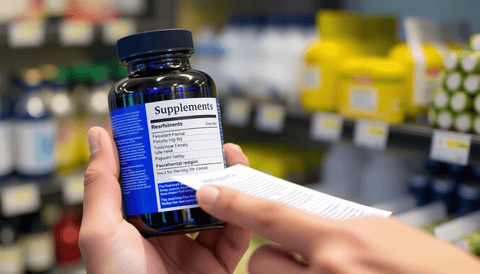
A Supplement Facts label is a standardized information panel required on most dietary supplement products. It is designed to give consumers consistent, reliable information about the contents of a supplement. The label mirrors many elements of a Nutrition Facts label found on food products but is tailored to the format and ingredients typically found in supplements.

Understanding the layout of this panel helps you quickly identify the information you need. Whether you are investigating a multivitamin or a single-ingredient product, the same basic structure applies, making it easier to compare different options side by side.

Main Components of a Supplement Facts Panel

Several distinct sections appear on most supplement labels. Familiarising yourself with these components makes the label easier to interpret and allows you to focus on the details that matter most for your needs.

Serving Size and Servings Per Container

The serving size is the recommended amount to take at one time. It may be expressed as a number of capsules, tablets, scoops, drops, or another measurable unit. Alongside this, the servings per container tells you how many servings are in the entire package. This is important for both dosing and for calculating how long a product will last.

Amount Per Serving

This section lists each ingredient and its quantity per serving. Nutrient amounts are typically expressed in grams (g), milligrams (mg), or micrograms (mcg). Some ingredients, such as proprietary blends, may list the total blend weight rather than individual ingredient amounts. Understanding these units helps you compare the potency of different products.

Percent Daily Value (%DV)

The percent daily value indicates how much of a nutrient's recommended daily intake is provided by one serving. A %DV of 20% or more is generally considered a high amount, while 5% or less is considered low. However, not all ingredients have an established daily value, so some substances may not show a %DV on the label.

Ingredient List and Other Ingredients

The ingredient list shows all components of the product. Active ingredients appear near the top, while inactive ingredients such as fillers, binders, and flow agents are listed separately, often under the heading “Other Ingredients.” Reviewing this section helps you identify potential allergens and assess the overall formulation of the supplement.

Why Reading Labels Matters

Reading supplement labels carefully is important for several reasons. It helps you understand what you are actually consuming, compare different products effectively, and avoid ingredients you may wish to limit. It also allows you to verify that a product delivers the nutrients it claims to provide at relevant amounts.

Labels also provide context for how a supplement fits into your overall routine. By checking the %DV, you can see whether a product makes a significant contribution to your daily intake of a particular nutrient or whether it provides only a small amount. This information supports more informed decision-making.

Practical Strategies for Comparing Supplements

When comparing supplements, it is helpful to look beyond the front of the package and examine the Supplement Facts panel closely. The following general considerations can help you evaluate products more systematically.

  • Check the serving size first to ensure you are comparing equivalent amounts of each product.
  • Look at the amount per serving rather than the total bottle size to understand the potency of each dose.
  • Review the %DV to gauge whether a nutrient is present in a significant or minor amount.
  • Read the full ingredient list, including the “Other Ingredients” section, to identify any additives or allergens.

Developing a consistent approach to label reading can make supplement shopping more efficient and help you feel more confident about your choices. It also enables you to compare similar products across different brands.

Understanding Ingredient Forms and Amounts

Many nutrients come in multiple forms, and these forms can differ in how they are absorbed or utilised by the body. For example, magnesium may appear as magnesium citrate, magnesium glycinate, or magnesium oxide. The specific form is usually listed in the ingredient section, and this information can be relevant when choosing a product.

Similarly, the amount listed on the label refers to the amount of the nutrient or compound present, not necessarily the weight of the entire molecule. Understanding this distinction helps when interpreting labels for minerals, vitamins, and other active ingredients.

Interpreting Certifications and Third-Party Seals

Some supplement labels display certifications or seals from third-party organisations. These may indicate that a product has been tested for quality, purity, or consistency. While such seals can provide useful information, it is important to understand what they do and do not guarantee. They are not a substitute for reading the ingredient list or checking the relevant amounts yourself.

If a certification is important to you, take the time to learn what it represents. Different programs may have different standards, so familiarising yourself with the meaning behind various seals helps you interpret them accurately.

Common Label Terms and What They Mean

Supplement labels sometimes include additional terms that describe the product or its ingredients. Understanding these terms can help you interpret the information more accurately.

  • Proprietary blend: A mixture of ingredients for which the label lists only the total weight, not the amount of each individual component.
  • Elemental amount: The amount of a specific mineral element present, as opposed to the total weight of the mineral compound.
  • Bioavailable: A term indicating how well a substance may be absorbed and used by the body.
  • Expiration date: The date by which the manufacturer recommends using the product for best quality.

If you come across a term that is unfamiliar, researching it can help you understand how it applies to the product you are considering.

Using Labels to Support Your Supplement Routine

Ultimately, reading supplement facts labels is about gaining clarity. It allows you to take a more active role in understanding the products you use and to make choices that feel right for your needs. While labels provide detailed information, they are best interpreted as part of a broader approach to nutrition and health.

If you are exploring different types of supplements, you may find it useful to browse our natural supplement categories to see the range of products available. Understanding labels can also help you compare options across categories like vitamins and minerals.

Remember that the information on a supplement label is meant to inform, not to replace personalised guidance from a healthcare professional. If you have questions about whether a particular supplement is appropriate for you, discussing it with a qualified professional is always a reasonable step.

Continuing Your Learning

This guide covers the fundamentals of reading supplement facts labels. There is more to explore, including specific nutrients, different supplement forms, and how to evaluate products for particular goals. By building on these basics and continuing to read labels with care, you can become more confident in navigating the world of dietary supplements.

For additional context on specific types of supplements, you may wish to explore our multivitamin guide which provides further detail on these popular products.