
Willkommen zu unserem Leitfaden über retinolreiche Lebensmittel. Diese Seite erklärt, was retinolreiche Lebensmittel sind, wie die wichtigsten Quellen erkannt werden, und gibt praktische Schritte, um sie in Ihren Ernährungsplan einzubauen. Der Fokus liegt auf dem Konzept der retinolreichen Lebensmittel, den enthaltenen Formen und darauf, wie Sie Optionen vergleichen können. Ziel ist es, klare, neutrale Informationen bereitzustellen, die Ihnen helfen, dieses Thema zu verstehen. Retinolreiche Lebensmittel beziehen sich auf Quellen, die aktiv vorkommendes Vitamin A in Form liefern. In der Praxis fallen diese Quellen in grobe Kategorien, einschließlich tierischer Erzeugnisse und angereicherter Produkte. Wir listen hier keine spezifischen Artikel auf, aber die Idee ist, zu erkennen, dass unterschiedliche retinolreiche Lebensmittel dasselbe Nährstoff in verschiedenen Formen enthalten. Das Lesen von Etiketten und Nährwertangaben kann Ihnen helfen, retinolreiche Lebensmittel zu identifizieren. Das Verständnis, wie retinolreiche Lebensmittel im Körper wirken, unterstützt Sie beim Vergleich der Optionen. Retinol ist eine Form von Vitamin A, die im Körper bei Bedarf in andere Retinoide umgewandelt werden kann. Der Gehalt an Retinol in Lebensmitteln kann durch deren Zubereitungs- und Lagerungsweise beeinflusst werden, weshalb dieser Leitfaden die allgemeinen Faktoren betont, die den Retinolgehalt beeinflussen. Dieser Abschnitt bleibt auf die Funktionsweise fokussiert und vermeidet gesundheitliche Behauptungen. Einfache Tipps, um heute retinolreiche Lebensmittel in Ihre Routine einzubauen: Überprüfen Sie Nährwertkennzeichnungen, um retinolreiche Lebensmittel zu erkennen, planen Sie Mahlzeiten für die Woche, um eine Vielfalt an Quellen einzubeziehen, und überlegen Sie, wie Sie retinolreiche Lebensmittel zu bestehenden Gerichten hinzufügen können. Probieren Sie verschiedene Zubereitungsmethoden, die helfen, den Retinolgehalt zu erhalten, und behalten Sie eine vielseitige Einkaufsliste bei. Insgesamt bleibt der Schwerpunkt auf dem Konzept der retinolreichen Lebensmittel und praktischer, neutraler Anleitung, um sie in Ihren Alltag zu integrieren.
Retinolreiche Lebensmittel: Der ultimative Leitfaden für strahlende Haut
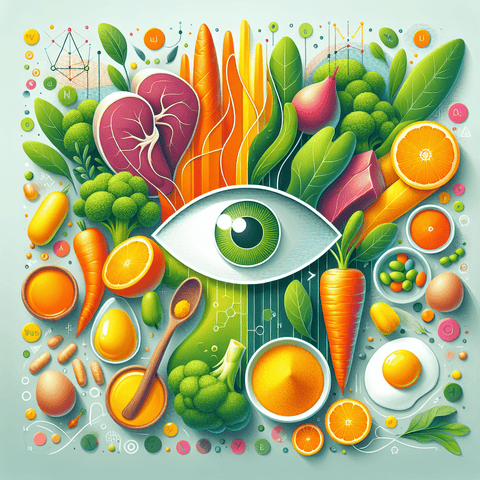
Retinol-rich foods are a key topic in nutrition, primarily because they are the most direct dietary source of preformed vitamin A. Unlike plant-based carotenoids, which the body must first convert, retinol is already in a form that can be readily used. This makes understanding these foods important for anyone interested in the fundamentals of vitamin A nutrition, its various forms, and how to approach them in a balanced diet. This guide serves as a broad overview, covering what retinol-rich foods are, why they matter, and the main factors to consider when exploring them.
What Are Retinol-Rich Foods?
Retinol-rich foods are those that naturally contain or are fortified with preformed vitamin A. This is one of the two main types of vitamin A found in the human diet. The other type, provitamin A carotenoids (like beta-carotene), is found in colorful fruits and vegetables and requires conversion in the body. Preformed vitamin A, which includes retinol, is found in animal-based foods and some fortified products.
The primary sources of retinol include organ meats like liver, fish oils, and to a lesser extent, dairy products and eggs. Fortified foods, such as certain breakfast cereals or dairy alternatives, also contribute to the overall intake of retinol. Understanding this distinction is the first step in navigating nutrition information and building a balanced diet.
The Role and Function of Retinol
Retinol is a vital nutrient that serves several important functions in the body. It is perhaps best known for its role in vision, specifically in helping the eye adjust to changes in light. Retinol also plays a critical part in maintaining healthy skin and epithelial tissues, as well as supporting the immune system's normal function. In the body, retinol can be converted into other active forms, such as retinal and retinoic acid, which are necessary for various cellular processes.
It's important to note that the amount of retinol in food can be affected by how it is processed, cooked, and stored. These factors are important to consider when evaluating dietary sources. This section focuses on the general mechanisms, not on making any specific claims about health outcomes.
Key Differences: Retinol vs. Carotenoids
A crucial aspect of understanding retinol-rich foods is knowing how they compare to plant-based sources of vitamin A. The main dietary forms of vitamin A are:
- Preformed Vitamin A (Retinol): Found in animal products. This form is ready for the body to use without any conversion steps.
- Provitamin A Carotenoids: Found in colorful plant foods. These compounds, such as beta-carotene, must be converted into retinol by the body, a process that is not 100% efficient.
This distinction is fundamental for making dietary choices, as it affects how much vitamin A your body can ultimately utilize from a given food source.
Practical Steps to Consider
If you're looking to understand your own intake of retinol, there are several straightforward steps you can take. These practical considerations are designed to help you evaluate your diet in a neutral and informed way.
- Review Nutrition Labels: Get into the habit of checking food labels for vitamin A content. This is the most direct way to identify fortified foods and understand their contribution to your total intake.
- Plan Your Meals: Consider your meals across the week to ensure a variety of sources. This can help you see patterns in your diet and make intentional choices about including retinol-rich foods.
- Experiment with Preparation: Different cooking methods can affect nutrient content. Exploring various techniques, such as gentle cooking, may help you think about how to get the most from the foods you eat.
These steps are a starting point for building a broader understanding of your nutritional patterns. Always consult with a healthcare professional for personalized dietary advice.
Exploring the Topic Further
The topic of retinol-rich foods naturally leads to many other areas of nutrition. Understanding the difference between preformed and provitamin A is often the first step in a larger exploration of fat-soluble vitamins and their roles. For those interested in the broader context of vitamins, you may find information on other fat-soluble vitamins such as vitamin D or vitamin K to be helpful. Additionally, looking into antioxidants provides insight into how different nutrients work together in a balanced diet.