
Entdecken Sie die besten Quellen für Retinol, die in den Alltag integriert werden können. Diese Seite erklärt, was als Retinolquelle gilt, wie verschiedene Formen kategorisiert werden und wie Sie Produktetiketten lesen können, um zu verstehen, was Sie wählen. Sie finden auch Hinweise zu Überlegungen bei der Auswahl von Lebensmitteln, Nahrungsergänzungsmitteln und angereicherten Optionen, die mit Retinol oder verwandten Formen von Vitamin A gekennzeichnet sind. Das Hauptziel ist, Retinolquellen zu erkennen und sie sicher als Teil eines umfassenderen Ansatzes zu verwenden. Retinolquellen fallen im Allgemeinen in zwei Kategorien: direkte Retinol-haltige Formen, die in bestimmten tierischen Produkten vorkommen, und Retinol oder Retinylester, die in einigen Nahrungsergänzungsmitteln enthalten sind. Auch angereicherte Lebensmittel können mit verwandten Formen von Vitamin A versehen sein, aber der Gehalt kann je nach Produkt und Charge stark variieren. Da Stabilität und Wirksamkeit bei Verarbeitung, Verpackung und Lagerung unterschiedlich sein können, hilft es, das Etikett auf den Retinolgehalt und die Portionsgröße zu überprüfen, um Optionen vergleichen zu können. Sicherheit und richtige Anwendung stehen bei jeder Retinolquelle an erster Stelle. Befolgen Sie stets die Anweisungen auf dem Produktetikett und überschreiten Sie nicht die empfohlenen Mengen. Wenn Sie andere Medikamente einnehmen oder gesundheitliche Bedenken haben, konsultieren Sie vor der Aufnahme von Retinolquellen in Ihre Routine einen Arzt oder Fachmann. Bewahren Sie Produkte außerhalb der Reichweite von Kindern auf, lagern Sie sie wie angegeben, und führen Sie einen Hautverträglichkeitstest durch, wenn Sie ein neues Produkt ausprobieren, um die Verträglichkeit zu prüfen, bevor Sie es breit verwenden. Um die Erfahrung mit Retinolquellen zu maximieren, wählen Sie Produkte mit transparenter Kennzeichnung und vertrauenswürdigen Herstellungspraktiken. Erwägen Sie, eine konsequente Nutzungsmuster beizubehalten, die Zeitpunkte und die Wechselwirkungen mit anderen Produkten zu notieren und sich über Änderungen in der Formulierung der Produkte zu informieren. Bei Unsicherheiten suchen Sie Rat bei einem qualifizierten Fachmann, der Ihnen bei der Interpretation der Etiketten hilft und Optionen auswählt, die mit Ihren Zielen übereinstimmen.
Beste Retinol-Quellen: Lebensmittel und Nahrungsergänzungsmittel für strahlende Haut

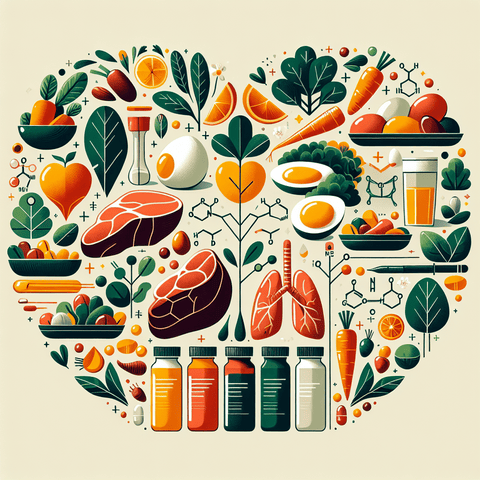
Retinol sources are the places this well-known form of vitamin A comes from: certain animal-derived foods, dietary supplements, fortified products and, one step removed, the plant foods that provide provitamin A carotenoids. Retinol attracts attention from two directions — as a nutrient with a defined place in human nutrition, and as an ingredient widely discussed in skincare. This page acts as the hub for the topic: it explains what retinol sources are, how the main types differ, and what to consider before adding any retinol-containing product to a routine.
The individual articles collected under this tag go deeper into specific questions. Here, the aim is a clear map of the topic — the vocabulary, the source categories and the practical considerations that apply across all of them.
What Is Retinol? Understanding the Vitamin A Family
Retinol is one of several related compounds known collectively as vitamin A. The wider family includes retinyl esters such as retinyl palmitate, as well as retinal and retinoic acid, each with its own structure and typical uses. In nutrition labelling, vitamin A activity can come either from preformed retinol or from carotenoids that the body can convert, so the words 'vitamin A' on a label do not always refer to the same compound. Knowing that difference is the first step in comparing sources sensibly.
Preformed Vitamin A Versus Provitamin A Carotenoids
Preformed vitamin A — retinol and its ester forms — occurs naturally in animal-derived foods and is the form used in most retinol supplements. Provitamin A carotenoids, of which beta-carotene is the best-known example, occur in colourful plant foods and can be converted by the body into retinol. Both routes contribute to vitamin A intake, but they differ in origin, chemical form and how products declare them on labels. When a product mentions retinol, retinyl esters or carotenoids, it is describing different points on this map rather than interchangeable names.
The Main Retinol Sources
In practice, retinol sources fall into three broad groups. Knowing which group a food or product belongs to makes labels and comparisons much easier to interpret.
Animal-Derived Foods
Foods from animal sources naturally contain preformed vitamin A. Frequently cited examples include liver and other organ meats, oily fish, eggs and dairy products such as butter and cheese. Amounts vary considerably between these foods — liver is widely recognised as a particularly concentrated source — so both the type of food and how often it appears in the diet matter when thinking about vitamin A intake from meals.
Retinol in Supplements
Supplements typically supply retinol or retinyl esters such as retinyl palmitate and retinyl acetate. These forms appear both in standalone vitamin A products and inside multivitamin formulas, where they usually show up in the vitamin A line of the supplement facts panel. Potency conventions and unit declarations can differ between products, which makes the label the most reliable guide to what you are actually getting.
If you would like to see how these products are presented in one place, our vitamin A collection gathers vitamin A supplements alongside guidance on benefits, sources and safety.
Fortified Foods
Some everyday products, such as certain spreads, cereals and drinks depending on the market, are fortified with vitamin A in the form of retinol or retinyl esters. Fortification levels are set per product and can vary between brands, recipes and batches, so fortified foods cannot be assumed to be interchangeable. The ingredient list and nutrition panel are the quickest way to see whether vitamin A has been added, in which form and in what amount.
Plant-Based and Natural Retinol Options
Searches for a 'natural retinol' usually reflect two related interests: plant-based routes to vitamin A in the diet, and plant-derived skincare ingredients discussed as retinol alternatives. The two are often conflated, so it helps to keep them separate.
In nutrition, the plant-based route is provitamin A carotenoids such as beta-carotene, found in orange, yellow and dark green vegetables and fruits — carrots, sweet potato, pumpkin, spinach and kale are commonly cited examples. In skincare, a range of plant-derived ingredients, including some with roots in traditional routines popular across Asia, are frequently positioned as alternatives to retinol. Marketing claims that an ingredient works many times faster than retinol, or that one option is the single most powerful natural retinol, deserve a cautious reading: there is no independent, agreed standard behind such comparisons, and formulations differ widely.
Because these questions depend heavily on the specific ingredient and product, the articles under this tag examine them individually.
Retinol and Skin: Nutrition Versus Topical Use
Much of retinol's public profile comes from skincare, where topical retinol is a widely discussed cosmetic ingredient. That conversation is related to, but distinct from, nutrition: a dietary retinol source and a topical retinol product are different routes with different purposes, and neither can be read as a substitute for the other.
On the nutrition side, vitamin A is one of the nutrients with authorised EU health claims, including recognised roles in the maintenance of normal skin and normal vision. These authorised claims describe recognised nutrient functions; they are not promises about the outcome of any individual product, and personal needs vary.
Questions about retinol at specific ages, or for specific skin concerns, are best discussed with a dermatologist or other qualified professional. They are also exactly the kind of focused question the dedicated articles under this tag are designed to address.
Reading Labels and Choosing Retinol Products
Whichever source you are comparing, transparent labelling is the practical key. Useful details to check include:
- The form of vitamin A used — retinol, a retinyl ester such as retinyl palmitate, or a carotenoid such as beta-carotene.
- The amount per serving, and the serving size that amount refers to.
- Whether the product is a standalone supplement, part of a multivitamin, or a fortified food, since these are easy to double up on without noticing.
- Storage directions and best-before information, because stability and potency can vary with processing, packaging and storage.
For supplements, it is also worth favouring brands that are open about manufacturing practices and ingredient sourcing. Readers comparing multivitamin options may find our multivitamins guide helpful, as it brings ingredient, usage and safety information together in one place.
Safety and Responsible Use
Retinol sources deserve the same caution as any vitamin A-containing product. Vitamin A is a fat-soluble nutrient that the body can store, which is one reason intake guidance exists and why exceeding recommended amounts is not advisable. A few general points apply across all source types:
- Always follow the directions on the product label and do not exceed the recommended amount.
- If you take medication or have a health condition, consult a healthcare professional before adding retinol or vitamin A supplements to your routine.
- Anyone who is pregnant or planning pregnancy is commonly advised to seek professional guidance before using vitamin A-containing supplements.
- Keep products out of reach of children and store them as directed.
- When trying a new topical product for the first time, a patch test on a small area of skin can help you assess tolerance before broader use.
These are general educational points rather than personal medical advice. A qualified professional can interpret labels in the context of your diet, lifestyle and any other products or medications you use.
Key Takeaways on Retinol Sources
For a quick orientation, the essentials of the topic are:
- Retinol is preformed vitamin A, found naturally in animal-derived foods and used in supplements and fortified products.
- Plant foods provide provitamin A carotenoids, which the body can convert into retinol.
- Labels are the most dependable way to compare forms, amounts and serving sizes across sources.
- Safe use centres on following label directions and seeking professional guidance where relevant.
- The articles under this tag explore specific questions — individual foods, supplement forms, alternatives and comparisons — in greater depth.
If you take a food-first approach to nutrition, our superfoods guide covers nutrient-dense options and how EFSA-authorised claims are used on them — a useful companion to the supplement-focused collections on this site.