
Sicheres Kaufverhalten bei Nahrungsergänzungsmitteln beginnt mit einer Denkweise der Überprüfung. Wenn Sie mit Vertrauen einkaufen, suchen Sie nach Produkten, die unabhängigen Tests unterzogen wurden und transparente Etiketten aufweisen. Unabhängige Tests durch Drittlabore, wie USP, NSF International oder Informed-Choice, bieten eine externe Überprüfung des Produktinhalts und möglicher Kontaminanten. Transparente Etikettierung bedeutet, dass die Produktseite und das Etikett offenlegen, was enthalten ist, eindeutig formuliert, und dass die Behauptungen nicht übertrieben sind. Durch die Priorisierung eines sicheren Kaufs von Nahrungsergänzungsmitteln verringern Sie das Risiko von falsch deklarierten oder gefälschten Produkten und setzen einen Standard für Verantwortlichkeit auf dem Markt. In diesem Rahmen geht transparente Etikettierung über reine Marketingbegriffe hinaus. Der sichere Kauf von Nahrungsergänzungsmitteln basiert auf genauen Zutatenlisten, Portionsgrößen und Mengen pro Portion sowie auf Angaben zu Allergenen, Füllstoffen und Darreichungsformen. Achten Sie auf Chargennummer, Herstellungsdatum und Verfallsdatum, um die Rückverfolgbarkeit zu gewährleisten. Seriöse Produkte offenbaren auch das Ursprungsland und die Kontaktdaten des Herstellers. Wenn ein Etikett die Zusammensetzung hinter vagen Begriffen wie „proprietäre Mischung“ versteckt, ohne Mengen aufzulisten, ist das ein Warnsignal im Zusammenhang mit einem sicheren Kauf von Nahrungsergänzungsmitteln. Überprüfen Sie nach Möglichkeit das Etikett anhand eines Analysezertifikats von einer glaubwürdigen dritten Partei. Warnzeichen, um Betrug zu vermeiden, sind entscheidend für den sicheren Kauf von Nahrungsergänzungsmitteln. Seien Sie vorsichtig bei Behauptungen, die zu schön klingen, um wahr zu sein, oder bei Versprechen auf wundersame Ergebnisse. Fehlen verifizierbare Kontaktinformationen oder eine physische Adresse, sind vage Rückgaberichtlinien oder eingeschränkter Zugang zu Produktdetails, sollten Sie vorsichtig sein. Inkonsistente Verpackungen, fehlende Chargennummern, unbekannte Händler oder Händler, die häufig unbestätigte Updates vornehmen, sollten Zweifel wecken. Auch vorsichtig sein bei Produkten, die ohne Drittparattests oder ohne transparente Lieferkette beworben werden; dies sind häufig Anzeichen dafür, dass sie nicht den sicheren Kaufstandards entsprechen. Um diese Prinzipien in die Praxis umzusetzen, beginnen Sie mit Marken, die unabhängige Testergebnisse veröffentlichen und klare Etiketten führen. Überprüfen Sie die Glaubwürdigkeit des Händlers, suchen Sie nach Zertifikaten wie GMP, und prüfen Sie offizielle Datenbanken auf Rückrufe oder Sicherheitswarnungen. Vergleichen Sie Produkte anhand derselben Kriterien: Portionsgröße, Inhaltsstoffe und Verfügbarkeit von COA (Zertifikat der Analyse). Bewahren Sie Aufzeichnungen Ihrer Einkäufe auf, einschließlich Chargennummern und Verfallsdaten, und wissen Sie, wie Sie den Hersteller bei Fragen kontaktieren können. Durch die Befolgung dieser Schritte können Sie sicherer an den Kauf von Nahrungsergänzungsmitteln herangehen und das Risiko von Betrug minimieren.
Sicheres Einkauf von Nahrungsergänzungsmitteln: So kaufen Sie vertrauenswürdige Ergänzungsmittel

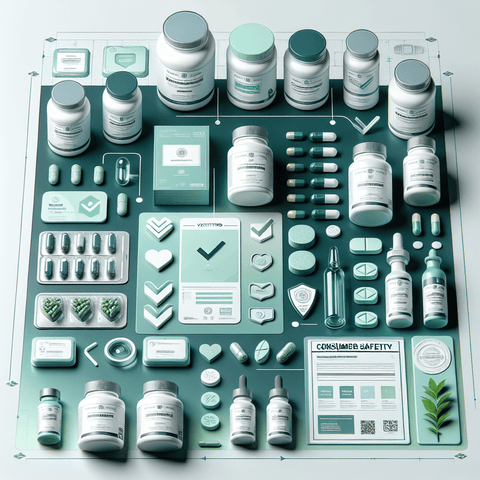
Navigating the world of dietary supplements can feel overwhelming. With countless brands, products, and online retailers, knowing how to buy supplements safely is a crucial skill. This guide serves as a comprehensive starting point for making informed and confident purchasing decisions. We will explore the core principles of supplement safety, from understanding independent testing and label transparency to recognizing the warning signs of potentially unsafe products.
The Foundations of Supplement Safety
Safe supplement purchasing is built on a foundation of verification. It is a shift from simply trusting a brand's marketing to actively checking the quality and transparency of a product. This approach helps protect you from potentially harmful mislabeled or counterfeit items and ensures that what you are buying matches what is on the label.
Why Independent Testing Matters
One of the most reliable markers of a quality supplement is independent testing. This means a third-party laboratory, not the manufacturer, has analyzed the product to verify its contents. Organizations like USP, NSF International, and Informed-Choice provide external checks for product purity, potency, and the absence of harmful contaminants. When a product has been independently tested, it offers an additional layer of assurance that you are getting what you pay for.
The Importance of Transparent Labeling
A transparent label is your primary source of information. It should go beyond marketing language and clearly disclose the exact ingredients, their amounts per serving, and the serving size. It should also list potential allergens and fillers. Reliable labels provide traceability through a lot number, manufacturing date, and expiration date. Additionally, they often include the country of origin and manufacturer contact information. Be wary of products that use vague terms like "proprietary blend" without specifying the amount of each ingredient, as this is a major red flag in the context of safe supplement purchasing.
Recognizing Red Flags and Avoiding Scams
Knowing what to avoid is just as important as knowing what to look for. Many unsafe or counterfeit products share common characteristics. Learning to identify these warning signs is essential for protecting yourself from potential harm and financial loss.
Here are the most common red flags to be aware of:
- Unrealistic Claims: Be highly cautious of products that promise miraculous results, rapid weight loss, or cures for various conditions. If a claim sounds too good to be true, it almost certainly is.
- Lack of Transparency: This includes missing contact information, no physical address, unclear return policies, or a lack of detailed product information on the retailer's website.
- Inconsistent Packaging: This can manifest as poor print quality, missing lot numbers, or packaging that looks different from the manufacturer's official design.
- Unfamiliar Distributors: If a product is being sold through an unauthorized or unknown distributor, it may not have been stored properly and could be counterfeit.
- No Third-Party Testing: Products marketed without any mention of independent testing or with a non-transparent supply chain should raise concern about their overall quality and safety.
Practical Considerations for Buying Supplements
Understanding the principles is one thing, but how do you apply them when you're actually ready to make a purchase? Having a practical checklist can help you make confident and informed decisions, whether you are shopping online or in a store.
How to Vet a Brand and its Products
Before buying a supplement, research the brand. Start by checking if they publish independent test results or certificates of analysis. Look for manufacturing certifications such as Good Manufacturing Practices (GMP). It is also wise to search official databases for any recalls or safety notices associated with the brand or product. A reputable company will be open about its processes and readily provide this information.
Where to Buy Supplements Safely
The source of your supplements is an important part of the safety equation. For a wide range of products, you might consider buying from a dedicated retailer like Topvitamine, which offers a selection of natural supplements. When evaluating any retailer, consider their reputation, customer service, and return policies. While platforms like Amazon offer convenience, it is crucial to be extra vigilant there. Ensure you are buying directly from the brand's official storefront and verify the seller's history. Purchasing directly from a brand's website can often be the most reliable option.
A Practical Checklist for Your Purchase
When you are ready to buy, use this simple checklist to guide you:
- Verify the label: Check for clear ingredient amounts, serving sizes, and full disclosure of all components.
- Look for traceability: Confirm that the product has a lot number, manufacturing date, and expiration date.
- Check for certifications: Look for third-party seals like USP or NSF, or GMP certification on the packaging.
- Seek out test results: See if a certificate of analysis is available from the brand, either on their website or upon request.
- Research the retailer: Ensure you are buying from a reputable source that is an authorized distributor for the brand.
- Keep records: Save your receipts and note the batch numbers of your products in case you need to refer to them later.
Addressing Common Purchasing Questions
When it comes to buying supplements safely, several common questions arise. We have addressed a few of the most important ones below to help clarify the modern purchasing landscape.
Is It Safe to Buy Supplements from Amazon or Other Large Marketplaces?
Large online marketplaces offer convenience and a wide selection, but they also present risks. The main concern is the potential for counterfeit products or items from unauthorized sellers. You can improve safety by purchasing only from the brand's official storefront, checking seller ratings, and being suspicious of deals that appear too good to be true. While safe purchases are possible, they require a higher level of diligence compared to buying directly from a brand or a specialized retailer.
A more straightforward path is often to deal with dedicated retailers. For instance, you can explore the range of healthy origin supplements or other specialized categories with greater confidence in their sourcing.
How Do Certifications Like GMP Factor In?
Good Manufacturing Practices (GMP) is a system for ensuring that products are consistently produced and controlled according to quality standards. It is a fundamental aspect of supplement manufacturing. A GMP-certified facility has procedures in place to ensure the identity, purity, strength, and composition of their products. When looking at a supplement brand, checking for GMP certification is a good baseline for quality assurance, especially when combined with independent testing.
Where to Explore Related Supplement Topics
Understanding how to purchase supplements safely is a key part of your wellness journey. Once you are confident in your choices, the next step is learning about the specific nutrients that meet your needs. Topvitamine offers a range of educational resources to help you. For example, you can read about the benefits and uses of multivitamins or explore other popular categories featured on our site.
By staying informed about both product quality and your own nutritional requirements, you can create a supplement routine that is both safe and effective for your needs.