Fake Supplements erkennen: 7 Warnzeichen, die darauf hindeuten, dass ein Produkt unecht ist


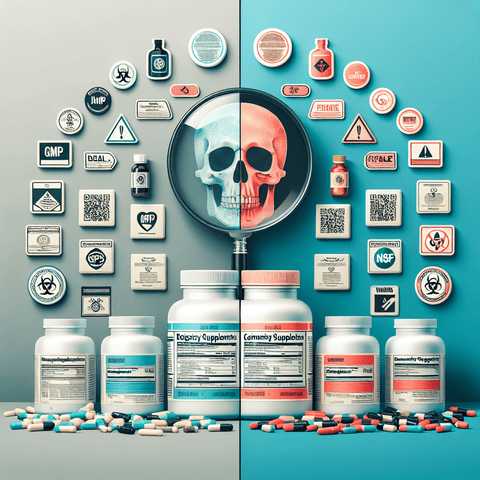
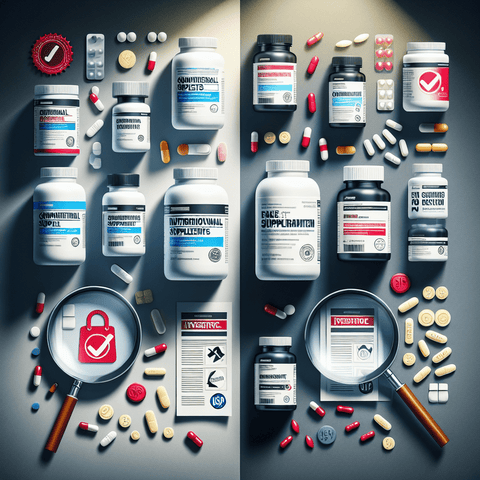
Das Erkennen gefälschter Nahrungsergänzungsmittel beginnt mit einem scharfen Blick für alltägliche Produktsdetails. Auf einer Seite über das Erkennen gefälschter Ergänzungsmittel finden Sie praktische Hinweise, wie Sie Etiketten überprüfen und Sicherheitsmaßnahmen ergreifen können, um gefälschte Vitamine aus Ihrer Hand fernzuhalten. Dieser Leitfaden konzentriert sich auf sieben Warnzeichen, die darauf hindeuten können, dass ein Produkt unecht ist, sowie auf einfache Schritte, um die Echtheit zu überprüfen, ohne auf unbelegte Behauptungen vertrauen zu müssen. Durch den Fokus auf Etikettierung, Verpackung, Herkunft und Dokumentation sind Sie besser gerüstet, Inkonsistenzen zu erkennen, bevor Sie kaufen. Häufig sichtbare Warnzeichen beim Erkennen gefälschtem Ergänzungsmitteln sind Probleme mit der Etikettierung, wie unvollständige Inhaltsstofflisten, unklare Dosierungsangaben oder Schriftarten und Layouts, die nicht mit der offiziellen Verpackung der Marke übereinstimmen. Ein weiteres auffälliges Merkmal sind fehlende oder schlecht gedruckte Chargennummern und Ablaufdaten. Verpackungen, die manipuliert wirken oder verdächtige Siegel, Klebespuren oder nicht ausgerichtete Nähte aufweisen, können ebenfalls Warnhinweise sein. Preis und Verkaufskanäle sind ebenfalls wichtige Indikatoren: Ein Produkt, das deutlich unter Marktpreis angeboten wird, oder das über nicht genehmigte Händler verkauft wird, sollte misstrauisch machen. Schließlich ist das Fehlen nachvollziehbarer Herstellerkontaktdaten, fehlende Zertifizierungen von Drittanbietern oder Inkonsistenzen zwischen dem, was auf dem Etikett steht, und dem, was auf der offiziellen Webseite angezeigt wird, ein Grund, genauer hinzuschauen, wenn man gefälschte Ergänzungsmittel erkennen möchte. Weitere Warnzeichen sind das Fehlen nachvollziehbarer Herstellungsinformationen oder Kontaktmöglichkeiten, was die Überprüfung erschwert. Ein Produkt ohne Nachweis von Tests oder Zertifizierungen durch anerkannte Stellen wirft Fragen zur Echtheit auf. Außerdem kann eine Diskrepanz zwischen der Online-Angebotsbeschreibung, der Verpackung und der eigenen Unternehmenswebseite auf ein Fälschungsprodukt hindeuten. Obwohl diese Hinweise allein kein Beweis sind, sollten sie doch als wichtige Hinweise dienen, um eine genauere Untersuchung durchzuführen, wenn man gefälschte Nahrungsergänzungsmittel aufspüren möchte. Um Etiketten zu verifizieren und gefälschte Vitamine zu vermeiden, beginnen Sie mit den Grundlagen: Vergleichen Sie das Etikett mit der offiziellen Seite des Herstellers und nutzen Sie Barcodes oder QR-Codes, die vertrauenswürdige Apps bereitstellen, um die Echtheit zu bestätigen. Kontaktieren Sie direkt den Hersteller, um Chargennummern, Losdetails und autorisierte Händler zu prüfen. Bewahren Sie die Verpackung und Quittungen auf, bis Sie sicher sind, dass das Produkt echt ist, und melden Sie verdächtige Artikel bei Aufsichtsbehörden oder Verbraucherzentralen. Durch die Priorisierung von Verifizierungsmaßnahmen und das Wachsambleiben bei diesen Warnzeichen können Sie Ihre Fähigkeiten verbessern, gefälschte Nahrungsergänzungsmittel zu erkennen und sich vor Fälschungen zu schützen.


How to Tell If Your Nutritional Supplement Is Safe and Legitimate - Topvitamine
August 29, 2025
Hochwertige Nahrungsergänzungsmittel erkennen Sie nicht an auffälliger Werbung, sondern an transparenter Kennzeichnung, nachvollziehbarer Herstellung und einem seriösen Vertriebsweg. Dieser Leitfaden zeigt, worauf Sie bei Zutaten, Dosierungen, Chargennummern, Prüfsiegeln und Werbeaussagen achten sollten. Außerdem erfahren Sie, warum es keinen allgemeinen Testsieger gibt, wann ein Supplement sinnvoll sein kann und wann ärztlicher oder pharmazeutischer Rat wichtig ist.
How Do I Avoid Counterfeit Supplements and Spot Fakes Online and In-Store - Topvitamine
August 28, 2025
Gefälschte Nahrungsergänzungsmittel können falsch dosiert, verunreinigt, abgelaufen oder unter fremdem Markennamen verkauft worden sein. Dieser Ratgeber zeigt, woran Sie verdächtige Verpackungen, Etiketten, Onlineangebote und Verkäufer erkennen. Sie erfahren außerdem, wie Sie die Echtheit prüfen, was beim Kauf über Amazon zu beachten ist, wie ältere Menschen vor typischen Betrugsmaschen geschützt werden und wo verdächtige Produkte gemeldet werden können.
How to Identify Counterfeit Supplements and Protect Your Health - Topvitamine
August 28, 2025
Gefälschte Nahrungsergänzungsmittel erkennen Sie nicht immer auf den ersten Blick. Diese praktische Checkliste zeigt, worauf Sie bei Verpackung, Siegeln, Chargennummer, Inhaltsstoffen, Preis und Händler achten sollten. Sie erfahren außerdem, wie Sie die Echtheit bei der Marke prüfen, was für die Sicherheit von Vitaminen gilt und wie Sie verdächtige Produkte melden. Bei Beschwerden oder möglichen Wechselwirkungen sollten Sie medizinischen Rat einholen.
How to Identify Counterfeit Supplements and Avoid Online Scams - Topvitamine
August 28, 2025
Gefälschte Nahrungsergänzungsmittel erkennen Sie nicht anhand eines einzelnen Merkmals. Diese Checkliste zeigt, wie Sie Verpackung, Etikett, Chargennummer, Mindesthaltbarkeitsdatum, Verkäufer, Preis und Werbeversprechen gemeinsam prüfen. Sie erfahren außerdem, wie QR-Codes und Zertifikate einzuordnen sind, welche Betrugsmaschen häufig vorkommen und was Sie bei einem verdächtigen Produkt oder Beschwerden nach der Einnahme tun sollten.
How to Spot Fake or Counterfeit Supplements Online and Protect Your Health - Topvitamine
August 27, 2025
Wer gefälschte Nahrungsergänzungsmittel erkennen möchte, sollte nicht nur auf die Verpackung achten. Entscheidend sind ein nachvollziehbarer Händler, eine vollständige Kennzeichnung, eine intakte Versiegelung, Chargen- und Haltbarkeitsangaben sowie realistische Werbeaussagen. Dieser Ratgeber erklärt typische Warnzeichen, zeigt, wie sich die Echtheit eines Produkts prüfen lässt, und beschreibt, was bei einem verdächtigen Kauf oder möglichen Beschwerden zu tun ist.

The market for dietary supplements is vast, and unfortunately, where there is demand, counterfeiters often follow. Spotting fake supplements is a crucial skill for anyone who takes vitamins or minerals regularly. A counterfeit product may not contain the ingredients listed on the label, may contain harmful fillers, or may have incorrect dosages. Learning to distinguish genuine products from fakes is about more than just protecting your wallet; it is about safeguarding your health. This guide provides a broad overview of the key indicators of inauthentic supplements and the practical steps you can take to verify a product's legitimacy before you buy.

Why Supplement Authenticity Matters

The primary concern with fake supplements is that their contents are unknown. They may lack the active ingredient entirely, contain a different amount than stated, or be contaminated with undeclared substances. This can lead to a range of issues, from the product simply being ineffective to potential health risks from unknown ingredients or interactions. For individuals who rely on supplements to address a specific nutrient gap, a counterfeit product can delay expected benefits and create confusion about their health regimen. Verifying authenticity ensures that you are consuming what you intend to consume.

The issue extends beyond individual health. The presence of counterfeit goods undermines trust in reputable supplement brands and the industry as a whole. It can also have financial implications, as consumers may pay a premium for a product that is worth far less. Being able to spot a fake is a form of consumer protection that helps maintain the integrity of the market and encourages responsible manufacturing.

The 7 Red Flags of Counterfeit Supplements

While no single indicator is definitive proof, encountering one or more of these signs should make you pause and investigate further. Here are the seven common red flags to watch for when evaluating a supplement.

  • Inconsistent Labeling: The label may have an incomplete ingredient list, unclear dosage information, or misspellings. The font and layout may not match the brand's official packaging design, or the text may be blurry or poorly aligned.
  • Missing or Poorly Printed Batch Numbers: Genuine products almost always have a batch or lot number and an expiration date. If these are absent, faded, or difficult to read, it's a significant warning sign.
  • Suspicious Packaging: The seal may appear tampered with, or there could be glue marks, misaligned seams, or a generally cheap or flimsy feel to the bottle or box. A product that appears to have been opened or re-sealed should be avoided.
  • Unrealistic Pricing: If a product is being sold well below its typical market value, especially on a third-party marketplace, this is a common indicator of a counterfeit. Legitimate brands invest in quality ingredients and manufacturing, which is reflected in the price.
  • Unauthorized Sales Channels: Purchasing from websites, marketplaces, or physical stores that are not listed as authorized retailers on the manufacturer's website carries a higher risk. These channels may be selling products that have been diverted, stored improperly, or are outright fakes.
  • Lack of Contact or Verification Information: The packaging should provide clear manufacturer details. If there is no verifiable physical address, website, or phone number, or if the information is vague, verifying the product's authenticity becomes nearly impossible.
  • Inconsistencies with Official Information: If the product listing online doesn't match the packaging, or if the information on the label is inconsistent with what is shown on the brand's official website, this discrepancy is a strong indicator of a counterfeit item.

Steps to Verify a Supplement's Authenticity

When you are concerned about a product's authenticity, there are several proactive steps you can take to verify it. This process helps confirm that you are buying a legitimate product and not a counterfeit.

  1. Compare the Label: Visit the manufacturer's official website and compare the product label, packaging design, and ingredient list. Look for any discrepancies in spelling, layout, or nutritional information.
  2. Use Verification Tools: Many brands now include QR codes or unique serial numbers on their packaging. Use the brand's official app or an approved scanning tool to check if the code is valid and matches the product you have.
  3. Contact the Manufacturer: Reach out to the company directly through the contact information on their official website. You can ask them to confirm the batch number, lot details, or whether the retailer you purchased from is an authorized distributor.
  4. Preserve Evidence: Keep the packaging, the product itself, and your receipt until you are certain of its authenticity. This information will be crucial if you need to file a report or request a refund.
  5. Report Suspicious Products: If you believe you have encountered a counterfeit, report it to the manufacturer and to relevant regulatory or consumer protection agencies. Your report can help prevent others from falling victim to the same scam.

Understanding Different Supplement Categories

Counterfeits can affect almost any type of supplement, from popular vitamins to herbal extracts. Being aware of the broader landscape of supplement categories can help you understand what to expect from legitimate products, making it easier to spot anomalies. For example, a product you find on a discount shelf might be a legitimate close-dated item, while the same brand sold at a deep discount through an unauthorised online seller could be suspect.

If you are looking for authentic products from trusted manufacturers, exploring our range of healthy origin supplements is a good starting point. For those interested in specific ingredients, it's also wise to understand the source and extraction methods, whether you are considering turmeric supplements or other botanical products. Knowing what a high-quality product looks like in a specific category makes it much harder for counterfeiters to deceive you.

The Role of Third-Party Testing and Certifications

Third-party testing is one of the most reliable ways to ensure a supplement's quality and authenticity. Many reputable companies send their products to independent laboratories to verify that the finished product contains the correct ingredients in the stated amounts and is free from contaminants. Some brands also obtain certifications from organizations that have their own strict quality and safety standards, such as those for Good Manufacturing Practices (GMP).

While the absence of these certifications does not automatically mean a product is fake, their presence is a strong indicator of a manufacturer's commitment to quality and transparency. This is particularly pertinent when you are buying from a brand for the first time. Checking for these marks on the label or the brand's website can provide another layer of confidence in your purchase, reinforcing your efforts in spotting fake supplements.

Building Confidence in Your Supplement Choices

Ultimately, learning to spot fake supplements is about becoming a more informed and vigilant consumer. By familiarizing yourself with the red flags, verifying labels, and using available resources to confirm authenticity, you can navigate the market with greater confidence. This skill protects your health and your investment in your well-being, ensuring that the supplements you choose to support your nutritional goals are exactly what they claim to be.

This guide is for educational purposes only and is not a substitute for professional medical advice. If you have any concerns about a specific product, consult with a healthcare professional.