
Das Erkennen gefälschter Vitaminprodukte beginnt mit Bewusstsein darüber, worauf man vor dem Kauf achten sollte. Diese Seite konzentriert sich darauf, gefälschte Vitamine zu erkennen, indem sie sieben Warnsignale und praktische Methoden zur Überprüfung der Marken vor dem Kauf aufzeigt. Ziel ist es, gefälschte Anzeichen zu erkennen und mit Vertrauen einzukaufen, ohne sich auf unbelegte Behauptungen zu verlassen. Hier sind sieben Warnsignale, die Sie beim Erkennen gefälschter Vitamine beachten sollten: 1) Verpackungs- und Etikettierungsfehler wie Rechtschreibfehler, inkonsistente Schriftarten oder manipulierte Siegel; 2) fehlende oder generische Herstellerinformationen, einschließlich keiner physischen Adresse, Kontaktmöglichkeiten oder offiziellen Webseite; 3) Preise, die ungewöhnlich niedrig sind, oder Aktionen, die zu schön erscheinen, um wahr zu sein; 4) fehlende Tests oder Zertifizierungssymbole von Drittanbietern auf dem Etikett oder der Webseite; 5) Barcodes oder Verpackungen, die nicht korrekt gescannt werden, oder übereinstimmende Chargen- und Ablaufdaten, die nicht passen; 6) Produkterscheinungsprobleme wie veränderte Farben, Formen oder Verpackungen von Kapseln oder Tabletten; 7) Bedenken bezüglich der Zuverlässigkeit des Verkäufers, etwa Angebote aus ungewohnten Marktplätzen oder nicht-offiziellen Händlern. Wie man Marken vor dem Kauf überprüft, kann dabei helfen, gefälschte Vitamine zu erkennen. Beginnen Sie damit, die offizielle Webseite der Marke mit Produktfotos, Zutatenlisten und Chargennummern zu vergleichen. Wenn etwas merkwürdig erscheint, kontaktieren Sie den Support der Marke, um die Echtheit zu bestätigen. Achten Sie auf unabhängige Prüfungen wie Testergebnisse oder Zertifizierungen von Drittanbietern und verifizieren Sie die Zertifikatsnummern. Überprüfen Sie beim Kauf die Verpackung auf manipulationssichere Siegel und sichtbare Ablaufdaten. Falls vorhanden, verwenden Sie Barcodes oder QR-Codes, um Produktdetails abzurufen und zu bestätigen, dass sie mit der Anzeige übereinstimmen. Bevorzugen Sie Käufe bei autorisierten Händlern oder im offiziellen Laden der Marke, um das Risiko zu minimieren. Zusätzliche Schritte können Ihren Überprüfungsprozess verstärken. Bewahren Sie Kaufbelege und die Originalverpackung als Nachweis auf, und seien Sie vorsichtig bei Verkäufern, die nur begrenzte Rückgabemöglichkeiten oder vage Produktbeschreibungen anbieten. Vergleichen Sie Produktdetails mit den offiziellen Kanälen der Marke und melden Sie verdächtige Angebote dem Händler oder der Plattform, wenn Sie sie entdecken. Durch den Fokus auf die Erkennung gefälschter Vitamine und sorgfältige Überprüfung können Sie beim Einkaufen online und im Geschäft selbstbewusster vorgehen und zweifelhafte Produkte vermeiden.
Fake Vitamine erkennen: 7 Warnzeichen, um Ihre Gesundheit zu schützen
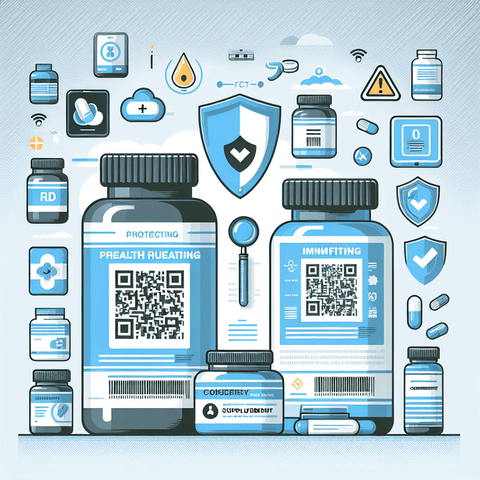
Spotting fake vitamins is a key concern for many supplement users. The market for dietary supplements is vast, and with it comes the potential for counterfeit or substandard products. Learning to distinguish between a genuine product and a suspicious one can help you make safer, more confident purchasing decisions. This guide provides a broad overview of the red flags to look for and the steps you can take to verify a supplement's authenticity before you commit to a purchase.
The information here is for educational purposes and is not a substitute for professional medical advice. If you have concerns about a specific product, contact the manufacturer or a healthcare professional.
Understanding the Risks of Counterfeit Supplements
The primary concern with counterfeit vitamins is that you often don't know what you're actually getting. A fake product may not contain the ingredients listed on the label, could contain harmful fillers or contaminants, or may simply have an incorrect dosage. This uncertainty is why knowing how to spot fake vitamins is so important; it's not just about getting what you paid for, it's about protecting your health. Understanding the common tactics used to sell counterfeit goods is the first line of defense.
The supplement industry is diverse, and while many brands prioritize quality and transparency, others may not. A counterfeit product might mimic a well-known brand's packaging closely, but there are often subtle differences that a careful eye can catch. This guide will help you understand where these weaknesses often appear.
7 Red Flags to Help You Spot Fake Vitamins
While this is not an exhaustive list, these seven key indicators can help you evaluate whether a supplement product is potentially counterfeit. Paying attention to these details can distinguish between a genuine supplement and a cause for concern.
- Packaging and Labeling Errors: Look for misspellings, inconsistent fonts, blurry print, or a broken or tampered seal. Legitimate manufacturers usually have high-quality, consistent packaging.
- Missing Manufacturer Information: A genuine product will have clear information about the manufacturer, including a physical address, a contact method, and an official website. If this information is missing or seems generic, be cautious.
- Unrealistically Low Prices: If a price or promotion seems too good to be true, it often is. Counterfeiters frequently use low prices to attract buyers.
- Lack of Third-Party Testing: Look for logos or statements about third-party testing or certifications. While not all genuine products have them, their absence is not a good sign.
- Barcode or Packaging Mismatches: A barcode that doesn't scan, or lot numbers and expiration dates that don't match up, are a strong signal that the product may not be authentic.
- Altered Product Appearance: Capsules or tablets that are discolored, chalky, or have an unusual shape or smell compared to what you expect could be a sign of a fake product.
- Questionable Seller Reliability: Be more cautious when buying from unfamiliar online marketplaces, auction sites, or any retailer that is not an authorized seller for the brand.
A Practical Guide to Verifying Your Supplements
When you suspect your supplement might be fake, or even as a routine practice, taking steps to verify its authenticity can offer peace of mind. The goal is to confirm the product you have matches what the brand officially produces. Here’s how you can do that.
Steps for Verification
- Inspect the Packaging: Before opening, meticulously check for a tamper-evident seal and a clearly printed expiration date. Compare the font, logos, and layout with images from the brand's official website.
- Compare Product Details: Match the ingredient list, batch number, and lot number on your bottle with those shown in photos on the official brand site.
- Contact the Manufacturer: When in doubt, contact the brand's customer support line to ask if your batch number is legitimate. A reputable company will often have a process for this.
- Scan for Verification: Use your smartphone to scan the barcode or QR code on the package to pull up product details. Verify that the information you see matches the product in your hands.
- Confirm Independent Testing: Look for a certificate of analysis or a verification number from a recognized third-party testing organization. You may be able to enter this number on the testing body's website to confirm its validity.
Choosing Safe Purchasing Channels
Your choice of retailer is often the best protection. The safest way to ensure you are getting a genuine product is to buy directly from the brand's official website or from authorized and trusted retailers. For other supplement needs, be sure to review the ingredients and claims carefully.
When buying online, be wary of seller listings with limited return options, vague product descriptions, or a lack of seller information. Always keep your receipt and original packaging as proof of purchase. If you discover a product is suspicious, you can help others by reporting the listing to the platform where you found it. By applying these strategies for spotting fake vitamins, you can significantly minimize the risk of purchasing counterfeit supplements.
For those interested in exploring different supplement categories, you may wish to review our natural supplements collection or learn more about specific nutrients like multivitamins and their ingredients.