
{"type": "json_object"}
Stressabbau-Kräuter: Entdecken Sie beruhigende, natürliche Heilmittel gegen Angstzustände
July 30, 2025
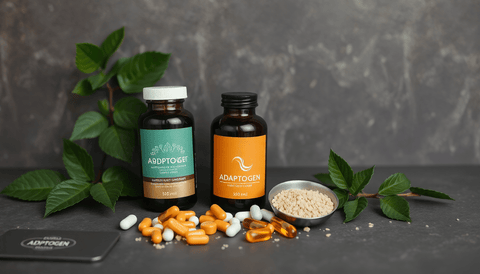
Adaptogene sind pflanzliche Inhaltsstoffe, die den Körper möglicherweise dabei unterstützen, mit Belastungen umzugehen. Dieser Ratgeber erklärt, was Adaptogene sind, wie Ashwagandha und Rhodiola rosea eingeordnet werden und welche Wirkungen realistisch sind. Außerdem erfahren Sie, worauf Sie bei Adaptogen-Präparaten achten sollten, ob eine tägliche Einnahme sinnvoll ist und wer vor der Anwendung ärztlichen Rat einholen sollte.
{"content":"
Kräuter gegen Stress sind pflanzliche Mittel, die angewendet werden, um Gelassenheit zu fördern, nervöse Anspannung zu lösen und den Körper bei der Reaktion auf Alltagsstress zu unterstützen. In diesem Ratgeber erklären wir, wie beruhigende Kräuter wie Ashwagandha, Kamille, Melisse, Lavendel, Passionsblume und Baldrian wirken, was die aktuelle Forschung tatsächlich zeigt und wie man zwischen Tees, Extrakten und Tinkturen wählt. Da anhaltender Stress Schlaf, Stimmung und allgemeines Wohlbefinden beeinträchtigt, hilft Ihnen das Verständnis Ihrer Optionen – einschließlich der Frage, wann Ernährung und Lebensstil zuerst kommen –, sicherere und fundiertere Entscheidungen darüber zu treffen, ob eine pflanzliche Nahrungsergänzung für Sie infrage kommt.
\n\n
Was sind Kräuter gegen Stress und wie wirken sie?
\n\n
Kräuter gegen Stress sind pflanzliche Mittel, die traditionell verwendet – und teilweise auch klinisch untersucht – werden, um Körper und Geist im Umgang mit Stress zu unterstützen. Sie beseitigen keine Stressoren und ersetzen keine gesunden Bewältigungsstrategien. Vielmehr können sie physiologische Prozesse der Stressreaktion moderat beeinflussen – etwa die Cortisolregulation, die Neurotransmitteraktivität oder die allgemeine Erregbarkeit des Nervensystems. Die Wirkung ist in der Regel leicht bis mäßig und variiert erheblich zwischen Individuen und Produkten.
\n\n
Der Unterschied zwischen Adaptogenen, Sedativa und Nervina
\n\n
Pflanzliche Stressmittel werden oft in drei große Kategorien eingeteilt. Adaptogene wie Ashwagandha und Rhodiola sollen dem Körper helfen, bei langanhaltendem oder wiederholtem Stress das Gleichgewicht zu bewahren und über mehrere Wochen regelmäßiger Einnahme Widerstandsfähigkeit aufzubauen. Beruhigende Kräuter (Sedativa) wie Baldrian und Passionsblume wirken direkter entspannend und werden traditionell bei akuter nervöser Anspannung oder Unruhe eingesetzt, häufig am Abend. Nervina ist ein umfassenderer traditioneller Begriff für Kräuter, die das Nervensystem allgemein unterstützen; Melisse und Kamille sind klassische Beispiele und bieten sanfte beruhigende Effekte ohne starke Sedierung. Wer diese Kategorien versteht, kann ein Kraut besser auf seine Situation abstimmen – anhaltender, niedrigschwelliger Stress erfordert einen anderen Ansatz als gelegentliche akute Nervosität vor einem Ereignis.
\n\n
Ein kurzer Hinweis dazu, wie Kräuter das Nervensystem beeinflussen
\n\n
Die vermuteten Wirkmechanismen unterscheiden sich je nach Kraut. Einige, wie Baldrian und Passionsblume, stehen vermutlich in Wechselwirkung mit GABA-verwandter Signalübertragung, einem mit Entspannung in Verbindung gebrachten Neurotransmittersystem. Ashwagandha wurde im Hinblick auf seine Wirkung auf die Hypothalamus-Hypophysen-Nebennierenrinden-Achse (HPA-Achse) untersucht, die die Cortisolfreisetzung reguliert. Kamille und Lavendel enthalten Verbindungen wie Apigenin und Linalool, die im Labor und in einigen klinischen Kontexten beruhigende Eigenschaften gezeigt haben. Wichtig ist: Viele dieser Mechanismen sind vor allem in Zell- und Tierstudien belegt, und die Datenlage am Menschen variiert in Qualität und Konsistenz.
\n\n
Welche Kräuter werden am häufigsten bei Stress und Angst eingesetzt?
\n\n
Ashwagandha: der adaptogene Favorit
\n\n
Ashwagandha (Withania somnifera) ist ein Wurzelkraut mit langer Geschichte in der ayurvedischen Tradition und eines der am besten erforschten Adaptogene heute. Es wird üblicherweise über mehrere Wochen als konzentrierter Wurzelextrakt eingenommen und häufig bei chronischem, anhaltendem Stress gewählt statt bei momentaner Nervosität. Einige Studien berichteten über eine Verringerung des empfundenen Stresses und leichte Verbesserungen der Schlafqualität bei regelmäßiger Einnahme.
\n\n
Kamille: der klassische beruhigende Tee
\n\n
Kamille gehört zu den weltweit am häufigsten verwendeten beruhigenden Kräutern und wird meist als Tee konsumiert. Ihre Blüten enthalten Apigenin, ein Flavonoid, das in frühen Untersuchungen leicht beruhigende Eigenschaften zeigte. Kamille wird im Allgemeinen gut vertragen und ist eine unkomplizierte Option zum Abschalten am Abend – die Wirkung ist jedoch eher sanft als ausgeprägt.
\n\n
Melisse: eine sanfte Option bei nervöser Anspannung
\n\n
Die Melisse (Melissa officinalis), ein nach Zitronen duftendes Lippenblütengewächs, wurde traditionell bei nervöser Anspannung und Unruhe eingesetzt. Sie ist als Tee, Tinktur oder standardisierter Extrakt erhältlich und wird manchmal mit anderen beruhigenden Kräutern kombiniert. Studien zur Melisse sind meist klein, doch sie hat für die meisten Menschen ein günstiges Verträglichkeitsprofil.
\n\n
Lavendel: Aromatherapie und orale Präparate
\n\n
Lavendel wird auf zwei unterschiedliche Arten verwendet. Inhalative Aromatherapie – die häufigste Form – wurde in mehreren kleinen Studien mit subjektiver Entspannung in Verbindung gebracht. Unabhängig davon wurde ein standardisiertes Lavendelöl-Präparat zur Einnahme in klinischen Studien zu ängstlicher Stimmung untersucht. Diese Anwendungen sind nicht austauschbar: Die Forschung zu oralem Lavendelöl bezieht sich auf spezifische Produkte und Dosen, nicht auf ätherisches Öl im Diffuser, das nicht geschluckt werden darf.
\n\n
Passionsblume und Baldrian: stärkere sedierende Optionen
\n\n
Passionsblume und Baldrianwurzel sind traditionelle sedierende Kräuter, die meist abends bei Unruhe oder schlafbezogener Anspannung eingenommen werden. Baldrian wurde vor allem im Kontext der Schlafqualität untersucht – nicht des Tags über erlebten Stresses –, und die Datenlage ist gemischt. Diese Kräuter können Schläfrigkeit verursachen und eignen sich daher weniger, wenn Wachheit gefordert ist, etwa vor dem Autofahren.
\n\n
Was sagt die Evidenz zur pflanzlichen Stresslinderung?
\n\n
Was die Forschung zu Ashwagandha und Cortisol zeigt
\n\n
Ashwagandha hat unter den für Stress häufig verwendeten Adaptogenen die stärkste Forschungsbasis. Mehrere randomisierte kontrollierte Studien – meist mit standardisierten Wurzelextrakten über acht bis zwölf Wochen – berichteten über eine Verringerung des selbst eingeschätzten Stresses und in manchen Studien über leichte Verringerungen des Morgen-Cortisols. Die Ergebnisse sind vielversprechend, aber nicht einheitlich: Die Studien sind oft klein, Produkte und Dosen unterscheiden sich, und viele Studien werden von Nahrungsergänzungsmittel-Herstellern finanziert. Ashwagandha ist zudem nicht für jeden geeignet – zur Sicherheit mehr weiter unten.
\n\n
Klinische Erkenntnisse zu Kamille und Melisse
\n\n
Kamille wurde in einer begrenzten Zahl klinischer Studien untersucht; einige berichteten bei langfristiger Extrakteinnahme von Vorteilen bei verallgemeinerter ängstlicher Stimmung – die Datenlage ist ermutigend, aber nicht endgültig. Die Forschung zur Melisse ist im Umfang kleiner; einige Studien deuten auf kurzfristige Verbesserungen der Gelassenheit und Stimmung unter Labor-Stressbedingungen hin. Insgesamt lassen sich diese Kräuter am besten als Optionen mit vorläufiger Unterstützung beschreiben – nicht als bewährte Behandlungen.
\n\n
Warum die Evidenzqualität zwischen Kräutern variiert
\n\n
Die pflanzliche Forschung steht vor grundsätzlichen Herausforderungen: Pflanzen enthalten zahlreiche Wirkstoffe, deren Konzentrationen vom Pflanzenteil, den Anbaubedingungen und der Extraktionsmethode abhängen – Ergebnisse zu einem Produkt lassen sich also nicht automatisch auf ein anderes übertragen. Studien dauern oft kurz, Messgrößen sind subjektiv, und Publikationsbias kann scheinbare Vorteile aufblähen. Bei der Prüfung von Behauptungen hilft es zu sehen, ob Studien einen standardisierten Extrakt in definierter Dosis verwendeten und ob die Ergebnisse von unabhängigen Forschern repliziert wurden.
\n\n
Wie wählt man das richtige Kraut für sein Stressprofil?
\n\n
Das Kraut auf die Symptome abstimmen: leichter vs. akuter Stress
\n\n
Bei anhaltendem, niedrigschwellligem Stress sind Adaptogene wie Ashwagandha – über Wochen konsequent eingenommen – in der Regel die intendierte Wahl. Bei gelegentlicher akuter Nervosität, etwa vor einem Vortrag oder in einer unruhigen Nacht, können sanfte Nervina wie Kamillen- oder Melissentee oder stärkere Optionen wie Passionsblume oder Baldrian besser geeignet sein. Seien Sie ehrlich zur Art Ihres Stresses: Kräuter können größere Lebensstressoren, finanziellen Druck oder Beziehungsprobleme nicht lösen, und anhaltende Angst, die den Alltag beeinträchtigt, erfordert professionelle Unterstützung statt Selbstbehandlung.
\n\n
Kräutertee vs. Extrakt vs. Tinktur: Was passt zu Ihnen?
\n\n
Tees sind günstig, angenehm und mild – ein guter Einstieg, doch sie liefern relativ geringe Dosen der Wirkstoffe. Standardisierte Extrakte in Kapseln bieten definierte, gleichbleibende Dosen und entsprechen der Form, die in den meisten klinischen Studien verwendet wird. Tinkturen (flüssige Extrakte) ermöglichen flexible Dosierung und bei manchen Menschen schnellere Aufnahme, alkoholhaltige Varianten sind aber nicht für jeden geeignet. Die Form zu wählen, die zu Ihrem Ziel passt – sanftes tägliches Ritual gegenüber gleichmäßiger, messbarer Zufuhr –, ist wichtiger als Markenmarketing.
\n\n
Warum die individuelle Reaktion auf Kräuter variiert
\n\n
Die Reaktion auf Kräuter gegen Stress wird von Genetik, Darmgesundheit, Körpergewicht, gleichzeitiger Medikamenteneinnahme, Schwere und Art des Stressors und sogar von Erwartungen beeinflusst (Placeboeffekte sind real und messbar). Zwei Personen, die denselben Extrakt einnehmen, können sehr unterschiedliche Erfahrungen machen. Diese Variabilität ist normal und ein wichtiger Grund, mit einer niedrigen Dosis zu beginnen, jeweils nur eine Variable zu ändern und eine angemessene Testphase abzuwarten, bevor man die Wirkung eines Krauts bewertet.
\n\n
Ernährung und Lebensstil: das Fundament vor pflanzlichen Mitteln
\n\n
Kein Kraut macht chronischen Schlafmangel, schlechte Ernährung oder ein ungesundes Lebenstempo wett. Bevor – oder parallel zur – Berücksichtigung beruhigender Kräuter lohnt es sich, die Grundlagen zu prüfen, die bestimmen, wie Ihr Körper mit Stress umgeht.
\n\n
Wichtige Nährstoffe für eine gesunde Stressreaktion
\n\n
Mehrere Nährstoffe spielen in der Stressphysiologie des Körpers eine Rolle. Magnesium ist an der Regulation des Nervensystems beteiligt, und eine niedrige Zufuhr ist in modernen Ernährungsweisen häufig; es gehört zu den wenigen Nährstoffen mit einem plausiblen, wenn auch noch diskutierten Zusammenhang mit der Stressresilienz. B-Vitamine unterstützen den Energiestoffwechsel und die Funktion des Nervensystems, und der Bedarf kann bei chronischem Stress und Alkoholkonsum steigen. Auch Omega-3-Fettsäuren und Vitamin D wurden im Zusammenhang mit der Stimmung untersucht, allerdings mit gemischter Datenlage. Einen echten Nährstoffmangel über die Ernährung – oder, wo die Zufuhr unzureichend ist, über eine gezielte Nahrungsergänzung wie Magnesium auszugleichen, kann wirksamer sein, als ein Kraut auf eine schlechte Ernährungsbasis aufzusetzen.
\n\n
Praktische Ernährungs- und Lifestyle-Gewohnheiten, die Kräuter ergänzen
\n\n
Die Gewohnheiten mit der stärksten Evidenz für Stress sind regelmäßige körperliche Aktivität, ein gleichbleibender Schlafrhythmus, die Einschränkung von Koffein (besonders nachmittags), mäßiger Alkoholkonsum und Praktiken wie Achtsamkeit, Atemübungen oder einfach Zeit im Freien. Ausgewogene Mahlzeiten mit ausreichend Protein und Ballaststoffen helfen, den Blutzucker zu stabilisieren, was Reizbarkeit und Energietiefs beeinflussen kann. Kräuter wirken am besten als unterstützende Schicht auf diesem Fundament – nicht als Ersatz dafür.
\n\n
Wann kann eine pflanzliche Nahrungsergänzung sinnvoll sein?
\n\n
Eine Nahrungsergänzung ist nicht automatisch notwendig, und für viele Menschen reichen Ernährungs- und Lebensstiländerungen aus. Kräuter werden in bestimmten Situationen zu einer überlegenswerten Option.
\n\n
Situationen, in denen Ernährung und Lebensstil allein vielleicht nicht genügen
\n\n
Ein Kraut gegen Stress könnte infrage kommen, wenn Sie Schlaf, Bewegung und Ernährung bereits verbessert haben, aber weiterhin anhaltende alltägliche Anspannung erleben; wenn Sie eine vorübergehende, besonders stressige Phase durchmachen und zusätzliche Unterstützung wünschen; oder wenn Sie einen sanften, traditionellen Ansatz neben Lebensstiländerungen bevorzugen. Umgekehrt kann eine Nahrungsergänzung wenig bringen, wenn Ihr Stress auf ungelösten praktischen Problemen beruht, Sie nicht schlafen oder Ihre grundlegende Ernährung schlecht ist.
\n\n
Die Rolle von Kräutern in einem umfassenden Stressmanagement
\n\n
Betrachten Sie Kräuter als eine optionale Komponente eines mehrschichtigen Plans: Stressoren identifizieren und wo möglich reduzieren, Widerstandsfähigkeit durch den Lebensstil aufbauen, echte Nährstofflücken schließen – und erst dann pflanzliche Mittel als zusätzliche Unterstützung in Betracht ziehen. Wenn die Angst anhaltend, zunehmend oder mit Symptomen wie Panikattacken, gedrückter Stimmung oder Beeinträchtigungen von Arbeit und Beziehungen einhergeht, sollte eine professionelle Abklärung zuerst kommen – Kräuter sind keine Behandlung von Angsterkrankungen.
\n\n
Wie wählt man ein hochwertiges pflanzliches Präparat aus?
\n\n
Die Qualität variiert auf dem Markt für pflanzliche Nahrungsergänzungsmittel stark, und die Produktwahl kann ebenso wichtig sein wie die Wahl des Krauts.
\n\n
Vollkraut vs. standardisierter Extrakt: Worauf es ankommt
\n\n
Vollkrautpulver enthalten die Pflanze so, wie sie gewachsen ist, mit naturgemäß schwankenden Gehalten an Wirkstoffen. Standardisierte Extrakte sind konzentriert und auf einen garantierten Gehalt eines oder mehrerer Markerstoffe eingestellt – etwa Withanolide in Ashwagandha-Extrakten –, was eine gleichmäßigere Dosierung ermöglicht und der Vorgehensweise der meisten klinischen Forschung entspricht. Standardisierung garantiert keine Wirksamkeit, verbessert aber die Vorhersehbarkeit.
\n\n
Das Etikett lesen: Wirkstoffe und Potenz
\n\n
Ein informatives Etikett nennt den verwendeten Pflanzenteil (Wurzel, Blatt, Blüte), das Extraktionsverhältnis oder die Standardisierung, die Menge pro Portion und die empfohlene Dosis. Vergleichen Sie die Dosis des Produkts, wo möglich, mit den in Studien verwendeten Dosen; ein Produkt, das deutlich weniger liefert als die erforschten Dosen, wird voraussichtlich keine vergleichbaren Effekte erzeugen. Vorsicht bei proprietären „Mischungen“, die die Mengen der einzelnen Zutaten verschleiern.
\n\n
Unabhängige Prüfung und Qualitätssiegel
\n\n
Da pflanzliche Produkte in ihrer Reinheit schwanken können, suchen Sie nach Marken, die eine Prüfung durch Dritte auf Identität, Potenz und Verunreinigungen wie Schwermetalle und Pestizide nutzen – Ashwagandha wurde bei unabhängigen Tests in einigen Fällen wegen inkonsistenter Qualität bemängelt. Zertifizierungen und der transparente Zugang zu Analysenzertifikaten sind praktische Merkmale eines vertrauenswürdigen Produkts.
\n\n
Kapseln, Tinkturen und Tees: Überlegungen zur Darreichungsform
\n\n
Kapseln und Tabletten bieten Komfort, gleichbleibende Dosierung und (meist) geschmacksneutrale Einnahme. Tinkturen erlauben flexible Dosierung und eignen sich für Menschen, die ungern Tabletten schlucken – alkoholhaltige Tinkturen verdienen jedoch Aufmerksamkeit, wenn Sie Alkohol meiden. Tees passen zu sanfter, ritualbasierter Anwendung, liefern aber niedrigere Wirkdosen. Flüssige Formen können besser geeignet sein, wenn Sie feste Nahrungsergänzungen schlecht aufnehmen. Passen Sie die Form an Ihre Routine an – das Präparat, das Sie tatsächlich konsequent einnehmen, ist das nützlichste.
\n\n
Sicherheit, Nebenwirkungen und Wechselwirkungen von Kräutern gegen Stress
\n\n
Wer vorsichtig sein sollte oder diese Kräuter meiden sollte
\n\n
Mehrere Kräuter gegen Stress erfordern Vorsicht. Ashwagandha wird in der Regel während Schwangerschaft und Stillzeit nicht empfohlen, und es gab seltene Berichte über Leberschäden; Personen mit Schilddrüsenerkrankungen oder unter Schilddrüsenmedikation sollten zuerst mit einem Fachmann sprechen, da Ashwagandha die Schilddrüsenhormonspiegel beeinflussen kann. Baldrian, Passionsblume und Lavendelöl-Präparate können Schläfrigkeit verursachen und sollten nicht mit Alkohol oder sedierenden Medikamenten kombiniert werden. Menschen mit hormonsensiblen Erkrankungen, Lebererkrankungen oder einer bevorstehenden Operation sollten vor der Anwendung dieser Kräuter medizinischen Rat einholen.
\n\n
Mögliche Wechselwirkungen mit Medikamenten und anderen Nahrungsergänzungen
\n\n
Kräuter können mit Medikamenten interagieren. Beruhigende Kräuter können die Wirkung von Sedativa, Schlafmitteln, Opioiden und Alkohol verstärken. Ashwagandha kann mit Schilddrüsenmedikamenten, Immunsuppressiva und einigen Diabetes- oder Blutdruckmedikamenten interagieren. Auch die Kombination mehrerer beruhigender Kräuter oder Nahrungsergänzungen kann Wirkungen unbeabsichtigt verstärken. Besprechen Sie Ihre vollständige Liste von Nahrungsergänzungen und Medikamenten immer mit Apotheker oder Arzt, besonders wenn Sie verschreibungspflichtige Medikamente einnehmen.
\n\n
Dosierung und Anwendungsdauer richtig angehen
\n\n
Halten Sie sich an die deklarierte Dosis, beginnen Sie am unteren Ende und lassen Sie einem Adaptogen zwei bis sechs Wochen regelmäßiger Einnahme, bevor Sie dessen Wirkung bewerten – Schnelllösungen sind selten realistisch. Eine regelmäßige Neubewertung ist sinnvoll: Hilft ein Kraut nach einer fairen Testphase nicht, ist das Absetzen vertretbar. Die Langzeit-Sicherheitsdaten für viele Kräuter sind begrenzt, daher sollte eine fortlaufende Einnahme über lange Zeiträume mit einer sachkundigen Fachperson besprochen werden, statt sie als selbstverständlich sicher anzunehmen.
\n\n
Eine fundierte Entscheidung zur pflanzlichen Stresslinderung treffen
\n\n
Ein einfacher Rahmen für die Entscheidung, ob und wann zu ergänzen
\n\n
Eine praktische Abfolge sieht so aus: Identifizieren Sie zunächst die eigentlichen Quellen Ihres Stresses und was Sie ändern können; stärken Sie zweitens die Fundamente – Schlaf, Bewegung, Ernährung sowie Koffein- und Alkoholgewohnheiten; prüfen Sie drittens, ob die grundlegende Nährstoffzufuhr (etwa Magnesium oder B-Vitamine) ausreichend ist; wählen Sie viertens, wenn Sie weiterhin zusätzliche Unterstützung wünschen, ein gut untersuchtes Kraut in einem hochwertigen Produkt, in vernünftiger Dosis, für einen definierten Testzeitraum. Für eine Auswahl an pflanzlichen Nahrungsergänzungsmitteln mit Hinweisen zu Sicherheit und Herkunft ist es sinnvoll, standardisierte Produkte mit transparenter Prüfung zu bewerten.
\n\n
Wann sollte man eine medizinische Fachkraft konsultieren?
\n\n
Holen Sie professionellen Rat ein, wenn die Angst anhaltend, stark ist oder Ihre alltägliche Funktionsfähigkeit beeinträchtigt; wenn Sie schwanger sind, stillen, verschreibungspflichtige Medikamente einnehmen oder eine chronische Erkrankung haben; wenn Sie nach Beginn eines Krauts ungewöhnliche Symptome erleben (etwa Müdigkeit, Übelkeit oder dunklen Urin, was in seltenen Fällen bei Ashwagandha auf Leberprobleme hingedeutet hat); oder wenn Sie unsicher sind, ob Nahrungsergänzungen überhaupt für Sie geeignet sind. Professionelle Beratung ist auch wertvoll, um einzuschätzen, ob ein Nährstoffmangel zu Ihrem Befinden beitragen könnte.
\n\n
Fazit: ein ausgewogener Ansatz zu beruhigenden Kräutern
\n\n
Kräuter gegen Stress haben einen echten, aber bescheidenen Platz im Stressmanagement. Kamille, Melisse, Lavendel, Passionsblume, Baldrian und Ashwagandha haben jeweils eine traditionelle Verwendung hinter sich und teilweise vielversprechende Frühforschung – dennoch ersetzt keines davon die Auseinandersetzung mit den Ursachen des Stresses oder professionelle Versorgung, wenn die Angst ausgeprägt ist. Der wirksamste Ansatz beginnt mit Lebensstil und Ernährung, ergänzt Nahrungsergänzungen nur, wo es eine sinnvolle Begründung gibt, und betrachtet Kräuter als unterstützende Werkzeuge, die mit Blick auf Qualität, Dosis und Sicherheit gewählt werden. Die individuellen Reaktionen variieren, daher sind Geduld, realistische Erwartungen und die Bereitschaft zur Neubewertung Ihre besten Wegweiser.
\n\n
Die wichtigsten Punkte
\n\n
- Kräuter gegen Stress fallen in drei große Kategorien: Adaptogene (wie Ashwagandha) bei anhaltendem Stress, Sedativa (wie Baldrian) bei akuter Anspannung und sanfte Nervina (wie Kamille und Melisse).
- Ashwagandha hat unter den Stress-Adaptogenen die stärkste Forschungsbasis; mehrere Studien berichteten über geringeren empfundenen Stress und leichte Cortisolreduktionen, wobei die Studienqualität variiert.
- Kamille, Melisse und Lavendel haben vorläufige klinische Unterstützung, sind aber am besten als sanfte Optionen zu betrachten – nicht als bewährte Behandlungen.
- Standardisierte Extrakte liefern gleichmäßigere Dosen als Vollkrautpulver und entsprechen der Vorgehensweise der meisten Forschung.
- Tees liefern milde Dosen, die für den rituellen Gebrauch geeignet sind; Kapseln und Tinkturen bieten eine verlässlichere Zufuhr.
- Ernährung, Schlaf, Bewegung sowie Koffein- und Alkoholgewohnheiten bilden das Fundament – Kräuter wirken am besten als unterstützende Schicht.
- Magnesium und B-Vitamine spielen in der Stressreaktion eine Rolle und sollten geprüft werden, wenn die Zufuhr über die Ernährung möglicherweise niedrig ist.
- Ashwagandha wird in der Schwangerschaft nicht empfohlen, kann mit Schilddrüsenmedikamenten interagieren; seltene Leberwirkungen wurden berichtet.
- Beruhigende Kräuter können Sedativa, Alkohol und Schlafmittel verstärken – Kombinationen mit einer Fachperson besprechen.
- Anhaltende oder starke Angst erfordert eine professionelle Abklärung, bevor man sich selbst mit Kräutern behandelt.
\n\n
Häufig gestellte Fragen
\n\n
Was sind Kräuter gegen Stress?
\n
Kräuter gegen Stress sind pflanzliche Mittel, die angewendet werden, um Gelassenheit zu fördern und die Stressreaktion des Körpers zu unterstützen. Dazu zählen Adaptogene wie Ashwagandha, sanfte Nervina wie Kamille und Melisse sowie stärker sedierende Kräuter wie Baldrian und Passionsblume.
\n\n
Wie lange dauert es, bis Kräuter gegen Stress wirken?
\n
Das hängt vom Kraut und seinem Zweck ab. Sanfte Nervina wie Kamillentee können innerhalb weniger Stunden eine milde entspannende Wirkung entfalten, während Adaptogene wie Ashwagandha in der Regel zwei bis sechs Wochen regelmäßiger Einnahme benötigen, bevor eine Wirkung spürbar wird.
\n\n
Ist Ashwagandha für die tägliche Einnahme sicher?
\n
Eine kurzfristige tägliche Einnahme von standardisiertem Ashwagandha-Extrakt erscheint in Studien von bis zu etwa drei Monaten für die meisten gesunden Erwachsenen gut verträglich. Allerdings wird sie in Schwangerschaft und Stillzeit nicht empfohlen, kann die Schilddrüsenhormone beeinflussen und wurde mit seltenen Leberschäden in Verbindung gebracht – daher sollte eine langfristige Einnahme mit einer medizinischen Fachkraft besprochen werden.
\n\n
Welches Kraut ist am besten gegen Angst?
\n
Es gibt kein einzelnes „bestes“ Kraut – die individuelle Reaktion variiert. Ashwagandha hat die meiste Forschung zu anhaltendem Stress, während Kamille und Lavendel vorläufige klinische Unterstützung bei ängstlicher Stimmung haben. Anhaltende oder starke Angst sollte fachlich abgeklärt statt selbst behandelt werden.
\n\n
Kann ich mehrere beruhigende Kräuter zusammen einnehmen?
\n
Kombinationsprodukte existieren, doch die Kombination mehrerer sedierender Kräuter kann Schläfrigkeit verstärken und das Wechselwirkungsrisiko mit Medikamenten erhöhen. Es ist sicherer, jeweils ein Kraut zu testen, um dessen Wirkung und Verträglichkeit zu beurteilen, bevor etwas hinzukommt.
\n\n
Wirken pflanzliche Stressmittel wirklich, oder ist es Placebo?
\n
Einige Kräuter haben echte pharmakologische Aktivität und Unterstützung aus klinischen Studien, wobei die Effekte meist mäßig sind und die Evidenzqualität variiert. Placebo- und Erwartungseffekte tragen zu allen Stressinterventionen bei – auch bei Medikamenten –, sodass beides eine Rolle für das empfundene Erleben spielen kann.
\n\n
Können Kräuter gegen Stress Angstmedikamente ersetzen?
\n
Nein. Kräuter sind kein Ersatz für verschriebene Angstbehandlungen, und ein abruptes Absetzen von Medikamenten kann schädlich sein. Wenn Sie Angstmedikamente einnehmen, sprechen Sie mit Ihrem Verschreiber, bevor Sie pflanzliche Produkte ergänzen, da manche Kombinationen unsicher sind.
\n\n
Sind Kräutertees genauso wirksam wie Kapseln?
\n
Tees liefern in der Regel niedrigere Dosen der Wirkstoffe als standardisierte Kapseln und eignen sich daher besser für sanfte, alltägliche Entspannung als dafür, Effekte aus klinischen Studien nachzubilden. Kapseln oder Tinkturen bieten eine gleichmäßigere und vorhersagbarere Dosierung.
\n\n
Welche Nebenwirkungen haben Baldrian und Passionsblume?
\n
Beide können Schläfrigkeit verursachen, und Baldrian kann bei manchen Menschen lebhafte Träume oder morgendliche Benommenheit auslösen. Sie sollten nicht mit Alkohol, Sedativa oder Schlafmitteln kombiniert werden, und das Autofahren nach der Einnahme sollte vermieden werden, bis Sie Ihre Reaktion kennen.
\n\n
Kann ich Kräuter gegen Stress mit Antidepressiva einnehmen?
\n
Einige Kräuter, insbesondere bestimmte sedierende Pflanzen, können mit Antidepressiva oder anderen psychiatrischen Medikamenten interagieren. Klären Sie die Kombination von Kräutern mit verschreibungspflichtigen Psychopharmaka immer mit Ihrem Arzt oder Apotheker ab.
\n\n
Ist Magnesium besser als Kräuter gegen Stress?
\n
Sie erfüllen unterschiedliche Zwecke. Magnesium ist ein Nährstoff, der an der Funktion des Nervensystems beteiligt ist, und lohnt sich anzugehen, wenn die Zufuhr niedrig ist; Kräuter liefern pflanzliche Verbindungen mit anderen vermuteten Wirkungen. Für manche Menschen kann das Ausgleichen einer Nährstofflücke wichtiger sein als das Hinzufügen eines Krauts.
\n\n
Woran erkenne ich ein hochwertiges pflanzliches Präparat?
\n
Achten Sie auf eine deklarierte Pflanzenteil-Angabe und Standardisierung, eine definierte Dosis pro Portion sowie eine Prüfung durch Dritte auf Reinheit und Verunreinigungen. Transparente Marken stellen Analysenzertifikate bereit, und unabhängige Qualitätsprogramme bieten eine zusätzliche Absicherung.
\n\n
Verwandte Suchbegriffe
\n
- Kräuter gegen Stress
- naturheilkundliche Mittel gegen Angst
- beruhigende Kräuter
- Adaptogene bei Stress
- Ashwagandha bei Stress und Cortisol
- Kamillentee zur Entspannung
- Melisse bei nervöser Anspannung
- Lavendelöl bei Angst
- Passionsblume und Baldrianwurzel
- pflanzliche Nahrungsergänzung zur Stresslinderung
- beste Kräuter für Schlaf und Entspannung
- Kräuter, die Cortisol senken
- Magnesium zur Stressunterstützung
- Kräutertee vs. Extrakt – Wirkstoffgehalt
"}