
Entdecke sonnenlicht-infusierte Getränke, eine farbenfrohe Herangehensweise an Geschmack, die helle Noten mit einfachen, selbstgemachten Rezepten verbindet. Diese Kreationen stellen Zitrusfrüchte, Kräuter und Früchte in den Mittelpunkt und laden dich ein, mit Zutaten zu experimentieren, die du bereits zur Hand hast. Der Fokus auf sonnenlicht-infusierte Getränke betont die visuelle und aromatische Anziehungskraft jeder Mischung – vom Schimmer eines klaren Kruges bis zum Duft frisch geernteter Kräuter. Ob du alleine trinkst oder mit Freunden teilst, die Idee ist zugänglich, fröhlich und ganz im Sonnenlicht badend. Beginne mit einem klaren Krug, kaltem Wasser oder Tee als Basis und einer kleinen Auswahl an Zutaten – denke an Zitronenscheiben, Beeren, Gurkenscheiben oder essbare Blumen. Füge Minze, Basilikum oder Rosmarin für eine aromatische Aufwertung hinzu. Stelle den Krug in eine sonnige Ecke oder nahe einem Fenster und lasse die Farben und Aromen sich vermischen, während das Licht durch das Glas scheint. Das Herzstück der sonnenlicht-infusierten Getränke ist die allmähliche Verschmelzung der Zutaten mit dem Licht, um ein lebendiges Bild zu schaffen. Für Abwechslung mische und kombiniere Obst- und Kräuterpaarungen, füge einen Spritzer Saft hinzu oder experimentiere mit einem Hauch Süße. Jede Kombination ergibt ein einzigartiges Profil, das hell und einladend wirkt. Der Schwerpunkt bleibt auf einfachen Schritten, lebendigen Farben und der sensorischen Freude, etwas Persönliches mit minimalem Aufwand zu kreieren. Bereit, heute Sonnenlicht zu trinken? Entdecke weitere Ideen, teile deine Kreationen und feiere die verspielten Momente, die sonnenlicht-infusierte Getränke in deinen Tag bringen können.
Sonnenlicht-Infundierte Getränke: Schluck Sonnenstrahlen, Steigere deinen Glanz
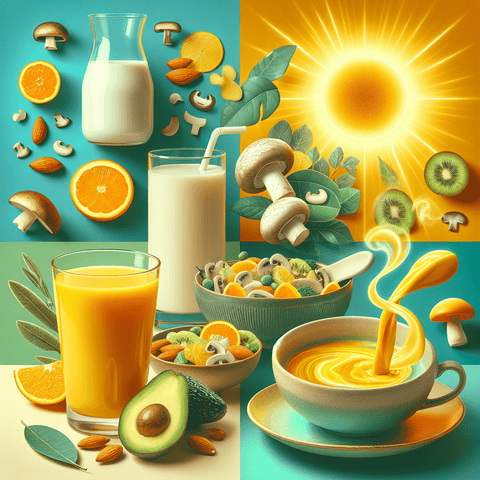
Sunlight-infused beverages are a colorful, approachable way to make everyday hydration more enjoyable. They bring together water, tea, or other light bases with fruits, herbs, and edible flowers, then let time and natural light gently draw out flavor, aroma, and color. The result is a drink that looks as good as it tastes—think a clear pitcher catching the sun, lemon wheels glowing, and mint leaves unfurling as the ingredients mingle. This guide covers the broad topic: what these drinks are, why they appeal to so many people, the main types and ingredients, and practical considerations for making them at home. Whether you are sipping solo or sharing with friends, the idea is simple, cheerful, and utterly sun-kissed.
What Are Sunlight-Infused Beverages?
Sunlight-infused beverages are drinks made by steeping fruits, herbs, edible flowers, and other natural ingredients in a liquid base—usually water, tea, or coconut water—often placing the mixture in a sunny spot or near a window. The sunlight is not a required technical step, but it is part of the appeal: light traveling through the glass highlights the colors and scents, turning a simple drink into a small visual ritual. The term covers a range of preparations, from plain fruit-and-herb waters to tea-based blends and lightly sweetened spritzers.
The focus is on freshness and simplicity. Unlike many commercial beverages, sunlight-infused drinks are typically made in small batches with ingredients you already have on hand. They are not a supplement or a health treatment, but a creative way to encourage hydration and to enjoy the natural flavors of fruits and herbs. The emphasis stays on the sensory experience: bright notes, vivid hues, and the pleasure of crafting something personal with minimal fuss.
Why Sunlight-Infused Beverages Are Popular
There are several reasons these drinks have found a following. They are visually striking, which makes them a natural fit for gatherings, brunches, and quiet afternoons. They are also flexible: you can adjust ingredients based on what is in season, what you have in the fridge, or what you simply prefer. And they offer a gentle way to make water more interesting without relying on sugary sodas or artificial flavorings.
For many people, the appeal is also the process itself. Assembling a pitcher, choosing a color palette, and letting the ingredients steep is a slow, mindful activity that fits easily into a morning routine or a weekend afternoon. The drinks are approachable for beginners and adaptable for anyone who enjoys experimenting in the kitchen.
Main Types of Sunlight-Infused Beverages
Sunlight-infused beverages are not a single recipe but a broad category. Most variations fall into a few recognizable types, each with its own character:
- Fruit-and-herb waters: The simplest form, made with water and a combination of fruits, herbs, or both. These are light, refreshing, and easy to customize.
- Tea-based infusions: Cold green tea, black tea, or herbal teas serve as the base, adding depth and a different flavor profile. These can be unsweetened or lightly sweetened.
- Sparkling infusions: Sparkling water provides effervescence, turning a quiet infusion into a festive drink. The ingredients are often added just before serving to preserve the bubbles.
- Spritzers and lightly sweetened blends: A splash of juice, a drizzle of honey, or a small amount of sweetener can be added for a more pronounced flavor. These are still typically lighter than sodas or commercial fruit drinks.
- Edible flower and botanical infusions: Edible flowers such as violets, rose petals, or calendula add color and a subtle floral note. They are often used for decorative effect as much as for flavor.
Common Ingredients and Pairing Ideas
The ingredients you choose shape the final drink. Most sunlight-infused beverages rely on a base liquid and a small selection of add-ins. Common bases include still or sparkling water, cold green or black tea, and coconut water. Fruits and herbs do the heavy lifting for flavor and aroma.
Popular fruits include lemon, lime, orange, grapefruit, berries, cucumber, watermelon, and pineapple. Herbs such as mint, basil, rosemary, thyme, and dill add an aromatic lift. Edible flowers and citrus zest contribute color and fragrance. Pairing is flexible: citrus works well with mint or basil, berries complement rosemary, and cucumber pairs naturally with lime and dill. A splash of juice or a hint of honey can adjust sweetness, but the goal is to keep flavors fresh rather than overpowering.
How to Make Sunlight-Infused Beverages at Home
Making these drinks is straightforward and does not require special equipment. The basic process is:
- Start with a clean pitcher or large jar.
- Add your chosen fruits, herbs, and edible flowers. Lightly muddling them can release more flavor, but it is optional.
- Fill with your base liquid—water, tea, or coconut water.
- Place the pitcher in a sunny spot or near a window for one to a few hours, or refrigerate for a slower infusion.
- Strain before serving if you prefer a clear drink, or leave the ingredients in for visual appeal.
- Serve over ice and enjoy. For sparkling versions, add the sparkling water just before serving.
For variety, mix and match fruit and herb pairings, add a splash of juice, or experiment with a hint of sweetness. Each combination yields a distinct profile that feels bright and inviting. The emphasis remains on simple steps, vivid hues, and the sensory joy of crafting something personal with minimal fuss.
Practical Tips and Considerations
A few practical points can help you get the most out of your infusions. First, use fresh, clean ingredients and wash produce thoroughly. Second, consider how long you infuse: shorter times yield subtle flavors, while longer steeping—especially in sunlight—can intensify the taste but may also make the drink bitter, particularly with citrus rinds or certain herbs. If you plan to keep the drink for more than a few hours, refrigerate it to maintain freshness.
If you are exploring broader nutritional topics alongside your drinks, you may be interested in our guide to vitamin C benefits, immunity, and antioxidant support or our overview of antioxidants and how they help protect your body by neutralizing free radicals. These categories provide general educational context and are not required for making sunlight-infused beverages.
Exploring the Topic Further
Sunlight-infused beverages sit at the intersection of everyday hydration and creative kitchen play. They are not a substitute for medical advice, and they are not a treatment for any condition, but they can be a pleasant way to enjoy water and natural flavors. If you are curious about the nutritional aspects of the ingredients you use—such as the vitamins and antioxidants naturally present in fruits and herbs—you can explore our broader superfoods guide with EFSA-approved nutrient claims. As with any dietary change, if you have specific health concerns or dietary restrictions, consult a qualified healthcare professional. For most people, these drinks are simply a refreshing, customizable addition to daily routines—easy to make, easy to share, and easy to enjoy.
Ready to sip sunlight today? Explore the articles below for more ideas, share your creations, and celebrate the playful moments that sunlight-infused beverages can bring to your day.