Steigern Sie die Bioverfügbarkeit Ihrer Nahrungsergänzungsmittel: Maximieren Sie die Aufnahme noch heute


Steigern Sie die Bioverfügbarkeit Ihrer Nahrungsergänzungsmittel mit wissenschaftlich fundierten Tipps, um die Aufnahme heute zu maximieren. Erfahren Sie praktische, sichere Strategien, die Sie sofort anwenden können. Die Bioverfügbarkeit von Nahrungsergänzungsmitteln bezieht sich auf den Anteil einer Zutat, der nach Einnahme im systemischen Kreislauf verfügbar wird. Das Verständnis dieses Konzepts hilft den Lesern, Produktkennzeichnungen und die zugrundeliegenden Belege verschiedener Darreichungsformen zu interpretieren. Diese Seite betont die wissenschaftliche Grundlage für die Bioverfügbarkeit von Nahrungsergänzungsmitteln und präsentiert allgemeine Informationen darüber, wie die Absorption studiert und verglichen werden kann. Mehrere Faktoren beeinflussen die Bioverfügbarkeit von Nahrungsergänzungsmitteln. Die chemische Form einer Zutat, das gewählte Liefersystem und die Herstellungsqualität bestimmen, wie eine Verbindung sich löst und aufgenommen wird. Unterschiede in der Formulierung, wie Kapselstrategien oder Partikelgröße, können die Rate und das Ausmaß der Absorption verändern. Die first-pass Metabolisierung und die Kompatibilität mit anderen Inhaltsstoffen sind zusätzliche Überlegungen, die Forscher bei der Bewertung der Bioverfügbarkeit von Nahrungsergänzungsmitteln untersuchen. Praktische Schritte, die bei der Untersuchung der Bioverfügbarkeit von Nahrungsergänzungsmitteln ohne Gesundheitsbehauptungen zu machen sind, umfassen die Priorisierung von Produktqualität und Transparenz. Suchen Sie nach Produkten mit unabhängiger Überprüfung durch Drittanbieterprogramme und klarer Kennzeichnung der aktiven Inhaltsstoffe sowie der Liefermethoden. Achten Sie auf mögliche Wechselwirkungen mit anderen Supplements oder Medikamenten und halten Sie Dokumentationen für eine professionelle Überprüfung bereit. Bei Unsicherheiten konsultieren Sie einen qualifizierten Fachmann, um Entscheidungen zu überprüfen und die Kompatibilität mit Ihrer Situation zu bewerten. Zugriff auf zuverlässige, wissenschaftlich fundierte Informationen zur Bioverfügbarkeit von Nahrungsergänzungsmitteln bleibt entscheidend. Achten Sie auf peer-reviewed Studien, die die Absorption unter kontrollierten Bedingungen messen und verschiedene Formulierungen vergleichen. Mit aktuellen Informationen von renommierten Quellen können Sie beurteilen, wie verschiedene Strategien die Absorption beeinflussen könnten, und fundierte Entscheidungen treffen. Indem Sie wissenschaftliche Belege und präzise Terminologie priorisieren, können Sie eine praktische, sichere Herangehensweise zur Beurteilung der Bioverfügbarkeit Ihrer Nahrungsergänzungsmittel jetzt und bei neuen Erkenntnissen entwickeln.


Are powdered supplements absorbed faster than pills - Topvitamine
August 27, 2025
Ob Pulver, Tabletten, Kapseln oder Tropfen besser geeignet sind, hängt nicht allein von der Darreichungsform ab. Pulver und Flüssigpräparate können sich schneller verteilen, sind aber nicht automatisch besser bioverfügbar. Entscheidend sind der Nährstoff, seine chemische Form, die Formulierung, die Einnahme mit oder ohne Mahlzeit und die regelmäßige Anwendung. Dieser Vergleich erklärt die wichtigsten Unterschiede und beantwortet praktische Fragen zu Vitamin D, Vitamin B12 und flüssigen Vitaminen.
How Supplement Bioavailability Impacts Your Health and What To Do About It - Topvitamine
July 26, 2025
Die Bioverfügbarkeit von Nahrungsergänzungsmitteln beschreibt, welcher Anteil eines Nährstoffs aufgenommen und dem Körper verfügbar gemacht wird. Dieser Ratgeber erklärt den Unterschied zwischen Absorption und Bioverfügbarkeit, zeigt den Einfluss von Nährstoffform, Mahlzeiten, Verdauung und Wechselwirkungen und gibt praktische Hinweise zur Produktauswahl. Außerdem erfahren Sie, worauf Sie bei einem seriösen Online-Shop achten sollten und wann eine fachliche Beratung sinnvoll ist.

Supplement bioavailability is a foundational concept in nutrition and supplementation. It broadly refers to the extent to which an ingredient—such as a vitamin, mineral, or botanical compound—is absorbed and becomes available for use by the body. This page provides a practical, science-based overview of supplement bioavailability, explaining what it means, why it matters, and the key factors that influence how well products are absorbed.

Understanding Supplement Bioavailability

Bioavailability is about more than just the amount of a nutrient in a supplement. It is about how much of that nutrient actually reaches systemic circulation after administration. A supplement may contain a high dose of an ingredient, but if the body cannot absorb it efficiently, the effective amount is lower than the label suggests.

This concept helps explain why different formulations of the same nutrient may produce different results in scientific studies. Researchers measure bioavailability to compare how well different supplement forms deliver their ingredients. Understanding this helps you interpret product labels, evaluate evidence, and make more informed decisions about which supplements may suit your needs.

Key Factors Influencing Absorption

Several factors influence how well a supplement ingredient is absorbed. These include the form of the ingredient, the delivery system, and the quality of manufacturing.

Chemical Form of the Ingredient

The chemical form of a nutrient can significantly affect its absorption. For example, certain minerals are available in multiple forms, and some forms may be better absorbed than others. This is a key consideration in supplement formulation and is often highlighted on product labels.

Delivery System and Formulation

The delivery system—whether a supplement comes as a tablet, capsule, powder, or liquid—can impact how it dissolves and is released in the body. Encapsulation strategies and particle size are additional formulation factors that can alter the rate and extent of absorption. These design choices are part of what makes one product different from another.

Metabolism and Interactions

Once absorbed, ingredients may undergo first-pass metabolism in the liver, which can reduce the amount that reaches systemic circulation. Compatibility with other ingredients is also important. Some nutrients are better absorbed together, while others may compete for absorption. These interactions are important considerations in supplement research and formulation.

Why Bioavailability Matters in Supplements

Understanding bioavailability helps you recognize that not all supplements are created equal. It is a primary reason why two products with the same ingredient profile can differ in effectiveness. For those interested in specific nutrient categories, it is useful to explore how different supplements are formulated to optimize absorption.

For instance, if you are particularly interested in how vitamins are absorbed, you can explore our guides on vitamin A, vitamin D, and B vitamins. These resources provide more detailed information about the sources and benefits of these nutrients.

Different Forms and Delivery Methods

The supplement market offers a wide variety of product forms, each with its own characteristics that can influence absorption. Some common formats include:

  • Tablets and capsules, which are convenient and widely used.
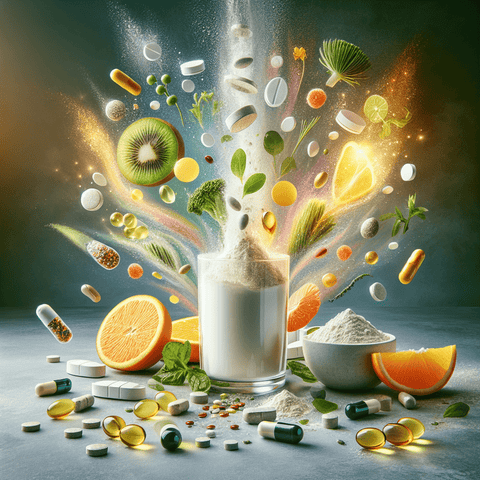
  • Powders, which can be mixed with liquids and may be absorbed more quickly.
  • Liquid formulations, which some users prefer for ease of use.
  • Specialized delivery systems, such as liposomal or time-release technologies.

These different forms are designed to address various factors, including stability, convenience, and the intended rate of absorption. When comparing products, it is worth considering how the delivery form might affect the bioavailability of the ingredients.

Practical Considerations for Choosing Supplements

When selecting supplements, focusing on quality and transparency is essential. Here are some practical steps to consider:

  • Seek products with independent verification from third-party testing programs.
  • Look for clear labeling of active ingredients and delivery methods.
  • Be mindful of potential interactions with other supplements or medications.
  • Keep documentation and product labels available for professional review.

These steps can help you evaluate products more carefully without relying on marketing claims alone.

Exploring Absorption and Dosage

Absorption is not the same as the amount of a supplement you take. The relationship between a dose and what the body actually uses is complex. For instance, you might wonder how much of a supplement you actually absorb. This depends on factors like the formulation, the presence of food in your stomach, and individual differences in metabolism. Similarly, terms like '90% bioavailability' indicate that a specific portion of the ingested dose is expected to be absorbed, though this can vary.

It is also important to consider that some vitamins and minerals may not be compatible when taken together, as they can compete for absorption. Understanding these dynamics is part of making informed decisions about supplement timing and combinations.

Staying Informed with Reliable Sources

As research on supplement bioavailability continues to evolve, staying current with reliable, science-based information is important. Look for peer-reviewed studies that measure absorption under controlled conditions and compare different formulations. This evidence-based approach helps you evaluate how various strategies may influence absorption and supports informed decision-making.

For a broader perspective on vitamins and how they work in the body, you may find our comprehensive multivitamins guide helpful. It covers ingredient considerations, usage, and safety.

For those interested in specific minerals and how their different forms affect absorption, our mineral supplements guide provides a detailed overview of iron, zinc, selenium, and other essential minerals.

The Bottom Line on Bioavailability

Supplement bioavailability is a nuanced topic that underpins the effectiveness of any nutritional supplement. By understanding the factors that influence absorption and knowing how to evaluate product quality, you can approach supplementation with greater confidence. Always prioritize evidence-based information and consult with a qualified healthcare professional for personalized advice.