Ergänzungsnachweis-Standards: Wie man Qualität und Sicherheit überprüft


Zertifizierungsstandards für Nahrungsergänzungsmittel bieten einen klaren Rahmen dafür, wie ein Produkt hergestellt, gekennzeichnet und getestet wird. Sie setzen Erwartungen hinsichtlich der Inhaltsstoffprüfung, der Herstellungssteuerung und der Dokumentation, die Qualität und Sicherheit unterstützen. Durch das Verständnis dieser Standards kannst du Produkte konsequenter vergleichen und Unsicherheiten beim Einkauf vermindern. Der Fokus auf strenge Kriterien hilft dabei, glaubwürdige Produkte von solchen mit schwächeren oder inkonsistenten Praktiken zu unterscheiden. Das Erkennen gefälschfter Etiketten beginnt damit, zu wissen, welche Markierungen vertrauenswürdigen Institutionen gehören und wie man sie überprüft. Suche nach offiziellen Logos, die du auf der Website des Zertifizierers überprüfen kannst, und beachte das Ablaufdatum oder die Erneuerungsanforderungen, um sicherzustellen, dass die Überprüfung aktuell ist. Überprüfe, ob das Etikett eine Zertifizierung für den spezifischen Produkttyp oder die Charge angibt, und suche nach chargerbezogener Dokumentation wie einem Analysezertifikat. Sei vorsichtig bei ungewöhnlichen Schriftarten, Rechtschreibfehlern oder allgemeinen Behauptungen, die nicht mit einer anerkannten Zertifizierung verbunden sind – all dies kann auf eine mangelnde Einhaltung der Lieferketten- und Qualitätsprozesse im Rahmen der Zertifizierungsstandards für Nahrungsergänzungsmittel hindeuten. Beim Vergleichen von Nachweisen solltest du den Umfang und die Strenge jeder Zertifizierung prüfen. Einige Standards umfassen regelmäßige Inspektionen der Anlagen, Tests durch Dritte von Inhaltsstoffen und Endprodukten sowie laufende Kontrollen der Lieferanten. Achte auf Transparenz darüber, was getestet wird, wie oft Tests wiederholt werden und ob die Testergebnisse öffentlich zugänglich sind oder auf Anfrage bereitgestellt werden. Eine solide Zertifizierung wird oft mit nachweisbaren, chargenspezifischen Dokumenten geliefert, anstatt mit allgemeinen Zusicherungen, sodass du überprüfen kannst, ob das auf einem Etikett Angezeigte mit den getesteten und genehmigten Standards übereinstimmt. Vertraue beim Einkauf auf die Standards für Nahrungsergänzungsmittel als deinen Basisschlüssel. Suche nach Marken, die Zugang zu Analysezertifikaten veröffentlichen, aktuelle Drittanbieter-Zertifizierungen vorweisen und einfache Online-Überprüfungen der Nachweise ermöglichen. Überprüfe Produktdetails beim Kauf, bewahre Kopien der COAs auf und prüfe auf etwaige Rückrufaktionen oder Korrekturmaßnahmen im Zusammenhang mit der Marke oder der Produktionsstätte. Indem du Produkte bevorzugst, die im Einklang mit soliden Zertifizierungsstandards stehen, kannst du den Markt mit größerer Sicherheit und Konstanz navigieren.


How can I tell if a supplement is high quality? - Topvitamine
January 27, 2026
Hochwertige Nahrungsergänzungsmittel lassen sich nicht allein am Preis oder an Werbeversprechen erkennen. Entscheidend sind eine vollständige Zutatenliste, nachvollziehbare Dosierungen, geeignete Wirkstoffformen, Chargenprüfungen und ein transparenter Hersteller. Dieser Leitfaden zeigt, welche Qualitätsmerkmale beim Kauf wichtig sind, wie Sie Zertifikate und Analysezertifikate einordnen und wann bei Erkrankungen, Medikamenteneinnahme oder besonderen Lebensphasen fachlicher Rat sinnvoll ist.
Unlocking the Truth: How to Spot Safe and Effective Supplements in a Crowded Market - Topvitamine
August 31, 2025
Hochwertige Nahrungsergänzungsmittel zu erkennen, gelingt mit einem kritischen Blick auf Etikett, Dosierung, Herkunft, Hersteller und Qualitätskontrollen. Dieser Leitfaden zeigt, welche Angaben transparent sein sollten, warum natürliche Inhaltsstoffe nicht automatisch sicherer sind und woran Sie irreführende Versprechen erkennen. Außerdem erfahren Sie, welche Fragen Sie bei Medikamenten, Erkrankungen oder besonderen Lebenssituationen fachlich abklären sollten.
How to Spot High-Quality Supplements: A Guide to Avoiding Counterfeit Products - Topvitamine
August 25, 2025
Hochwertige Nahrungsergänzungsmittel lassen sich nicht allein an Preis oder Werbeversprechen erkennen. Entscheidend sind ein vollständiges Etikett, nachvollziehbare Mengenangaben, seriöse Herstellerinformationen, geeignete Prüfungen und eine vertrauenswürdige Bezugsquelle. Dieser Ratgeber erklärt, worauf Sie beim Kauf achten sollten, welche Zertifizierungen es gibt, wann Nahrungsergänzungsmittel sinnvoll sein können und warum eine Mikronährstoffanalyse individuell beurteilt werden sollte.

Supplement certification standards are an important consideration for anyone who takes dietary supplements. These voluntary programs help verify that products meet specific quality, purity, and safety criteria beyond basic regulatory requirements. With a growing number of certification seals appearing on supplement labels, understanding what these standards mean can help you choose products with greater confidence.

This guide explains the main supplement certification programs, what they test for, and how they differ from one another. It also covers regulatory oversight and practical tips for evaluating certification claims on product labels.

Understanding Supplement Certification

Supplement certification refers to the process by which an independent organization verifies that a dietary supplement meets specific quality standards. These standards typically address ingredient purity, potency, and manufacturing practices. Certification programs go beyond what is required by law, providing consumers with an additional level of assurance about what is actually in the product they are purchasing.

The certification process usually involves several steps, including document review, facility inspection, and product testing. Certified products must often be re-tested on a regular basis to maintain their certification status. This ongoing oversight helps ensure that products continue to meet the program's standards over time.

Why Certification Standards Matter

The dietary supplement marketplace includes a wide range of products with varying levels of quality. While regulatory requirements provide a baseline for safety, they do not guarantee that every product contains exactly what its label claims. Certification standards help address this gap by providing independent verification of product quality.

For consumers, certification can be particularly valuable when choosing supplements for specific purposes. Athletes, for example, may look for products certified to be free from banned substances. Others may prioritize certifications that verify ingredient purity or accurate labeling. Understanding what different certifications represent can help you select products that align with your priorities.

Major Supplement Certification Programs

Several independent organizations offer supplement certification programs. Each program has its own standards, testing methods, and areas of emphasis. Here are some of the most recognized certification programs in the supplement industry.

NSF International

NSF International offers certification for dietary supplements through its NSF/ANSI 173 standard. This program verifies that products meet strict quality and safety requirements, including ingredient identity, purity, and label accuracy. NSF certification also includes facility audits to ensure good manufacturing practices are being followed.

NSF also offers a specific certification for sports supplements called NSF Certified for Sport. This program adds testing for over 280 substances that are banned by major athletic organizations, making it a popular choice for athletes concerned about accidental contamination.

USP Verification

The United States Pharmacopeia (USP) offers a verification program for dietary supplements. USP standards are recognized internationally for their rigor and have been used for over 200 years to ensure medicine and food quality. The USP Verified mark indicates that a product meets specific criteria for ingredient purity, potency, and manufacturing quality.

USP verification includes testing for contaminants such as heavy metals, pesticides, and microbes, as well as verification that the product contains the ingredients listed on its label in the declared amounts. USP also conducts facility audits to verify compliance with good manufacturing practices.

Informed Sport

Informed Sport is a certification program specifically designed for athletes and sports nutrition products. Products bearing the Informed Sport logo have been tested for the presence of prohibited substances and are manufactured in facilities that follow strict protocols to prevent contamination.

Every batch of Informed Sport certified products is tested before it is released to the market. The program tests for substances on the World Anti-Doping Agency (WADA) prohibited list, providing athletes with confidence that their supplements are safe to use in competition.

Other Notable Certifications

In addition to the major programs, there are other certification options in the supplement industry. These include certifications focused on organic ingredients, non-GMO verification, and gluten-free testing. While these certifications do not address the same concerns as quality-focused programs, they can be important to consumers with specific dietary preferences or restrictions.

Comparing Certification Programs

When choosing supplements, understanding how certification programs differ can help you select products that meet your needs. Here is a comparison of some key features of the major certification programs.

  • NSF International: Tests for ingredient purity, label accuracy, and contaminant limits. Offers sport-specific certification with banned substance testing.
  • USP: Verifies ingredient identity, potency, purity, and manufacturing quality. Conducts facility audits and tests for common contaminants.
  • Informed Sport: Focuses specifically on banned substance testing for athletes. Every batch is tested for substances on the WADA prohibited list.

Each program has strengths that may be more or less relevant depending on your needs. All three provide meaningful verification of product quality, but the specific focus areas differ.

Regulatory Oversight of Supplements

In the United States, dietary supplements are regulated by the Food and Drug Administration (FDA) under the Dietary Supplement Health and Education Act (DSHEA) of 1994. This law defines supplements as a category of food and establishes requirements for labeling and good manufacturing practices.

The FDA requires supplement manufacturers to follow current Good Manufacturing Practices (cGMP), which establish standards for facility cleanliness, ingredient handling, and quality control procedures. However, unlike pharmaceutical drugs, supplements do not require FDA approval before they are marketed to consumers.

This regulatory framework means that manufacturers are responsible for ensuring their products are safe and accurately labeled. Certification programs provide an additional layer of oversight that can give consumers more confidence in a product's quality.

How to Verify Certification Claims

When you see a certification seal on a supplement label, it is important to verify that the claim is legitimate. Here are some practical steps you can take to confirm that a product's certification is valid.

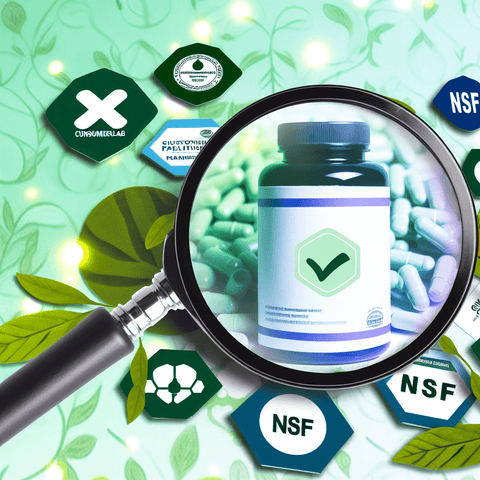
  • Check the certifying organization's website for a database of certified products. Most major programs maintain searchable lists of products that currently hold certification.
  • Look for a certification number or specific mark on the product label that can be matched to the certifier's records.
  • Review the product's packaging for the full certification mark, not just a similar-looking logo. Some products use look-alike seals that may be misleading.
  • Contact the manufacturer if you have questions about a product's certification status. Reputable companies should be able to provide documentation.

Certification can also be verified by checking for a certificate of analysis (COA), which provides specific test results for a product batch. Some manufacturers make COAs available on their website or upon request.

Factors to Consider When Choosing Certified Supplements

While certification is an important quality indicator, it is not the only factor to consider when selecting supplements. Here are some additional aspects that may influence your choice.

  • The specific ingredients and dosages that align with your nutritional needs
  • The form of the supplement, such as capsule, tablet, powder, or liquid
  • Any dietary preferences, such as vegan, vegetarian, or allergen-free options
  • The reputation of the manufacturer and their history of quality control

Certification programs provide valuable information, but they work best when combined with your own research and consideration of your individual health needs.

Exploring Supplement Options Further

Understanding supplement certification standards is just one part of making informed decisions about dietary supplements. As you explore different products, you may want to learn more about specific nutrients, supplement types, or quality considerations that are relevant to your health goals.

For a broad range of supplement options, you can browse our natural supplement collection to see products from a variety of categories. You may also find our multivitamin guide helpful if you are interested in comprehensive nutritional support.

Individual articles on our blog provide more detailed information about specific vitamins, minerals, and supplement types, helping you build a deeper understanding of the products that interest you.

Remember that certification is a tool to help you evaluate quality, but it is not a substitute for professional medical advice. If you have questions about which supplements may be appropriate for you, consider speaking with a healthcare provider who understands your health history and needs.