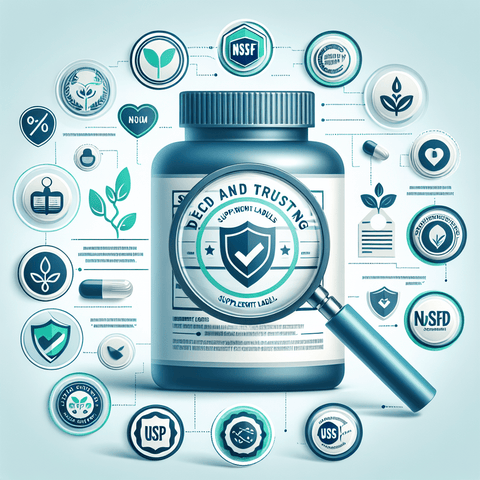
Willkommen zu einem klaren Blick auf die enthüllten Inhaltsstoffe von Nahrungsergänzungsmitteln. Dieser ehrliche Leitfaden hilft Ihnen zu verstehen, was auf dem Etikett steht, wie man es liest und was es über ein Produkt aussagen kann oder nicht. Sie lernen praktische Schritte, um unbekannte Begriffe zu erkennen, Zusätze zu identifizieren und vertrauenswürdige Optionen zu vergleichen. Das Ziel ist Transparenz und kritisches Denken, nicht Marketing-Hype oder unbelegte Behauptungen. Beginnen Sie mit den Grundlagen des Etikettendesigns. Das „Supplement Facts“-Fenster zeigt die Portionsgröße und die Menge pro Portion, gefolgt von den Inhaltsstoffen selbst. Inhaltsstoffe werden typischerweise in absteigender Reihenfolge nach Gewicht aufgeführt, was Ihnen einen Eindruck davon vermittelt, was ein Produkt dominiert. Wenn Sie auf eine „proprietäre Mischung“ stoßen, beachten Sie, dass das Etikett das Gesamtgewicht der Mischung offenbaren kann, ohne die Mengen der einzelnen Bestandteile anzugeben. Achten Sie auf Füllstoffe, Bindemittel, Fließmittel oder künstliche Farben und Aromen, die oft bei der Herstellung verwendet werden. Nutzen Sie die Details auf dem Etikett als Ausgangspunkt zum Vergleichen, nicht als einzelne Wahrheit. Das Erkennen von Zusätzen kann Ihnen helfen, routinemäßige Verarbeitungshilfsmittel von substanzreicheren Inhaltsstoffen zu unterscheiden. Zusätze wie Bindemittel, Überzüge, Stabilisatoren, Emulgatoren und Lösungsmittel erfüllen bestimmte Herstellungszwecke, deren Anwesenheit jedoch stark variieren kann. Unklarheiten wie vage Begriffe oder pauschale Ausdrücke wie „natürliche Aromen“ können verschleiern, was wirklich drin ist. Überlegen Sie, wie klar ein Unternehmen die Quellen der Inhaltsstoffe beschreibt und ob das Etikett genügend Informationen liefert, um zu verstehen, was Sie sich ansehen. Das Ziel ist, zu erkennen, welche Themen gut dokumentiert sind, und welche möglicherweise weitere Nachforschungen erfordern. Bei der Auswahl sichererer, vertrauenswürdigerer Produkte suchen Sie nach Marken, die Transparenz und Drittanbieterüberprüfungen betonen. Unabhängige Testprogramme und Zertifizierungen—wie USP Verified oder NSF Certified for Sport—können hilfreiche Indikatoren sein, dass die Inhaltsstoffe und die auf dem Etikett angegebenen Mengen mit den Angaben übereinstimmen. Überprüfen Sie chargenspezifische Informationen wie Ladungsnummern und Analysezertifikate sowie die Qualitätskontrollen und Rückrufhistorie eines Unternehmens. Indem Sie Offenheit und überprüfbare Tests priorisieren, können Sie sich sicherer durch den Markt bewegen, geleitet vom Prinzip der enthüllten Inhaltsstoffe.
Zutaten von Nahrungsergänzungsmitteln offenbart: Der ehrliche Leitfaden, was wirklich in Ihren Supplements steckt
Supplement ingredient labels are your main window into what a product actually contains—but they are not always as straightforward as they seem. This guide explains how to read those labels, what common terms really mean, and why transparency matters when choosing supplements. You’ll also learn how to spot additives, verify quality through independent testing, and compare products with greater confidence. This is a practical, no-hype overview of the topic, designed to help you navigate the supplement aisle with a clearer head.
What Are Supplement Ingredients, and How Are They Listed?
Supplement ingredients include the active components—like vitamins, minerals, herbs, or amino acids—as well as inactive substances used in manufacturing, such as fillers, binders, and coatings. On a typical Supplement Facts panel, ingredients are listed in descending order by weight. This means the first few ingredients make up the largest portion of the product, which can help you understand what dominates the formula.
However, order by weight is not the same as importance. Some active ingredients are present in very small amounts yet are still biologically meaningful. Also, “proprietary blends” can list a total weight for a group of ingredients without showing the amount of each individual component. This is a common practice, but it limits how much you can learn from the label alone.
Understanding these basics helps you interpret what you see and recognize when more research is needed. For more detailed guidance on specific nutrients, you can explore our multivitamins guide or our mineral supplements guide.
Spotting Additives, Fillers, and Unclear Terms
Many supplement ingredients are not active nutrients at all. Additives like binders, flow agents, stabilizers, emulsifiers, and solvents help with manufacturing and product consistency. While these are generally safe in small amounts, their presence can vary widely between brands. Knowing what they are can help you understand what you’re consuming.
Be cautious with vague terms like “natural flavors” or “proprietary blend.” These can obscure the full picture. A label that clearly describes ingredient sources and provides specific names is usually more transparent than one that relies on blanket phrases. If a term is unfamiliar, take the time to look it up or contact the manufacturer for more details.
Here are some common non-active ingredients you might see:
- Fillers: add bulk to capsules or tablets.
- Binders: help ingredients stick together.
- Flow agents: prevent powders from clumping.
- Coating: may affect how quickly a tablet dissolves.
- Artificial colors or flavors: used for appearance or taste.
The goal is not to avoid all additives—some are necessary for quality and stability—but to be aware of what is in your supplement and why.
Choosing Supplements with Transparent Ingredients
When selecting a supplement, the label is only the starting point. Look for brands that prioritize transparency and third-party verification. Independent testing programs like USP Verified or NSF Certified for Sport can provide extra assurance that the ingredients and amounts listed on the label are accurate. Batch-specific information, such as lot numbers and certificates of analysis, allows you to verify what was actually tested.
It’s also worth reviewing a company’s quality control practices and recall history. A brand that openly shares testing results and follows good manufacturing practices is generally more trustworthy. For more specific categories, you can explore our sports supplements guide or our herbal supplements guide for ingredient-related insights.
Red Flags and Limitations of Labels
Not all supplements are equally transparent. Some labels hide more than they reveal. Here are a few red flags to watch for:
- Vague or proprietary blends with no individual amounts.
- Overly broad disclaimers or “may help” claims without specifics.
- No contact information or batch details for further inquiry.
- Mega-doses of certain nutrients beyond recommended levels.
Remember that a label can’t tell you everything. It doesn’t capture how a product was manufactured, whether it truly contains what it claims, or how your body will respond. Labels are useful tools, but they should be part of a larger evaluation that includes research and, where appropriate, professional guidance.
How to Make Informed Supplement Choices
To make the most of supplement ingredient information, adopt a simple checklist:
- Read the Supplement Facts panel and identify all active ingredients.
- Look for specific amounts rather than proprietary blends.
- Check for third-party seals of approval.
- Request certificates of analysis if needed.
- Compare similar products to see which offers greater transparency.
If you are unsure about a particular ingredient or supplement, consult a healthcare professional—especially if you have underlying health conditions or take medications. This guide is for educational purposes and does not replace personalized medical advice.