Supplement-Label-Entschlüsselung: Lernen Sie, Zutaten, Dosierungen und Sicherheit wie ein Profi zu lesen


Die Dekodierung von Supplement-Labels ist eine praktische Fähigkeit, um Produktetiketten mit Vertrauen lesen zu können. Auf dieser Seite lernen Sie, welche Inhaltsstoffe wichtig sind, wie man Dosen liest und wie man die Sicherheit professionell bewertet, damit Sie heute klügere und sicherere Entscheidungen treffen können. Das Kerngeschäft besteht darin, sich auf das Label selbst zu konzentrieren—die Namen, Mengen und Hinweise, die auf der Verpackung erscheinen—ohne sich von Marketingaussagen ablenken zu lassen. Indem Sie die Dekodierung von Supplement-Labels meistern, können Sie jedem Produkt mit einer klaren, systematischen Checkliste begegnen. Beginnen Sie mit den Grundlagen auf dem Etikett: der Portionsgröße und der Anzahl der Portionen pro Behälter. Die Zutatenliste sollte aktive Inhaltsstoffe und alle anderen in der Formel enthaltenen Substanzen aufzeigen. Beachten Sie die Menge pro Portion und die verwendeten Einheiten (mg, mcg, IU usw.) und vergleichen Sie sie mit den angegebenen Tageswerten, falls vorhanden. Wenn Sie einen „Proprietary Blend“ sehen, seien Sie sich bewusst, dass die genauen Mengen einzelner Inhaltsstoffe möglicherweise nicht offengelegt werden, was die Transparenz einschränken kann. Achten Sie auf Übereinstimmung zwischen dem Etikett und der angegebenen Portionsanzahl. Für eine safety-orientierte Dekodierung überprüfen Sie die Angaben zu Allergenen und etwaigen Warnhinweisen oder Vorsichtsmaßnahmen, die bestimmte Gruppen betreffen. Prüfen Sie, ob das Etikett mögliche Wechselwirkungen, Lagerungsempfehlungen sowie Verfalls- oder Chargencodes erwähnt. Zertifizierungen wie USP Verified oder NSF Certified for Sport sowie Verweise auf Good Manufacturing Practice (GMP) können auf ein Qualitätsversprechen hindeuten, sind jedoch keine Garantie; prüfen Sie, wer die Tests durchgeführt hat und was getestet wurde. Sammeln Sie grundlegende Produktinformationen wie den Namen des Herstellers und Kontaktdaten und notieren Sie die Chargennummer für die Rückverfolgbarkeit. Setzen Sie es in die Praxis um, indem Sie eine schnelle Checkliste für Labels erstellen, die Sie bei verschiedenen Produkten verwenden können: Portionsgröße, Mengen pro Portion, Vorhandensein von Proprietary Blends, Allergeninformationen, Warnhinweise, Zertifizierungen und Haltbarkeitsdatum. Wenn Sie auf unbekannte Inhaltsstoffe stoßen, recherchieren Sie diese in anerkannten Referenzquellen und überprüfen Sie das Zutaten-Glossar oder die Labels. Vergleichen Sie mindestens zwei Produkte, um zu sehen, wie sie bei diesen Kriterien abschneiden, und bewahren Sie Ihre Notizen an einem Ort auf, um im Laufe der Zeit eine persönliche Referenz aufzubauen. Mit konsequenter Übung in der Dekodierung von Supplement-Labels können Sie heute klügere und sicherere Entscheidungen treffen.


Unlocking the Truth About Supplement Labels: What Every Consumer Must Know - Topvitamine
August 31, 2025
Wer Nahrungsergänzungsmittel sicher auswählen möchte, sollte Etiketten systematisch prüfen. Dieser Leitfaden erklärt, wie Portionsgröße, Zutatenliste, Wirkstoffmengen, Allergene, Warnhinweise und Werbeaussagen zu verstehen sind. Außerdem erfahren Sie, was Inhaltsstofftransparenz bedeutet, wie Drittanbieterprüfungen einzuordnen sind und worin sich NSF und USP unterscheiden. Die Hinweise helfen bei einer informierten Auswahl, ersetzen bei individuellen Gesundheitsfragen jedoch keine professionelle Beratung.

Supplement label decoding is a practical skill for reading product labels with confidence. In this guide, you'll learn which ingredients matter, how to read doses, and how to evaluate safety like a pro, so you can make smarter, safer choices today. The core idea is to focus on the label itself—the names, amounts, and notes that appear on the packaging—without getting distracted by marketing claims. By mastering supplement label decoding, you can approach each product with a clear, methodical checklist.

Start with the Basics: Serving Size and Servings per Container

The foundation of any supplement label is the serving size and the number of servings per container. The serving size tells you the amount of product recommended for one use, such as one capsule, two tablets, or one scoop of powder. The number of servings per container indicates how many of those doses are in the bottle. These two pieces of information are the starting point for all other label calculations and comparisons.

For example, if a label says the serving size is two capsules and there are 60 capsules in the bottle, the container holds 30 servings. This helps you understand how long a product will last and allows you to compare value and dosage between similar items. Always check for consistency between the serving size and the stated serving count on the label.

Reading the Ingredient List and Understanding Doses

The ingredient list should clearly show the active ingredients and any other substances included in the formula. For each active ingredient, the label must state the amount per serving. These amounts are expressed in units like milligrams (mg), micrograms (mcg), or International Units (IU). When available, the label will also list the Percent Daily Value (%DV), which shows how much a nutrient in a serving contributes to a daily diet based on established reference amounts.

When evaluating ingredient lists, be particularly attentive to a few key elements:

  • Compare the amount per serving to any stated daily value to understand its relative contribution.
  • Note the units used (mg, mcg, IU) to correctly interpret the dose.
  • Be aware that a “proprietary blend” may not disclose the exact amounts of individual ingredients, which can limit transparency.

Evaluating Certification and Quality Markers

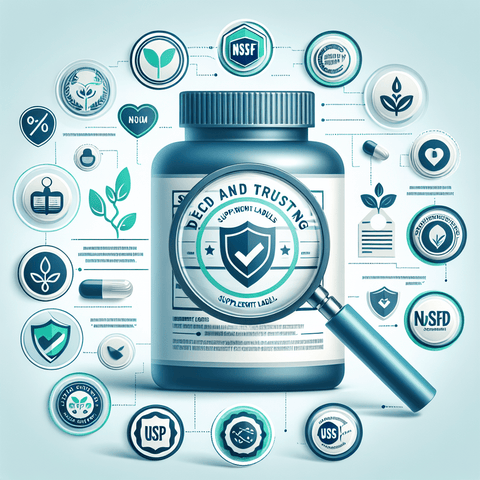
Certifications like USP Verified or NSF Certified for Sport, and references to Good Manufacturing Practice (GMP), can signal a commitment to quality. However, these marks are not automatic guarantees. It's wise to verify who conducted the testing and what was actually tested. Third-party certifications often mean a product has been tested for identity, purity, strength, and composition, but the scope can vary between programs.

Understanding NSF Certification

NSF certification is a specific type of third-party testing that verifies a product contains the ingredients listed on the label, in the declared amounts, and does not contain undeclared contaminants. Some NSF programs, like NSF Certified for Sport, are designed for athletes and include additional screening for substances banned in sport. To verify certification, you can look for the NSF mark on the label and check the product on the NSF official website.

A common question is whether it is better to buy NSF-certified vitamins than regular vitamins. NSF certification provides an extra layer of quality assurance through independent testing, which can be particularly important for competitive athletes or those who require high confidence in product purity. However, many reputable brands use other recognized third-party testing services or follow strict GMP guidelines without NSF certification.

NSF-Certified vs. Non-Certified Supplements

The main difference between NSF-certified and non-certified supplements can be summarized as follows:

  • NSF-Certified: Undergoes independent, third-party testing for label accuracy and banned substances (in sport-specific programs).
  • Non-Certified: May still follow Good Manufacturing Practices and have quality control, but does not have the same level of independent verification.

This additional verification can be an important factor in your purchasing decision, especially if you require third-party assurance of what's in your supplements. You can look up which brands are NSF certified by visiting the NSF website and searching their database.

Spotting Misleading Label Claims and Understanding Regulations

Supplement labels are subject to regulations, but the rules differ from those for pharmaceuticals. The FDA regulates dietary supplements under the Dietary Supplement Health and Education Act (DSHEA). This means manufacturers are responsible for ensuring their products are safe and their claims are not false or misleading, but products do not need FDA approval before going to market. Understanding this can help you view marketing claims with appropriate skepticism.

Here are some tips for reading nutrition labels effectively and spotting misleading claims:

  • Focus on the Supplement Facts panel, not the front of the package.
  • Be wary of claims that sound too good to be true, such as “miracle cure” or “rapid” results.
  • Look for a clear list of ingredients with specific amounts, and be cautious of products that rely heavily on proprietary blends.
  • Check for a manufacturer's address and contact information, which indicates accountability.

Building Your Personal Label-Decoding Checklist

To put your skills into practice, create a quick label-checklist you can use across products. This will help you evaluate supplements consistently and efficiently, making you a more confident and informed consumer.

  • Serving size and servings per container
  • Per-serving amounts of active ingredients (mg, mcg, IU)
  • Presence of proprietary blends
  • Allergen information and warnings
  • Certifications (e.g., NSF, USP) and GMP references
  • Expiration date and lot/batch number

When you encounter unfamiliar ingredients, look them up in reputable reference resources. Review the ingredient glossary or label notes if available. Compare at least two products to see how they stack up on these criteria, and keep your notes in one place to build a personal reference over time. With consistent practice in supplement label decoding, you can make smarter, safer choices today.

Exploring the Topic Further

Reading labels well is a general skill that applies to all supplements. Once you understand the basics, you can apply this knowledge to specific product categories. For example, you can use your label-reading skills to evaluate ingredients in multivitamins, understand the forms of minerals like magnesium, or compare the sourcing of herbal supplements.

Learning to read labels is a foundational step. To further your understanding of specific nutrients, you can explore guides on vitamin D, multivitamins, and more to see how label information applies to different types of products.