
Die Verwendung eines Leitfadens zum Lesen von Nahrungsergänzungsmittel-Labels kann Ihnen helfen, den Markt mit Klarheit anzugehen. Ein gut strukturierter Etikett bietet den Rahmen, den Sie benötigen, um Produkte zu vergleichen, ohne sich von Marketingmaschen blenden zu lassen. In diesem Leitfaden lernen Sie, drei Kernbereiche zu entschlüsseln: Inhaltsstoffe, Dosierungen und Behauptungen, sodass Sie intelligentere, informierte Entscheidungen treffen können. Der Fokus liegt hier auf praktischen Schritten, die auf jedes Produkt angewendet werden können. Inhaltsstoffe: Lesen Sie die Liste sorgfältig durch und achten Sie auf die Reihenfolge der Komponenten. Aktive Inhaltsstoffe werden in der Regel zuerst aufgeführt; der Rest sind inaktive Bestandteile wie Füllstoffe, Binder und Farbstoffe. Wenn ein Produkt eine proprietäre Mischung verwendet, kann das Etikett nur eine Gesamtsumme für die Mischung offenlegen, nicht die Mengen der einzelnen Inhaltsstoffe, was die Transparenz einschränkt. Achten Sie auch auf potenzielle Allergene und unnötige Zusatzstoffe, die Sie vermeiden möchten. Dosierungen und Portionsgröße: Erkennen Sie die Portionsgröße und die Menge jedes Bestandteils pro Portion, die üblicherweise in mg, µg oder internationalen Einheiten angegeben sind. Vergleichen Sie diese Mengen mit Ihren Bedürfnissen für die jeweilige Produktart und beachten Sie, wie viele Portionen in der Verpackung enthalten sind, um die Gesamtexposition zu berechnen. Suchen Sie nach dem % Tageswert, um zu verstehen, wie eine Portion zu den Standardmetrik beiträgt, und seien Sie sich der Unterschiede zwischen den Mengen pro Portion und dem Gesamtnachweis in der Verpackung bewusst. Wenn eine proprietäre Mischung vorhanden ist, können die genauen einzelnen Mengen möglicherweise nicht offen gelegt werden. Behauptungen und Überprüfung: Trennen Sie Marketingaussagen von den sachlichen Informationen im Supplement Facts-Panel. Überprüfen Sie unabhängige Zertifizierungen Dritter; diese können eine zusätzliche Sicherheit für die Qualität bieten. Die Dokumentationsangaben auf dem Etikett—Herstellername, Losnummer und Ablaufdatum—unterstützen die Nachverfolgbarkeit und Sicherheitsprüfungen. Nutzen Sie diese Elemente zusammen als Teil Ihres Leitfadens zum Lesen von Nahrungsergänzungsmitteln, um intelligentere, informierte Entscheidungen zu treffen.
Wie man Supplementetiketten liest: Der unverzichtbare Leitfaden für sichere und wirksame Nahrungsergänzungsmittel
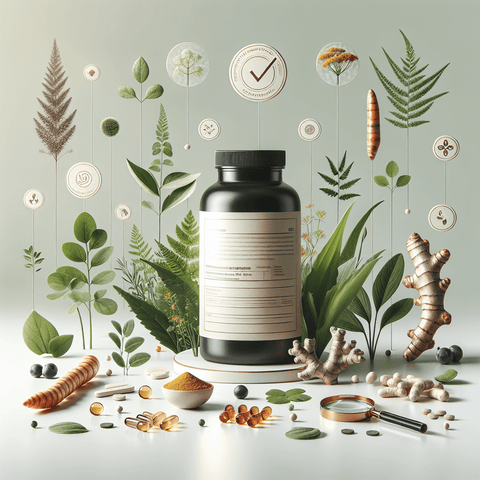
A supplement label reading guide is essential for anyone who wants to navigate the world of vitamins, minerals, and other dietary products with confidence. The front of a bottle may feature compelling language and attractive designs, but the most important information is found in the small print. Learning to decode this information allows you to understand what a product contains, how much of each ingredient you are getting, and what the manufacturer can and cannot legally claim.
This guide provides a broad overview of how to approach a supplement label. It breaks down the core elements you will encounter, including the Supplement Facts panel, ingredient lists, dosages, and certification seals. By understanding these components, you can better assess any product, making choices that align with your own health needs and preferences.
Understanding the Supplement Facts Panel
The Supplement Facts panel is the standardized section on a supplement label that lists the product's nutritional and dietary information. It is the first place you should look when evaluating a supplement. This panel provides the factual basis for understanding what is inside the bottle, distinct from any claims made on the front of the packaging.
Serving Size and Servings Per Container
Every Supplement Facts panel begins with the serving size, which indicates the amount of the product to consume at one time. This could be one capsule, two gummies, or one scoop of powder. The panel also lists the number of servings per container. Pay close attention to these details. A bottle may appear to be a good value, but if the serving size is four capsules and you only take one, the product will last much longer than the serving count suggests. To calculate total exposure to all ingredients, multiply the per-serving amount by the number of servings.
Amount Per Serving and % Daily Value
For each ingredient, the label provides the amount per serving, typically measured in milligrams (mg), micrograms (mcg), or International Units (IU). Some products also list the % Daily Value (%DV), which shows how much a serving contributes to a standard daily diet of 2,000 calories. This is a useful reference for key vitamins and minerals, but it is not required for all ingredients, such as proprietary blends or botanical extracts. Always compare the amount per serving against your own needs and consult a healthcare professional when determining appropriate intake levels.
Decoding the Ingredient List
The ingredient list on a supplement label is a complete list of everything in the product. It is a crucial tool for understanding what you are consuming. The list typically presents components in order of quantity, with the most concentrated ingredients appearing first. However, there are nuances to understand, particularly when it comes to proprietary blends.
Active Ingredients vs. Inactive Ingredients
Ingredients in a supplement can be split into two main categories: active and inactive. Active ingredients are the components intended to produce the supplement's claimed effect, such as vitamin C, magnesium, or an herbal extract. Inactive ingredients serve other purposes, such as fillers, binders, and colorings. While these do not provide the primary benefit, they are still part of the product. If you have known allergies or sensitivities, check the inactive ingredient list to avoid unnecessary additives.
What Is a Proprietary Blend?
Some supplements contain a proprietary blend, which is a unique mixture of ingredients created by the manufacturer. The label often lists a total weight for the entire blend without disclosing the specific amount of each individual ingredient. This can limit transparency, as you can see which ingredients are included but not the exact dosage of each. If ingredient-level transparency is important to you, you may prefer products that provide complete amounts for every component.
Evaluating Claims and Seeking Verification
Supplement labels often contain marketing claims on the front of the package. These claims need to be evaluated carefully and separated from the factual information found in the Supplement Facts panel. Understanding how to assess these claims is a key part of any supplement label reading guide.
Differentiating Marketing Language from Facts
Words like “support,” “promote,” and “help maintain” are common on supplement labels. These phrases are different from claims that a product can “cure” or “treat” a disease, which are prohibited. The factual information, such as the amounts of each ingredient per serving, is what provides a concrete basis for comparison. Always cross-reference a product's claims with the data in the Supplement Facts panel to see if the actual amounts of ingredients seem reasonable.
The Role of Third-Party Testing and Certifications
Independent third-party testing can provide an extra layer of assurance about a supplement's quality. Several organizations offer certification programs that verify a product contains what the label claims and is free from harmful contaminants. Looking for seals from these independent bodies is a reliable way to find a quality supplement. These certifications are voluntary, so their presence demonstrates a manufacturer's commitment to quality control.
Traceability and Product Safety
A responsible manufacturer provides traceability information on the label. Look for the manufacturer's name and contact information, a lot or batch number, and an expiration date. This information is crucial for accountability and safety. Should you have any questions about the product or need to report an adverse event, this information allows you to trace the product back to its source.
Practical Steps for Using a Supplement Label Reading Guide
Putting all these elements together, you can develop a practical method for evaluating any supplement. A consistent approach helps you make informed decisions and avoid being swayed by clever marketing. Here is a simple, repeatable process:
- Start with the Supplement Facts panel to identify the serving size and the amount of each active ingredient per serving.
- Review the full ingredient list to spot any inactive ingredients you may wish to avoid, and identify whether a proprietary blend limits transparency.
- Separate the product's marketing language from its factual information, and be cautious of any claims that seem too good to be true.
- Look for third-party certification seals to gain additional confidence in the product's quality.
- Check the batch number and expiration date to ensure the product is traceable and fresh.
By following these steps, you are not just reading a label; you are taking an active role in your own health and wellness decisions. This process can be applied to any supplement, from a simple multivitamin to a complex herbal formula.
Exploring Different Supplement Types
Understanding how to read a label is a universal skill, but it becomes even more useful when you understand the main categories of supplements on the market. Vitamins, minerals, herbal extracts, and other specialty products all have unique considerations. For a broader understanding of the different types of supplements available, you can explore our natural supplements collection. Knowing what is in a category of products can help you understand what to expect on the label.
A Framework for Informed Supplement Choices
Mastering the art of reading a supplement label is a foundational step in making informed health choices. It empowers you to see through marketing hype and focus on the data that matters. By consistently applying these principles, you can approach any supplement with clarity and confidence.
This overview is designed to serve as a starting point. The specific nutrients, their forms, and their potential roles in the body are vast topics. For instance, understanding the differences between types of multivitamins or the specific benefits of magnesium are topics that benefit from their own dedicated exploration. Use the categories on our site to delve deeper into any specific nutrient or supplement type that interests you.