
Meistern Sie die Vorschriften für die Kennzeichnung von Nahrungsergänzungsmitteln mit dem Essential Compliance Guide. Diese Ressource soll Marken und Herstellern dabei helfen, sich im komplexen Bereich der Kennzeichnung von Nahrungsergänzungsmitteln zurechtzufinden, indem sie sich auf die Vorschriften zur Produktkennzeichnung konzentriert. Sie behandelt die FDA-Regeln, die Grundlagen des DSHEA und praktische Schritte, um die Einhaltung sicherzustellen. Sie lernen, wie Sie die erforderlichen Komponenten auf dem Etikett identifizieren, häufige Fehler vermeiden und einen Kennzeichnungsablauf implementieren, der den aktuellen Vorgaben entspricht. Der Fokus liegt auf Genauigkeit, Transparenz und regulatorischer Übereinstimmung. Wichtige Elemente einer konformen Kennzeichnung sind die Produktbezeichnung, das Nettogewicht und die Zutatenliste. Das Supplement Facts-Panel ist ein zentrales Element, in dem die Portionsgröße und die enthaltenen Zutaten pro Portion aufgeführt werden. Außerdem muss das Etikett den Namen und die Adresse des verantwortlichen Unternehmens, den Gesamtinhalt und weitere gesetzlich vorgeschriebene Angaben enthalten. Die Erwartungen von DSHEA und der FDA bestimmen, wie diese Elemente präsentiert und organisiert werden, und der Leitfaden zeigt praktische Layouts, die Mehrdeutigkeiten und Fehler reduzieren. Dieser Abschnitt behandelt auch Variationen je nach Produktkategorie und wie Aktualisierungen bei Formeländerungen gehandhabt werden. Praktische Schritte für die Kennzeichnung, um die Einhaltung zu gewährleisten: Inventarisieren Sie alle Zutaten und Materialien; entwerfen Sie ein Etikettkonzept, das die Produktbezeichnung und Portionsgröße klar kommuniziert; erstellen Sie das Supplement Facts-Panel mit den Zutaten und Mengen pro Portion; bereiten Sie den Abschnitt „Andere Zutaten“ für Zusatzstoffe und Verarbeitungshilfsstoffe vor; fügen Sie bei Bedarf erforderliche Allergiehinweise oder Warnhinweise hinzu; und führen Sie eine Vorverkaufsprüfung durch, um die Richtigkeit und die Übereinstimmung mit regulatorischen Vorgaben zu überprüfen. Der Leitfaden hebt gründliche Überprüfungen und die Zusammenarbeit verschiedener Teams hervor, um regulatorische Risiken zu minimieren. Der Essential Compliance Guide bietet praktische Vorlagen, Checklisten und Beispiele, die Teams jeder Größe bei der Entwicklung und Einhaltung der Vorschriften unterstützen, während sich die Regelungen ändern. Er hilft Ihnen, sich auf behördliche Prüfungen vorzubereiten, Änderungen in den Vorschriften zu überwachen und die Kennzeichnungspraktiken aktuell zu halten. Lesen Sie jetzt, um die Vorschriften für die Kennzeichnung von Nahrungsergänzungsmitteln zu meistern und Compliance-Herausforderungen vorauszusehen.
Vorschriften für Zusatzstoffkennzeichnung: Der unverzichtbare Compliance-Leitfaden
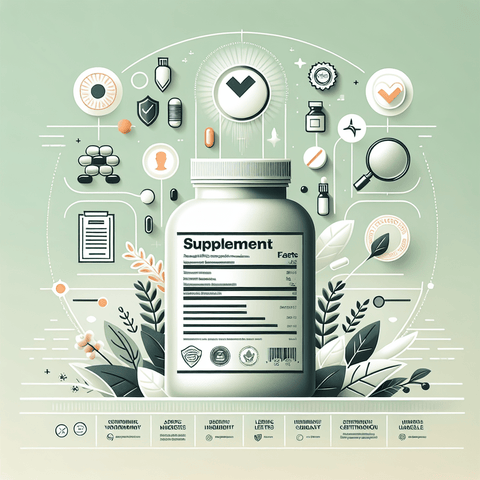
Supplement labeling regulations form the framework for how dietary supplements are presented to consumers. These rules, enforced by the FDA in the United States and shaped by DSHEA, are designed to ensure that labels are truthful, not misleading, and provide the information people need to make educated choices. Whether you are a manufacturer working on a new product, a retailer evaluating what to stock, or a consumer wanting to understand what a label actually tells you, this page provides a broad overview of the essential requirements, the reasoning behind them, and the practical steps involved in creating a compliant label.
What Are Supplement Labeling Regulations?
At their core, supplement labeling regulations are a set of legal standards that dictate what information must appear on a dietary supplement's packaging and how that information must be presented. The primary objective is consumer protection: ensuring that the label accurately reflects the product inside, allows for informed use, and prevents deception.
In the United States, the legal foundation is the Federal Food, Drug, and Cosmetic Act, significantly amended by DSHEA in 1994. DSHEA established a specific regulatory framework for dietary supplements, distinct from conventional foods and drugs. While the FDA oversees the market, it is important to understand that dietary supplements do not require pre-market approval for safety or efficacy in the same way pharmaceutical drugs do. Instead, the responsibility for ensuring a product is safe, properly labeled, and compliant with regulations sits primarily with the manufacturer or distributor.
The Role of the FDA and DSHEA
The FDA's role in supplement labeling is substantial. After a product is on the market, the FDA is responsible for monitoring compliance and can take action against products that are found to be unsafe, adulterated, or misbranded. This includes reviewing labels to ensure they meet all regulatory requirements, such as proper identification of the product, accurate ingredient declarations, and appropriate use of claims.
DSHEA laid the groundwork for many of the specific labeling rules that exist today. It defined what constitutes a dietary supplement and established the framework for the 'Supplement Facts' panel, which is now a familiar feature on most supplement bottles. It also addressed how 'structure/function' claims could be made. These are claims that describe the role of a nutrient or ingredient in affecting normal structure or function of the body, such as 'calcium builds strong bones.' Such claims must be accompanied by the disclaimer: 'This statement has not been evaluated by the Food and Drug Administration. This product is not intended to diagnose, treat, cure, or prevent any disease.'
Core Components of a Compliant Label
Understanding the required elements of a supplement label is fundamental to compliance. Each component serves a distinct purpose in providing a complete and transparent picture of the product. The main elements include:
- Statement of Identity: This states the product name and clearly identifies it as a 'dietary supplement'. For example, 'Vitamin C Dietary Supplement'.
- Net Quantity of Contents: This declares the total amount of the product in the package by weight, measure, or count, such as '60 Capsules' or '120 g'.
- Supplement Facts Panel: This is the standardized table that lists serving size, servings per container, and the amount of calories and each dietary ingredient per serving. It is the nutritional core of the label.
- Other Ingredient List: This lists all dietary ingredients not contained in the Supplement Facts panel, such as excipients, binders, fillers, and other components. They must be listed by their common or usual name.
- Name and Place of Business: The label must include the name and address of the manufacturer, packer, or distributor so consumers know who is responsible for the product.
In addition to these main components, other information is often required or may be appropriate, including allergen declarations, specific warnings, and lot or expiration dating. Getting these details right is critical, though the focus is on accuracy and clarity above all else.
Practical Steps for Achieving Compliance
Developing a compliant label is not a single event but a process that requires diligence and attention to detail. It involves several key stages from initial concept to final printing. A structured approach can help prevent common errors and ensure that the label meets all regulatory standards.
1. Inventory Your Ingredients
The first step is to have a complete and accurate list of every ingredient in the product, including the amount of each dietary ingredient per serving. This foundational data will drive the creation of the Supplement Facts panel and the other ingredient list. This is also the time to determine the correct units of measurement for each ingredient as specified by FDA regulations.
2. Draft the Label
Using the ingredient inventory, draft the label's required components. This includes writing a clear statement of identity, accurately calculating the net quantity, preparing the Supplement Facts panel, and compiling the other ingredient list. At this stage, you should also ensure any claims you wish to make are compliant with FDA regulations and, if they are structure/function claims, include the mandatory disclaimer.
3. Review and Verify
Before sending the label to print, conduct a thorough review. Check the accuracy of every number, spelling, and statement. It can be helpful to have someone not involved in the drafting process review the label to provide a fresh perspective. You may also find it beneficial to consult with a regulatory expert or attorney specializing in food and drug law, especially for your first label or when introducing complex ingredients.
Understanding Variations for Different Products
While the core components are consistent across most dietary supplements, there are variations in labeling requirements for different product types. For example, products that contain a 'high potency' amount of a nutrient or are intended for a specific population like pregnant women or children may have additional requirements or restrictions. Similarly, supplements that come in forms other than capsules or tablets, such as powders or gummies, may have specific rules about how the serving size is described.
It's also important to remember that regulations are not static. The FDA updates its rules periodically, such as the major update to the Nutrition Facts and Supplement Facts labels in 2016, which included changes to the declaration of added sugars and updated micronutrient values. Staying current with these evolving rules is a continuous part of the compliance process. For detailed information on specific topics like botanical ingredients or prebiotics, you can explore our herbal supplements resource
The Importance of Accuracy and Transparency
A supplement label is a direct line of communication between a manufacturer and a consumer. It is also a legal document. Prioritizing accuracy and transparency in labeling is not just about avoiding regulatory penalties; it is about building a trustworthy and sustainable brand. Consumers increasingly rely on labels to make informed decisions about their health, and an accurate label is a sign that a company respects its customers.
While this page offers a broad overview, the world of supplement labeling is complex. Always refer to the official FDA guidance for full details on current regulations. If you have a specific question about a particular product or ingredient, consulting a qualified professional is recommended. To see the variety of supplements that are available, you can browse our range of natural supplements and vitamin D products to see labels in practice. It is your responsibility, as a manufacturer, to ensure compliance, and as a consumer, to read and understand these labels for your own well-being.