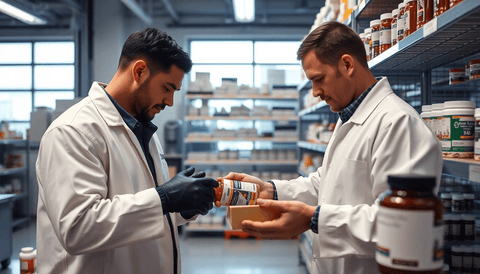
Zulassungsqualitätssicherung: Reinheit, Wirksamkeit und Sicherheit gewährleisten


Eine solide Herangehensweise an die Qualitätskontrolle bei Nahrungsergänzungsmitteln beginnt an der Quelle und folgt jedem Schritt bis zum Etikett. Von der Auswahl seriöser Zutatenlieferanten bis hin zur Einrichtung strenger Herstellungsprozesse und rigoroser Rückverfolgbarkeit hilft ein robustes Qualitätskontrollkonzept, die Konsistenz zwischen den Chargen zu gewährleisten. Durch transparente Dokumentation und ausführliche Chargenaufzeichnungen werden verlässliche Praktiken der Qualitätskontrolle unterstützt, sodass Sie Produkte mit Vertrauen bewerten können. Vertrauenswürdige Tests spielen eine zentrale Rolle bei der Überprüfung von Reinheit, Wirksamkeit und Sicherheit, ohne gesundheitliche Angaben zu machen. Identitätsprüfungen stellen sicher, dass die Zutaten mit den Angaben auf dem Etikett übereinstimmen, während Wirksamkeitstests kontrollieren, ob die angegebenen Mengen vorhanden sind. Unreinheitsbewertungen screenen auf potenzielle Kontaminanten wie Schwermetalle, Rückstände von Lösungsmitteln, Pestizide und microbiologische Marker. Analysen durch Drittlabore und Analysezertifikate (COAs) liefern objektive Nachweise der Testergebnisse, sodass Sie die Resultate außerhalb der Marketingmaterialien überprüfen und fundierte Bewertungen vornehmen können. Zertifizierungen und Standards bieten eine externe Bestätigung des Qualitätskontrollansatzes eines Unternehmens. Achten Sie auf GMP-Zertifizierungen (Good Manufacturing Practice), die anzeigen, dass die Anlagen unter festgelegten Qualitätssystemen betrieben werden, und prüfen Sie Programme Dritter wie USP Verified oder NSF International für Nahrungsergänzungsmittel. Die Akkreditierung nach ISO 17025 für Labore stärkt die Kompetenz der Tests, während laufende Qualitätsmanagementpraktiken von zertifizierten Lieferanten helfen, die Konsistenz von Charge zu Charge sicherzustellen. Diese Zertifizierungen tragen zu einem glaubwürdigen Rahmen für die Qualitätskontrolle von Nahrungsergänzungsmitteln bei, ohne sich ausschließlich auf Behauptungen zu stützen. Um diese Prinzipien bei der Produktauswahl anzuwenden, prüfen Sie, ob die Marke Chargenbezogene COAs oder einen einfachen Zugang zu Testergebnissen bereitstellt, und verifizieren Sie eventuelle Zertifizierungslogos bei den ausstellenden Stellen. Fragen Sie nach Bezugsquellen, Herstellungsprozessen und laufenden QA-Verfahren, um zu verstehen, wie die Qualitätskontrolle vom Ursprung bis zum Etikett aufrechterhalten wird. Indem Sie die Qualitätskontrolle bei Nahrungsergänzungsmitteln sowie transparente Test- und Zertifizierungsinformationen priorisieren, können Sie Optionen klarer vergleichen und fundiertere Entscheidungen treffen.


What is Third-Party Supplement Testing and Why It Matters for Your Health - Topvitamine
August 26, 2025
Eine Drittanbieterprüfung von Nahrungsergänzungsmitteln kann bestätigen, dass Identität, Reinheit und deklarierte Inhaltsstoffmengen eines Produkts bestimmten Anforderungen entsprechen. Sie ist jedoch kein Beweis für eine individuelle Wirksamkeit und ersetzt weder die gesetzliche Verantwortung des Herstellers noch eine medizinische Beratung. Dieser Ratgeber erklärt Prüfverfahren, Zertifizierungen wie NSF und USP sowie praktische Kriterien für eine informierte Auswahl.
From Seed to Supplement: How Top Brands Ensure Supplement Quality Control - Topvitamine
July 29, 2025
Die Qualitätskontrolle bei Nahrungsergänzungsmitteln beginnt bei der Auswahl und Prüfung der Rohstoffe und endet erst nach Herstellung, Abfüllung und Lagerung. Dieser Ratgeber erklärt, welche Rolle GMP, unabhängige Labortests, Bio-Zertifizierung und EU-Vorschriften spielen. Außerdem erfahren Sie, warum Clean Label kein geschütztes Qualitätssiegel ist und welche Angaben Sie vor der Auswahl eines Supplements prüfen sollten.

The supplement industry is vast, and with so many products on the market, understanding how their quality is ensured is essential for making safe and effective choices. This guide provides a comprehensive overview of supplement quality control, explaining what it is, how it is regulated, and what you can look for to identify trustworthy products. We will explore the key concepts of purity, potency, and safety, and how they are verified through testing and certification.

What Is Supplement Quality Control?

Supplement quality control is the collective set of practices and procedures designed to ensure that a dietary supplement consistently meets its quality standards. It is a proactive and reactive system that covers the entire lifecycle of a product, from the initial sourcing of raw materials to the final product that reaches the consumer. The primary goals are to confirm that the product contains the ingredients listed on the label, in the correct amounts, and is free from harmful contaminants.

A solid approach to quality control starts at the source and follows every step to the label. This includes choosing reputable ingredient suppliers, establishing strict manufacturing controls, and maintaining rigorous traceability. Emphasizing transparent documentation and thorough batch records supports dependable practices and helps you evaluate products with confidence.

Key Components of Quality Control

Several core components form the foundation of any effective quality-control program:

  • Identity Testing: This confirms that the ingredients used are exactly what they are claimed to be, preventing the use of incorrect or substituted materials.
  • Potency Testing: This verifies that the product contains the declared amount of each active ingredient, ensuring you get the dose you expect.
  • Purity Testing: This screens for potential contaminants such as heavy metals, pesticides, residual solvents, and microbiological organisms like bacteria and mold.
  • Disintegration and Dissolution Testing: These tests ensure that a tablet or capsule will break down and release its ingredients properly for absorption.

How Are Supplements Regulated?

The regulatory framework for dietary supplements is a common source of confusion. Unlike pharmaceutical drugs, supplements are not required to receive pre-market approval from the U.S. Food and Drug Administration (FDA) for safety or efficacy. Instead, they are regulated as a category of food under the Dietary Supplement Health and Education Act (DSHEA) of 1994.

This means the responsibility for ensuring a product's safety and proper labeling falls primarily on the manufacturer. The FDA's role is largely reactive, stepping in to take action against products that are found to be unsafe or misbranded after they are on the market. A critical piece of this oversight is the Good Manufacturing Practices (GMP) rule, which mandates that manufacturers follow specific quality control procedures for their facilities, equipment, and personnel.

The Federal Trade Commission (FTC) also has a significant role. The FTC regulates the advertising and marketing of dietary supplements, ensuring that claims made in promotional materials are truthful, not misleading, and substantiated by scientific evidence. This dual oversight from the FDA and FTC helps to create a system of checks and balances, though it relies heavily on manufacturers adhering to the rules.

The Role of Third-Party Testing and Certifications

Given the regulatory landscape, third-party testing and certification programs have become vital for building consumer trust. These independent organizations provide an objective evaluation of a product's quality, going beyond the manufacturer's own claims. They offer an additional layer of assurance that a supplement has been tested for purity, potency, and safety.

Certifications and standards offer external validation of a company's quality-control approach. Look for GMP certifications indicating that facilities operate under defined quality systems, and consider third-party programs such as USP Verified or NSF International for supplements. ISO 17025 accreditation for laboratories reinforces testing competence, while ongoing quality-management practices from certified suppliers help ensure consistency from one batch to the next. These certifications contribute to a credible framework for supplement quality control without relying solely on claims.

Understanding Different Verification Programs

Several well-known third-party programs exist, each with its own focus and standards:

  • USP (United States Pharmacopeia): A program that verifies that a supplement contains the ingredients listed on the label, in the declared amounts, and is free from harmful contaminants. Products with the USP Verified mark have been tested for quality and consistency.
  • NSF International: Similar to USP, NSF certification ensures that a product meets strict standards for purity, potency, and safety. NSF also has specific certifications for sports supplements, which test for banned substances.
  • ConsumerLab.com: A service that independently tests a wide range of health and nutrition products. Their reviews and reports provide consumers with detailed information on product quality and label accuracy.

When comparing programs, it's helpful to understand their differences. For example, a common question is whether NSF or USP is better. Both are highly reputable, but they have different testing protocols and areas of focus. The best choice often depends on your specific needs, such as whether you are an athlete looking for banned-substance testing (NSF) or a general consumer seeking overall quality assurance (USP).

How to Choose High-Quality Supplements

To apply these principles when selecting products, review whether the brand provides batch-specific Certificates of Analysis (COAs) or easy access to test results. A COA is a document from a testing laboratory that confirms the product's identity, purity, and potency. It is a powerful tool for verifying a product's quality.

Here are some practical steps you can take to make more informed choices:

  1. Look for third-party certifications: Check for seals from USP, NSF, or ConsumerLab on the product label. This is a strong indicator of independent quality verification.
  2. Review Certificates of Analysis: Many reputable brands publish COAs for their products online. Reviewing these documents can give you detailed insight into the testing that was performed.
  3. Verify certification logos: If a product displays a certification logo, you can verify its authenticity by checking the certifying body's website for a list of certified products.
  4. Ask about sourcing and manufacturing: Don't hesitate to contact the company to ask about their ingredient sourcing, manufacturing controls, and ongoing quality assurance processes.

By prioritizing supplement quality control and transparent testing and certification information, you can compare options with greater clarity and make more informed choices. This approach helps you focus on products that are more likely to be safe, pure, and contain what they claim.

Why Quality Control Matters for Your Health

The importance of quality control extends beyond simple label accuracy. Poor quality control can lead to products that are ineffective, contaminated, or even harmful. For example, a supplement might contain less of an active ingredient than claimed, making it less effective, or it could contain undeclared ingredients that could cause adverse reactions or interact with medications.

Understanding the risks associated with poor quality control is a key part of being a savvy consumer. By choosing products from companies that demonstrate a strong commitment to quality, you are taking an important step to protect your health and ensure you are getting the most from your supplement routine.

Exploring Supplement Quality Further

This guide provides a broad overview of supplement quality control. For more specific information, you can explore our detailed guides on various supplement categories, such as our comprehensive guide to multivitamins, which often discusses quality considerations for these popular products. You can also learn more about specific ingredients and their quality markers in our guides on minerals and herbal supplements.

By understanding the principles of quality control, you are better equipped to navigate the supplement market and choose products that meet your standards for safety and efficacy. Always remember that supplements are intended to complement a healthy lifestyle, not replace it, and it is always wise to discuss your supplement choices with a healthcare professional.