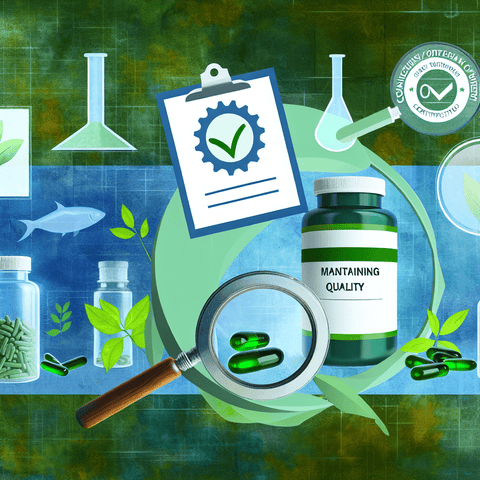
Bevor Sie ein Nahrungsergänzungsmittel kaufen, kann es hilfreich sein, einen Moment Zeit zu nehmen, um die sieben kritischen Qualitätsfaktoren von Nahrungsergänzungsmitteln zu überprüfen. Ganz oben auf der Liste stehen Tests und Zertifizierungen durch Dritte, bei denen unabhängige Labore überprüfen, ob die Produkte enthalten, was behauptet wird, und ob sie den deklarierten Spezifikationen entsprechen. Saubere Inhaltsstoffe folgen ebenfalls — suchen Sie nach Produkten mit minimalen Zusatzstoffen, ohne unnötige Füllstoffe, künstliche Farbstoffe oder fragwürdige Lösungsmittel. Transparente Herkunft ist der dritte Faktor, mit klaren Informationen über die Herkunft der Rohstoffe und die Verwaltung der Lieferketten. Gemeinsam bilden diese Elemente den Rahmen dafür, wie ein Produkt hergestellt und gekennzeichnet wird, und sie bilden die Grundlage für die Gesamtbewertung der Qualität von Nahrungsergänzungsmitteln. Weitere wesentliche Qualitätsfaktoren umfassen eine genaue Kennzeichnung und Klarheit bei den Inhaltsstoffen, damit die Etiketten jeden Bestandteil und die genauen Mengen pro Portion widerspiegeln. Allergenhinweise und diätische Einschränkungen sollten deutlich gekennzeichnet sein, um potenzielle Expositionen einschätzen zu können. GMP-konforme Herstellung und routinemäßige Anlagenprüfungen sind weitere wichtige Faktoren und signalisieren, dass die Produkte unter definierten Prozessen und Qualitätskontrollen hergestellt werden. Schließlich runden Chargenrückverfolgbarkeit und eindeutige Ablaufdaten die Kernüberlegungen ab, sodass Sie die Produktgeschichte und Lagerungsparameter überprüfen können. Um diese Qualitätsfaktoren in der Praxis zu bewerten, untersuchen Sie das Produktetikett auf vollständige Inhaltsstofflisten, Herstellerkontaktinformationen und auf Drittanbieter-Siegel von bekannten Programmen wie USP, NSF oder Informed Choice. Streben Sie Transparenz bei der Herkunft an, einschließlich Angaben zu Lieferanten, wenn verfügbar, und zu den Qualitätszertifikaten der Rohstoffe. Es kann auch hilfreich sein, zu bestätigen, dass das Produkt Chargennummern und Ablaufdaten enthält und klare Angaben zu Lagerung und Handhabung gemacht werden. Durch die Konzentration auf diese Kriterien können Sie Produkte zuverlässiger vergleichen. Denken Sie daran, dass diese Qualitätsfaktoren dazu dienen, einen informierten Vergleich zu unterstützen, nicht um Ergebnisse zu garantieren. Wenn Sie die Optionen durchgehen, führen Sie eine kontinuierliche Checkliste: Tests durch Dritte, saubere Inhaltsstoffe, transparente Herkunft, Kennzeichnungsgenauigkeit, Allergenoffenlegungen, GMP-Konformität und Rückverfolgbarkeit. Wenn Sie bereit sind, klicken Sie auf Vergleichen und wählen Sie mit Bedacht.
7 kritische Qualitätsfaktoren für Supplements, die Sie vor dem Kauf überprüfen sollten
Choosing a dietary supplement involves more than picking a familiar brand or a reasonable price. The quality of a supplement depends on several factors that determine whether it contains what it claims, in the right amounts, and without unwanted contaminants. This guide explains the core supplement quality factors, why they matter, and how you can evaluate a product before buying it.
What Are Supplement Quality Factors?
Supplement quality factors are the key criteria used to assess the safety, purity, and accuracy of a dietary supplement. They cover everything from how the product is manufactured to how it is labeled and tested. By understanding these factors, you can make more informed decisions when comparing different brands and products.
The most important supplement quality factors include:
- Third-party testing and certifications
- Clean ingredients with minimal additives
- Transparent sourcing of raw materials
- Accurate labeling and ingredient identity
- GMP-compliant manufacturing practices
- Batch-level traceability
- Clear expiration dating
These factors together give you a framework for assessing a product, allowing you to compare supplements more reliably rather than relying on marketing claims alone.
Third-Party Certifications: USP, NSF, and ConsumerLab
Third-party certification is one of the strongest indicators of supplement quality. When a supplement is certified by an independent organization, it means the product has been tested by an outside laboratory that has no financial interest in the brand. These organizations verify that the supplement contains the ingredients listed on the label, in the declared amounts, and that it is free from harmful levels of contaminants.
Three of the most recognized certification programs are:
- USP (United States Pharmacopeia): Verifies ingredient accuracy, potency, purity, and that the supplement meets strict manufacturing standards.
- NSF International: Tests for purity, potency, and contaminant levels. NSF also certifies that facilities follow GMP standards.
- ConsumerLab: Evaluates supplements independently, often comparing similar products to assess their quality and label accuracy.
When a supplement carries one of these seals, it provides an additional layer of assurance. However, the absence of a seal does not necessarily mean a product is poor quality—smaller manufacturers may not use these programs for various reasons, including cost. In that case, it is important to evaluate other quality factors, such as sourcing transparency and manufacturing practices.
How to Verify Supplement Quality and Label Claims
You can evaluate a supplement before purchasing it by examining several key aspects of the label and the company behind the product. While you may not have direct access to the manufacturing facilities, there are practical steps you can take to assess quality.
Check the Supplement Facts Panel
The Supplement Facts panel should list every active ingredient, the amount per serving, and the serving size. Check that the product clearly states all components and the exact amounts, avoiding vague terms like "proprietary blends" that do not reveal individual ingredient doses.
Look for a complete ingredient list, including inactive ingredients. Some products contain unnecessary fillers, artificial colors, or questionable solvents. Cleaner products generally have minimal additives and recognizable ingredients.
Look for Red Flags
Certain signs should raise concerns about a supplement's quality. Being aware of these red flags can help you avoid products that may not be reliable.
- Hidden ingredients that are not fully disclosed
- Misleading claims that promise unrealistic results
- The absence of any contact information or batch numbers on the label
- A lack of clear expiration dating or storage instructions
- Exaggerated health claims that seem too good to be true
If a label is unclear about ingredients, sourcing, or manufacturing information, this is often a sign to proceed with caution.
Understanding Clean Ingredients and Transparent Sourcing
The quality of a supplement depends heavily on the quality of its raw materials. Transparent sourcing means that the manufacturer provides clear information about where the ingredients come from and how the supply chain is managed. Some brands disclose their suppliers or their sourcing certifications.
Clean ingredients refer to the absence of unnecessary fillers, artificial colors, and questionable additives. While some excipients (inactive substances) are necessary for product stability, a quality supplement typically avoids unnecessary or potentially harmful components.
At Topvitamine, you can explore a range of natural supplements that focus on these quality considerations, along with supplements with healthy origins and trace minerals for additional options.
GMP Compliance and Manufacturing Standards
Good Manufacturing Practices (GMP) are the standards set by regulatory authorities to ensure that products are consistently produced and controlled according to quality requirements. GMP-compliant manufacturing means that a facility follows strict protocols for hygiene, quality control, and documentation.
Routine facility audits and quality control checks are part of a robust manufacturing process. While GMP certification itself is important, many reputable manufacturers go further by seeking third-party certifications that specifically verify the final product's purity and potency.
Regulatory bodies such as the FDA and the European Food Safety Authority (EFSA) provide guidelines for supplement manufacturing and safety. Understanding these standards can help you recognize which products are likely to be manufactured with care.
Labeling Accuracy, Allergen Statements, and Traceability
Accurate labeling is a fundamental quality factor. The label should reflect every component in the product and the exact amounts per serving. It should also include allergen statements to help you assess potential exposure to common allergens such as gluten, soy, dairy, or tree nuts.
Batch-level traceability is another sign of quality. A batch number allows you to verify the product's history, including when and where it was manufactured. This is particularly important if you need to report an issue or if you want to know more about the product's origin.
Clear expiration dating ensures that you are consuming a product within its intended shelf life, which affects both safety and efficacy.
Safety Considerations and Regulatory Standards
While quality factors are important, safety should always be considered. Supplements can interact with medications or cause adverse effects in certain individuals. For this reason, regulatory standards from organizations like the FDA and NIH emphasize the importance of consulting a healthcare professional before starting a new supplement, especially if you are pregnant, nursing, or taking other medications.
It is also important to be aware of potential contaminants that may be present in some supplements. Third-party testing helps reduce this risk by screening for heavy metals, pesticides, and other harmful substances. However, even high-quality supplements are not a replacement for a balanced diet and healthy lifestyle.
The information on this page is for educational purposes only and is not intended to replace professional medical advice. Discuss any supplement use with a healthcare provider, particularly if you have underlying health conditions or are taking medications.
Practical Checklist for Comparing Supplements
When you're ready to compare products, keep this checklist in mind:
- Review the full ingredient list and Supplement Facts panel
- Look for third-party testing seals (USP, NSF, ConsumerLab)
- Confirm the product has an expiration date
- Find the manufacturer's contact information on the label
- Check for allergen statements and storage/handling instructions
- Look for a batch number for traceability
- Verify the stated dose and check that the packaging matches the label
These supplement quality factors are designed to support an informed comparison, not to guarantee outcomes. By applying these criteria consistently, you can compare products more reliably and choose the supplement that best meets your needs, preferences, and budget.
For more information on specific supplement categories, explore our guides on vitamins and minerals within the Topvitamine collection.