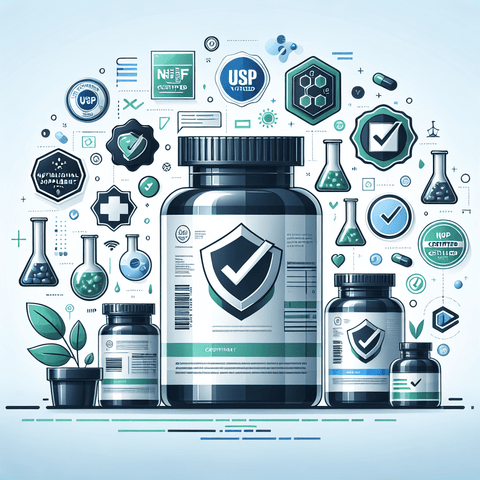
Ergänzungssicherheitsmaßnahmen: Tipps zur Auswahl sicherer Ergänzungsmittel


Ein praktischer Rahmen für Sicherheitsmaßnahmen bei Nahrungsergänzungsmitteln beginnt mit vier Schritten: Etiketten lesen, Zertifizierungen überprüfen, Betrug vermeiden und selbstbewusst sichere Ergänzungsmittel wählen. Durch den Fokus auf transparente Kennzeichnung, glaubwürdige Drittanbieter-Überprüfungen und sorgfältige Produktauswahl können Sie den Markt mit größerer Klarheit navigieren. Diese Sicherheitsmaßnahmen helfen Ihnen dabei, zu beurteilen, was Sie kaufen möchten, und verringern die Gefahr, auf unsichere oder irreführende Informationen hereinzufallen. Das Lesen der Etiketten ist eine grundlegende Komponente der Sicherheitsmaßnahmen bei Nahrungsergänzungsmitteln. Überprüfen Sie die Zutatenliste, die Portionsgröße und die genauen Mengen der aktiven Inhaltsstoffe. Achten Sie auf Allergiehinweise, Füllstoffe und potenzielle Verunreinigungen. Notieren Sie das Herstellungsland, den Namen und die Kontaktinformationen des Herstellers sowie das Haltbarkeits- oder Mindesthaltbarkeitsdatum. Seien Sie vorsichtig bei vagen Angaben wie „proprietäre Mischung“, die keine genauen Mengen aufschlüsseln, und meiden Sie Aussagen, die keine unterstützenden Details haben. Diese sorgfältige Überprüfung der Etiketten ist eine Kernmaßnahme für die Sicherheit von Nahrungsergänzungsmitteln. Die Überprüfung von Zertifizierungen ist eine weitere essenzielle Sicherheitsmaßnahme. Suchen Sie nach Produkten mit Logos von anerkannten Drittorganisationen wie USP, NSF International oder anderen akkreditierten Stellen in Ihrer Region. Wenn Sie eine Zertifizierung sehen, überprüfen Sie den aktuellen Status auf der Website der Zertifizierungsstelle und kontrollieren Sie den Namen des Produkts sowie die Chargennummer. Stellen Sie sicher, dass die Zertifizierung den spezifischen Produktkategorie abdeckt und dass die Charge des Produkts nicht abgelaufen ist. Bestätigen Sie auch, dass die Herstellung GMP-konform ist, wo dies zutreffend ist. Diese Maßnahme stärkt Ihren Ansatz für die Sicherheit von Nahrungsergänzungsmitteln. Betrug vermeiden und selbstbewusst sichere Ergänzungsmittel wählen, indem Sie den Verkäufer und die Marke bewerten. Kaufen Sie bei renommierten Marken mit transparenten Richtlinien, leicht auffindbaren Kontaktinformationen und klaren Rückgabemöglichkeiten. Seien Sie vorsichtig bei ungewöhnlich niedrigen Preisen, außergewöhnlichen Behauptungen oder Druck, schnell zu kaufen. Vergleichen Sie Produkte bei vertrauenswürdigen Händlern und überprüfen Sie Chargen- oder Lotnummern, wenn diese verfügbar sind. Durch die Befolgung dieser Sicherheitsmaßnahmen können Sie informiertere Kaufentscheidungen treffen und die Integrität der Produkte fördern.


Unlocking the Truth About Supplement Certification: What You Need to Know Before Buying - Topvitamine
August 31, 2025
Die Zertifizierung von Nahrungsergänzungsmitteln kann Hinweise auf kontrollierte Herstellung und geprüfte Produkteigenschaften geben. Sie ist jedoch kein einheitliches Gütesiegel und beweist weder eine bessere Wirkung noch die persönliche Eignung. Dieser Ratgeber erklärt den Unterschied zwischen gesetzlichen Lebensmittelanforderungen, GMP, ISO und unabhängiger Drittanbieterprüfung. Außerdem zeigt er, wie Etikett, Chargennummer, Analysezertifikat und Herstellerangaben sinnvoll bewertet werden.

Navigating the world of dietary supplements involves more than just choosing a brand or a familiar ingredient. A thoughtful approach to supplement safety measures can help you evaluate products with greater confidence and avoid misleading information. This guide provides a broad framework for understanding how to assess supplements, from reading labels to verifying certifications and spotting potential red flags.

Reading Supplement Labels Carefully

Reading the label is a foundational step in any supplement safety routine. It is the first point of contact with the product's factual information and can tell you a great deal about its transparency and quality.

When reviewing a label, pay attention to the following elements:

  • The ingredient list and the specific amount of each active ingredient.
  • Information on allergens, fillers, and other additives.
  • The country of manufacture and the manufacturer’s name and contact information.
  • The expiration or best-by date to ensure freshness.

Be cautious of vague terms such as “proprietary blend” when they do not break out the exact amounts of each ingredient. Similarly, watch for health claims that lack supporting detail or seem too good to be true. Scrutinising these details is a core supplement safety measure.

Verifying Third-Party Certifications

Another essential supplement safety measure is verification of certifications. Many reputable products carry logos from independent organisations that test for quality and purity. However, simply seeing a logo is not enough; you should take steps to verify that the certification is valid and applicable.

Consider the following when checking certifications:

  • Look for well-known third-party seals such as USP, NSF International, or other accredited bodies relevant to your region.
  • Verify the certification's current status on the certifying body’s official website.
  • Check that the product name and lot number on the package match the certification for that specific product.
  • Confirm that Good Manufacturing Practices (GMP) compliance is indicated where applicable.

Taking these steps strengthens your approach to supplement safety measures by ensuring that a certification isn't just a logo but a meaningful indicator of quality. For a deeper look at the types of products that are subject to these standards, you might explore our range of natural supplements.

How to Spot Supplement Red Flags

Understanding what to look for can help you identify products that may not meet appropriate safety standards. Recognising red flags is a proactive supplement safety measure that can save you from wasting money or, more importantly, from using an unsafe product.

Common red flags include:

  • Unrealistic or extraordinary claims about health benefits.
  • A lack of transparent contact information for the manufacturer or seller.
  • Unusually low prices that seem too good to be true.
  • Pressure tactics to buy immediately or a refusal to provide batch or lot numbers.

Being able to spot these signs is a valuable part of choosing safe supplements.

Choosing Safe Supplements: Practical Considerations

Beyond reading labels and verifying certifications, there are broader considerations that contribute to supplement safety. The process of choosing safe supplements involves evaluating the seller, the brand, and even the type of product you're considering.

A few practical steps can help:

  1. Purchase from reputable brands with clear policies, accessible customer service, and easy return options.
  2. Compare products across different reputable retailers to get a sense of standard pricing and quality.
  3. Verify batch or lot numbers whenever they are available, as this links a specific product to its quality tests.

For example, if you are looking for specific types of supplements, it can be helpful to review our guide to herbal supplements or explore multivitamin safety and usage information to understand more about how these categories are regulated and what to look for.

The Importance of a Critical Mindset

Ultimately, supplement safety measures are built on a foundation of critical thinking. It involves understanding that the supplement industry is diverse and that not all products are created equal. By approaching each purchase with a set of clear questions—about the label, the certification, the brand, and the claims—you put yourself in a stronger position to make decisions that align with your health goals.

This guide is intended for educational purposes and provides a general framework for evaluating supplements. It is not a substitute for professional medical advice. Always consult with a qualified healthcare provider before starting any new supplement, especially if you have underlying health conditions or are taking medication.