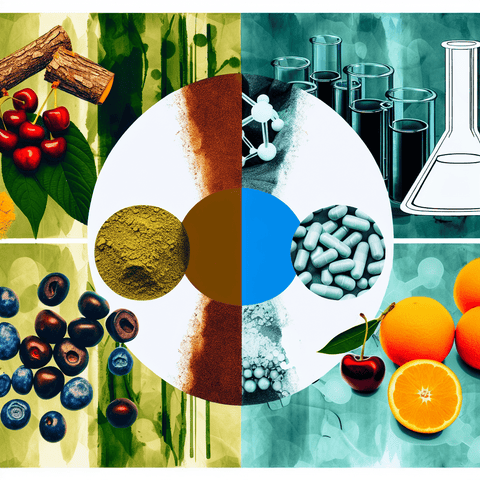
Das Erkennen von Risiken synthetischer Nahrungsergänzungsmittel bedeutet, über das Marketing hinauszuschauen und darauf zu achten, wie die Produkte hergestellt, gekennzeichnet und auf Qualität überprüft werden. Viele Produkte, die mit synthetischen Inhaltsstoffen beworben werden, werden durch komplexe Prozesse hergestellt, die unerkannte Schritte oder Zusatzstoffe enthalten können. Indem Sie sich auf transparente Kennzeichnung, die Herkunft der Inhaltsstoffe und Prüfverfahren konzentrieren, können Sie solchen Produkten mit kritischer Distanz begegnen. Diese Seite erklärt gängige Muster im Zusammenhang mit Risiken synthetischer Nahrungsergänzungsmittel und praktische Schritte zur Bewertung von Optionen vor dem Kauf. Gefährliche Inhaltsstoffe erkennen beginnt beim Etikett. Warnzeichen sind unklare Inhaltsstofflisten, die Verwendung vager Begriffe wie „proprietäre Mischung“ ohneoffengelegte Mengenangaben sowie das Fehlen von Details zu Verarbeitungshilfsmitteln oder Lösungsmitteln. Seien Sie vorsichtig bei Begriffen wie „natürliche Aromen“ oder unüberprüften synthetischen Verbindungen, die keine Standardbezeichnungen tragen. Überprüfen Sie die Namen der Inhaltsstoffe in vertrauenswürdigen Datenbanken, fordern Sie ein Analysezertifikat an und suchen Sie nach Nachweisen unabhängiger Tests. Der Schutz vor Risiken synthetischer Nahrungsergänzungsmittel besteht auch darin, die Qualitätskontrollen eines Lieferanten zu bewerten. Suchen Sie nach Produkten von Herstellern mit transparenter Beschaffung, nachvollziehbaren Chargennummern und zugänglichen Kontaktinformationen. Achten Sie auf Hinweise auf Prüfungen durch Drittanbieter und Zertifizierungen von anerkannten Programmen. Vermeiden Sie Artikel von Anbietern, die keine Dokumentation vorlegen können oder bei denen unvollständige Kennzeichnung oder regulatorische Hinweise häufig vorkommen. Gehen Sie eine sachliche Vergleichsweise vor, bereiten Sie Fragen für den Support vor und bevorzugen Sie Produkte mit vollständiger Kennzeichnung und nachverfolgbarer Lieferkette. Diese Seite bietet praktische Schritte, um Risiken synthetischer Nahrungsergänzungsmittel zu erkennen, informierte Entscheidungen beim Kauf zu treffen und sichere Produkte auszuwählen. Lesen Sie jetzt weiter, um mehr über die Identifikation unsicherer Inhaltsstoffe und die Auswahl gut dokumentierter Optionen zu erfahren.
Synthetische Ergänzungsmittel: Verborgene Risiken und wie Sie Ihre Gesundheit schützen können
The supplement aisle is filled with choices, and many products contain synthetic ingredients. Understanding synthetic supplement risks is about learning to look beyond the marketing and evaluate what is actually in the bottle. This guide helps you understand the key concepts, from reading labels to evaluating manufacturing quality, so you can make more confident and informed decisions about the supplements you choose.
What Are Synthetic Supplements and Why Does It Matter?
A synthetic supplement contains nutrients—such as vitamins, minerals, or amino acids—that are created through industrial chemical processes. This differs from natural supplements, which are derived directly from whole food sources. The distinction is important for several reasons. The body may recognize and process nutrients from these different origins in different ways, and the manufacturing process itself can introduce impurities or undisclosed substances. The goal is not to label all synthetic ingredients as dangerous, but to understand why the origin and production method of a nutrient are relevant factors when assessing a supplement's overall quality.
The Difference Between Synthetic and Natural
Natural supplements are typically made from concentrated or extracted forms of nutrients found in foods. Synthetic versions are created in a laboratory from isolated chemical compounds. Both types can be effective, but the key difference lies in their molecular structure, the presence of co-factors, and how they are manufactured. For example, a naturally-derived vitamin E complex may contain a mix of tocopherols and tocotrienols, whereas a synthetic version might contain only one isolated form. This complexity is why a focus on labeling and sourcing is critical.
How to Spot the Red Flags and Risks
Spotting unsafe ingredients is the first step in protecting your health. It is a process of careful observation. When examining a label, look for signs that the manufacturer may not be fully transparent about what is inside the product.
Several key red flags can indicate potential problems with a supplement's formulation or transparency:
- Unclear or incomplete ingredient lists that make it difficult to know what is in each serving.
- Use of vague terms like proprietary blend without disclosing the amount of each active ingredient.
- Absence of details about processing aids, solvents, or other manufacturing additives.
- The presence of ambiguous terms such as natural flavors that do not specify their source or composition.
- Unverified synthetic compounds or ingredients that lack standard, recognizable nomenclature.
When you see these flags, it is wise to pause and dig deeper. Look for a Certificate of Analysis, check for independent testing, and investigate the manufacturer's reputation for quality.
A Practical Guide to Evaluating Supplement Suppliers
Guarding against synthetic supplement risks involves more than just reading a label; it requires evaluating the supplier's commitment to quality and transparency. A reputable manufacturer will be open about its processes and willing to provide evidence of its claims. Here are key factors to investigate when assessing a brand.
- Transparent Sourcing: Does the company clearly disclose where its ingredients come from?
- Traceable Lot Numbers: Can you easily identify the batch your product came from?
- Accessible Contact Information: Is there a team or resource that can answer your questions about the product?
- Third-Party Testing: Has the product been tested by an independent, recognized laboratory?
- Regulatory Compliance: Does the brand have a clean record with regard to regulatory notices or warnings?
Avoid vendors that cannot provide documentation of their quality checks or that have a pattern of poor labeling practices. A focus on these details can help you select products from brands that prioritize safety and integrity.
Making Informed Choices About Supplements
Taking a measured approach to choosing supplements is the most effective way to manage synthetic supplement risks. It involves a few simple but powerful habits:
- Compare Options: Don't just pick the first product you see. Compare labels, ingredients, and company practices from multiple brands.
- Prepare Questions: Do not hesitate to contact support teams with specific questions about sourcing, testing, and manufacturing.
- Favor Complete Labeling: Choose products with full transparency and detailed ingredient disclosure over those with vague or incomplete information.
- Ensure Traceability: Look for products with supply chains that can be easily traced from source to shelf.
If you are researching specific vitamins and minerals, explore our guides on multivitamins and their ingredients to understand what a balanced formula should look like. You can also review our comprehensive guide to vitamin D safety and sources to see how a single nutrient is assessed.
Frequently Asked Questions About Synthetic Risks
Many people have specific questions about how to navigate the world of supplements. The following are common questions and general guidance on how to approach them.
Are Synthetic Vitamins Safe or Harmful?
The safety of a vitamin is not solely determined by whether it is synthetic or natural, but rather by its dose, quality, and how it interacts with your health. Both types can be safe and effective. The risk increases when products are poorly manufactured, contain undisclosed ingredients, or are taken in excess. The key is to choose reputable brands and follow recommended dosages.
Which Brand of Vitamins Is Not Synthetic?
Brands that specialize in whole-food supplements or those that explicitly state on their labels they use natural, food-derived ingredients are good places to start. Look for terms like 'whole food supplement' or a detailed ingredient list that names food sources. Our selection of natural supplements may offer useful examples of these types of products.
Remember that this information is for educational purposes and is not a substitute for professional medical advice. Always consult with a healthcare provider before starting any new supplement regimen, especially if you have underlying health conditions or are taking medications.