Drittanbieter-Zertifizierung: Vertrauen durch geprüfte Qualität


Die Zertifizierung durch Dritte ist eine unabhängige Überprüfung eines Produkts, einer Dienstleistung oder eines Prozesses durch eine außenstehende, anerkannte Organisation. Im Gegensatz zu selbst erklärten Aussagen bietet die Zertifizierung eine objektive Bewertung von Qualität, Sicherheit oder Leistung, und das Abzeichen signalisiert den Kunden, dass ein vertrauenswürdiger Standard erfüllt wurde. Durch die Wahl einer glaubwürdigen Zertifizierungsstelle und die Angleichung Ihrer Abläufe an deren Kriterien können Sie Ihr Engagement für konsequente Exzellenz demonstrieren. Diese Form der unabhängigen Sicherstellung reduziert Voreingenommenheit, erhöht die Transparenz und hilft Ihrer Marke, sich in umkämpften Märkten hervorzuheben, in denen Käufer nach nachweisbaren Belegen vor dem Kauf suchen. Kunden wägen Risiken bei ihren Entscheidungen ab. Die Zertifizierung durch Dritte dient als vertrauenswürdiges Signal, das dieses Risiko reduziert, indem sie Behauptungen mit einem externen Prüfer bestätigt. Zertifizierungen können Produktqualität, Datensicherheit, Datenschutz, Umweltverantwortung oder branchenspezifische Standards umfassen. Wenn Kunden ein anerkanntes Abzeichen und eine klare Erklärung dessen sehen, was es abdeckt, gewinnen sie Vertrauen, um den nächsten Schritt zu machen. Dieses Vertrauen verkürzt den Entscheidungsprozess, verbessert die wahrgenommene Zuverlässigkeit und differenziert Ihre Angebote von nicht zertifizierten Wettbewerbern. So nutzen Sie die Zertifizierung durch Dritte effektiv: Identifizieren Sie die Zertifizierungen, die in Ihrem Bereich und bei Ihrem Publikum relevant sind, und stimmen Sie Ihre Prozesse auf die Erfüllung dieser Kriterien ab sowie auf die Durchführung von Prüfungen. Sorgen Sie für eine kontinuierliche Einhaltung der Vorgaben, planen Sie Nachzertifizierungen nach Bedarf und veröffentlichen Sie die Ergebnisse an transparenten, zugänglichen Stellen—auf Produktseiten, in „Über uns“-Abschnitten und in Beschaffungsmaterialien. Zeigen Sie Abzeichen deutlich sichtbar, verlinken Sie auf Prüfberichte oder Nachweise und schulen Sie Ihr kundenorientiertes Personal darin, die Zertifizierungen im Gespräch zu erwähnen. Achten Sie darauf, Ihre Botschaft prägnant zu halten und Übertreibungen zu vermeiden; lassen Sie die Zertifizierung für sich sprechen. Auswirkungen auf Conversion und Vertrauen: Unabhängige, verifizierte Signale für Qualität stehen häufig im Zusammenhang mit höherem Kundenvertrauen, niedrigeren Rücklaufquoten und stärkerer Kundenbindung. Die Zertifizierung durch Dritte bietet eine glaubwürdige Grundlage, die Käufern das Gefühl gibt, informiert und geschützt zu sein, während sie Optionen vergleichen. Um die Wirkung zu maximieren, integrieren Sie Zertifizierungen in Ihr Wertversprechen, führen Sie Tests durch, um die Steigerung der Conversion-Rate bei sichtbaren Abzeichen zu messen, und überwachen Sie das Feedback der Käufer. Indem Sie die Zertifizierung durch Dritte als sichtbaren und glaubwürdigen Teil Ihrer Marke etablieren, können Sie die Conversions beschleunigen und gleichzeitig hohe Qualitätsstandards aufrechterhalten.


How can you tell if a supplement is of good quality? - Topvitamine
October 12, 2025
Hochwertige Nahrungsergänzungsmittel erkennen Sie nicht allein am Preis oder an Werbeversprechen. Entscheidend sind eine vollständige Kennzeichnung, klare Mengenangaben, nachvollziehbare Herstellerinformationen, passende Qualitätskontrollen und eine zur persönlichen Situation passende Zusammensetzung. Diese Checkliste erklärt, wie Sie Produkte vergleichen, Analysezertifikate einordnen und bei Medikamenten, Erkrankungen oder hohen Dosierungen sicher vorgehen.
Exploring the Role of Third-Party Testing in Ensuring Supplement Quality - Topvitamine
August 25, 2025
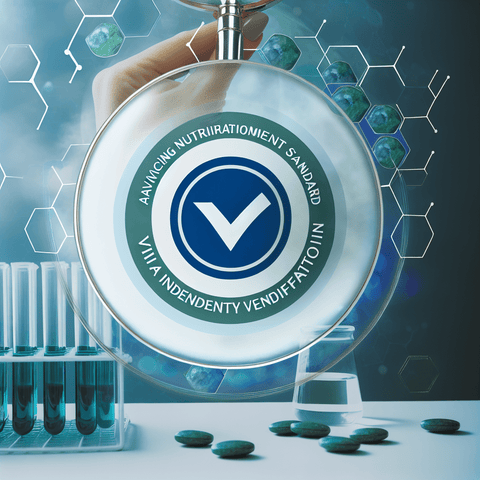
Eine Drittanbieterprüfung ist eine unabhängige Laborprüfung, die etwa Identität, Reinheit, Schadstoffe und den Gehalt eines Nahrungsergänzungsmittels untersuchen kann. Sie schafft zusätzliche Transparenz, ersetzt aber weder die gesetzliche Verantwortung des Herstellers noch klinische Wirksamkeitsnachweise. Dieser Ratgeber erklärt wichtige Prüfkriterien, den Unterschied zwischen Produkt- und Bluttests sowie Fragen zu eigenen Laboruntersuchungen und möglichen Kosten.

In a marketplace filled with competing health products and supplement brands, standing out requires more than compelling marketing. Consumers are increasingly looking for verifiable evidence that products meet recognized quality standards. Third-party certification provides that independent assurance. It is a process where an external, accredited organization evaluates a product, service, or process against specific criteria, offering a layer of trust that self-declared claims simply cannot match.

This guide serves as your broad introduction to third-party certification. We will explain what it is, why it is a critical factor in consumer trust, the common types of certifications you may encounter (especially in the supplement industry), and how to understand and use them effectively.

What Is Third-Party Certification?

At its core, third-party certification is an assessment conducted by an independent organization. This body has no stake in the success of the product or company it is evaluating. This independence is the key differentiator. It ensures that the evaluation is objective and free from conflicts of interest.

The process typically involves several steps. The certifying body reviews the company's processes and facilities, conducts audits, and tests products against established benchmarks. If the product or process meets all the criteria, the certifier issues a certificate and allows the company to display a specific seal or badge. This mark signals to the consumer that a trusted, external party has confirmed the product meets certain standards.

The Importance of Independent Verification

The primary value of third-party certification is the reduction of risk and uncertainty for the buyer. In sectors where safety and quality are paramount—such as dietary supplements, food, and cosmetics—the role of an independent auditor is crucial. It verifies that a product contains what the label says it does, that it is manufactured under hygienic conditions, and that it is free from harmful contaminants.

This process provides a credible baseline that helps buyers feel informed and protected as they compare options. When a trusted certification badge is present and clearly explained, it can significantly improve the perceived reliability of a brand. This confidence can shorten the time a customer needs to make a decision, improve loyalty, and differentiate a product from competitors that do not offer the same level of verification.

Common Types of Third-Party Certifications

While many industries have their own specific standards, some of the most recognizable certifications relate to quality, safety, and ethical practices. In the context of health and wellness, you will often see certifications that focus on the purity and quality of ingredients.

These certifications help consumers identify products that have met rigorous standards, often including:

  • Ingredient Purity: Verifying that the product contains only the listed ingredients without undeclared fillers or additives.
  • Contaminant Screening: Testing for the absence or safe levels of heavy metals, pesticides, and other pollutants.
  • Good Manufacturing Practices (GMP): Auditing the facility and production processes to ensure they meet strict hygiene and quality control guidelines.
  • Content Accuracy: Confirming that the amount of each active ingredient listed on the label matches what is actually in the product.

For consumers focusing on broader lifestyle choices, certifications can also cover areas like organic farming practices, fair trade, and environmental sustainability. Each certification has its own specific criteria, so it is helpful to understand what a particular seal actually represents.

What Does It Mean to Be Third-Party Tested?

When a product is described as being "third-party tested," it means that an independent lab, separate from the manufacturer, has analyzed the product. The lab typically checks for the identity, purity, and potency of the ingredients. This testing is a verification step that is more trustworthy than a manufacturer testing its own products, as the independent lab has no incentive to produce a favorable result. This type of testing is a core component of many certification programs.

How to Leverage Certification to Build Trust

For a brand, the work of obtaining certification is only the first step. The real value comes from communicating it effectively to the consumer. It is not enough to simply have a badge; the message needs to be placed where it is seen and explained in a way that is easy to understand.

A good strategy for highlighting your certifications includes:

  1. Display badges prominently on product pages and in the 'About Us' section of your website.
  2. Provide a link to the certifying body's verification page so customers can confirm your status.
  3. Clearly explain what the certification covers in simple language, avoiding overly technical jargon.
  4. Train your customer service and sales teams to confidently answer questions about your certifications.

By making third-party certification a visible and believable part of your brand, you can accelerate conversions while maintaining rigorous quality standards. It is an investment in credibility that can foster stronger customer relationships and help your products stand out in a crowded market.

Navigating Certifications for Supplements

If you are exploring supplements, understanding certifications can be very valuable. As you compare products from different brands, look for seals from reputable independent organizations. These certifications offer an extra layer of assurance about the quality and safety of what you are considering.

When integrating supplements into your routine, it is also helpful to understand the broader context of each ingredient and its role. For instance, knowing the different forms of a mineral or the sources of a vitamin can help you make more informed choices. You can explore our guides on specific nutrients and supplement types to learn more.

For example, you can find resources on multivitamin ingredients, usage, and safety or deep-dive into specific ingredients like magnesium and their benefits.

Ultimately, certifications and verifications are tools to help you navigate the market. By learning what they mean, you can use them to make purchasing decisions that align with your personal standards for quality, safety, and ethical values.

A Starting Point for Deeper Exploration

This page provides a broad overview of third-party certification. As a topic, it spans multiple concerns, including manufacturing quality, ingredient purity, and ethical sourcing. The specific articles associated with this tag will explore these areas in greater depth, offering detailed comparisons, explanations of specific standards, and practical advice for applying this knowledge.

Use this guide as a map. Gain a solid understanding of the fundamentals here, then use the related articles to zoom in on the details that matter most to you. This approach will give you a well-rounded and confident understanding of how to identify and trust quality products.