
Drittanbieter-Tests und unabhängige Laboraudits sind wesentlich, um Reinheit, Wirksamkeit und Sicherheit von Nahrungsergänzungsmitteln zu bestätigen. Von Dritten geprüfte Ergänzungsmittel werden von neutralen, akkreditierten Labors bewertet, die keine finanziellen Interessen an den Produkten haben. Diese Trennung trägt dazu bei, sicherzustellen, dass die Angaben auf dem Etikett mit dem tatsächlichen Inhalt übereinstimmen und die Qualitätsstandards konsequent eingehalten werden. Transparente Berichte aus diesen Bewertungen geben Marken eine klare Möglichkeit, Verantwortlichkeit gegenüber den Verbrauchern nachzuweisen. Während der Überprüfung bestätigen die Labore die Inhaltsstoffidentität, quantifizieren aktive Bestandteile und prüfen auf Kontaminationen und Verunreinigungen. Akkreditierte Einrichtungen verwenden validierte Methoden und befolgen festgelegte Protokolle, um für jede Charge ein Analysezertifikat (COA) auszustellen. COAs, die häufig von Marken veröffentlicht werden, enthalten Details zu den getesteten Chargen, Testmethoden und Ergebnissen, sodass Verbraucher die zugrunde liegenden Daten der Etikettierung prüfen können. Der Einsatz von von Dritten geprüften Ergänzungsmitteln fördert einen Markt, in dem Marken motiviert sind, hohe Qualitätskontrolle und eine genaue Etikettierung aufrechtzuerhalten. Unabhängige Überprüfungen fördern Konsistenz bei Produktionsläufen und Lieferanteninputs und helfen, Unterschiede zwischen Etikettangaben und tatsächlicher Zusammensetzung zu minimieren. Durch die Priorisierung transparenter Ergebnisse werden Verbraucher befähigt, Produkte mit Vertrauen zu vergleichen. Klicken Sie hier, um vertrauenswürdige Marken mit transparenten Ergebnissen zu sehen.
Drittanbieter-getestete Nahrungsergänzungsmittel: Unabhängige Laborüberprüfung, der Sie vertrauen können
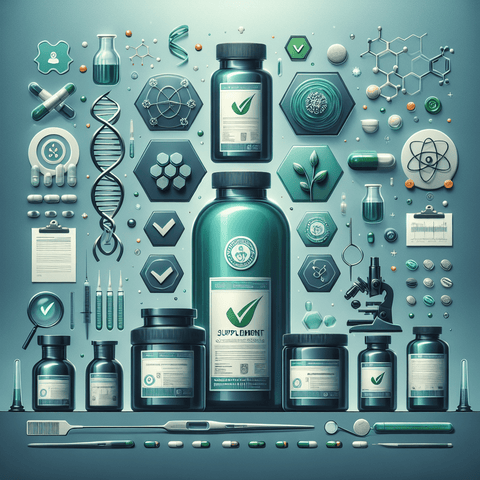
The supplement aisle presents consumers with countless options, but determining which products are actually reliable can be challenging. Third-party tested supplements offer a solution: products that have undergone independent laboratory analysis to verify their contents match what's stated on the label. This guide explains what third-party testing involves, why it matters for supplement quality, and how you can identify independently verified products.
What Does Third-Party Testing Mean?
Third-party testing refers to laboratory analysis conducted by an organization independent from the supplement manufacturer. When a product is third-party tested, an outside laboratory examines the supplement to verify that it contains the ingredients listed on the label in the stated amounts. This independent verification helps confirm product authenticity and quality.
The testing process typically involves multiple analytical methods to identify active ingredients, measure their concentration, and screen for potential contaminants. These tests may also check for ingredient purity, ensuring that the product doesn't contain undeclared substances or impurities that could be harmful.
Key Differences from Manufacturer Testing
Manufacturers routinely conduct quality control testing on their own products. While this in-house analysis is important, it lacks the objectivity of independent verification. Third-party laboratories have no financial stake in the product's success, which helps ensure unbiased results. This separation between the entity producing the supplement and the organization verifying its contents creates a more trustworthy assessment.
Major Third-Party Testing Organizations
Several respected organizations provide third-party testing and certification programs for dietary supplements. Each operates with specific standards and testing protocols.
NSF International
NSF International offers the NSF Certified for Sport program, which tests supplements for prohibited substances and verifies label claims. This certification is particularly relevant for athletes and individuals concerned about banned ingredients. NSF also provides general dietary supplement certification that includes toxicological review and contaminant testing.
US Pharmacopeia (USP)
The US Pharmacopeia sets quality standards for medicines and supplements. USP-verified supplements undergo comprehensive testing for ingredient identity, strength, purity, and performance. Products meeting USP standards carry the USP Verified Mark, indicating they adhere to strict quality criteria established by this independent scientific organization.
ConsumerLab.com
ConsumerLab.com independently tests health and nutrition products and publishes results for consumers. Their testing program evaluates products against quality standards and identifies issues such as incorrect ingredient amounts, contamination, or labeling problems. While ConsumerLab doesn't provide certification seals, their testing results offer valuable transparency for consumers.
How to Identify Third-Party Tested Supplements
Identifying third-party tested supplements requires looking beyond the front label marketing claims. Here are practical ways to verify independent testing:
- Check for third-party certification seals on the product packaging, such as NSF Certified, USP Verified, or other recognized verification marks.
- Review the manufacturer's website for certificates of analysis (COAs) or documentation of independent testing.
- Contact the supplement company directly and ask which third-party laboratories they use and whether testing results are available for review.
- Look for batch-specific testing information that connects a particular production lot to its verification results.
Some manufacturers voluntarily publish third-party test results for every batch of products they produce. This level of transparency provides consumers with direct access to verification data and demonstrates a company's commitment to quality control.
What Third-Party Testing Verifies
Third-party testing typically examines several important aspects of supplement quality.
Ingredient Identity
Laboratories verify that the ingredients listed on the product label are actually present in the supplement. This confirmation helps protect consumers from products that claim to contain specific nutrients but don't deliver them.
Ingredient Quantity
Independent testing measures the amount of each active ingredient to ensure it matches the labeled quantity. This verification helps consumers understand exactly how much of each nutrient they're getting from a supplement.
Contaminant Screening
Third-party laboratories screen for potential contaminants including heavy metals, pesticides, microbial pathogens, and other harmful substances. This testing helps ensure products are safe for consumption and free from undeclared ingredients.
Why Independent Verification Builds Consumer Confidence
The dietary supplement market is vast, with thousands of products available across various categories. For consumers trying to make informed decisions, third-party testing provides an objective measure of product quality that isn't influenced by marketing claims or manufacturer self-interest.
When you choose third-party tested supplements, you gain greater assurance that the product matches its label claims. This transparency helps you understand precisely what you're consuming and supports more educated supplement choices. Many consumers also find that independent verification provides peace of mind regarding product safety and consistency.
Considerations When Choosing Tested Supplements
While third-party testing is an important quality indicator, it's not the only factor to consider when selecting supplements. The overall reputation of the manufacturer, the quality of ingredients used, and the specific formulation all contribute to product effectiveness.
Different testing organizations have varying standards and methodologies. Understanding what each certification program covers helps you interpret verification marks appropriately. Some certifications focus on contaminant testing, while others emphasize ingredient identity and quantity verification.
It's also worth noting that third-party testing doesn't guarantee a supplement will work as intended. Rather, it verifies that the product contains what it claims to contain and is free from certain contaminants. For personalized supplement recommendations, consulting with a healthcare provider who knows your health history is still important.
Exploring Quality Supplement Categories
For those interested in exploring high-quality supplements across different categories, our natural supplements collection features products sourced with attention to quality and transparency. Additionally, our multivitamin guide provides information on choosing comprehensive nutritional support, while the mineral supplements guide explores essential minerals and their roles in health.
Making Informed Supplement Choices
Third-party testing represents one important aspect of supplement quality assessment. By understanding what independent verification involves and how to identify tested products, consumers can approach the supplement market with greater confidence and clarity.
Remember that supplements are intended to complement a balanced diet and healthy lifestyle rather than replace them. When considering any supplement, including third-party tested products, it's wise to think about your specific nutritional needs and overall health goals. A thoughtful approach to supplement selection considers multiple factors, with independent testing serving as one valuable data point among many.