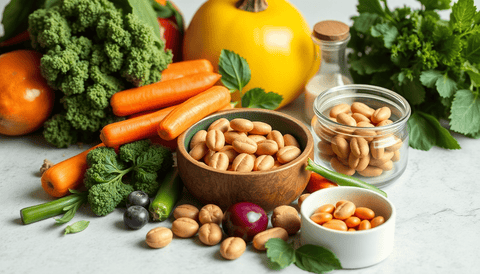
Vegan-freundliche Probiotika sind lebende Mikroorganismen, die ohne Milchprodukte hergestellt und verpackt werden und häufig pflanzenbasierte Fermentationsprozesse verwenden. Dieser Ansatz steht im Einklang mit einem vegan-freundlichen Lebensstil, indem tierische Zutaten in Produktion und Formulierung vermieden werden. Viele Produkte in diesem Bereich verfolgen ebenfalls cruelty-free-Formeln, mit Kennzeichnungen, die nicht tierversuchsfertige Verfahren und entsprechende Zertifizierungen widerspiegeln. Diese Seite konzentriert sich auf vegan-freundliche Probiotika als Kategorie, die pflanzenbasierte Methoden, milchfreie Komponenten und transparente Kennzeichnung betont. Pflanzenbasierte Stämme beschreiben die Mikroorganismen selbst, die in pflanzenbasierten Medien kultiviert und in Formulierungen ohne Milchderivate verwendet werden. In der Praxis können vegan-freundliche Probiotika gängige Gattungen wie Lactobacillus und Bifidobacterium umfassen, wobei der Fokus auf der Aufrechterhaltung einer vegan-freundlichen Produktionskette von Anfang bis Ende liegt. Der Schwerpunkt liegt auf Herstellungsverfahren und Inhaltsstoffen, die mit veganen Prinzipien im Einklang stehen und die Produktintegrität bewahren. Wissenschaftlich belegte Vorteile in diesem Zusammenhang beziehen sich darauf, wie Forschung im Bereich der Probiotika die Spezifität der Stämme, Sicherheitsaspekte und regulatorische Standards adressiert. Im Bereich der vegan-freundlichen Probiotika diskutieren Forscher und Hersteller, wie Produktionsmethoden und Stammauswahl mit veganen Kennzeichnungen in Verbindung stehen und wie Produktspezifikationen diese Merkmale kommunizieren. Die Diskussion hebt hervor, dass Belege und Behauptungen vom spezifischen Stamm, den verfügbaren Forschungsergebnissen und der Strenge der begleitenden Dokumentation abhängen. Tipps zur Auswahl vertrauenswürdiger, cruelty-free-Formeln umfassen die Suche nach klaren veganen Zertifizierungen (wie Vegan Society oder Certified Vegan) und cruelty-free-Labels (Leaping Bunny, PETA). Überprüfen Sie die Zutatenlisten, um das Fehlen von Milchzutaten zu bestätigen und sicherzustellen, dass die Herstellungsweise als pflanzenbasiert oder non-dairy beschrieben wird. Wählen Sie Marken, die unabhängige Tests, transparente Beschaffung und detaillierte Informationen zu den Stämmen bereitstellen, und zögern Sie nicht, den Kundenservice nach Details zu Fermentationsmedien und Herstellungsverfahren zu fragen. Durch die Priorisierung transparenter Kennzeichnungen und unabhängiger Überprüfungen können Sie vegan-freundliche Probiotika identifizieren, die mit cruelty-free-Standards übereinstimmen.
Veganefreundliche Probiotika: Pflanzliche Darmgesundheit, auf die Sie sich verlassen können
Vegan-friendly probiotics are a key focus for plant-based eaters who want to support their digestive health. These supplements provide beneficial bacteria without using dairy or other animal-derived ingredients, making them suitable for those committed to a vegan lifestyle. This guide explores what makes a probiotic vegan-friendly, how these products differ from conventional options, and what to consider when selecting a high-quality supplement.
What Are Vegan-Friendly Probiotics?
Vegan-friendly probiotics are specific strains of beneficial bacteria that are cultivated and formulated entirely without animal-derived ingredients. While all probiotics are living microorganisms, the way they are cultured and the substances used in the final product make some unsuitable for vegans. Traditional probiotics may be grown in dairy-based media, like milk or lactose, or they might be mixed with animal-derived fillers, such as gelatin capsules. Vegan-friendly options avoid these components, using plant-based cultivation media such as soy, peas, or other non-animal sources.
The focus is not just on the probiotic strain itself, but also on the entire production process and final formulation. From the growth medium to the finished capsule, every step is considered to ensure the product aligns with vegan principles. This attention to detail is what differentiates a vegan-friendly probiotic from a standard supplement that may contain animal-derived elements. For many consumers, understanding this distinction is the first step in choosing a product that meets both their health and ethical requirements.
Plant-Based Sources and Ingredients
The manufacturing of vegan-friendly probiotics relies on innovative plant-based technology. Instead of using dairy products to cultivate the bacteria, manufacturers use simple plant sugars or vegetable-based broths. These alternative cultivation methods produce the same beneficial bacterial strains without any animal exposure. Common probiotic strains, such as Lactobacillus and Bifidobacterium, can be cultivated effectively using these vegan methods.
Beyond the bacteria themselves, the other ingredients in the supplement are also carefully selected. Vegan capsules are typically made from plant-derived materials like pullulan, a starch produced by fermentation, or simple vegetable cellulose. The entire product is free from lactose, milk protein, and any other animal byproducts, making it a safe choice for vegans and individuals with dairy sensitivities. When browsing products, look for those that explicitly state "plant-based" or "vegan" to ensure all ingredients meet these standards.
Why Choose a Plant-Based Probiotic?
Choosing a plant-based probiotic aligns with a vegan philosophy that seeks to exclude animal exploitation in all forms, including dietary supplements. For many, the decision is a natural extension of their overall approach to consumption, ensuring that their health choices do not conflict with their values. Additionally, these products offer a solution for those who experience digestive discomfort from dairy, providing a way to support gut health without consuming lactose or other milk proteins.
Plant-based probiotics also reflect a growing movement toward transparent and clean-label products. By selecting these supplements, consumers are supporting more sustainable and ethical manufacturing practices within the wellness industry. The emphasis is on creating products that are both effective and responsible, meeting the needs of health-conscious individuals who demand clarity about what is in their supplements and how those ingredients are sourced.
How to Choose a Vegan-Friendly Supplement
When selecting a vegan-friendly probiotic, consider several factors to ensure the product meets your needs. First, verify the probiotic strains included in the formula. While Lactobacillus and Bifidobacterium are the most common genera, different strains can have varied effects. The specific strain is usually listed on the label, and it’s helpful to choose one that is well-researched and known for supporting digestive well-being.
Next, examine the label for certifications. Third-party vegan certifications, such as those from The Vegan Society or similar organizations, provide assurance that the product meets strict criteria and contains no hidden animal ingredients. It's also wise to read the ingredient list to confirm the absence of gelatin capsules and dairy-based fillers. These steps are essential for identifying a supplement that is transparent and reliable.
Considerations for Gut Health and Diet
Probiotics work alongside prebiotics, which are types of fiber that feed the beneficial bacteria in your gut. While probiotics introduce beneficial microorganisms, prebiotics help them thrive, creating a more balanced and resilient gut environment. Many vegan-friendly supplement formulations include prebiotics like inulin from chicory root or fructooligosaccharides, providing a complete approach to digestive health in one product.
A diet rich in a variety of whole plant foods also naturally supports a gut-friendly environment. Fermented plant foods like sauerkraut, kimchi, and miso contain naturally occurring probiotics and offer a dietary complement to supplements. By combining a well-planned vegan diet with a thoughtful approach to supplementation, individuals can holistically support their microbiome. The focus should be on overall dietary patterns that contribute to a healthy gut ecosystem.
Exploring Related Supplement Topics
Understanding how probiotics fit into a broader wellness routine is important. Just as plant-based probiotics support digestive health, other nutrients like vitamins and minerals play critical roles in overall well-being. For example, vitamin D and calcium are important for bone and muscle function, while magnesium supports energy production. A balanced approach to supplementation considers these interconnected aspects of health.
If you are interested in digestive wellness, you may also want to explore other supplement categories that support overall nutritional health. For guidance on essential nutrients, exploring options for multivitamins can be beneficial. Additionally, learning about magnesium supplements can round out your understanding of how different nutrients support foundational bodily functions.
Final Thoughts on Plant-Based Probiotics
Vegan-friendly probiotics represent a thoughtful choice for those seeking to align their wellness practices with a plant-based lifestyle. By ensuring that supplements are free from animal products and are produced via ethical methods, individuals can support their digestive health without compromising their values. The key lies in reading labels carefully, looking for vegan certifications, and choosing products that are transparent about their ingredients and sourcing.
Ultimately, a vegan-friendly probiotic is one part of a comprehensive approach to health. By combining high-quality supplements with a balanced, nutrient-dense diet, you can create a foundation for long-term wellness. As with any supplement, it’s always advisable to consult with a healthcare provider to determine what is appropriate for your individual health needs.