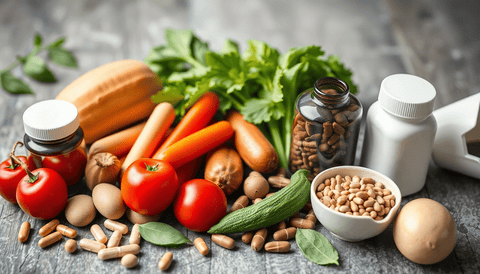
Diese Seite untersucht die Vorteile veganer Nahrungsergänzungsmittel und wie pflanzenbasierende Ernährung in einen Wellness-Plan integriert werden kann. Sie bietet praktische Tipps, eine klare Übersicht über wichtige Nährstoffe und einen Kaufratgeber, um Produkte selbstbewusst vergleichen zu können. Der Schwerpunkt liegt auf dem Verständnis veganer Zertifizierungen, der Genauigkeit der Etiketten und transparenter Inhaltsstoffe, damit Sie Entscheidungen treffen können, die mit veganen Vorlieben übereinstimmen. Indem Sie sich auf die Merkmale konzentrieren, die ein Produkt vegan-freundlich und gut dokumentiert machen, können Sie den Markt leichter navigieren. Praktische Tipps zur Auswahl veganer Nahrungsergänzungsmittel umfassen den Einstieg mit veganen Zertifizierungen auf dem Etikett und von vertrauenswürdigen Dritten. Achten Sie auf Zertifizierungen wie Certified Vegan oder die vegane Akkreditierung der Vegan Society und überprüfen Sie, ob das Produkt frei von tierischen Inhaltsstoffen ist. Lesen Sie die Zutatenliste auf Füllstoffe oder Verarbeitungshilfsmittel, die möglicherweise nicht vegan sind, und wählen Sie die Produktform, die zu Ihrer Routine passt—Kapseln, Tabletten, Pulver oder Flüssigkeiten—sowie Lagerung und Haltbarkeitsdauer. Wenn Sie diätetische Einschränkungen oder Allergien haben, prüfen Sie die Allergenaussagen und suchen Sie nach Marken mit transparenter Beschaffung und Produktionspraktiken. Veganer Nahrungsergänzungsmittel bringen typischerweise Vorteile im Hinblick auf eine Vielzahl von Nährstoffen, die häufig in veganen Formulierungen im Fokus stehen. Zum Beispiel sind Vitamin B12, Vitamin D, Omega-3-Fettsäuren aus Algenöl (DHA/EPA), Jod, Eisen, Kalzium, Zink und Selen häufig berücksichtigt. Für B12 können vegane Optionen Methylcobalamin oder Cyanocobalamin verwenden. Für Omega-3 liefern Algenöl DHA/EPA. Für Jod suchen Sie nach Quellen, die aus Meeresgemüse stammen, und für Eisen sind chelatierte Formen wie Eisenbisglycinat in veganen Produkten üblich. Kalzium und Zink werden oft in Kombinationspräparaten mit klarer veganer Beschaffung und Angabe der Dosierung pro Portion enthalten. Der Kauf veganer Nahrungsergänzungsmittel erfordert Planung und Vergleich. Legen Sie ein Budget fest und entscheiden Sie, welche Nährstoffe Sie priorisieren möchten. Vergleichen Sie dann die Produktetiketten hinsichtlich veganer Zertifizierungen, unabhängiger Labortests und Zutatentransparentheit. Achten Sie auf seriöse Zertifizierungen wie Certified Vegan oder die Vegan Society sowie auf Reinheit und Dosierung pro Portion. Überprüfen Sie die Produktform, das Verfallsdatum, die Lagerungsanforderungen und die Verfügbarkeit von Allergeninformationsangaben. Falls Sie spezielle Bedürfnisse oder Bedenken haben, ziehen Sie in Erwägung, einen Arzt oder Ernährungsberater zu konsultieren, um die Wahl auf Ihre Situation abzustimmen.
Vegan Ergänzungsstoffe Vorteile: Steigern Sie Ihre Gesundheit mit pflanzenbasierter Ernährung
What Are Vegan Supplements and Why Are They Important?
Vegan supplements are dietary supplements formulated without any animal-derived ingredients. They are designed to support the nutritional needs of people following a plant-based diet, helping to ensure that essential vitamins and minerals are consumed in adequate amounts. A well-planned vegan diet can be incredibly nutritious, but certain nutrients are more challenging to obtain from plant sources alone.
Understanding vegan supplement benefits begins with recognizing which nutrients may require extra attention. This guide explores the key vitamins and minerals for vegans, their roles in the body, and practical considerations for choosing high-quality supplements. Whether you are new to veganism or looking to optimize your current routine, this overview provides a useful starting point.
Essential Nutrients for a Vegan Diet
While a varied plant-based diet can meet many nutritional needs, some nutrients are present in limited amounts in plant foods or are less well absorbed from plant sources. The following nutrients are commonly highlighted as important considerations for vegans.
Vitamin B12
Vitamin B12 is essential for nerve function, red blood cell formation, and DNA synthesis. It is naturally found almost exclusively in animal products, making supplementation particularly important for vegans. Choosing a B12 supplement in the form of methylcobalamin or cyanocobalamin ensures that you are getting a form suitable for plant-based lifestyles.
Vitamin D
Vitamin D supports bone health, immune function, and overall well-being. While sunlight is a primary source, dietary sources are limited, especially for vegans. Vegan vitamin D supplements are typically derived from lichen, making them a suitable option for plant-based diets.
Omega-3 Fatty Acids
Omega-3 fatty acids, particularly EPA and DHA, are important for heart and brain health. While plant sources like flaxseeds and chia seeds provide ALA, the conversion to EPA and DHA is limited. Vegan omega-3 supplements derived from algae offer a direct source of DHA and EPA, bypassing the need for fish oils.
Iron
Iron is crucial for oxygen transport and energy production. Plant-based iron, known as non-heme iron, is less readily absorbed by the body than the heme iron found in animal products. Pairing iron-rich plant foods with vitamin C can enhance absorption, and supplements like iron bisglycinate are often recommended for their gentleness on the stomach.
Calcium, Zinc, and Iodine
Calcium is essential for bone health, and while leafy greens and fortified plant milks provide it, supplements can help meet daily needs. Zinc, important for immune function and wound healing, is found in legumes, nuts, and seeds, but phytates in these foods can reduce absorption. Iodine, necessary for thyroid function, can be obtained from seaweed or iodized salt, though supplements offer a consistent source. Many vegan multivitamins combine these nutrients in convenient formulations.
Choosing Quality Vegan Supplements
With the growing popularity of plant-based diets, the market for vegan supplements has expanded significantly. This means more choices, but also more responsibility to select products that are both effective and aligned with vegan principles.
Look for Vegan Certifications
Certifications such as "Certified Vegan" or approval from recognized organizations like the Vegan Society provide assurance that a product does not contain animal-derived ingredients. These certifications also often verify that no animal testing was conducted during development.
Check Ingredient Labels Carefully
Some supplements may contain hidden animal-derived ingredients such as gelatin in capsules, or lanolin-derived vitamin D. Reading ingredient lists thoroughly helps ensure that every component, including fillers and processing aids, is plant-based. For those with allergies or sensitivities, reviewing allergen statements is also important.
Consider the Form and Quality
Supplements come in various forms including capsules, tablets, powders, and liquids. The choice often comes down to personal preference and ease of use. Additionally, third-party testing for purity and potency can be a valuable indicator of quality, ensuring that you are getting exactly what is stated on the label.
Building a Balanced Vegan Supplement Routine
Creating an effective supplement routine starts with understanding your individual needs. Factors such as age, lifestyle, health status, and dietary habits all influence which supplements might be beneficial. While a high-quality vegan multivitamin can serve as a foundation, targeted supplements may be necessary to address specific gaps.
Here are some general steps to consider when building a routine:
- Start with a vegan multivitamin to cover foundational nutrients.
- Assess your diet to identify potential gaps, such as low intake of fortified foods.
- Consider targeted supplements for nutrients like B12, vitamin D, or omega-3s as needed.
- Consult with a healthcare professional before starting any new supplement, especially if you have underlying health conditions.
Remember that supplements are meant to complement a healthy diet, not replace it. A diverse, whole-food plant-based diet remains the cornerstone of good nutrition.
Safety Considerations and General Guidance
While vegan supplements are generally safe for most people, it is important to approach supplementation thoughtfully. Some nutrients, like iron and vitamin D, can accumulate in the body and cause adverse effects if taken in excessive amounts. Always follow the recommended dosage on the product label unless directed otherwise by a healthcare provider.
The information provided here is for educational purposes and should not replace personalized medical advice. If you have specific health concerns or are considering supplements for a particular reason, discussing your plans with a qualified professional is always the safest approach.
By staying informed and choosing supplements wisely, you can effectively support your plant-based lifestyle. To explore nutrient-specific options, you might find our natural supplements collection helpful, along with our guides to vitamin D and calcium supplements.
Exploring Vegan Nutrition Further
Vegan nutrition is a rich and evolving field. While this page provides a broad overview of supplement considerations, there are many more specific topics worth exploring. Questions about the best form of magnesium, the difference between various B12 supplements, or how to optimize iron absorption are just a few examples of deeper dives you might take.
The articles associated with this tag delve into these areas in greater detail, offering practical guidance for those seeking more specific information. Together, this page and the supporting articles provide a comprehensive resource for anyone interested in vegan supplement benefits and plant-based nutrition.