
Verifizieren Sie die Echtheit von Nahrungsergänzungsmitteln schnell, indem Sie mit der Verpackung beginnen. Achten Sie auf Manipulationssiegel, intakte Verschlüsse und richtig versiegelte Flaschen oder Beutel. Überprüfen Sie das Etikett auf klare Chargen- oder Losnummern, ein Haltbarkeitsdatum und zugängliche Kontaktdaten des Herstellers. Vergleichen Sie den Produktnamen, die Marke und das Verpackungsdesign mit dem offiziellen Eintrag auf der Website der Marke oder bei vertrauenswürdigen Händlern. Abweichungen sind ein Grund, die Echtheit des Nahrungsergänzungsmittels vor dem Abschluss eines Kaufs zu überprüfen. Hinweis auf dem Etikett können auf den ersten Blick die Echtheit offenbaren. Überprüfen Sie die Zutatenliste auf einheitliches Format, Standard-Einheiten und vollständige Allergene-Hinweise, falls zutreffend. Untersuchen Sie die Angaben auf der Nährwerttabelle auf klare Schriftart und Lesbarkeit, und suchen Sie nach einer physischen oder digitalen Adresse, Website oder behördlichen Hinweisen. Seien Sie vorsichtig bei Schreibfehlern, generischer Sprache oder Aussagen, die auf dem Etikett unangebracht erscheinen. Wenn etwas ungewöhnlich wirkt, nehmen Sie sich einen Moment Zeit, um die Echtheit des Nahrungsergänzungsmittels zu verifizieren. Barcodescans bieten eine schnelle Validierung. Verwenden Sie die offizielle App der Marke oder einen vertrauenswürdigen Barcode-Lookup-Dienst, um den UPC- oder QR-Code zu scannen und zu bestätigen, dass Produkt, Chargennummer und Haltbarkeitsdatum mit den Angaben des Händlers übereinstimmen. Wenn ein Scan ein unbekanntes Produkt, unpassende Details oder einen manipulierten Barcode ergibt, pausieren Sie und untersuchen Sie den Vorgang. Vergleichen Sie die gescannten Daten mit der offiziellen Produktseite der Marke oder dem Kundenservice zur Bestätigung. Zertifizierungen und unabhängige Prüfungen erhöhen das Vertrauen zusätzlich. Achten Sie auf Drittsymbole wie USP Verified, NSF Certified oder andere anerkannte Schemen, und überprüfen Sie die Zertifizierungsnummern auf dem Etikett mit der Datenbank des Zertifizierers. Zertifizierungen weisen auf die Einhaltung externer Standards hin, ersetzen aber nicht Ihre eigene Sorgfaltspflicht. Für zusätzliche Sicherheit kaufen Sie bei renommierten Händlern, die eine transparente Beschaffung und klare Rückgaberichtlinien haben. Überprüfen Sie die Echtheit des Nahrungsergänzungsmittels, um heute mit Vertrauen einzukaufen.
Überprüfung der Echtheit von Nahrungsergänzungsmitteln: Schnelle Erkennung gefälschter Ergänzungsmittel
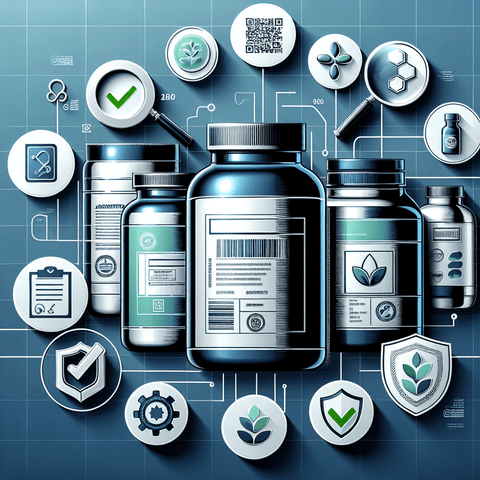
Supplement authenticity is a growing concern for health-conscious consumers. With the global supplement market expanding and online shopping becoming the norm, counterfeit products have become harder to spot. Knowing how to verify supplement authenticity helps you choose products that are genuine, correctly labeled, and properly manufactured. This guide explains the key steps you can take to confirm that a supplement is what it claims to be.
Whether you are new to supplements or a long-time user, understanding the verification process empowers you to shop with greater confidence. The methods below cover the most reliable ways to check a product's authenticity, from examining packaging to using digital tools.
Start with the Packaging
The packaging is often the first indicator of a supplement's authenticity. Legitimate manufacturers invest in high-quality materials and printing to protect their products and their reputation. Begin by looking for tamper-evident seals, intact caps, and properly sealed bottles or pouches. If the seal is broken, the cap is loose, or the packaging shows signs of tampering, that is a red flag.
Poor print quality is another common sign of counterfeit products. Blurred text, faded colors, or misaligned logos can indicate that the packaging was not produced by the original manufacturer. Compare the packaging design with images from the brand's official website or authorized retailers. While counterfeiters are becoming more sophisticated, small differences often remain.
Extremely low prices can also signal authenticity issues. If a deal seems too good to be true, it often is. Counterfeit products are frequently sold at steep discounts, especially through third-party marketplaces. When you are shopping for supplements, consider purchasing directly from the brand's website or from well-known, reputable retailers.
Inspect the Label Carefully
The label on a genuine supplement provides detailed information that counterfeiters often overlook or get wrong. Check that the label includes a batch or lot number and an expiration date. These details allow manufacturers to track products and consumers to verify them. Missing batch numbers or expiration dates are warning signs.
Look at the supplement facts panel and the ingredient list. The formatting should be clean and legible, with consistent typography and alignment. Ingredients should be listed in a standard way, and measurements should use appropriate units. If the panel looks cramped, contains typos, or uses unusual terminology, the product may not be authentic.
Pay attention to allergen information as well. Genuine labels clearly state when a product contains common allergens such as soy, gluten, dairy, or nuts. They also include contact information for the manufacturer, such as a physical address or customer service phone number. If this information is missing or seems incomplete, treat the product with caution.
Be cautious of labels that use generic language, exaggerated health claims, or terms like "miracle cure" or "instant results." Legitimate supplement manufacturers avoid making promises that exceed what their products can deliver. If a label makes claims that seem too strong or unrealistic, it may be a sign of a counterfeit or unregulated product.
Use Barcode Scanning and Digital Verification
Barcode scanning is a quick way to gather information about a supplement. Many brands provide official apps or partner with trusted barcode lookup services. By scanning the UPC or QR code on the product, you can confirm that the item matches official records. The scan should return details like the product name, manufacturer, and sometimes the batch number.
If the scan returns no information, shows a different product, or displays mismatched details, treat it as a warning. Cross-check the scanned data with the product's label and the brand's official website. Some manufacturers also offer batch verification tools on their websites, where you can enter a lot number to confirm that the product was genuinely produced by them.
Digital verification can also include checking the brand's social media channels and customer reviews. While reviews should not be your only source of information, a pattern of complaints about authenticity can be informative. Some reputable brands use serialized QR codes that allow you to verify a product once, preventing counterfeiters from reusing codes.
Look for Third-Party Certifications
Third-party certifications provide independent verification that a supplement meets specific quality standards. Certifications such as USP Verified, NSF Certified, and similar programs indicate that an outside organization has evaluated the product for purity, potency, and manufacturing practices. These marks are often displayed on the label or packaging.
When you see a certification mark, you can verify it by visiting the certifying organization's website and searching for the product. This confirms that the certification is valid and that the product is currently listed. Be aware that not all high-quality supplements carry third-party certifications, but when they do, it adds an extra layer of confidence.
Certification programs vary in their requirements and scope. Some focus on ingredient purity, while others evaluate entire manufacturing processes. Understanding what each certification covers helps you interpret what the mark actually means. Regardless of certifications, it is still important to follow other verification steps to ensure you have a genuine product.
Buy from Reputable Sources
Where you buy a supplement can be just as important as how you verify it. Authorized retailers and the brand's official website are the most reliable sources. These channels buy directly from the manufacturer, reducing the risk of counterfeit products entering the supply chain. When you buy from third-party marketplaces, the risk increases, even if the seller has good reviews.
Before making a purchase, research the retailer. Look for clear contact information, a professional website, and transparent policies regarding returns and refunds. A reputable retailer should be willing to answer questions about product sourcing and authenticity. If a seller is vague about their supply chain or avoids answering questions, consider it a red flag.
When buying online, pay attention to the product listing. Genuine products are usually accompanied by detailed descriptions, high-quality images, and accurate information about ingredients and dosage. Listings that lack these details may be selling unauthorized or counterfeit goods. Compare the listing with the brand's official product page to spot inconsistencies.