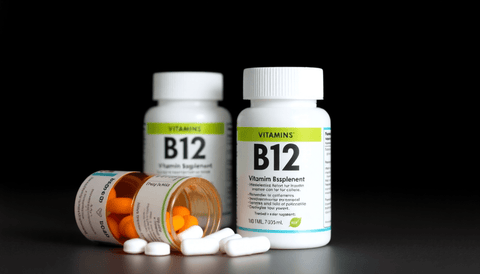
Vitamin B12 is an essential nutrient that plays a vital role in the normal function of the nervous system, the formation of red blood cells, and the release of energy from food. Understanding your vitamin B12 dosage is crucial for maintaining overall health, but it is not a one-size-fits-all number. This guide provides a comprehensive overview of daily requirements, factors that may increase your need for more, and considerations for safe supplementation. Whether you are exploring dietary sources, evaluating different supplement forms, or simply looking to understand your nutritional needs, this resource offers a clear and practical introduction to vitamin B12 dosage.
What is Vitamin B12 and Why is Dosage Important?
Vitamin B12, also known as cobalamin, is a water-soluble vitamin that your body does not produce on its own. It must be obtained through diet or supplementation. The dosage you require is fundamental to ensuring your body has enough of this nutrient to support critical functions. While a deficiency can lead to symptoms like fatigue and weakness, maintaining an adequate intake helps support overall well-being. The concept of dosage is not just about a single number; it is about understanding your individual needs, which can be influenced by a range of factors.
General Daily Needs: A Starting Point for Your Vitamin B12 Dosage
For most adults, the commonly cited vitamin B12 dosage requirement is 2.4 micrograms per day. This figure, or a variation of it, is used by health authorities as a reference intake to assess the nutritional adequacy of populations. It is important to remember that this number is a guideline, not a strict target for every individual. Needs can vary by life stage, as well as by other personal health factors. This baseline is, however, a helpful starting point for understanding your general requirements.
Who May Need a Higher Vitamin B12 Dosage?
Several factors can influence whether you might require a higher vitamin B12 dosage than the general recommendation. Recognizing these can help you determine if you need to pay closer attention to your intake or consult a professional for personalized advice.
- Pregnancy and lactation: The nutritional demands of pregnancy and breastfeeding increase the need for many nutrients. For vitamin B12, the reference intake is typically higher, often cited as around 2.8 micrograms per day.
- Older age: As we age, our stomach acid production can decrease, which is needed to release B12 from food proteins. This can impair absorption from dietary sources, making a higher intake or supplemental forms a consideration.
- Conditions affecting absorption: Certain gastrointestinal conditions or surgeries can interfere with the body's ability to absorb vitamin B12 efficiently, potentially increasing the required dosage.
- Dietary patterns: People following a strict vegan or vegetarian diet may have a higher risk of not meeting their needs through food alone, as B12 is naturally found in animal products. Supplementation is often recommended.
Understanding Different Forms of Vitamin B12
If you are considering a supplement, you will likely encounter different forms of vitamin B12. The most common are cyanocobalamin and methylcobalamin. Cyanocobalamin is a synthetic form often found in supplements due to its stability and cost-effectiveness. Methylcobalamin is the naturally occurring, active coenzyme form in the body. Both forms can contribute to your overall B12 intake, but they may have different considerations in terms of how they are processed by the body. Your choice may depend on your specific needs and preferences, and professional guidance can help make this distinction clearer.
Supplement Formats: Pills, Sublingual, and Injections
Vitamin B12 supplements are available in various formats, including oral pills, sublingual (under-the-tongue) tablets, and as injections administered by healthcare professionals. Pills are the most common and are convenient to take as part of a daily routine. Sublingual forms are designed to be absorbed directly under the tongue. Injections are typically used in cases of significant deficiency or when absorption is severely compromised. The appropriate format can depend on the reason for supplementation and your individual needs.
Safe Dosing and Optimization of Absorption
To maintain a safe vitamin B12 dosage, it is important to follow official directions on supplements and avoid excessive amounts. While B12 is a water-soluble vitamin, and the body may excrete excess via urine, high doses are not the norm. General guidance is to approach any change in intake gradually and monitor your body's responses. Several factors can impact how well you absorb B12, including gastrointestinal health and interactions with other substances. Discussing your individual approach with a qualified professional can help tailor your strategy for optimizing absorption safely.
The Importance of Professional Guidance
While this guide provides a broad understanding of vitamin B12 dosage, it is not a substitute for medical advice. Many factors determine your personal requirements, including your health status, current medications, and laboratory test results. If you have concerns about your vitamin B12 levels or are considering a supplement, consulting with a healthcare provider is strongly recommended. They can help you determine the right dosage for your circumstances and monitor your progress over time.
For more on optimizing your overall nutrient intake, explore our vitamin B supplements collection. If you are interested in a holistic approach to daily nutrition, you might also consider our multivitamins guide which covers ingredients, usage, and safety.