Vitamin-C-Vorteile: Stärkung des Immunsystems, Hautgesundheit und mehr


Entfalten Sie die volle Kraft von Vitamin C mit einem klaren Blick auf die Vorteile von Vitamin C. Diese Seite konzentriert sich auf wissenschaftlich dokumentierte Vorteile von Vitamin C und zeigt, wie Forscher die Rollen dieses Mikronährstoffs im menschlichen Körper beschreiben. Vitamin C ist ein wasserlöslicher Nährstoff, der an einer Vielzahl biochemischer Prozesse beteiligt ist. Das Verständnis seiner Vorteile beginnt mit der Chemie und der Art und Weise, wie der Körper damit umgeht. Zu den wichtigsten Vorteilen von Vitamin C gehören seine Funktion als essentielles Kofaktor für mehrere Enzyme, die Unterstützung der Kollagensynthese, die Bildung von Carnitin und bestimmte Neurotransmitter-Wegen, sowie seine Rolle als Antioxidans, das hilft, Biomoleküle vor oxidativem Stress zu schützen. Die Aufnahme und Verteilung im Gewebe bestimmen, wie sich diese Vorteile von Vitamin C manifestieren, wobei der Körper die Aufnahme basierend auf der Aufnahme und den Speichern reguliert. Praktische Tipps und tägliche Dosen für die Vorteile von Vitamin C: Allgemeine Richtlinien geben für erwachsene Frauen etwa 75 mg pro Tag und für erwachsene Männer 90 mg pro Tag als Referenzaufnahme an; die tolerierbare obere Aufnahme beträgt 2000 mg pro Tag, um potenzielle Nebenwirkungen hoher Dosen zu vermeiden. Für einen konsistenten Verzehr sollten Sie die Einnahme auf Mahlzeiten verteilen und einen stetigen Tagesablauf beibehalten, anstatt große, unregelmäßige Dosen zu nehmen. Wenn Sie Nahrungsergänzungsmittel in Betracht ziehen, konsultieren Sie einen Arzt, um die Einnahme an individuelle Bedürfnisse und Medikamente anzupassen. Wissenschaftlich belegte Fakten und Sicherheit: Die Vorteile von Vitamin C werden im Rahmen der breiteren Ernährungswissenschaft untersucht; Vitamin C ist wasserlöslich und wird nicht in großen Mengen gespeichert, überschüssiges wird im Urin ausgeschieden. Seine Rolle als Antioxidans und Kofaktor wurde in vielen Modellen und Kontexten erforscht, und laufende Studien verfeinern unser Verständnis der Dosis-Wirkungs-Beziehungen. Das Verständnis der Vorteile von Vitamin C aus dieser Perspektive unterstreicht die Balance zwischen einer ausreichenden Zufuhr und der Vermeidung von Überdosierungen, geleitet durch etablierte Richtlinien und individuelle Beratung.


What are the benefits of taking high doses of vitamin C? - Topvitamine
November 03, 2025
Hochdosiertes Vitamin C kann unter bestimmten Umständen die normale Immunfunktion, Kollagenbildung und den Schutz der Zellen vor oxidativem Stress unterstützen. Mehr ist jedoch nicht automatisch besser: Hohe orale Mengen können Magen-Darm-Beschwerden verursachen und sind nicht für alle Menschen geeignet. Dieser Ratgeber erklärt mögliche Vorteile, die Vitamin-C-Dosierung, den Unterschied zwischen Nahrung und Supplementen sowie wichtige Hinweise zur sicheren Anwendung.
Which illnesses does vitamin C help with? - Topvitamine
October 22, 2025
Vitamin C ist wichtig für die normale Funktion des Immunsystems, die Kollagenbildung und den Schutz der Zellen vor oxidativem Stress. Bei einer Erkältung kann eine regelmäßige ausreichende Zufuhr die Krankheitsdauer möglicherweise leicht verkürzen, verhindert Infektionen bei gesunden Menschen jedoch nicht zuverlässig. Dieser Ratgeber erklärt die wissenschaftlich besser belegten Funktionen, geeignete Lebensmittel, Supplementformen, Dosierungshinweise und wichtige Sicherheitsaspekte.

What happens to your body when you start taking vitamin C? - Topvitamine
October 16, 2025
Die Vitamin-C-Wirkung zeigt sich vor allem in wichtigen Körperfunktionen: Vitamin C unterstützt das Immunsystem, die Kollagenbildung, den antioxidativen Schutz und die Eisenaufnahme. Bei ausreichender Versorgung sind jedoch nicht automatisch spürbare Veränderungen zu erwarten. Dieser Ratgeber erklärt, was bei der Einnahme passieren kann, welche Lebensmittel Vitamin C liefern, worauf Sie bei der Dosierung achten sollten und wann Vorsicht geboten ist.
The Truth About Vitamin C: Myths, Benefits & Best Forms | Topvitamine - Topvitamine
August 21, 2025
Dieser Ratgeber erklärt, wofür Vitamin C im Körper benötigt wird, welche Lebensmittel gute Quellen sind und worin sich Ascorbinsäure, gepuffertes und liposomales Vitamin C unterscheiden. Sie erfahren, welche Form für verschiedene Bedürfnisse sinnvoll sein kann, worauf Sie bei Vitamin-C-Präparaten achten sollten und welche Grenzen für die Einnahme gelten. Außerdem klären wir Mythen zu Erkältungen, Marken und Vitamin C für die Haut.

The Best Vitamins for Immune System Support in 2025 | Topvitamine - Topvitamine
July 10, 2025
Vitamine für das Immunsystem können eine ausgewogene Ernährung ergänzen, ersetzen aber weder gesunde Gewohnheiten noch eine medizinische Behandlung. Dieser Ratgeber erklärt die Rolle von Vitamin C, Vitamin D, Zink und weiteren Nährstoffen, zeigt sieben alltagstaugliche Wege zur Unterstützung der Abwehr und ordnet natürliche Immunbooster ein. Außerdem erfahren Sie, worauf Sie bei Nahrungsergänzungsmitteln achten sollten und warum Symptome allein keinen Nährstoffmangel beweisen.
Zinc vs. Vitamin C: Choosing the Best Immune Supplement | Topvitamine - Topvitamine
July 06, 2025
Zink vs. Vitamin C ist kein Wettbewerb mit einer allgemein besten Lösung: Beide Nährstoffe erfüllen unterschiedliche Funktionen im Körper. Zink ist unter anderem für die normale Funktion des Immunsystems wichtig, während Vitamin C zum Schutz der Zellen und zur normalen Kollagenbildung beiträgt. Der Ratgeber vergleicht Wirkung, Formen, Einnahme, Auswahlkriterien und Sicherheitsaspekte, damit Sie Nahrung und Nahrungsergänzungsmittel besser einordnen können.

Vitamin C is one of the most widely discussed nutrients in health and nutrition. Known scientifically as ascorbic acid, this water-soluble vitamin is essential for human health because the body cannot synthesize it on its own. As a result, people must obtain it through food, beverages, or supplements. On this page, we explore the broad vitamin C benefits, how it functions in the body, where to find it, and what to consider when using supplements. This overview is designed to give you a clear, science-based map of the topic, while our dedicated articles dive deeper into specific questions.

What Is Vitamin C and Why Is It Important?

Vitamin C is a nutrient that participates in a variety of biochemical processes. Its primary role in the body is as a cofactor for several enzymes, meaning it helps these enzymes perform their functions. One of the most notable processes involving vitamin C is the synthesis of collagen, a structural protein that is vital for the health of skin, tendons, ligaments, and blood vessels.

In addition to its role in collagen production, vitamin C acts as an antioxidant. This means it helps protect cells from oxidative stress, which can be caused by free radicals—unstable molecules that can damage cellular structures. By neutralising these free radicals, vitamin C contributes to the body's natural defence system.

Because the body regulates vitamin C levels carefully, absorption changes based on how much is already stored. Understanding this dynamic is key to appreciating why consistent daily intake matters more than occasionally consuming large amounts.

Key Vitamin C Benefits and Their Role in Human Physiology

Vitamin C is associated with several important physiological functions. While research continues, the following areas are generally recognised as central to its benefits:

  • Collagen synthesis: Vitamin C is required for the enzymatic steps that stabilise collagen molecules, supporting healthy skin, blood vessels, bones, and cartilage.
  • Antioxidant protection: As an antioxidant, vitamin C helps protect biomolecules from oxidative stress, which is part of normal cellular metabolism.
  • Immune function: Vitamin C contributes to the normal function of the immune system, a key reason it is frequently associated with immune health.
  • Carnitine and neurotransmitter production: Vitamin C serves as a cofactor for enzymes involved in the production of carnitine, which is involved in energy metabolism, and for certain neurotransmitters.

These roles illustrate why vitamin C is needed for overall health. However, it is important to note that these benefits are about supporting normal physiological functions, not about treating or curing any specific condition. Ongoing research continues to refine our understanding of dose-response relationships and the full spectrum of vitamin C's effects.

Dietary Sources of Vitamin C

A balanced diet can usually provide an adequate amount of vitamin C. The nutrient is found naturally in a wide range of plant-based foods. Some of the most well-known and accessible sources include:

  • Citrus fruits such as oranges, grapefruits, and lemons
  • Berries, including strawberries, blueberries, and raspberries
  • Vegetables like bell peppers, broccoli, Brussels sprouts, and tomatoes
  • Leafy greens such as spinach and kale

Because vitamin C is water-soluble, it can be lost during cooking, especially when foods are boiled. To preserve the vitamin C content, consider consuming these foods raw, steamed, or lightly cooked.

General Recommendations for Daily Intake

Understanding how much vitamin C to take is a common question. General guidelines for reference intake are 75 mg per day for adult women and 90 mg per day for adult men. These amounts are intended to meet the needs of most healthy individuals.

The tolerable upper intake level (UL) for vitamin C is 2000 mg per day. This is the highest level of daily intake that is likely to pose no risk of adverse effects for almost all individuals. Taking doses higher than this may lead to digestive discomfort, such as diarrhoea or stomach cramps.

For optimal absorption, it is often suggested to spread vitamin C intake throughout the day rather than taking one large dose. This is because the body's absorption efficiency decreases when intake is very high in a single sitting.

Vitamin C Supplements: Forms and Considerations

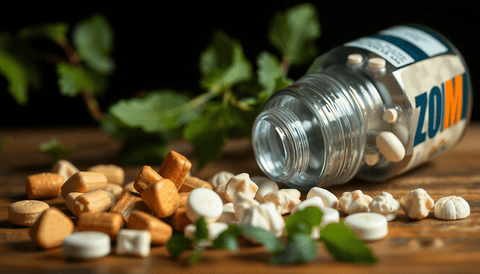
For those who struggle to meet their vitamin C needs through diet alone, supplements are a practical option. They come in various forms, including tablets, capsules, chewables, powders, and liposomal formulations. The most common form is ascorbic acid, but other forms like sodium ascorbate or calcium ascorbate are also available, which may be gentler on the stomach.

When choosing a supplement, it is important to consider factors such as dosage, form, and any additional ingredients. If you are considering vitamin C supplements, it is advisable to consult with a healthcare professional. This is particularly important if you have underlying health conditions or are taking other medications, as vitamin C can interact with certain drugs.

Signs of Vitamin C Deficiency

While deficiency is less common in developed countries, inadequate intake can lead to symptoms. Historically, a severe lack of vitamin C caused scurvy, a disease characterised by fatigue, gum disease, and poor wound healing. In modern contexts, low vitamin C levels may manifest as:

  • Fatigue and weakness
  • Slow wound healing
  • Dry or damaged skin
  • Bleeding gums or nosebleeds
  • Aching joints or muscles

If you suspect you may have a vitamin C deficiency, it is important to consult a healthcare provider for proper evaluation and personalised dietary or supplement advice.

Safety, Side Effects, and Interactions

Vitamin C is water-soluble, meaning that excess amounts are typically excreted in urine. This generally makes it safe for most people, but high doses can cause adverse effects such as:

  • Digestive issues, including diarrhoea and stomach cramps
  • Increased risk of kidney stones in susceptible individuals when consumed in very high doses over long periods

For people with certain conditions, such as hemochromatosis (iron overload) or a history of kidney stones, high-dose vitamin C supplements should be used with caution. Vitamin C can enhance the absorption of non-heme iron (the type found in plant foods), which is generally beneficial for those with iron deficiency but could be problematic for others.

As with any dietary supplement, it is essential to speak with a healthcare professional before starting vitamin C, especially if you are pregnant, nursing, or taking prescription medications. They can help determine the appropriate dosage and ensure there are no potential interactions.

Exploring the Science of Antioxidants

Vitamin C is often discussed alongside other antioxidants. Its role as an antioxidant is central to many of its perceived benefits. To understand this aspect better, it is helpful to explore the broader topic of antioxidants and how they work in the body to neutralise free radicals. The science of antioxidants is complex and fascinating, offering a wider context for understanding how nutrients like vitamin C support health.

Further Reading and Resources

This page provides a broad overview of vitamin C benefits and its role in the body. For those interested in a focused approach, our Vitamin C collection provides more specific information on how this nutrient supports immunity, antioxidant defence, and energy metabolism.

To further build your understanding of nutritional supplements, you may also find our natural supplements overview helpful, as it covers a range of nutrients and how they can complement a balanced lifestyle.