
Entdecken Sie sieben thematische Blickwinkel auf die Wirkungen von Vitamin C, wie sie in der biologischen Forschung auftreten. Diese Seite konzentriert sich auf die Wissenschaft hinter den Effekten von Vitamin C anstelle von Marketingaussagen und skizziert sieben Bereiche, die Forscher routinemäßig untersuchen. Vitamin C wirkt als Redox-Mediator, als Cofaktor bestimmter Enzyme und als Teilnehmer in epigenetischen Regulierungsvorgängen, was zu messbaren biochemischen Veränderungen in Zellen und Geweben führt. Die sieben Blickwinkel umfassen antioxidative Netzwerke und Redox-Gleichgewicht; enzymatische Cofaktoren bei Kollagenbildung und verwandten Biomolekülen; epigenetische Regulation durch DNA-Demethylierung; Rollen in mitochondrialer Funktion und Energiestoffwechsel; zelluläre Signalwege als Reaktion auf oxidative Belastung; Beteiligung an der Synthese von Neurotransmittern; sowie Signalwege im Zusammenhang mit stressreaktiven Pfaden. Diese thematische Rahmung zeigt, wie Wissenschaftler die Effekte von Vitamin C definieren und messen sowie welche Art von Beweisen in Labor- und klinischen Kontexten gesammelt werden. Wissenschaftlich gestützte Vorteile werden mit Nuance und Vorbehalten diskutiert. Die Literatur hebt mechanistische Befunde in Zellen oder Tiermodellen von Beobachtungen in Humanstudien ab und betont, wie der Kontext — etwa experimentelles Design, Dosierungsansätze und Bioverfügbarkeit — beeinflusst, was Forscher beobachten. Es wird auf eine vorsichtige Sprache hinsichtlich Zusammenhängen versus Kausalbehauptungen sowie hinsichtlich der Stärke und Konsistenz der Ergebnisse in verschiedenen Studien verwiesen. Die Diskussion weist zudem darauf hin, dass Replikation, Methodik und Publikationsbias die Art und Weise beeinflussen können, wie die Wirkungen von Vitamin C in Übersichten und Zusammenfassungen dargestellt werden. Tägliche Tipps sowie praktische Dos and Don'ts im Umgang mit diesem Thema betonen wissenschaftliche Kompetenz. Untersuchen Sie Behauptungen, indem Sie sie auf Primärquellen zurückführen, und achten Sie darauf, ob die Arbeit mechanistische Ergebnisse, beobachtende Zusammenhänge oder kontrollierte Studien berichtet. Berücksichtigen Sie Stichprobengröße, Kontrollen und Replikation bei der Bewertung von Evidenz. Richten Sie sich nicht nur auf eine einzelne Studie oder sensationsheischende Überschriften, um allgemeine Schlussfolgerungen zu ziehen, und ziehen Sie keine Kausalität allein aus Korrelationen und verallgemeinern Sie nicht über den getesteten Kontext hinaus. Suchen Sie nach Meta-Analysen oder systematischen Übersichtsarbeiten, wenn vorhanden, und vermischen Sie keine mechanistischen Erkenntnisse mit breiten, realen Ergebnissen ohne explizite Belege. Solche Praktiken helfen, Diskussionen über die Wirkungen von Vitamin C präzise und belegbar zu halten.
Vitamin-C-Wirkungen: 7 überraschende Vorteile für Immunität, Haut und Energie
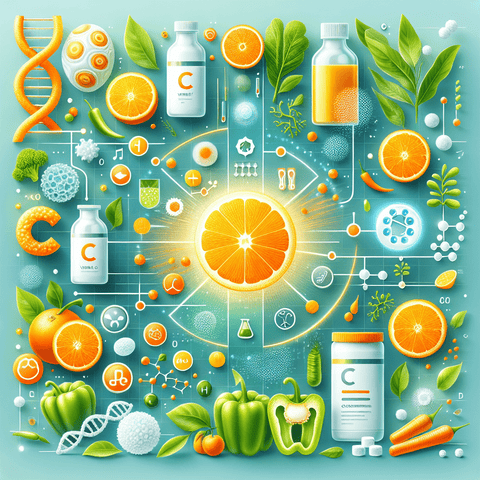
Vitamin C effects are a broad topic that spans nutrition, biochemistry, and supplement safety. This page acts as a topical hub for understanding what vitamin C does in the body, how researchers study its effects, where it is found in food, and what to consider when comparing dietary sources with supplements. Rather than focusing on a single question, it introduces the main dimensions of the topic so readers can explore related articles on specific benefits, safety issues, and practical uses.
What Vitamin C Is and Why It Matters
Vitamin C, also known as ascorbic acid, is a water-soluble vitamin that the human body cannot produce on its own. It must be obtained from food or supplements. It is involved in many normal processes, including antioxidant protection, enzyme activity, and the formation of collagen. Because it is water-soluble, the body does not store large amounts, and regular intake is generally needed.
Vitamin C matters because it supports normal physiological functions that affect multiple systems. It helps maintain the normal function of the immune system during and after physical exercise, contributes to normal collagen formation for the normal function of skin, blood vessels, bones, and cartilage, and contributes to normal energy-yielding metabolism. These statements reflect approved nutrient claims used in some regions, but they should be understood as general nutrition information rather than personalized medical advice.
Main Areas of Vitamin C Research
Scientific interest in vitamin C effects usually falls into several broad areas. Each area has its own type of evidence, from laboratory studies to human trials, and each comes with caveats about interpretation.
- Antioxidant networks and redox balance: vitamin C participates in reactions that help manage oxidative stress as part of normal metabolism.
- Enzyme cofactor roles: vitamin C supports certain enzymes involved in collagen formation and other biochemical processes.
- Epigenetic regulation: some research explores how vitamin C may influence DNA demethylation and gene expression in experimental settings.
- Mitochondrial function and energy metabolism: vitamin C is studied for its possible roles in cellular energy processes.
- Cellular signaling and stress response: vitamin C may be involved in signaling cascades that respond to oxidative stress.
- Neurotransmitter synthesis: vitamin C is involved in the synthesis of certain neurotransmitters.
These areas overlap and are not separate health benefits. They describe biological roles that researchers study to understand how vitamin C functions in the body. Mechanistic findings in cells or animals do not automatically translate into clinical outcomes in humans, and human studies vary in design, population, dosage, and duration. For this reason, it is useful to distinguish between what is known about vitamin C's biological functions and what is supported by strong clinical evidence for specific health outcomes.
Food Sources vs. Supplements
Vitamin C is naturally present in many fruits and vegetables. Common sources include citrus fruits, berries, kiwi, bell peppers, broccoli, and leafy greens. Because vitamin C is sensitive to heat and storage, cooking methods and freshness can affect how much remains in food.
Supplements provide a concentrated source of vitamin C and are available in different forms, such as ascorbic acid, sodium ascorbate, and calcium ascorbate. Some people prefer supplements for convenience or to meet specific intake goals, while others rely on food. When comparing dietary sources with supplements, it is helpful to consider overall diet quality, the form and dose of the supplement, and individual tolerance. For a broader look at vitamin C in supplement form, explore our collection on vitamin C benefits for immunity and antioxidant support.
Potential Side Effects and Safe Upper Limits
Vitamin C is generally considered safe when consumed in amounts typically found in food. However, high doses from supplements may cause digestive symptoms such as heartburn, stomach upset, or loose stools in some people. Individual tolerance varies, and what is well tolerated by one person may cause discomfort in another.
Many health authorities publish tolerable upper intake levels for vitamin C. These are not targets for daily intake but thresholds intended to help prevent adverse effects in most healthy people. Exceeding the upper limit may increase the risk of digestive issues. People with certain medical conditions, such as kidney disorders or a history of kidney stones, may need to be especially careful about high vitamin C intake and should seek professional guidance.
This information is educational and not a substitute for medical advice. Anyone considering high-dose vitamin C supplements or using them alongside medications should consult a healthcare professional.
How to Evaluate Evidence About Vitamin C Effects
Because vitamin C is a popular topic, claims about its effects can range from well-supported to speculative. To assess information critically, it helps to ask what type of evidence is being presented.
- Mechanistic studies show how vitamin C works in cells or animals but do not prove real-world health outcomes.
- Observational studies can identify associations but cannot establish cause and effect.
- Randomized controlled trials are generally stronger for testing cause-and-effect relationships, but they vary in quality and applicability.
- Systematic reviews and meta-analyses summarize multiple studies and can provide a broader view, though they depend on the quality of the included research.
When reading about vitamin C effects, look for citations to reputable sources such as the National Institutes of Health (NIH), Mayo Clinic, or the European Food Safety Authority (EFSA). Be cautious of sensational headlines that extrapolate from a single study or laboratory finding. For general antioxidant topics, you can also explore our antioxidant supplements guide.
Exploring the Broader Topical Map
Vitamin C effects connect to several other nutritional and supplement topics. For example, vitamin C interacts with other vitamins and minerals, and it is often discussed alongside multivitamins, antioxidants, and immune-support formulas. If you are interested in how vitamin C fits into a broader supplement routine, our multivitamins guide provides context on ingredients, usage, and safety considerations.
The articles associated with this tag page will explore more specific questions, such as the details of vitamin C side effects, dosage, food sources, and particular health contexts. This page is intended to serve as a starting point for understanding the topic as a whole, while the individual articles provide deeper dives into narrower subjects. For personalized advice about vitamin C intake, supplement use, or health conditions, consult a qualified healthcare professional.