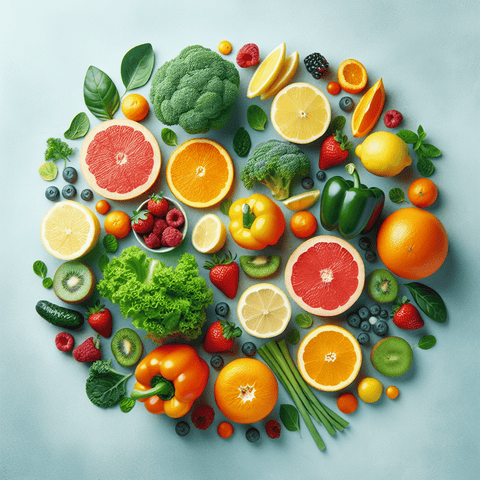
Vitamin-C-Lebensmittel: Die 15 besten Quellen zur Steigerung Ihrer Immunität


Diese Seite beschäftigt sich mit Vitamin-C-reichen Lebensmitteln und zeigt, wie sie in alltägliche Mahlzeiten integriert werden können. Der Schwerpunkt liegt auf den 15 besten Vitamin-C-quellen, wobei die Herkunft und die typische Menge an Vitamin C pro Portion dargestellt werden. Sie finden praktische Angaben zu Portionsgrößen und Ideen, wie diese Lebensmittel in verschiedenen Gerichten verwendet werden können, wobei stets der Fokus auf den Vitamin-C-reichen Lebensmitteln und ihrem Gehalt liegt. Ziel ist es, neutrale, hilfreiche Informationen zu diesen Quellen zu präsentieren, ohne gesundheitliche Behauptungen aufzustellen. Hier sind 15 Vitamin-C-reiche Lebensmittel, mit typischen Portionsgrößen und ungefährem Vitamin-C-Gehalt pro Portion: Rote Paprika (etwa 190 mg pro Tasse, gehackt), Orange (etwa 70 mg pro mittelgroße Frucht), Kiwi (etwa 71 mg pro Frucht), Erdbeeren (etwa 89 mg pro Tasse, halbiert), Grapefruit-Hälfte (etwa 38 mg), Zitrone (etwa 31 mg pro Frucht), Limette (etwa 20 mg pro Frucht), Ananas (etwa 79 mg pro Tasse, Stücke), Mango (etwa 60 mg pro Tasse, in Scheiben), Papaya (etwa 88 mg pro Tasse, gewürfelt), Cantaloupe (etwa 57 mg pro Tasse, gewürfelt), Brokkoli (etwa 81 mg pro Tasse, Röschen), Rosenkohl (etwa 75 mg pro Tasse, roh), Blumenkohl (etwa 46 mg pro Tasse, roh), Grünkohl (etwa 80 mg pro Tasse, roh). Diese Zahlen spiegeln übliche Portionsgrößen wider und geben eine Vorstellung davon, wie diese vitamin-C-reichen Lebensmittel im Vergleich hinsichtlich ihres Vitamin-C-Gehalts abschneiden. Um Vitamin-C-reiche Lebensmittel in Mahlzeiten einzubinden, kann man an bunte, schmackhafte Kombinationen denken. Zum Beispiel Rote Paprika in Pfannengerichten oder Salaten, Joghurt mit geschnittenen Erdbeeren oder Mango toppen, Orangenstücke in Getreidebowls mischen. Gerne kann man gehackten Grünkohl in Suppen oder sautierten Gerichten verwenden, Ananas oder Papaya in Obstschalen oder Salsas genießen, und Brokkoli oder Rosenkohl als Beilage oder in Röstgemüseplatten integrieren. Für eine zitronige Frische den Saft von Zitrone oder Limette über Gerichte träufeln oder deren Saft in Dressings verrühren. Mit diesen Ideen können Sie Vitamin-C-reiche Lebensmittel in verschiedene Mahlzeiten und Texturen im Laufe des Tages integrieren. Das Erkunden von vitamin-C-reichen Lebensmitteln bietet eine farbenfrohe Möglichkeit, Mahlzeiten mit einer Vielzahl von Aromen und Texturen zu planen. Der Fokus liegt hier darauf, die wichtigsten Quellen und praktische Portionsgrößen zu identifizieren, damit Sie Optionen vergleichen und in der Küche experimentieren können. Wenn Sie Ihre Ernährung abwechslungsreicher gestalten möchten, liefern diese vitamin-C-reichen Lebensmittel viele zugängliche Kombinations- und Zubereitungsideen, um Ihre Mahlzeiten interessant zu halten.


What foods are high in vitamin C? - Topvitamine
October 26, 2025
Vitamin-C-reiche Lebensmittel wie Paprika, Kiwi, Beeren, Brokkoli und Zitrusfrüchte lassen sich leicht in den Alltag integrieren. Dieser Ratgeber zeigt, welche Quellen besonders viel Vitamin C liefern, wie Sie Verluste beim Kochen reduzieren und wann ein Präparat sinnvoll sein kann. Außerdem beantwortet er häufige Fragen zu Vitamin-C-Bomben, Krebsbehandlungen und empfindlichem Magen.
Which food is rich in vitamin C? - Topvitamine
October 23, 2025
Vitamin-C-reiche Lebensmittel sind eine einfache Möglichkeit, Ascorbinsäure über die tägliche Ernährung aufzunehmen. Neben Orangen gehören insbesondere Guave, rote Paprika, Kiwi, Erdbeeren, Brokkoli und Rosenkohl zu den guten Quellen. Der Beitrag zeigt ungefähre Gehalte, erklärt die Rolle von Vitamin C als Antioxidans, beantwortet häufige Fragen und gibt Tipps zur Lagerung und Zubereitung. Nahrungsergänzungsmittel können in bestimmten Situationen ergänzen, ersetzen aber keine ausgewogene Ernährung.
Which foods contain vitamin C? - Topvitamine
October 14, 2025
Vitamin-C-reiche Lebensmittel wie Paprika, schwarze Johannisbeeren, Kiwi, Brokkoli und Zitrusfrüchte können zu einer ausgewogenen Ernährung beitragen. Dieser Ratgeber zeigt, welche Lebensmittel besonders viel Vitamin C liefern, wie Sie Vitaminverluste beim Lagern und Kochen verringern und was Vitamin C mit Antioxidantien und Eisenaufnahme zu tun hat. Außerdem erfahren Sie, wann ein Supplement sinnvoll sein kann und worauf Sie bei der Auswahl achten sollten.

Vitamin C foods are a foundational part of a well-rounded diet. Since the human body cannot synthesize this nutrient on its own, it must be obtained through food. This guide explores the most abundant sources of vitamin C, explains why they matter, and offers practical advice for incorporating them into your everyday meals.

Whether you're looking to support your immune system, understand how different foods compare, or find new ways to prepare nutrient-dense meals, this tag page provides a comprehensive overview. We'll cover the top foods, their typical vitamin C content per serving, and the broader context of how this nutrient functions in the body.

What Is Vitamin C and Why Does It Matter?

Vitamin C, also known as ascorbic acid, is a water-soluble vitamin with a range of important roles in the body. It is perhaps most well-known for its function as a powerful antioxidant, helping to protect cells from damage caused by free radicals. Beyond its antioxidant properties, vitamin C is vital for the synthesis of collagen, a protein necessary for healthy skin, blood vessels, and connective tissue. It also enhances the absorption of iron from plant-based foods, which is beneficial for preventing iron deficiency.

Because vitamin C is water-soluble, it is not stored in large amounts in the body. Regular intake through diet is therefore necessary to maintain adequate levels. A deficiency can lead to symptoms like fatigue and weakened immunity, highlighting the importance of consistently consuming vitamin C foods as part of a balanced nutrition plan.

Top Vitamin C Foods and Their Content

Many fruits and vegetables are excellent sources of vitamin C. While citrus fruits are commonly associated with this nutrient, many other foods actually contain higher concentrations. The following list highlights common foods and their approximate vitamin C content per standard serving, providing a clear picture of where to get the most benefit.

  • Red bell pepper: about 190 mg per cup (chopped)
  • Kiwi: about 71 mg per medium fruit
  • Orange: about 70 mg per medium fruit
  • Strawberries: about 89 mg per cup (halved)
  • Papaya: about 88 mg per cup (cubed)
  • Broccoli: about 81 mg per cup (florets)
  • Kale: about 80 mg per cup (raw)
  • Pineapple: about 79 mg per cup (chunks)
  • Brussels sprouts: about 75 mg per cup (raw)
  • Grapefruit: about 38 mg per half fruit
  • Lemon: about 31 mg per fruit
  • Lime: about 20 mg per fruit

As illustrated, a diverse range of produce can help you meet your daily vitamin C needs. Incorporating a variety of these foods not only boosts vitamin C intake but also provides a host of other essential nutrients and dietary fiber.

How to Incorporate More Vitamin C Foods into Your Diet

Maximizing your intake of vitamin C is often about simple culinary strategies. The key is to consume these foods regularly and in a way that preserves their nutrient content, as vitamin C can be sensitive to heat and light.

For everyday meals, consider these practical approaches:

  • Add red bell pepper strips to stir-fries, salads, or omelets for a crisp, sweet crunch.
  • Top yogurt or oatmeal with fresh strawberries, kiwi slices, or other berries.
  • Blend pineapple or mango into smoothies for a tropical flavor boost.
  • Incorporate chopped kale or broccoli into soups, stews, or as a simple roasted side dish.
  • Finish dishes with a squeeze of fresh lemon or lime juice instead of relying on salt or heavy sauces.

Remember that raw consumption often yields the highest vitamin C content. When cooking, using methods that are quick and use minimal water, such as steaming or stir-frying, can help reduce nutrient loss.

Understanding Vitamin C Absorption and Requirements

While getting enough vitamin C is crucial, understanding how your body absorbs it can help optimize your intake. Vitamin C is absorbed in the intestines, and its absorption rate can be influenced by a number of factors. Generally, the body is capable of absorbing a significant portion of the vitamin C found in food, although absorption can become less efficient at very high doses.

Daily requirements can vary based on age, sex, and certain lifestyle factors such as smoking. The recommended daily allowance (RDA) for most adults is around 75–90 mg, which is easily achieved by consuming one serving of a high-vitamin-C food, like a red bell pepper or an orange. Eating a varied diet with multiple servings of fruits and vegetables daily is the most effective way to ensure you're meeting your needs.

Exploring Individual Foods in More Depth

Each vitamin C food brings its own unique set of nutritional benefits beyond just ascorbic acid. For example, red bell peppers are also rich in vitamin A, while kiwi provides dietary fiber and antioxidants. Exploring the individual characteristics of these foods can help you build a more varied and interesting diet.

Vitamin C and Overall Health

The role of vitamin C foods extends beyond just preventing deficiency. As an antioxidant, vitamin C helps combat oxidative stress in the body, which is linked to various aspects of well-being. Its role in collagen formation is also critical for maintaining the health of your skin, joints, and blood vessels.

Moreover, consuming vitamin C along with iron-rich plant foods can significantly boost iron absorption, helping to prevent iron deficiency anemia. For this reason, pairing foods like a spinach salad with strawberries or a citrus vinaigrette is an excellent dietary strategy.

Considering Supplements

While a diet rich in fruits and vegetables is the best way to obtain vitamin C, some people may choose to use supplements to meet their needs. This can be particularly relevant for individuals with limited access to fresh produce, certain absorption issues, or who have higher requirements. For those interested in supplementation, exploring options within our Vitamin C supplement collection can provide additional context.

Broad Context: Vitamins and Supplements

Vitamin C is just one component of a healthy nutritional profile. Other vitamins, such as the B-complex vitamins and vitamin D, also play vital roles in energy metabolism and bone health. A balanced diet that includes a rainbow of fruits and vegetables is the cornerstone of good health. For general information on multivitamins and how they can fit into a healthy lifestyle, you can explore our multivitamin collection.

Conclusion

Vitamin C foods are an indispensable part of a nourishing diet. By understanding the best sources, their nutritional content, and how to best prepare them, you can make informed decisions to support your health. Remember that a diverse and colorful plate is the most effective way to get the vitamins and minerals your body needs to thrive.