
Verstehen der Gesundheitsrisiken im Zusammenhang mit Vitamin-D-Mangel ist wesentlich für Leser, die eine umfassendere Sicht darauf suchen, wie Körpersignale Hinweise auf Lücken im Nährstoffstatus geben können. Diese Seite konzentriert sich darauf, wie ein Mangel in Bezug auf tägliche Funktionen und langfristiges Wohlbefinden stehen kann, wobei betont wird, wie die Beachtung der sieben Warnzeichen Ihnen dabei helfen kann, Muster zu interpretieren. Durch das Erkennen dieser Signale können Sie ein klareres Verständnis dafür gewinnen, was Ihr Körper möglicherweise mitteilen möchte. Hier sind sieben Warnzeichen, die Sie nicht ignorieren dürfen: 1) anhaltende Veränderungen des Energieniveaus, 2) ungewöhnliche oder lang anhaltende Beschwerden in Knochen oder Gliedmaßen, 3) sichtbare Stimmungsschwankungen, 4) Veränderungen der Schlafqualität oder -dauer, 5) längere Erholungszeiten nach Aktivitäten, 6) eine höhere Häufigkeit von Infektionen oder Krankheiten, 7) Kribbeln oder Taubheit in Extremitäten. Diese Hinweise sind als Signale formuliert, auf die man achten und die man besprechen sollte, anstatt als definitive Diagnosen. Diese Signale sind Teil des Gesprächs über die Gesundheitsrisiken bei Vitamin-D-Mangel und heben hervor, wie Körpersignale den zugrunde liegenden Zustand widerspiegeln können. Da sich Symptome mit anderen Faktoren überschneiden können, ist es wichtig, den Zeitpunkt ihres Auftretens und die Dauer zu dokumentieren, um den Kontext für die Interpretation und das Bewusstsein zu schaffen. Dieses Bewusstsein kann ein Ausgangspunkt für einen achtsamen Ansatz sein, um das allgemeine Wohlbefinden und die Reaktionen des Körpers im Laufe der Zeit zu überwachen, einschließlich des Schutzes Ihrer Knochen und Ihres Immunsystems heute. Durch die Fokussierung auf das Konzept der Gesundheitsrisiken bei Vitamin-D-Mangel und die sieben Warnzeichen können Sie aufmerksam bleiben für Muster und das, was sie über Ihre Gesundheit aussagen könnten.
Vitamin-D-Mangel Gesundheitsrisiken: 7 Warnzeichen, die Sie nicht ignorieren dürfen
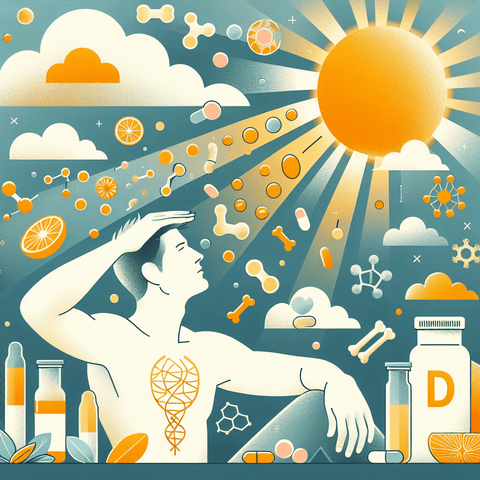
Vitamin D deficiency is a subject that touches on many aspects of health, from bone strength to immune function and general vitality. Because vitamin D can be obtained from sunlight, certain foods and supplements, understanding the broader picture of deficiency—its potential health risks, warning signs and contributing factors—can help readers make more informed decisions about their wellbeing. This page serves as a topical hub for vitamin D deficiency health risks, offering high-level explanations of the main concepts, common concerns and practical considerations. It is designed to complement more detailed articles on specific questions and should not be used as a substitute for professional medical advice.
What Is Vitamin D Deficiency?
Vitamin D is a fat-soluble nutrient that functions more like a hormone in the body. It is involved in the absorption of calcium and phosphorus, which are essential for maintaining healthy bones and teeth. Vitamin D also plays a role in muscle function, immune system regulation and cell growth. When the body does not have enough vitamin D to meet its needs, this is generally referred to as vitamin D deficiency or insufficiency.
Deficiency can develop when sun exposure is limited, dietary intake is low, or the body's ability to absorb or convert vitamin D is reduced. Because the symptoms can be subtle or easily attributed to other causes, deficiency is often identified through a blood test rather than by symptoms alone. The health risks associated with low vitamin D are broad and may affect several systems in the body, which is why it remains an important topic in nutritional science and public health discussions.
Why Vitamin D Deficiency Is Considered a Health Concern
The health risks of vitamin D deficiency are often discussed in relation to bone health, immune function and muscle performance. Over time, insufficient vitamin D may be associated with reduced bone mineral density and an increased tendency for bone discomfort or fractures. Some research also explores connections between low vitamin D and broader health areas such as cardiovascular function, mood and immune resilience, although these relationships are complex and continue to be studied.
Because vitamin D receptors are present in many tissues, a shortfall may have wide-ranging effects. However, it is important to avoid drawing definitive conclusions from general information. Individual health outcomes depend on many factors, and only a qualified healthcare provider can assess vitamin D status and recommend appropriate action. The purpose of this page is to provide a broad overview, not to diagnose or treat any condition.
Warning Signs Commonly Associated With Low Vitamin D
Vitamin D deficiency is sometimes called a silent issue because many people experience no obvious symptoms. When signs do appear, they can be vague and overlap with other common conditions. The following signals are often mentioned in discussions about vitamin D deficiency health risks, but they should be viewed as prompts for further investigation rather than as definitive proof of a deficiency.
- Persistent changes in energy levels, including ongoing tiredness or fatigue
- Unusual or lingering discomfort in bones or limbs
- Noticeable mood shifts or feelings of low mood
- Changes in sleep quality or duration
- Longer recovery times after physical activity
- A higher frequency of infections or illnesses
- Tingling or numbness in the extremities
These indicators are not exclusive to vitamin D deficiency and can be caused by many other factors. Tracking when they occur, how long they last and any patterns can provide useful information to discuss with a healthcare professional.
Main Causes and Risk Factors for Vitamin D Deficiency
Several factors can contribute to lower vitamin D levels. Understanding these can help readers identify whether they might be at higher risk and whether a conversation with a healthcare provider could be beneficial.
- Limited sun exposure due to indoor work, northern latitudes, or consistent use of sun protection
- Darker skin pigmentation, which reduces the skin's ability to produce vitamin D from sunlight
- Older age, as the skin becomes less efficient at synthesizing vitamin D
- Certain medical conditions that affect absorption or metabolism
- Use of specific medications that may influence vitamin D levels
- Diets that are low in vitamin D-rich foods such as fatty fish, egg yolks and fortified products
This list is not exhaustive, and having one or more risk factors does not mean deficiency will occur. It simply highlights areas that may warrant attention in a broader health discussion.
How Vitamin D Deficiency Is Assessed
Because symptoms can be nonspecific, vitamin D status is typically evaluated through a blood test that measures the level of 25-hydroxyvitamin D. This test is ordered by a healthcare professional when deficiency is suspected or when a person has risk factors. Self-testing kits are available in some regions, but interpreting results and deciding on next steps should involve a qualified professional.
There is ongoing discussion about the optimal range for vitamin D levels, and recommendations can vary between organizations. A healthcare provider can help interpret results in the context of individual health, lifestyle and medical history.
General Considerations for Prevention and Support
Prevention strategies for vitamin D deficiency generally focus on safe sun exposure, dietary sources and, in some cases, supplementation. Foods that naturally contain vitamin D include fatty fish, egg yolks and liver, while some products such as milk, plant-based beverages and cereals may be fortified. For many people, especially those with limited sun exposure, a supplement may be discussed with a healthcare provider.
It is important not to exceed recommended intake levels without professional guidance, as very high doses of vitamin D can be harmful. For those exploring supplement options, resources on vitamin D benefits, sources and safety and vitamin K benefits for bone and blood health may offer useful general information, as these nutrients are sometimes discussed together in the context of bone health.
Lifestyle factors such as regular physical activity and a balanced diet also contribute to overall wellbeing. However, no supplement or dietary change should be considered a substitute for medical advice or treatment.
Exploring Related Topics in Vitamin and Mineral Nutrition
Vitamin D does not work in isolation. Its role in calcium absorption means it is often discussed alongside other nutrients that support bone and muscle health. Readers interested in a broader view of nutritional support may wish to explore categories such as calcium for bone and muscle health and magnesium for energy, muscle and bone support. These categories provide general educational information and are not intended to replace personalized medical guidance.
This tag page offers a broad overview of vitamin D deficiency health risks and the warning signs that are commonly discussed. More specific questions—such as how deficiency is treated, how it interacts with particular medications, or detailed comparisons of supplement forms—are better addressed in dedicated articles. If you have concerns about your vitamin D status or overall health, consulting a healthcare provider is the most reliable way to receive personalized advice.