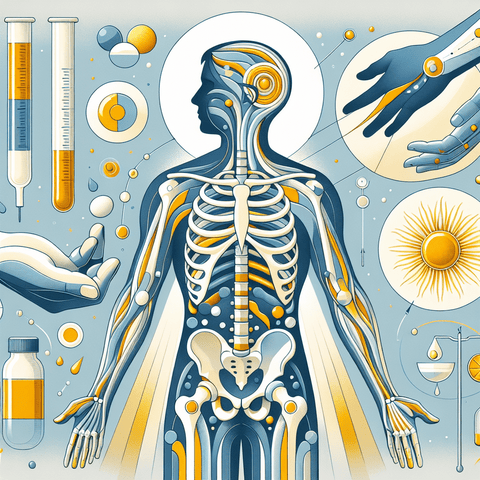
Das Verständnis der Risiken eines Vitamin-D-Mangels beginnt mit der Erkenntnis, dass mehrere Faktoren beeinflussen, wie sich diese Bedingung entwickelt und erkannt wird. Diese Seite hebt sieben versteckte Gefahren im Zusammenhang mit Risiken eines Vitamin-D-Mangels hervor und bietet praktische Hinweise, um informiert zu bleiben. Indem Sie das Thema mit klarem Fokus auf die Risiken eines Vitamin-D-Mangels angehen, können Sie sich auf informierte Gespräche mit Fachleuten vorbereiten und gut überlegte Entscheidungen zu Ihren Informationsbedürfnissen treffen. Sieben versteckte Gefahren im Zusammenhang mit Risiken eines Vitamin-D-Mangels sind: ein subtiler Beginn und unspezifische Signale, die einer frühen Erkennung entgehen; Verwirrung durch inkonsistente Terminologie und sich ändernde Richtlinien; Lücken bei routinemäßigen Untersuchungen, die bestimmte Gruppen unterrepräsentieren; Fehlinterpretation von Informationen oder Testergebnissen, wenn Anleitungen unklar sind; Abhängigkeit von unzuverlässigen Quellen, die widersprüchliche, schwer überprüfbare Behauptungen verbreiten; Barrieren beim Zugang zu konsistenten Informationen und Nachsorge; sowie Bedenken hinsichtlich Datenschutz und Datensicherheit bei der Suche nach oder beim Teilen von Gesundheitsinformationen online. Praktische Schritte zum Schutz Ihrer Gesundheit heute drehen sich um eine durchdachte Handhabung der Risiken eines Vitamin-D-Mangels. Priorisieren Sie Informationen aus glaubwürdigen, nachvollziehbar belegten Quellen; bereiten Sie eine kurze Fragenliste für Gespräche mit einem qualifizierten Fachmann vor; dokumentieren Sie Ihre Anliegen und etwaige Muster, die Sie bemerken, um die Gespräche zu unterstützen; und seien Sie sich bewusst, wie Daten gesammelt, gespeichert und geteilt werden, wenn Sie digitale Werkzeuge für Gesundheitsinformationen nutzen. Diese Maßnahmen helfen Ihnen, sich aktiv und verantwortungsvoll mit dem Thema Risiken eines Vitamin-D-Mangels auseinanderzusetzen. Indem Sie neugierig bleiben und vorsichtig mit den Risiken eines Vitamin-D-Mangels umgehen, können Sie ein klareres Bild davon entwickeln, was dieses Thema für Sie persönlich und Ihre gesamte Informationslandschaft bedeutet. Das Ziel ist es, das Bewusstsein zu fördern, eine durchdachte Interpretation der verfügbaren Informationen zu ermöglichen und verantwortungsvolle nächste Schritte durch verlässliche Richtlinien zu unternehmen.
Vitamin-D-Mangelrisiken: 7 versteckte Gefahren und wie Sie sich schützen können
Vitamin D deficiency is a widespread concern that involves more than just a single test result. Understanding the risks associated with low vitamin D levels provides a foundation for making informed decisions about your health and wellness. This guide offers a broad overview of the various dimensions of vitamin D deficiency risks—from recognizing potential signs to understanding the health context and navigating reliable information. The goal is to equip you with a solid understanding of the topic, so you can have more informed conversations with healthcare professionals and explore further information with confidence.
What Is Vitamin D Deficiency?
Vitamin D is a fat-soluble nutrient that the body needs for several critical functions, most notably helping the body absorb calcium, which is vital for maintaining strong and healthy bones. It is also involved in supporting muscle function and the healthy functioning of the immune system. The body can produce vitamin D when the skin is exposed to sunlight, but it is also found in certain foods and available as a dietary supplement.
Vitamin D deficiency occurs when the level of vitamin D in the body is persistently lower than what is considered sufficient for overall health. This condition can develop for various reasons, including limited sun exposure, dietary choices, or the body's inability to absorb or convert the vitamin effectively. The risks of vitamin D deficiency are not limited to one area of health; they span a range of potential concerns that are best managed with a clear understanding and, when necessary, professional guidance.
Why Vitamin D Deficiency Risks Matter
The risks associated with vitamin D deficiency are multi-faceted. On a health level, long-term insufficiency is linked to potential concerns regarding bone density and overall skeletal health. It also plays a role in supporting the normal function of the immune system and maintaining muscle strength, particularly as we age. However, the risk profile extends beyond biological factors.
There are also informational and practical risks. Misunderstanding test results, encountering conflicting guidance online, or relying on unreliable sources can lead to confusion. The risk of inaction is also real: if the condition is not recognized and addressed, it may contribute to long-term health issues. Understanding and managing these risks is a necessary step for anyone concerned about their vitamin D status.
Recognizing the Hidden Dangers and Common Signs
One of the primary challenges with vitamin D deficiency is that its signs are often subtle and can be easily overlooked. They are frequently non-specific, meaning they could be attributed to a variety of other factors, such as a busy lifestyle or other health conditions.
Some common signals that may warrant a conversation with a healthcare professional include:
- Persistent fatigue or a general feeling of tiredness that is not explained by other factors.
- Bone or muscle discomfort, including aches, weakness, or cramping, which may indicate issues with calcium absorption.
- Mood changes, such as feeling unusually low, as vitamin D is thought to play a role in brain and mental well-being.
- Frequent illnesses or a slowed recovery process, which may point to a less responsive immune system.
While these signs are important, they are not definitive proof of a deficiency. They serve as a helpful prompt to investigate your health status further. The only way to diagnose vitamin D deficiency is through a blood test ordered by a healthcare professional.
Long-Term Health Implications of Untreated Deficiency
If low vitamin D levels are not addressed, the risks can become more substantial over time. The most well-documented concern relates to bone health. A prolonged lack of vitamin D impairs the body's ability to absorb calcium, which is crucial for maintaining bone density. In adults, this can contribute to a condition known as osteomalacia, which is characterized by soft, weak bones and muscle weakness.
Beyond bone health, there is ongoing scientific research exploring the relationship between vitamin D and other organ systems. The body's organs rely on a complex interplay of nutrients, and while vitamin D's exact role in every system is not fully defined, maintaining a healthy level is generally considered supportive of overall well-being. It is important to be cautious about dramatic health claims; instead, focus on the established and well-supported connection between vitamin D, calcium absorption, and skeletal strength.
Key Factors That Contribute to Deficiency Risk
Vitamin D deficiency does not have a single cause. Several factors can increase your risk, and it is often a combination of these that leads to a deficiency. Being aware of these factors can help you understand your own potential risk profile:
- Limited Sun Exposure: This is the most common cause. Spending more time indoors, using high-SPF sunscreen consistently, or living in northern latitudes with less intense sunlight can reduce the body's natural vitamin D production.
- Dietary Habits: Vitamin D is naturally present in relatively few foods. A diet lacking in fatty fish, egg yolks, or fortified foods like milk and cereals may contribute to lower levels.
- Skin Tone: Individuals with darker skin have more melanin, which reduces the skin's ability to produce vitamin D from sunlight. This can mean that they require more sun exposure to synthesize the same amount of vitamin D as someone with lighter skin.
- Age: As we get older, our skin becomes less efficient at producing vitamin D, and the kidneys may also be less effective at converting it into its active form.
- Digestive Conditions: Certain health conditions that affect the digestive tract, such as Crohn's disease, celiac disease, or ulcerative colitis, can impair the absorption of fat, including fat-soluble vitamins like vitamin D.
Navigating Vitamin D Information and Testing
In the era of abundant online health information, it can be challenging to separate fact from fiction. Misinterpretation of test results or reliance on conflicting sources are significant risks in managing your health. This is why it is crucial to prioritize information from credible, clearly sourced resources, such as established health organizations and peer-reviewed research.
When you receive a test result, it is more than just a number. It is a piece of a larger health picture. A qualified healthcare professional can interpret this result in the context of your symptoms, other medical conditions, and medications you may be taking. They can also explain the nuances of different measurements and guide you on the most appropriate next steps, which may include lifestyle adjustments or a conversation about supplementation.
Practical Steps to Protect Your Health
Taking proactive steps is the most effective way to manage the risks associated with vitamin D deficiency. The focus should be on informed, responsible action rather than guesswork.
Consider these practical actions:
- Seek Professional Guidance: The most important step is to discuss your concerns with a qualified professional. They are best positioned to evaluate your individual risk factors and determine if testing is appropriate.
- Prepare for Your Appointment: Write down a concise list of questions you have about vitamin D, its potential risks, and your specific health situation. This helps you use your time with a professional effectively.
- Document Your Observations: Keep a simple log of any signs you are experiencing, including how long they have been present and any patterns you notice. This information can be valuable for a diagnostic conversation.
- Evaluate Information Sources: Before acting on online advice, check the credibility of the source. Look for clearly referenced, evidence-based information rather than personal anecdotes or commercial promotions.
- Consider Supporting Nutrients: Vitamin D works in tandem with other nutrients. For example, calcium absorption is dependent on vitamin D, and magnesium is involved in vitamin D metabolism. You can learn about our calcium supplements and magnesium supplements for more information. Always discuss any new supplement regimen with a healthcare professional.
Exploring Supplementation Considerations
Supplements are a common way to address low vitamin D levels, but they are not a one-size-fits-all solution. There are different forms of vitamin D (most notably D2 and D3), and they can be found in various strengths. The right choice and dosage depend on an individual's needs, which is why self-prescribing can be risky.
If you and your healthcare provider decide that a supplement is appropriate, you can look for high-quality options from reputable brands. For reference, Topvitamine offers a range of natural supplements designed to support your wellness routine. However, keep in mind that supplements are meant to complement, not replace, a balanced diet and healthy lifestyle.
Building a Clear Path Forward on Vitamin D
Vitamin D deficiency risks are manageable when you approach the topic with the right information and support. The potential consequences of ignoring the problem can be significant, but the path to managing it is straightforward. It begins with education—understanding what the risks are, what they are not, and how to navigate the next steps.
The takeaway is to be proactive. Engage with the topic of vitamin D with curiosity and caution, prioritize reliable sources of information, and always use a qualified healthcare professional as your primary point of reference for concerns about deficiency or any other health matter. This balanced approach is the key to making well-considered decisions about your health information and your well-being.