
Entdecken Sie die versteckten Risiken einer Vitamin-D-Überdosierung und lernen Sie, worauf Sie achten sollten. Dieser Artikel erklärt, wie eine Vitamin-D-Überdosierung auftreten kann, manchmal allmählich, und warum Wachsamkeit auch bei Produkten mit Vitamin-D-Label wichtig ist. Das Verständnis darüber, wie erhöhte Werte den Körper beeinflussen können, hilft Ihnen, frühzeitig Bedenken zu erkennen und schnell zu handeln. Das Ziel ist praktische Bewusstheit und sichere Praktiken, nicht Heilungsversprechen. Frühe Warnzeichen einer Vitamin-D-Überdosierung zu erkennen, erfordert das Beobachten von Mustern statt einzelner Ereignisse. Achten Sie auf Indikatoren wie anhaltende Müdigkeit, Kopfschmerzen oder Stimmungsschwankungen sowie auf ungewöhnliche Symptome, die für Sie untypisch sind. Wenn Sie etwas Ungewöhnliches bemerken, unterbrechen Sie die weitere Einnahme von Vitamin D und suchen Sie vor dem Weitermachen Rat bei einem Arzt. Sofortmaßnahmen: Wenn Sie eine Vitamin-D-Überdosierung vermuten, stellen Sie die Einnahme von Vitamin-D-Produkten ein und vermeiden Sie eine Erhöhung Ihrer Dosierung. Notieren Sie Produktnamen, Dosierungen und Etiketten, um diese einem Arzt oder Giftinformationszentrum zu übergeben. Wenden Sie sich an einen Arzt oder Ihr örtliches Giftinformationszentrum für individuelle Anweisungen. Wenn sich die Symptome verschlimmern, suchen Sie umgehend medizinische Hilfe. Sicher bleiben bedeutet, schnell zu handeln und auf vertrauenswürdige Anweisungen zu vertrauen. Diese Seite über Vitamin-D-Überdosierung konzentriert sich auf klare Anzeichen, praktische Maßnahmen und zuverlässige Schritte, die Sie heute ergreifen können. Für persönliche Beratung wenden Sie sich an einen qualifizierten Arzt oder eine geeignete Gesundheitsbehörde.
Vitamin D Überdosierung: Versteckte Risiken, Früherkennungssignale und was Sie jetzt tun sollten
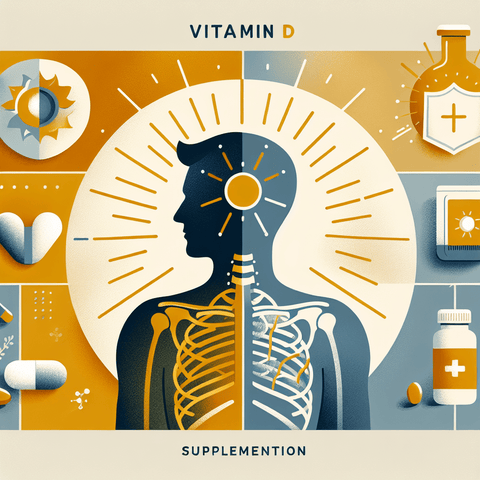
Vitamin D overdose is a topic that matters to anyone who uses vitamin D supplements, takes high-dose products, or combines several supplements that contain vitamin D. Because vitamin D is fat-soluble, very high intakes taken over time can accumulate in the body instead of being removed quickly. This page provides a broad overview of the topic: what vitamin D overdose means, how excess intake can occur, which early warning signs are commonly discussed, and what practical steps to take if you have concerns. It is general educational information, not personal medical advice.
What Is a Vitamin D Overdose?
A vitamin D overdose describes the situation that can develop when vitamin D intake is consistently higher than the body can safely manage. This is most often associated with supplements, particularly high-dose products used for extended periods, rather than with food or sun exposure alone. Because vitamin D is stored in body fat, the effects of excess intake may appear gradually rather than immediately.
It is also possible to underestimate total intake when several products are used together, for example a multivitamin plus a standalone vitamin D supplement. Checking labels and understanding how much vitamin D each product contains is an important part of safe supplement use. For broader background on the nutrient itself, you can explore our vitamin D benefits, sources and safety collection.
How Excess Vitamin D Intake Can Occur
Vitamin D overdose rarely happens overnight. In most discussions of the topic, it develops through patterns such as:
- Long-term use of high-dose vitamin D supplements without professional supervision.
- Combining multiple products that each contain vitamin D, leading to overlapping intake.
- Misreading labels, especially with concentrated drops where a small volume delivers a high dose.
- Taking more than the intended amount in the belief that more will be more beneficial.
This gradual nature is why vigilance matters even when using products that are labeled and marketed for vitamin D. Regularly reviewing what you take, and how much, helps you stay within sensible use.
Early Warning Signs to Watch For
Spotting possible early warning signs of vitamin D overdose is about noticing patterns rather than one-off events. Commonly mentioned indicators include persistent fatigue, headaches, or mood changes, as well as any unusual symptoms that are not typical for you.
It is important to keep in mind that these symptoms are not proof of excess vitamin D. Many of them have multiple everyday causes, and only a healthcare professional can properly assess what is going on. If you notice anything out of the ordinary, a sensible step is to pause further vitamin D-related intake and seek guidance from a healthcare professional before continuing.
What To Do If You Suspect You Have Taken Too Much
If you suspect vitamin D overdose, acting promptly and calmly is key. The following general steps are commonly recommended as a starting point:
- Stop taking vitamin D products and avoid increasing your intake.
- Gather product names, doses, and labels to share with a clinician or poison control.
- Contact a healthcare professional or your local poison control center for tailored instructions.
- If symptoms worsen, seek urgent medical evaluation.
These steps are general information, not a substitute for personalized medical care. A qualified clinician can assess your individual situation, including any medications you take and your overall supplement routine.
Related Nutrients and Safe Supplement Practices
Vitamin D is often discussed alongside other nutrients that contribute to bone and muscle health. When reviewing your supplement routine, it can help to look at the whole picture rather than a single product, including minerals such as calcium and magnesium that frequently appear in the same products or routines. You can browse our calcium and bone health collection or our magnesium supplements collection as part of that broader review.
Safe supplement practice also means choosing products from reputable sources and being aware of interactions. Some supplements can interact with prescription medications, which is another reason to involve a healthcare professional in decisions about dosing, especially if you take medication regularly. Specific interaction questions, such as how vitamin D relates to particular medicines, are covered in more depth in the individual articles associated with this tag.
Staying Safe: Practical Awareness Around Vitamin D
Staying safe with vitamin D comes down to a few practical habits:
- Know how much vitamin D each of your products contains, including multivitamins.
- Avoid increasing doses on your own, particularly with high-strength products.
- Pay attention to patterns in how you feel, and act early if something seems off.
- Keep product labels and records so you can share accurate information if needed.
This tag page serves as a starting point for the topic. The articles listed under this tag explore specific questions in more detail, including dosing questions, symptom patterns, and interactions. For personalized advice about vitamin D overdose or any supplement concern, always consult a qualified clinician or your local poison control center.